
Affiliate disclosure: this article contains affiliate links. As an Amazon Associate, UsefulVitamins.com earns from qualifying purchases at no extra cost to you.
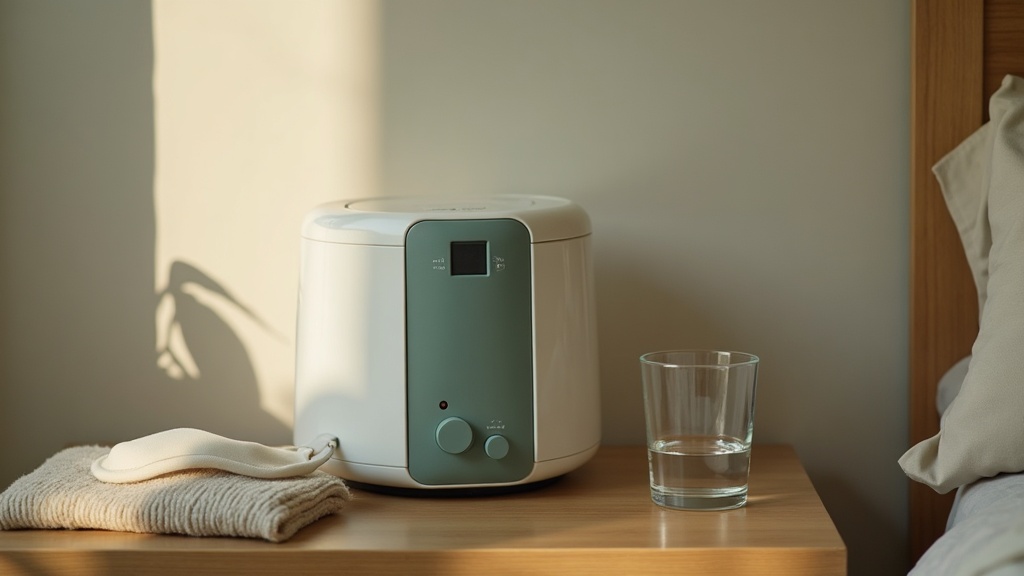
If you're searching for the best supplements for sleep apnea, you're probably either newly diagnosed and looking for anything that might help besides the mask on your nightstand, or several months in on CPAP and wondering whether a few targeted nutrients could lower the cardiovascular risk that comes with the condition.
Quick Answer: which supplements actually help with sleep apnea

The 2 to 3 we'd start with first:
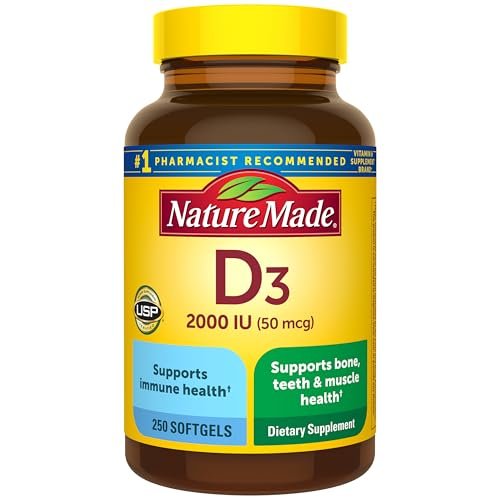
- Vitamin D3 (2,000 to 4,000 IU/day, dose to lab): observational and small interventional data link low 25(OH)D to OSA severity, and correction is cheap, safe, and useful for general cardiovascular risk.
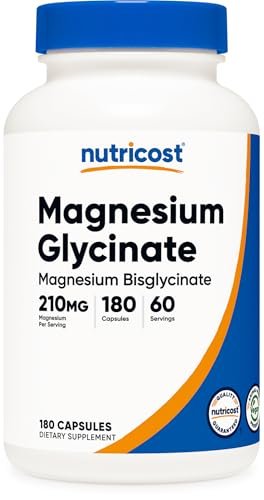
- Magnesium glycinate (200 to 400 mg at night): for sleep architecture support, leg cramps, and as a gentle adjunct if restless legs syndrome coexists (it often does in OSA).
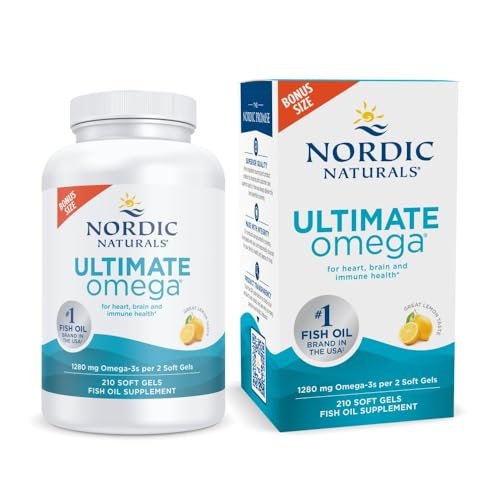
- EPA/DHA omega-3 (1 to 2 g combined EPA+DHA/day): for the cardiovascular risk modification that matters far more than any change in AHI.
Who should NOT start with these:
- Anyone using supplements as a reason to skip, delay, or abandon CPAP titration. The airway problem is mechanical. No capsule fixes a collapsing pharynx.
- Anyone on warfarin, a sedating sleep medication, or thyroid replacement without first reading the interaction notes below.
Do FIRST, before any supplement: confirm the diagnosis with an in-lab or home sleep study and start CPAP titration. The American Academy of Sleep Medicine's 2021 clinical practice guideline ranks positive airway pressure as the standard first-line therapy for adult OSA, with adherence (using the machine ≥4 hours/night on 70% of nights) being the actual variable that predicts cardiovascular benefit. A supplement does not fix a CPAP machine that lives in the closet.
What obstructive sleep apnea actually is
Obstructive sleep apnea is repeated collapse of the upper airway during sleep, producing pauses in breathing (apneas) or partial collapses (hypopneas) that fragment sleep and intermittently drop oxygen saturation. The diagnosis is defined by the apnea-hypopnea index (AHI): an AHI of 5 or more events per hour with daytime symptoms (sleepiness, fatigue, witnessed apneas), or an AHI of 15 or more regardless of symptoms, meets criteria. Most adults with OSA are middle-aged, overweight, and snore heavily, but the condition is also common in lean adults with crowded airways and in postmenopausal women.
OSA matters because the downstream physiology is brutal. Intermittent hypoxia and repeated arousals drive sympathetic nervous system overactivation, oxidative stress, endothelial dysfunction, and chronic systemic inflammation. The clinical consequences over years are hypertension, atrial fibrillation, stroke, type 2 diabetes, and a measurable increase in all-cause mortality. The AASM, the American Heart Association, and most cardiology societies now treat untreated moderate-to-severe OSA as an ASCVD risk equivalent.
Standard of care is mechanical. CPAP (continuous positive airway pressure) is first-line. Oral mandibular advancement appliances are second-line for mild-to-moderate disease or CPAP intolerance. Positional therapy helps in supine-predominant cases. Weight loss of 10 to 15% can meaningfully reduce AHI in obese patients. Hypoglossal nerve stimulation (Inspire) is an implantable option for select moderate-to-severe patients. The most important addition to the toolkit is recent: in December 2024 the FDA approved tirzepatide (Zepbound) for moderate-to-severe OSA in adults with obesity, the first drug ever approved specifically for sleep apnea. Supplements are a layer on top of all of that, never a substitute. If you are skipping CPAP or refusing a sleep study because you would rather try magnesium first, the supplement conversation is moot.
A note on terminology, because it gets misused constantly: snoring is not OSA. Loud snoring is a risk factor for OSA but does not equal it. If your only complaint is snoring without daytime symptoms, witnessed apneas, or a sleep study, the supplement and "stop snoring" market is happy to sell you things. None of them are treating sleep apnea.
The supplements with the strongest evidence

Vitamin D3 for OSA-associated deficiency and cardiovascular risk
Why it helps: vitamin D receptors are expressed throughout the upper airway, vascular endothelium, and immune cells. OSA patients have consistently lower 25-hydroxyvitamin D levels than non-OSA controls, and the deficit correlates with AHI severity. The mechanism is bidirectional and not fully settled. What is settled is that correcting documented deficiency is safe, cheap, and useful for the cardiovascular risk that accompanies OSA.
What the trials show: a 2019 systematic review and meta-analysis of vitamin D status in OSA patients found significantly lower 25(OH)D levels compared with controls, with a dose-response relationship to AHI. Interventional data are more modest: small RCTs show that 6 to 12 weeks of supplementation in deficient OSA patients improves daytime sleepiness scores by roughly 2 to 3 points on the Epworth Sleepiness Scale, but does not reliably change AHI. That is a real but modest signal for symptoms, not a treatment effect on the airway itself.
Dose used in trials: 2,000 to 4,000 IU/day of D3 (cholecalciferol), titrated to a serum 25(OH)D target of 30 to 50 ng/mL per most endocrine society targets. Higher loading doses (50,000 IU weekly) are sometimes used for documented severe deficiency.
Form to look for: D3 (cholecalciferol) in an oil-based softgel or drops. Skip D2 (ergocalciferol) unless prescribed. Pair with vitamin K2 if you are also at osteoporosis risk and your clinician has reviewed it.
Skip if: you have hypercalcemia, granulomatous disease (sarcoidosis), or a 25(OH)D already above 60 ng/mL without prescriber oversight.
Magnesium glycinate for sleep architecture and restless legs overlap
Why it helps: magnesium is a cofactor for GABAergic signaling and NMDA receptor modulation, both of which influence sleep depth and arousal threshold. Magnesium deficiency is common in adults over 50 and worsens insomnia and restless legs symptoms, which frequently coexist with OSA (periodic limb movements of sleep are seen in roughly a third of OSA patients).
What the trials show: a 2017 double-blind RCT in older adults with insomnia found that 500 mg/day of magnesium oxide for 8 weeks improved subjective sleep quality and reduced sleep onset latency by about 17 minutes versus placebo. There are no OSA-specific magnesium RCTs powered for AHI. The plausible benefit is on sleep architecture and on PLMS coexisting with OSA, not on airway events.
Dose used in trials: 200 to 500 mg of elemental magnesium taken 30 to 60 minutes before bed. For our money, magnesium glycinate at 200 to 400 mg is the better-tolerated form. For deeper background, see our guide to the best magnesium for sleep.
Form to look for: magnesium glycinate or bisglycinate. Skip magnesium oxide for daily sleep use (low absorption, unpredictable laxative effect). Citrate is fine if you also want a mild constipation benefit.
Skip if: you take a sedating sleep medication (benzodiazepine, Z-drug, trazodone, mirtazapine) without your prescriber's review. The combination is rarely dangerous but is additive sedation. Also skip without clinician input if your eGFR is below 30.
Omega-3 (EPA+DHA) for cardiovascular risk modification
Why it helps: OSA accelerates atherosclerosis through endothelial dysfunction and chronic low-grade inflammation. Omega-3 fatty acids reduce triglycerides, lower CRP modestly, and have direct anti-arrhythmic effects relevant to OSA-associated atrial fibrillation. This is not a treatment for the airway. This is risk modification for the comorbidity that kills OSA patients.
What the trials show: the 2018 REDUCE-IT trial of 4 g/day icosapent ethyl (purified EPA) in 8,179 statin-treated patients with elevated triglycerides showed a 25% relative risk reduction in major cardiovascular events over a median 4.9 years, with an absolute risk reduction of 4.8% and an NNT around 21. That trial was not in OSA patients specifically, but the underlying ASCVD risk biology is the same biology that OSA worsens. Effects in unselected populations using lower-dose EPA+DHA combinations are smaller.
Dose used in trials: 1 to 2 g/day of combined EPA+DHA from a third-party-tested fish oil for general cardiovascular adjunctive use. Higher prescription doses (4 g/day icosapent ethyl) are reserved for patients meeting REDUCE-IT criteria under clinician oversight.
Form to look for: triglyceride-form or re-esterified-triglyceride fish oil with stated EPA and DHA milligrams per serving and a third-party oxidation panel (IFOS or USP). Skip "1,000 mg fish oil" capsules that bury 200 mg of actual EPA+DHA in the fine print.
Skip if: you are on warfarin or another anticoagulant at therapeutic doses. The NIH ODS omega-3 fact sheet notes a modest theoretical bleeding-risk interaction at doses above 3 g/day; the Drugs.com interaction checker flags fish oil plus warfarin as a moderate interaction requiring INR monitoring.
Actionable takeaway: if your last lipid panel and CRP suggest you are in the elevated-cardiovascular-risk lane, omega-3 is doing more useful work for your long-term outcome than anything else on this list.
Supplements with moderate evidence (consider with caveats)
N-acetylcysteine (NAC) for oxidative stress from intermittent hypoxia
NAC is a glutathione precursor with antioxidant effects on the oxidative stress generated by repeated nocturnal desaturations. A small 2019 RCT of NAC 600 mg twice daily in OSA patients (n around 40) showed reduced oxidative stress markers and modest improvement in subjective sleep quality. The trial is small, the endpoint is a surrogate, and the effect size for symptoms is modest. Worth considering for patients with severe OSA who cannot tolerate CPAP and have elevated inflammatory markers, with caveats. Skip if you are on nitroglycerin (additive hypotension) or have a known sulfur-containing-compound allergy.
Iron for restless legs and PLMS overlap
Iron deficiency is the single most reversible cause of restless legs syndrome, and PLMS coexists with OSA often enough that checking ferritin is reasonable. The standard target in restless legs literature is a ferritin above 75 to 100 ng/mL. If your ferritin is below that and you have symptoms, oral iron at 50 to 65 mg of elemental iron every other day is the current evidence-based protocol. The real question is not whether iron helps OSA. It does not. The real question is whether iron deficiency is masquerading as a sleep complaint that gets blamed on OSA. Skip self-supplementation without a ferritin draw, because iron overload is a real risk in adults with undiagnosed hemochromatosis. And space oral iron 4 hours away from your thyroid replacement medication if you take levothyroxine; iron significantly reduces levothyroxine absorption.
L-arginine and L-citrulline for endothelial function
L-arginine is a nitric oxide precursor with documented modest improvements in endothelial function in OSA patients. A small RCT of 6 g/day L-arginine over 8 weeks showed improved flow-mediated dilation in OSA patients. That is a surrogate marker, not a clinical event endpoint. L-citrulline is sometimes used as a more bioavailable precursor. Worth considering as a low-priority adjunct if cardiovascular risk reduction is your goal and you cannot tolerate omega-3, but the evidence base is small and the effect is surrogate.
Popular but evidence-thin (skip, or treat as low-priority)
Melatonin
Melatonin is widely recommended for "any sleep problem" by the supplement aisle. For OSA specifically, the evidence is thin and the framing is wrong. Melatonin shifts sleep onset and is useful for circadian rhythm disorders, jet lag, and some shift-work scenarios. It does not treat airway collapse, and in some patients it may worsen daytime sleepiness if mistimed. If you have sleep onset insomnia layered on OSA and you are already on CPAP, a small dose (0.3 to 1 mg, 30 to 60 minutes before bed) is reasonable. If you are using melatonin instead of a sleep study, you are misusing it.
"Stop snoring" herbal blends
The "anti-snoring" supplement category (typically a blend of bromelain, fenugreek, sage, peppermint, and similar) has no credible RCT evidence for OSA. Some products help mucosal congestion in patients whose snoring is purely nasal and positional. None treat the upper airway collapse that defines OSA. If a label or ad implies a capsule replaces CPAP, that is the marketing claim, not the evidence.
A non-supplement worth a brief mention: myofunctional therapy (tongue and oropharyngeal exercises) has modest RCT-level evidence for reducing AHI in mild-to-moderate OSA. Not a supplement, but an honest adjunct worth asking your sleep clinician about.
What to look for when buying
For OSA-related supplements specifically, the criteria are the same as for any cardiovascular and sleep-adjacent stack:
- Form: D3 not D2; magnesium glycinate or citrate (not oxide for daily use); triglyceride-form fish oil with stated EPA+DHA per serving; ferrous bisglycinate or polysaccharide-iron complex if iron is needed.
- Third-party testing: USP Verified, NSF Certified, ConsumerLab Approved, or IFOS 5-star for fish oils. For deeper context on UV's evaluation framework, see how we review supplements.
- Red flags: "anti-snoring" branding, claims to "fix sleep apnea naturally", proprietary blends without per-ingredient milligrams, and any product that positions itself as an alternative to CPAP.
- Dosing: dose vitamin D to your 25(OH)D level, take magnesium at night, take fish oil with a meal containing fat, take iron away from coffee and thyroid medication.
When supplements are not enough
Stop self-managing and contact your clinician (or a sleep specialist) if any of the following apply:
- You suspect OSA but have never had a sleep study. The diagnosis cannot be made by symptoms or a fitness tracker alone.
- You have an OSA diagnosis but cannot tolerate CPAP and have abandoned the therapy. There are five or six alternatives (different mask, BiPAP, oral appliance, positional therapy, hypoglossal nerve stimulation, tirzepatide for the obesity-driven phenotype). Talk to your sleep specialist before giving up.
- You have witnessed apneas plus new chest pain, palpitations, or unexplained morning headaches, which can signal nocturnal arrhythmia or right-heart strain.
- Your daytime sleepiness is severe enough to cause near-misses while driving. This is an urgent safety issue and a clinician matter, not a supplement matter.
FAQ
Can supplements replace CPAP for sleep apnea?
No. CPAP and other airway-directed therapies treat the mechanical airway collapse that defines OSA. Supplements address adjacent biology (deficiency, cardiovascular risk, inflammation, restless legs overlap). If you are looking for a replacement for CPAP, the closest answer is FDA-approved tirzepatide for obesity-driven moderate-to-severe OSA, or hypoglossal nerve stimulation, or significant weight loss, all of which require clinician involvement.
Does melatonin help sleep apnea?
Not directly. Melatonin can help with sleep onset and circadian timing if you have insomnia layered on OSA, but it does not reduce AHI. Treat it as a sleep-onset adjunct, not an OSA therapy.
Will vitamin D fix my sleep apnea?
No. Correcting documented vitamin D deficiency may modestly improve daytime sleepiness and is good cardiovascular hygiene, but it does not change the underlying airway collapse.
Is magnesium safe with my sleep medication?
Usually yes at standard doses, but the combination is additive sedation. If you take a benzodiazepine, Z-drug, trazodone, mirtazapine, or any sedating tricyclic, run the addition past your prescriber. Also use lower doses if your kidney function is impaired.
What about Zepbound for sleep apnea?
Tirzepatide was FDA-approved in December 2024 for moderate-to-severe OSA in adults with obesity, the first drug ever approved for this indication. It is a clinician-managed prescription with its own side-effect profile and is not a supplement. If your OSA is obesity-driven and your BMI qualifies, ask your sleep specialist or obesity medicine clinician.
Conclusion: the bottom line on best supplements for sleep apnea
For obstructive sleep apnea, the standard of care is CPAP titration and adherence, with oral appliances, positional therapy, weight loss, hypoglossal nerve stimulation, and now tirzepatide as further options under specialist care. Supplements do not treat airway collapse. They sit on top of an effective primary therapy and address the cardiovascular and inflammatory comorbidities that drive long-term harm. Vitamin D (corrected to lab), magnesium glycinate at night, and omega-3 for cardiovascular risk modification are the three most defensible starting points, with NAC, iron (if deficient), and L-arginine as moderate-evidence add-ons. If a product is selling itself as a CPAP replacement, that is marketing, not medicine.
Next steps:
- Confirm or start CPAP titration with a sleep specialist before adjusting any supplement stack.
- Pull a lipid panel, CRP, 25(OH)D, ferritin, and TSH; dose vitamin D and iron to the labs, not to a number on a label.
- For a deeper look at sleep-supportive minerals and forms, read our best magnesium for sleep guide, and for editorial methodology see Michael Ward's author page.
Reviewed by Michael Ward, MD MPH, Preventive Medicine, focused on guideline-based chronic disease management.
Top picks on Amazon
As an Amazon Associate, I earn from qualifying purchases. Product recommendations are based on real reviews and independent research.
