
Affiliate disclosure: this article contains affiliate links. As an Amazon Associate, UsefulVitamins.com earns from qualifying purchases at no extra cost to you.
Before you buy
The real question with any creatine is not whether the brand is good. It is whether you are paying for the powder or for the marketing around it.
Creatine monohydrate is the most researched sports supplement on the market, and the molecule is the same whether it costs $0.18 or $0.49 a scoop. So a "worth it" verdict comes down to two things: is the dose right, and are you overpaying for the same 5 grams?
Naked Creatine sells one product with one ingredient. There is no flavoring, no proprietary blend, no added HMB or vitamins. That simplicity is the whole pitch, and for most people it holds up.
The one place to slow down is testing. Naked markets the product as NSF certified, but "NSF certified" and "NSF Certified for Sport" are not the same thing – and if you compete under anti-doping rules, that difference decides whether this tub is right for you. More on that below.
What Naked Creatine actually is
Naked Creatine is 100% pure micronized creatine monohydrate, and nothing else. The label lists a single ingredient. No sweeteners, no fillers, no anti-caking agents.
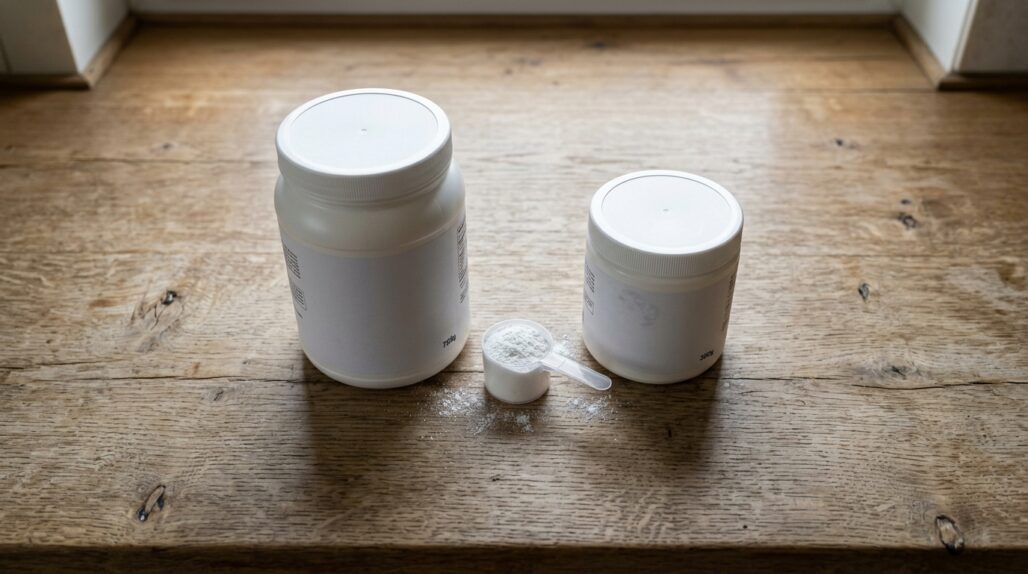
It comes unflavored in two sizes on the official Naked Nutrition product page: a 500g tub (100 servings) and a 1kg tub (200 servings). Each serving is 5 grams, which lines up with the standard daily dose.
"Micronized" just means the powder is ground into finer particles so it mixes into water more easily and is less gritty. It does not make the creatine work better or absorb differently – it is a texture and mixability feature, not a performance one.
If you have read our explainer on creatine HCl vs monohydrate, the takeaway applies here too: monohydrate is the form with the deepest research behind it, and the fancier forms rarely justify their markup.
Is it Creapure or generic? (Both work)
This is the question value shoppers ask most, so here is the honest answer.
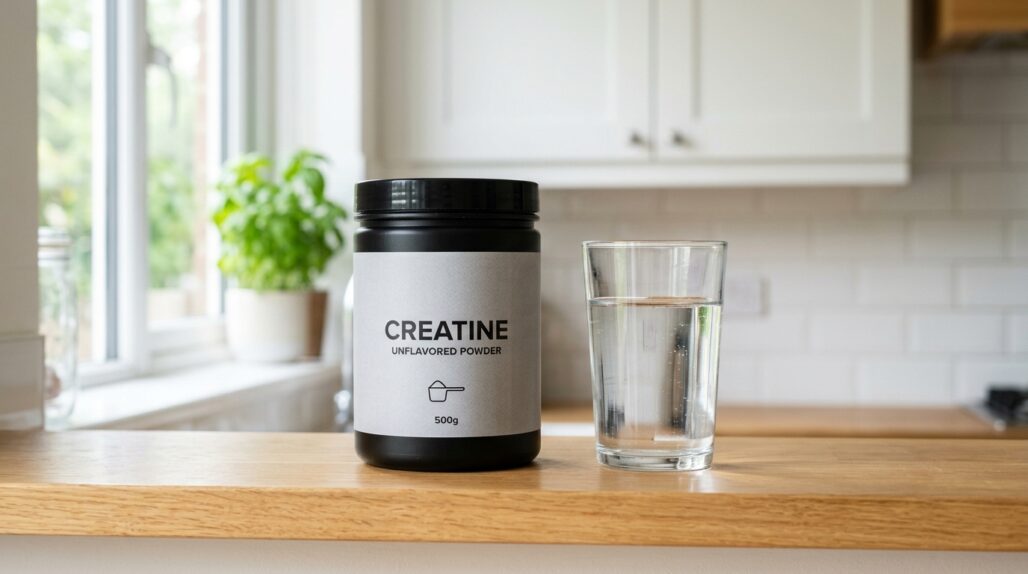
Naked does not advertise its creatine as Creapure. Creapure is a specific branded creatine monohydrate raw material made in Germany, and brands that use it almost always say so on the label because they are paying for the name. Naked's silence suggests it sources a generic monohydrate, not Creapure.
Here is why that does not change the verdict. Creatine monohydrate is a well-defined molecule. Reputable generic monohydrate and Creapure deliver the same 5g of the same compound, and the body cannot tell which factory it came from. Creapure's edge is tighter purity control and consistency, which matters at the margins, not in your results.
The ISSN position stand on creatine is blunt about this: creatine monohydrate is the most effective form for increasing exercise capacity and lean mass, and the standard maintenance dose is 3 to 5 grams per day. It does not say you need a premium source to get there.
So the practical read is simple. If a generic monohydrate is third-party tested for contaminants, it does the same job as Creapure for a lower price. Paying extra for Creapure buys you a sourcing pedigree, not a better outcome at the gym.
Third-party testing: read the NSF claim carefully
Naked states the product is NSF certified and independently third-party tested for heavy metals. That is a genuine quality signal, and it is more than many bargain creatines can say.
But there are two different NSF programs, and the gap matters:
- NSF certified (contents): tests that what is on the label is in the tub, and screens for contaminants like heavy metals and pesticides. It does not test for substances banned in sport.
- NSF Certified for Sport: adds lot-by-lot screening for around 290 banned substances. Per the NSF Certified for Sport program, this is the mark recognized by anti-doping bodies and major sports leagues.
For a recreational lifter, the contents-level NSF certification plus heavy-metal testing is plenty. It confirms purity and label accuracy, which is exactly what you want from a creatine.
For a drug-tested athlete, that is not enough. You need a tub confirmed as NSF Certified for Sport specifically, and you should verify the exact product and lot in NSF's online database rather than assume the "NSF" on a marketing page means the sport-level mark. When the label says only "NSF certified," treat it as contents-certified unless the Certified for Sport logo is clearly shown.
Cost per 5g: the value math
This is where Naked earns its reputation. The math is the whole story, so here it is laid out.
| Product | Source | Sport-level testing | Approx. cost per 5g serving |
|---|---|---|---|
| Naked Creatine | Generic micronized monohydrate (not labeled Creapure) | NSF contents certified; verify Certified for Sport | ~$0.18 to $0.21 |
| Nutricost Creatine | Generic micronized monohydrate | Third-party tested; not Certified for Sport | ~$0.22 to $0.27 |
| Thorne Creatine | Micronized monohydrate (source not specified; NSF Certified for Sport) | NSF Certified for Sport | ~$0.40 to $0.49 |
Prices are approximate as of writing – check current pricing before you buy, since tub size and retailer change the per-serving number.
The pattern is clear. Naked's 200-serving tub is one of the cheapest credible ways to get a clean 5g monohydrate dose. It undercuts even other budget generics, and it costs roughly half of what a Creapure-plus-Certified-for-Sport tub runs.
That premium is not nothing if you need the sport certification. But for the lifter who just wants tested creatine that works, paying double for Creapure is optional, not smart.
Who should buy it, and who should not
Buy Naked Creatine if you want the lowest sensible cost per gram of a clean, single-ingredient monohydrate. It suits home lifters, general gym-goers, and anyone topping up creatine for the well-documented strength and lean-mass benefits.
It is also a fair pick if you simply dislike additives. There is genuinely nothing in it but creatine, which is rare and worth something on its own.
Skip it, or buy a confirmed alternative, in two cases:
- You compete in a tested sport. Buy a tub explicitly carrying NSF Certified for Sport, such as Thorne, which we cover against Optimum Nutrition here. Do not gamble on an ambiguous "NSF certified" label.
- You want a recognized premium source. If a Creapure pedigree matters to you, the Momentous creatine review walks through what that markup does and does not buy.
One more option to ignore unless taste is a dealbreaker: gummies. They are pricey per gram and frequently under-dose, as our look at creatine gummies that actually contain creatine found.
Our value pick and the alternatives
For most people, Naked Creatine is the value pick: a clean monohydrate at a price that is hard to beat. If you need the sport certification or a Creapure label, the alternatives below cover those cases.


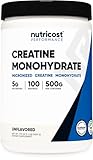
As an Amazon Associate, UsefulVitamins.com earns from qualifying purchases at no extra cost to you.
UsefulVitamins may earn a commission from purchases made through the links above, at no extra cost to you. This never affects our verdicts.
A quick way to choose between them:
- Cheapest clean monohydrate: Naked or a tested generic like Nutricost – both do the job.
- Drug-tested athlete: a confirmed NSF Certified for Sport tub.
- Want the Creapure name: a Creapure-labeled brand, accepting the higher cost per gram.
FAQ
Is Naked Creatine Creapure? Naked does not label its creatine as Creapure, which usually means it is a generic micronized monohydrate. That is fine – generic and Creapure deliver the same 5g of the same compound, so your results do not depend on the source.
How much creatine is in one serving? Each serving is 5 grams of creatine monohydrate, which matches the standard daily maintenance dose the ISSN supports. You can take it any time of day, with or without food.
Is Naked Creatine third-party tested? Yes. The brand states it is NSF certified and independently tested for heavy metals. Just note that “NSF certified” covers contents and contaminants, not the banned-substance screening that “NSF Certified for Sport” adds.
Do I need to do a loading phase? No. The ISSN position stand notes that a loading phase speeds up muscle saturation but is optional, and a steady 5 grams a day reaches the same stores over a few weeks with fewer side effects.
Is micronized creatine better than regular? Not for performance. Micronizing makes the powder finer so it mixes more smoothly and is less gritty, but it does not change how well the creatine works or absorbs.
Is the Creapure premium ever worth it? Mainly for a sourcing pedigree and, when paired with Certified for Sport, for anti-doping peace of mind. For everyday training, a tested generic like Naked gives you the same benefit for less.
The verdict
Naked Creatine does the one thing it promises: it gives you clean, single-ingredient micronized monohydrate at one of the lowest prices per 5g serving. The dose is right, the testing covers purity and heavy metals, and the powder is the same molecule sold by premium brands.
The honest call is that the Creapure premium is optional, not necessary. Paying double buys a recognized raw material and, on Certified for Sport tubs, banned-substance screening – real value for tested athletes, limited return for everyone else.
So if you are a general lifter, buy the larger Naked tub for the best cost per gram and move on. If you compete under anti-doping rules, skip the ambiguity and buy a confirmed NSF Certified for Sport creatine instead. Either way, take 5 grams a day, every day, and let consistency do the work.
This article is for general information only and is not medical advice. Supplements can interact with medications and health conditions; talk to your doctor or pharmacist before starting creatine, especially if you have kidney concerns or take prescription medication.
Reviewed by the UsefulVitamins Editorial Team.
