
Affiliate disclosure: this article contains affiliate links. As an Amazon Associate, UsefulVitamins.com earns from qualifying purchases at no extra cost to you.
Glutathione is the goal; the question is how you get there
Both of these supplements point at the same target. Glutathione is the small protein your liver and every other cell leans on to mop up oxidative damage and to help process drugs, alcohol, and metabolic byproducts. Run low on it and your cells get less protection. The marketing word for all of this is "detox," and we will come back to why that word is doing a lot of unearned work.
The real split is mechanical. NAC (N-acetylcysteine) is a building block. It hands your body the one amino acid it tends to run out of, and your cells assemble glutathione from there. Glutathione supplements give you the finished molecule. One asks your body to make more; the other tries to deliver it ready-made. That single difference drives the cost, the evidence, and who should reach for which.
So this is not a fight between a strong option and a weak one. It is a question of whether you trust your own liver to do the assembly (it is good at it) or whether you would rather pay to skip that step and accept the absorption headache that comes with swallowing a protein.
What NAC is and how it works
NAC is a slightly modified version of the amino acid cysteine. Cysteine is the rate-limiting piece of glutathione synthesis, which is a clinical way of saying your cells almost never lack the other two building blocks but often run short of this one. Give them cysteine and glutathione production climbs.
The clearest proof is not a wellness study at all. NAC is the standard hospital antidote for acetaminophen (paracetamol) overdose, where the danger is that the drug burns through the liver's glutathione and leaves toxic metabolites behind. NAC refills those stores fast enough to prevent liver failure when given in time. The NIH's LiverTox monograph on acetylcysteine lays this out and notes that NAC itself is not linked to liver injury – it is hepatoprotective, not hepatotoxic.
For everyday liver markers the picture is more measured. A systematic review and meta-analysis of controlled trials found NAC lowered bilirubin and raised albumin but did not consistently move ALT, AST, or ALP. Translation: it does real things, but it is not a magic eraser for liver enzymes in healthy people.
Evidence grade for NAC: strong and human. Decades of clinical use, a well-understood mechanism, and trials in actual patients. Not every endpoint is impressive, but the core claim (NAC raises glutathione) is about as settled as supplement science gets.
What glutathione is and how it works
Glutathione is a tripeptide – three amino acids, including the cysteine that NAC supplies. Taking it directly sounds like the obvious shortcut. The catch is your gut. Glutathione is a protein, and your digestive enzymes are built to take proteins apart, so a lot of a plain oral dose gets broken down before it reaches your bloodstream.
The older evidence reflects that. A frequently cited 2011 trial gave 500 mg of standard glutathione twice daily for four weeks and saw no rise in body glutathione or oxidative stress markers. For a long time that was the case against oral glutathione, full stop.
Newer formulations changed the conversation. The Sinha 2018 pilot, published in the European Journal of Clinical Nutrition, gave liposomal glutathione (500 to 1000 mg/day) and measured up to a 40% rise in whole-blood glutathione plus improved immune markers over a month. A 2026 randomized crossover bioavailability trial went further, showing micellar and liposomal forms delivered several-fold more glutathione into the blood than standard powder. Form is the whole story here.
Evidence grade for glutathione: moderate and form-dependent. Plain oral glutathione has weak support. Liposomal and S-acetyl versions have small but real human data behind absorption. What is missing is the next step: trials showing those higher blood levels translate into measurable "liver detox" outcomes. Nobody has shown that cleanly yet.
Head-to-head: precursor vs finished molecule
Strip away the labels and you are comparing a reliable, cheap way to make glutathione against a pricier way to deliver it that lives or dies on the delivery system.
| Factor | NAC | Glutathione (oral) |
|---|---|---|
| Best for | Reliably raising your own glutathione at low cost | Supplying the antioxidant directly if you use an absorbable form |
| Evidence | Strong, human, decades of clinical use as the acetaminophen antidote | Moderate and form-dependent; plain oral is weak, liposomal/micellar shows real absorption |
| Onset | Glutathione synthesis responds within hours; everyday benefits build over weeks | Blood levels rise within days to a week or two in trials of absorbable forms |
| Typical dose | 600 to 1,800 mg/day, often split, taken with or without food | 250 to 1,000 mg/day of a liposomal or S-acetyl form |
| Main downside | Mild GI upset, faint sulfur smell; uncertain US supplement status | Cost, and plain oral powder mostly gets digested before it works |
The honest read: NAC wins on evidence and value. It is the route with the most human data and the lowest price per gram of glutathione produced. Glutathione is not a loser, though. If you specifically want the molecule itself and you buy a form that absorbs, the recent trials say you can get it into your blood. You are paying a premium for a step your liver would otherwise handle for free.
One thing neither does: a dramatic, feel-it-that-day cleanse. Your liver detoxifies continuously whether you supplement or not. These support that machinery; they do not switch it on.
What "liver detox" actually means
This deserves its own beat because the category is built on a half-truth. Your liver, kidneys, and gut already clear toxins around the clock. No capsule "flushes" them, and a healthy liver does not need rescuing by a supplement. Glutathione is a genuine part of that process, so keeping stores topped up is reasonable, especially under oxidative load. But "detox" as sold – rapid cleansing, organ resetting – is not what is happening.
If you have actual liver concerns (fatty liver, hepatitis, raised enzymes, heavy alcohol history) or you are worried about an acetaminophen exposure, that is a clinician conversation and blood work, not a wellness purchase. Supplements are for support around the edges, not treatment.
Who should pick which
Pick NAC if you are evidence-and-budget minded, want the route with the deepest human track record, and are comfortable trusting your body to do the assembly. It is the default for most people and the better value.
Pick direct glutathione if you specifically want the antioxidant on board without the conversion step, you react poorly to NAC, or you simply prefer it – and you are willing to buy a liposomal or S-acetyl form and pay more. Skip plain oral glutathione powder; the older evidence says it largely does not survive digestion.
If you take a statin, blood thinner, nitroglycerin, or have any diagnosed liver condition, that detail outranks any preference above. Bring it to your clinician first.

Which one to buy


As an Amazon Associate, UsefulVitamins.com earns from qualifying purchases at no extra cost to you.
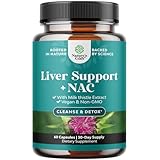
Heads up: the picks below are affiliate links, so we may earn a commission if you buy through them, at no extra cost to you. It does not change our verdict.
For most readers, our best NAC supplements roundup is the place to start, and the NAC dose calculator will help you land on a sensible daily amount rather than guessing. If you would rather take the molecule directly, compare absorbable options in our best glutathione supplements guide, and step back for the wider picture with our best supplements for liver health overview.
Can you take both together?
Yes, and the logic holds up. NAC pushes your own glutathione production while a liposomal or S-acetyl glutathione tops up the finished antioxidant. They are not redundant so much as two angles on the same goal. There is no known direct interaction between the two.
That said, do not treat "both" as automatically better. For many people NAC alone does the job, and adding glutathione mostly adds cost. The combo makes most sense if you are under real oxidative load and want belt-and-suspenders coverage.
Two safety notes worth respecting. NAC has mild blood-thinning and vasodilating effects, so the overlap to watch is with anticoagulants and with nitroglycerin, where additive effects can drop blood pressure. Glutathione supports the same antioxidant system, so stacking them is not dangerous on its own, but it is one more variable if you are already on medication. Anyone with liver disease, an acetaminophen concern, or symptoms like jaundice, dark urine, or persistent fatigue should see a clinician rather than self-treat. Never start or stop a prescription to make room for either of these.
If you are deciding across a broader stack, our liver health guide covers how these fit alongside other options.
FAQ
Is NAC or glutathione better for raising glutathione levels? NAC has the stronger and cheaper case. It supplies the rate-limiting building block and has decades of human data. Direct glutathione can raise blood levels too, but only in well-absorbed liposomal or S-acetyl forms.
Does oral glutathione actually get absorbed? Plain oral glutathione powder mostly gets broken down in digestion, and older trials showed no rise in body levels. Liposomal and micellar formulations do reach the blood in recent trials, so the form you choose decides whether it works.
How long until I notice anything? Glutathione synthesis from NAC responds within hours, and blood glutathione from absorbable oral forms rises within days to a couple of weeks. Any everyday benefit is subtle and builds over time, not overnight.
Can NAC and glutathione be taken at the same time? Yes. NAC builds glutathione and direct glutathione tops it up, with no known interaction between them. Watch the combination only if you take blood thinners or nitroglycerin, and check with your clinician.
Will either one detox my liver after drinking? No supplement flushes your liver. Your liver clears toxins on its own, and these support that system rather than reset it. Heavy alcohol use or liver symptoms need a medical evaluation, not a cleanse.
Is NAC safe to take daily? It is generally well tolerated at common supplement doses, with mild stomach upset the usual complaint. Its US supplement status has been in flux, and pregnancy use should be cleared with a clinician first.
The bottom line
For the practical goal of supporting your glutathione system, NAC is the stronger pick for most people: more human evidence, lower cost, and a mechanism that puts your own liver to work. Direct glutathione earns its place if you want the antioxidant itself and buy an absorbable form, but you pay more for a step NAC handles for less. Pick NAC if you are evidence-and-value first; pick glutathione if you want it ready-made and absorbable; and yes, you can take both, with a clinician check if you are on blood thinners, nitroglycerin, or managing a liver condition. Either way, "detox" is the marketing – your liver is the one doing the work.
This article is for general information and is not medical advice. Talk to a qualified clinician before starting any supplement, especially if you take medication, are pregnant or nursing, or have a diagnosed condition.
Reviewed by the UsefulVitamins Editorial Team.
