
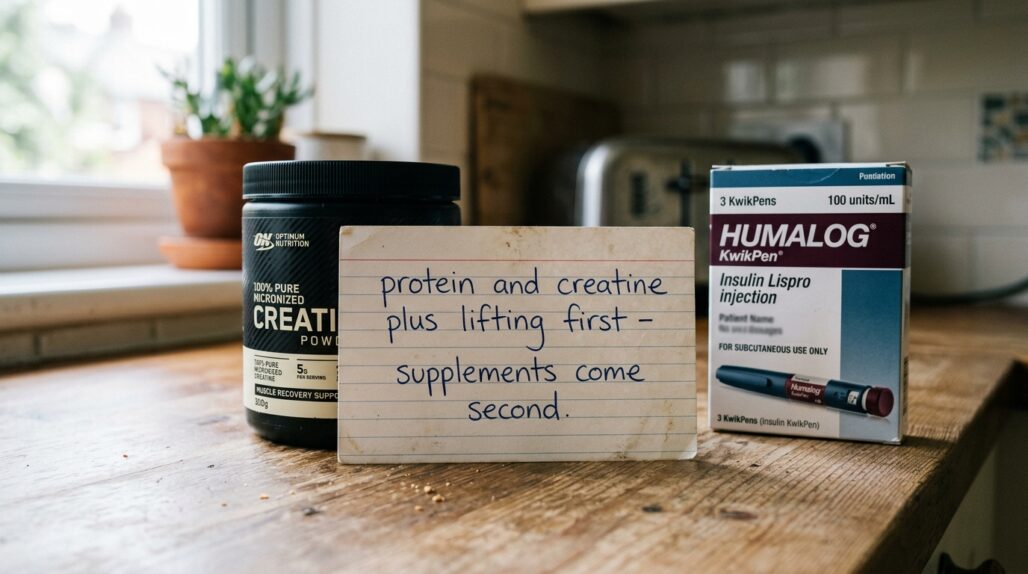
Affiliate disclosure: this article contains affiliate links. As an Amazon Associate, UsefulVitamins.com earns from qualifying purchases at no extra cost to you.
Before you decide
This article is general information, not medical advice for your specific case. Muscle, kidney, and hormone questions are individual, so dosing and "is this right for me" calls belong with your prescriber or a pharmacist.
The people who should pay closest attention are older adults, anyone losing weight very quickly, people who were already low on muscle, and those who barely eat on these drugs. Rapid loss plus low food intake is the setup that strips lean mass fastest.
One honest framing up front: no supplement reverses the muscle side of GLP-1 weight loss on its own. The supplements below support a foundation of food and training. They are not a substitute for it.
Does Ozempic actually cause muscle loss?
Some loss of lean mass happens with almost any meaningful weight loss, drug or not. The question is how much, and whether it is more than expected.
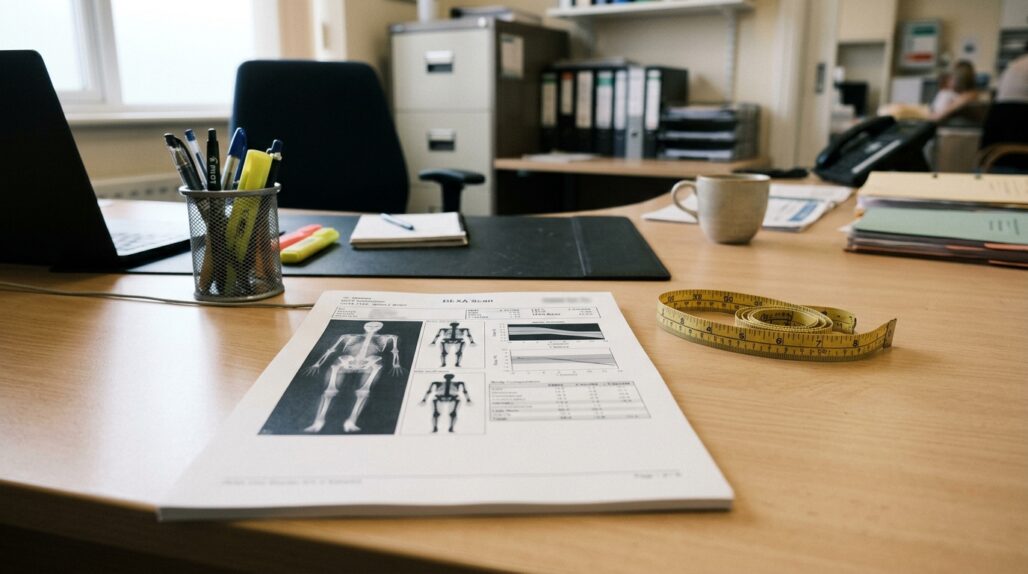
In the STEP 1 body-composition substudy of semaglutide 2.4 mg, participants lost about 15% of body weight over 68 weeks. Total fat mass fell roughly 19%, while total lean body mass dropped about 9.7%. Because fat fell faster than lean, the proportion of lean mass actually rose by around 3 percentage points.
Tirzepatide looks similar. In the SURMOUNT-1 DXA substudy, people lost about 21% of body weight over 72 weeks, and roughly 75% of that loss was fat while about 25% was lean mass – the same fat-to-lean split seen in the placebo group.
So "a quarter of the weight is muscle" is real, but read it carefully. That ratio is close to what you would expect from any rapid weight loss, and the relative amount of muscle on your frame can still improve. The drug is not selectively dissolving muscle. Eating too little and not training is what tips the balance the wrong way.
The practical worry is not the average trial result. It is the person who drops weight fast, eats almost nothing because nausea kills their appetite, and never picks up a weight. That combination is where lean mass really suffers.
Protein and resistance training: the part that actually works
If you only do two things, do these. Adequate protein and resistance training are the evidence-backed core of protecting lean mass during weight loss. Everything else is a small add-on.
On the training side, lifting tells your body the muscle is still needed, which is exactly the signal that is missing when you simply eat less. Two to three resistance sessions a week, working the major muscle groups, is a reasonable starting structure to discuss with a clinician or trainer.
On protein, research during energy deficits supports a higher intake than the basic 0.8 g/kg minimum. A frequently cited randomized trial in young men combined a calorie deficit with intense training and found the higher-protein arm gained lean mass and lost more fat than the lower-protein group. Reviews and expert panels commonly land in the 1.2 to 1.6 g/kg per day range for protecting muscle while losing weight, with older adults often toward the higher end. The NIH Office of Dietary Supplements likewise notes protein's role in supporting training adaptations.
Here is the GLP-1 twist: these drugs cut your appetite, so hitting a protein target gets harder right when it matters most. Many users do better front-loading protein early in the day, leaning on lean meat, fish, eggs, dairy, or a protein shake, and treating protein as the meal's anchor rather than an afterthought. Your exact number is best set by your clinician, especially if you have kidney concerns.
Creatine: the one supplement with real backing
If there is a single supplement worth considering for muscle on a GLP-1 drug, it is creatine monohydrate – and even then it works as a partner to training, not a replacement.
The International Society of Sports Nutrition position stand calls creatine monohydrate the most effective nutritional supplement for increasing high-intensity exercise capacity and lean body mass during training, with a long, reassuring safety record in healthy people. A separate meta-analysis in older adults found that creatine plus resistance training added lean tissue mass beyond training alone.
Two points keep expectations honest. Creatine builds muscle only when paired with the training stimulus; sprinkling it on top of no exercise does little. And some of the early scale change is water held inside the muscle, not pure tissue, though longer use reflects real gains.
A few practical notes worth raising with your pharmacist:
- The studied maintenance dose is about 3-5 g per day, taken consistently; the timing of day matters far less than taking it daily.
- A short "loading" phase is optional, not required, and can add to the nausea some GLP-1 users already feel.
- Plain creatine monohydrate is the cheapest and best-studied form. Fancier "advanced" versions rarely justify the price.
- Creatine can pull a little water into muscle, so staying hydrated is sensible, particularly if the drug already curbs your fluid intake.
People with kidney disease or kidney risk factors should clear creatine with a clinician first.
HMB, BCAAs, and collagen: weak or insufficient evidence
This is where the GLP-1 supplement aisle gets crowded with promises that the data do not back. Be skeptical.
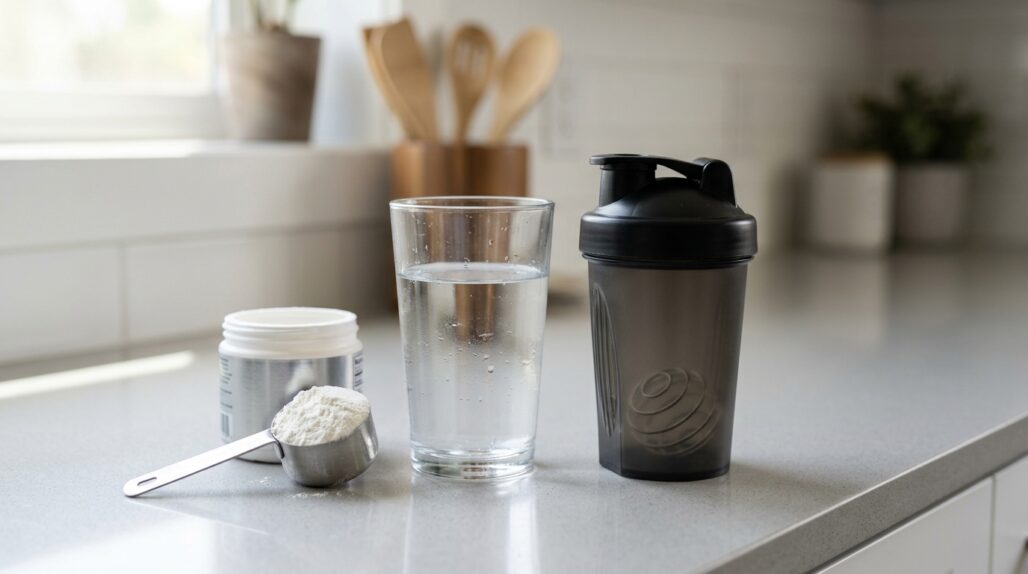
HMB is marketed hard for "muscle preservation." A systematic review and meta-analysis found any effect on muscle mass was small and only borderline statistically significant, with most studies carrying meaningful risk of bias. That is thin support for a premium-priced powder. It is not dangerous, but it is hard to justify as a priority.
BCAAs sell on the idea that branched-chain amino acids spark muscle growth. They do flip the signaling switch, but reviews of muscle protein synthesis show that without the full set of essential amino acids there is not enough raw material to build much. A normal serving of whole protein already contains the BCAAs plus everything else. Spending on BCAAs while short on total protein is backwards.
Collagen is popular for skin and joints, but it is a low-quality protein for building skeletal muscle and short on leucine. It does not earn a spot as a muscle-protection tool. If you like it for other reasons, that is fine, but do not let it crowd out real protein.
The pattern across all three is the same. The marketing outruns the evidence, and the money is better spent on protein you will actually eat and a gym membership you will actually use.
How the options stack up
| Option | Evidence for protecting lean mass | Typical studied amount | Worth it on a GLP-1? |
|---|---|---|---|
| Resistance training | Strong – the core defense | 2-3 sessions per week | Yes, do this first |
| Adequate protein | Strong during weight loss | Often 1.2-1.6 g/kg per day | Yes, set the number with a clinician |
| Creatine monohydrate | Good, alongside training | 3-5 g per day | Reasonable add-on |
| HMB | Weak, small and uncertain | ~3 g per day in studies | Low priority |
| BCAAs | Insufficient vs whole protein | Varies | Skip, eat protein instead |
| Collagen | Poor for muscle building | Varies | Not for muscle |
What to take, and how to keep it straight
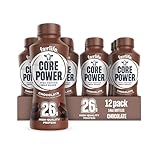
If you want a short list, it is protein you will actually consume, plus creatine monohydrate, layered on top of resistance training. Quality matters more than novelty here.


As an Amazon Associate, UsefulVitamins.com earns from qualifying purchases at no extra cost to you.
UsefulVitamins may earn a commission from purchases made through links on this page, at no extra cost to you. This never changes which products we recommend.
Because GLP-1 users often run several products at once – protein, creatine, electrolytes, a multivitamin – it is easy to lose track of doses and overlaps. You can log your full stack in a free tool like StackMyMed and bring the list to your pharmacist. It helps flag duplicates and conversation points; it does not replace clinical judgment.
One more rule worth repeating: do not stop your prescribed medication to "save muscle" without talking to the prescriber. Stopping abruptly can undo the metabolic and weight benefits you started the drug for, and the smarter move is usually to adjust food and training, not to quit. If muscle loss feels significant, that is a conversation to have, not a decision to make alone.
For the wider picture on GLP-1 nutrition and timing, see our guides on what supplements to take with Ozempic, the deeper look at supplements for GLP-1 muscle loss, workout recovery supplements, and the best electrolyte powder for GLP-1 users. You can also run any pairing through our drug-supplement interaction checker or browse the full interactions guide.
FAQ
Does Ozempic destroy muscle? No. It does not target muscle. As with most fast weight loss, around a quarter of the weight lost in trials was lean mass, and the proportion of muscle on your body can still improve. Eating too little and skipping training is what makes muscle loss worse.
How much protein should I eat on a GLP-1 drug? Research during weight loss commonly supports roughly 1.2 to 1.6 g per kilogram of body weight per day, sometimes higher for older adults. Your exact target should be set by a clinician, especially if you have kidney issues.
Is creatine safe to take with Ozempic? For most healthy people, creatine monohydrate has a strong safety record, and there is no known direct interaction with GLP-1 drugs. Clear it first if you have kidney disease, and tell your pharmacist about everything you take.
Are HMB or BCAAs worth buying to protect muscle? Probably not as a priority. HMB shows only small, uncertain benefits, and BCAAs lack the full set of amino acids that whole protein already provides. Spend on real protein and training first.
Will electrolytes or collagen help with muscle loss? Electrolytes help with hydration and side effects but do not build muscle. Collagen is a poor protein source for muscle. Neither replaces adequate total protein.
Should I stop the drug if I am losing muscle? Not on your own. Stopping can reverse the benefits you started treatment for. Raise the concern with your prescriber, who may adjust your plan rather than stop it.
Conclusion: train and eat first, supplement second
The muscle-loss worry on Ozempic is real but often misframed. Some lean mass comes off with any large weight loss, and the trial data look about normal rather than alarming. What separates a good outcome from a bad one is mostly food and training, not the contents of a supplement tub.
Get protein and resistance training in place, add creatine monohydrate if you want the one supplement with solid backing, and treat HMB, BCAAs, and collagen as optional. Then take your full stack to a pharmacist or prescriber, and never quit the medication to chase muscle without that conversation.
This article is for general education and does not replace personalized advice from a qualified healthcare professional. Talk to your doctor or pharmacist before starting, stopping, or combining any medication or supplement.
Reviewed by the UsefulVitamins Editorial Team.
