
Affiliate disclosure: this article contains affiliate links. As an Amazon Associate, UsefulVitamins.com earns from qualifying purchases at no extra cost to you.
Before you buy
Here is the thing most reviews bury: both of these products are built on plain creatine monohydrate at the same 5g dose. Transparent Labs uses Creapure, the German benchmark monohydrate; Thorne uses a micronized, multiply-verified monohydrate but does not publicly specify Creapure – and at 5g a day the monohydrate itself performs the same either way.
So this comparison is not really creatine vs creatine. It is plain creatine vs creatine-plus-HMB-and-vitamin-D, sold at very different prices. The whole decision comes down to whether that HMB is worth roughly triple the cost.
If you only want what works, the short version is that the research on HMB in trained lifters is weak. The interesting comparison is what you are actually paying for, and whether a tested athlete needs something neither tub advertises loudly enough.
What each product actually is
Transparent Labs Creatine HMB is a blend. Per scoop you get 5g of Creapure creatine monohydrate, 1,500mg of HMB (as calcium HMB, branded myHMB), 12.5mcg (500 IU) of vitamin D3, and a small 5mg dose of BioPerine black pepper extract. No artificial sweeteners or dyes, per the brand's official product page.
Thorne Creatine is the opposite of a blend. It is one ingredient, 5g of micronized creatine monohydrate, unflavored, nothing else. Thorne's pitch is purity and certification, not extras, as shown on its Thorne Creatine product page.
Both deliver the same 5g creatine dose, which is the textbook daily maintenance amount. So on the core ingredient, these two are tied. Everything that follows is about the add-ons and the price.
The HMB question, answered honestly
HMB (beta-hydroxy beta-methylbutyrate) is a metabolite of the amino acid leucine. The marketing pitch is that it reduces muscle breakdown and helps you recover. That sounds useful. The data is less generous.
A 2020 systematic review and meta-analysis found that HMB did not improve strength or body composition from resistance training in young subjects, per the meta-analysis published in Nutrients. A separate meta-analysis in trained and competitive athletes reached the same place: no significant effect on bench, leg press, or body mass.
Where HMB shows a small signal is in previously untrained people and some older adults – groups with more muscle to gain or more to protect. If you already lift seriously, you are not that group.
So here is the blunt read. If you are a trained lifter, the HMB in this product is unlikely to do anything you will notice. You are paying a premium for an ingredient whose strongest evidence applies to people who are not you.
The vitamin D is a fairer add-on. Many people run low on it, and 500 IU is a modest, safe top-up. But it is not a reason to buy a creatine product – a standalone vitamin D supplement costs a few dollars, and you can dose it to what your bloodwork actually needs.
Third-party testing and certification
This is where the two split in a way that matters for some buyers.
Thorne Creatine is NSF Certified for Sport. That is the strictest mainstream sports certification, screening for roughly 280 banned substances and verifying the label. It is confirmed on the public NSF Certified for Sport listing. If you compete in a tested sport, this is the certification that protects you.
Transparent Labs Creatine HMB carries Informed Choice / Informed Sport batch testing and publishes certificates of analysis. That is real, legitimate banned-substance screening, just a different program from NSF. For most recreational lifters either is plenty.
The practical difference:
- NCAA, military, pro, or Olympic-tested athletes often need the specific mark their organization recognizes, frequently NSF Certified for Sport. Check your governing body's list first.
- Recreational lifters are well covered by either certification and rarely need to think about it.
Both brands are more transparent than the category average. If certification is your deciding factor, Thorne's NSF mark is the safer default for tested competition.
Cost per 5g of creatine
Since the active creatine dose is identical, cost per serving is the cleanest way to compare. Prices below are approximate as of writing – check current prices before buying.
| Product | Creatine per serving | Add-ons | Certification | Approx. price | Cost per 5g creatine |
|---|---|---|---|---|---|
| Thorne Creatine | 5g monohydrate | None | NSF Certified for Sport | ~$44 / 90 servings | ~$0.49 |
| Transparent Labs Creatine HMB | 5g Creapure | 1.5g HMB + 500 IU vitamin D + BioPerine | Informed Choice / Informed Sport | ~$45-50 / 30 servings | ~$1.50 |
The gap is stark. Transparent Labs costs roughly three times as much per gram of creatine. That premium buys you HMB (weak evidence in trained lifters) and 500 IU of vitamin D (cheaper to buy alone).
If the math is what you came for, Thorne is the obvious value play, and a plain generic Creapure monohydrate can undercut even Thorne if you skip the certification.
Who should buy which
Let me route this clearly, because the answer genuinely depends on you.
Buy Thorne if you:
- Compete in a drug-tested sport and want the NSF Certified for Sport mark.
- Want proven 5g creatine for the lowest reasonable price.
- Prefer one clean ingredient and no flavoring.
Buy Transparent Labs Creatine HMB only if you:
- Specifically want the HMB plus vitamin D bundle and accept the evidence is thin.
- Are newer to training or older, where HMB has its best, still modest, case.
- Value the brand's published certificates of analysis and do not mind paying for them.
Buy something cheaper if you:
- Just want creatine that works and do not need any certification – a basic micronized monohydrate does the identical job for less.
For the broad audience of trained lifters reading this, the honest call is that you do not need the HMB, and the simplest, cheapest path to results is plain monohydrate.
How they fit into the bigger creatine picture
If you are still deciding on form, our breakdown of creatine HCl vs monohydrate explains why monohydrate stays the default – both products here use it, and they are right to. If you take a pre-workout, it is also worth knowing whether you can take creatine with caffeine in the same scoop.
Thorne also shows up in two other useful matchups. See how it stacks against a premium Huberman favorite in Thorne creatine vs Momentous, and against a mass-market staple in Thorne creatine vs Optimum Nutrition.
And if your real question is just whether the HMB bundle earns its keep, our dedicated take on whether Transparent Labs Creatine HMB is worth it digs into the formula on its own.
Our value pick and the cheaper alternative
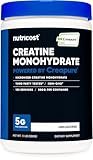
For most people, Thorne is the better buy, with the same creatine, the strongest certification, and a fraction of the per-serving cost.


As an Amazon Associate, UsefulVitamins.com earns from qualifying purchases at no extra cost to you.
UsefulVitamins is reader-supported. We may earn a commission when you buy through links on this page, at no extra cost to you. It never changes our verdict.
If even Thorne feels like more than you want to spend, a plain micronized Creapure monohydrate from a tested generic does the same job for less. The creatine inside is what matters, and on that front nothing here is special.
FAQ
Is the creatine in Transparent Labs and Thorne the same? Effectively yes. Transparent Labs uses Creapure, the German benchmark monohydrate, while Thorne uses a micronized monohydrate it does not publicly specify as Creapure. Both deliver the same 5g dose, so the creatine itself performs the same either way.
Does HMB actually build muscle? In trained lifters the evidence is weak – multiple meta-analyses found no meaningful effect on strength or body composition. HMB has a small case only in untrained or older people, not experienced gym-goers.
Why is Transparent Labs so much more expensive? You are paying for the HMB and vitamin D add-ons and the smaller 30-serving size, not for better creatine. Per gram of creatine it costs about three times what Thorne does as of writing.
Which one is better for a drug-tested athlete? Thorne, in most cases, because it is NSF Certified for Sport. Transparent Labs uses Informed Choice / Informed Sport batch testing, which is also legitimate – confirm which mark your sport’s governing body requires.
Do I need the vitamin D in the Transparent Labs version? Probably not as part of a creatine product. If your levels are low, a standalone vitamin D supplement is cheaper and lets you match the dose to your bloodwork.
Is creatine itself safe and effective? Creatine monohydrate is one of the most studied and well-supported sports supplements, as summarized by the NIH Office of Dietary Supplements. Talk to a clinician if you have kidney concerns.
The verdict
These two products share the same creatine, so the comparison is really about what gets stacked on top. Transparent Labs bundles HMB and vitamin D and charges a steep premium for it; Thorne keeps it to one certified ingredient and costs far less per serving.
The HMB is the deciding detail, and the research does not support paying for it if you already train hard. For most lifters, the smart move is Thorne, or an even cheaper plain Creapure monohydrate if you do not need the NSF mark. Save Transparent Labs Creatine HMB for the narrow case where you genuinely want the add-ons and accept they may do little.
Next step: decide whether you compete in a tested sport. If yes, buy the NSF-certified Thorne. If not, buy the cheapest tested monohydrate you trust and put the savings toward training.
This article is for general information and is not medical advice. Supplements can interact with medications and health conditions; talk to your doctor or pharmacist before starting creatine, HMB, or vitamin D, especially if you have kidney issues or take prescription medication.
Reviewed by the UsefulVitamins Editorial Team.
