
Back-to-school supplements can be worth considering when a child’s diet, sleep, or stress levels shift during the school season, but the “best” choice depends on your student’s age, diet quality, and specific needs. This guide breaks down what’s actually driving the back-to-school supplement boom, which categories parents buy most, and what research suggests about nutrients tied to attention, learning, and immune function. You’ll also get a practical, safety-first checklist to help you choose options that fit your child’s routine without turning every sniffle or late homework night into a new pill.
Affiliate disclosure: this article contains affiliate links. As an Amazon Associate, UsefulVitamins.com earns from qualifying purchases at no extra cost to you.
Summary / Quick Answer: What are the best back-to-school supplements for students?
The most useful back-to-school supplements are typically the ones that fill real dietary gaps or support predictable school-season challenges like sleep disruption and frequent colds.
Quick, parent-friendly shortlist (start here):
- Multivitamin: a “coverage” option if picky eating or busy mornings limit variety
- Vitamin D: common shortfall, especially with more time indoors
- Omega-3s (DHA/EPA): may support brain health and learning in some kids
- Probiotics: may help digestive comfort and immune function for some children
- Magnesium (food first, supplement if needed): may support sleep and stress in some kids
- Melatonin (short-term, with pediatric guidance): for temporary schedule shifts, not a nightly habit
Best next step: match the supplement to a specific goal (focus, sleep, immune support), then confirm the dose is age-appropriate and third-party tested.
Why back-to-school supplements are booming (and what it means for parents)
If it feels like every aisle has a “kids immune gummy” now, you’re not imagining it. Children’s supplements have grown faster than adult supplements in recent years, with gummies leading the category and liquids growing quickly too. A market analysis from the natural products industry reported that children’s supplement sales rose sharply in the early 2020s and continued climbing into 2022, with gummies representing the largest share of sales and liquids showing rapid growth in dollar volume, too, as summarized in this New Hope Network market analysis on children’s health supplements.
But growth doesn’t automatically equal need. The bigger story is why parents are buying them.
What’s driving demand during school season?
School brings predictable stressors:
- More exposure to germs in classrooms and sports
- Less sleep from earlier wake times and homework
- More selective eating because mornings are rushed
- More anxiety for some kids, especially during transitions
Those pressures push parents toward products that promise immune support, calm, or better sleep. Condition-specific categories like cold and flu support and sleep aids have been among the fastest-growing segments in children’s supplements, according to the same New Hope Network market analysis.
Visual: What’s popular in kids supplements right now?
Here’s a simple “what you’ll see most” map of the market:
| Category parents buy | Common formats | Common ingredients |
|---|---|---|
| Multivitamins | gummies, chewables | vitamins A, C, D, zinc |
| Probiotics | gummies, powders | Lactobacillus, Bifidobacterium |
| Sleep support | gummies, liquids | melatonin, magnesium, L-theanine |
| Cold and flu | syrups, gummies | elderberry, vitamin C, ivy leaf |
| Digestive support | gummies, powders | fiber, probiotics |
Taking this alongside other products? StackMyMed (our companion app) logs your full stack, finds the optimal timing for each dose, and flags interactions, so you are not tracking it all by hand.
Practical takeaway
Treat the aisle like a toolbox, not a menu. The goal is not “more supplements,” it’s the right tool for the right problem.
If your child is already eating well, sleeping well, and growing normally, the most evidence-based move may be skipping most add-ons and focusing on food routines. If you suspect gaps, a targeted plan can make sense, especially when school schedules change fast.
The most common back-to-school supplements (and what they’re meant to support)
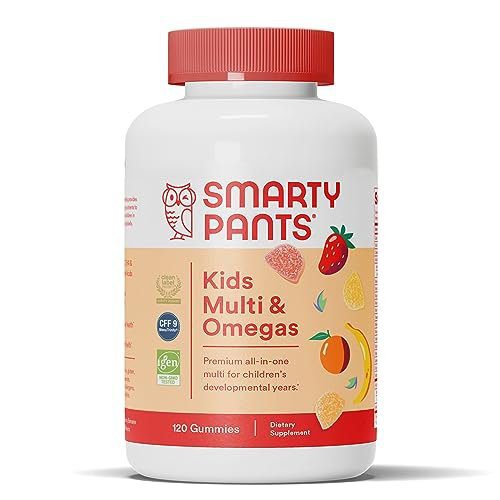
SmartyPants Kids Formula Daily Gummy Vitamins
These gummy vitamins provide a comprehensive multivitamin option for picky eaters, making them a great back-to-school supplement.
Check Price on Amazon →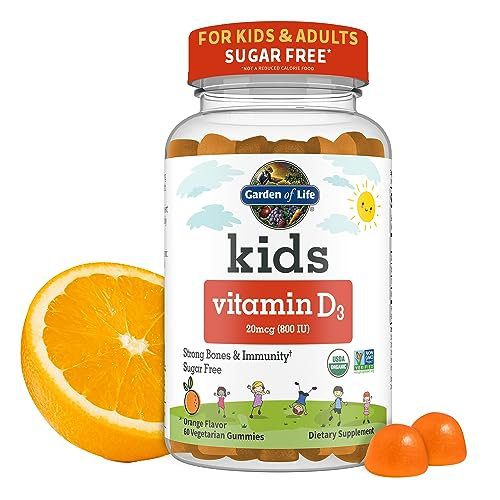
Garden of Life Kids Organic Vitamin D3 Gummy
Garden of Life Kids Organic Vitamin D3 Gummies earn a strong 4.6-star rating from over 12,000 Amazon reviews, praised for their kid-friendly orange flavor, sugar-free formula, and clean certifications like USDA Organic and Non-GMO Project Verified, delivering 800 IU of vitamin D3 daily for bone and immune support—ideal for parents seeking a reliable, tasty supplement despite the premium price.
Parents usually shop by problem: “We need fewer sick days,” “She can’t fall asleep,” “He’s spacing out in class.” The challenge is that supplement labels often blur the line between marketing and meaningful outcomes.
A helpful way to think about student vitamins and supplements is to group them by the school-season job they’re trying to do.
1) “Coverage” supplements: multivitamins and vitamin D
Multivitamins remain a top category because they’re simple. If breakfast is a granola bar three days a week, parents want a safety net.
Research has consistently shown that many children fall short on at least one micronutrient. One industry science summary cites data suggesting a large portion of U.S. school-aged children may be low in one or more vitamins or minerals, and links nutrition status with learning and health outcomes, as discussed in this Nordic Naturals overview on children’s nutrition and school performance. While brand blogs aren’t the same as a clinical guideline, the underlying point aligns with broader nutrition surveillance: gaps happen, especially with limited diets.
If you want a structured way to compare products, see our Best Multivitamins Comparison for what to look for on labels.
2) Immune-focused options: probiotics, vitamin C, elderberry
Immune support supplements are popular for obvious reasons: kids share everything, including germs.
- Probiotics may help reduce the risk or duration of some respiratory infections in children in certain settings, though results vary by strain and dose.
- Vitamin C is essential, but “more” isn’t always better if your child already eats fruits and vegetables.
- Elderberry is widely used, but clinical evidence in children is still limited and product quality varies.
For seasonal strategies beyond supplements, our Winter Immune Support guide covers food habits and routines that often matter more than any gummy.
3) Sleep support: melatonin and magnesium
Sleep products have surged. That makes sense: the first weeks of school can feel like jet lag without the plane ride.
Melatonin is the most common ingredient in kids sleep supplements. It may help with short-term sleep onset issues, especially for schedule shifts, but dosing and long-term use deserve extra caution. For safety and dosing guardrails, use the NIH Office of Dietary Supplements melatonin fact sheet as a reference, and talk with your pediatrician if it’s becoming a nightly need.
Magnesium is another common add-on for evening calm. If you’re considering it, our Magnesium Supplements For Kids breaks down forms, dosing discussions to have with your clinician, and food sources.
Visual: Match the supplement to the school-season goal
Use this “goal first” checklist:
- Picky eating, limited variety: multivitamin, vitamin D (if low)
- Frequent stomach complaints: probiotic trial (strain-specific), fiber from food
- Trouble falling asleep: sleep routine first, then magnesium or short-term melatonin with guidance
- Lots of colds: basics first (sleep, handwashing, protein), then consider vitamin D or probiotics
Practical takeaway
Avoid stacking products that do the same thing. A multivitamin plus a separate “immune gummy” often duplicates vitamins A, C, and zinc, pushing totals higher than you realize.
What the science says about supplements, learning, and attention
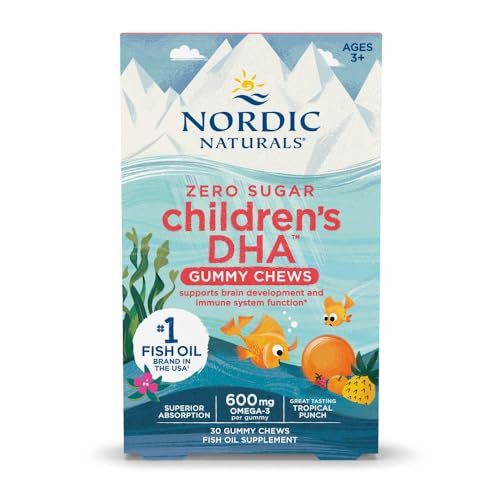
Nordic Naturals Omega-3 Gummies for Kids
Nordic Naturals Omega-3 Gummies for Kids earn a strong 4.6-star rating from over 12,000 Amazon reviews, with parents praising the fish-free taste that kids enjoy and high DHA content for brain health. Minor complaints about texture or taste in picky eaters exist, but overall quality from a reputable brand makes it a solid affiliate recommendation for parents seeking effective, palatable kids’ omega-3 supplements.
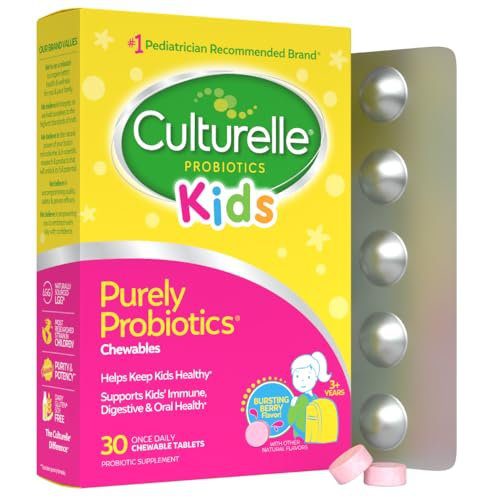
Culturelle Kids Chewables Probiotic
Culturelle Kids Chewables Probiotic earns a strong 4.6/5 rating from over 12,400 Amazon reviews, praised for its effective Lactobacillus GG strain in supporting children’s digestion and immunity with a palatable berry chewable. Minor cons like texture don’t detract from its value at ~$18, making it a reliable affiliate pick for parents seeking a clinically backed, kid-friendly probiotic.
Every parent wants a simple lever to pull for focus and grades. The truth is less exciting but more useful: brain performance depends on basics (sleep, breakfast, iron status, omega-3 intake, overall diet quality). Supplements may help most when they correct a real deficiency or support a child with limited intake.
Nutrients most connected to school performance
Research on micronutrients and cognition suggests a few patterns:
- Iron: Low iron can affect attention and learning, especially in adolescents and menstruating teens. Supplementation should be guided by testing because too much iron is harmful.
- Iodine: Essential for thyroid function and brain development. Gaps are less common in countries using iodized salt, but selective diets can change that.
- Vitamin D: Plays roles in immune and overall health; deficiency is common in some groups.
- Omega-3s (DHA/EPA): Some studies suggest benefits for attention or learning in certain children, but effects are modest and not universal.
- B vitamins and zinc: Important for metabolism and growth, but supplementation is most meaningful when intake is low.
A key point from the broader literature: micronutrient supplementation tends to show clearer benefits in populations with deficiencies. That’s one reason a “one-size-fits-all brain booster” rarely performs like the label implies.
Visual: “Deficiency-first” decision table for focus
| If your child has… | Consider discussing with clinician | Why it matters |
|---|---|---|
| Very limited diet (few food groups) | multivitamin, vitamin D | fills common gaps |
| Fatigue, pale skin, low appetite | iron testing first | iron deficiency can impair attention |
| Rarely eats fish | omega-3 | DHA supports brain structure |
| Frequent tummy issues | probiotic trial | gut discomfort affects school day |
Where do nootropics fit?
Parents sometimes ask about mushroom blends or “brain” formulas marketed to students. Evidence varies widely by ingredient and dose, and many products are formulated for adults.
If you’re curious about what’s out there and how to evaluate it, our Best Mushroom Nootropics guide explains which compounds have human data and which claims outpace evidence.
Practical takeaway
If focus is the issue, start with sleep duration, iron status, breakfast protein, and screen timing. Supplements are a second step, not the foundation.
Safety and smart buying: a parent’s checklist for back-to-school supplements
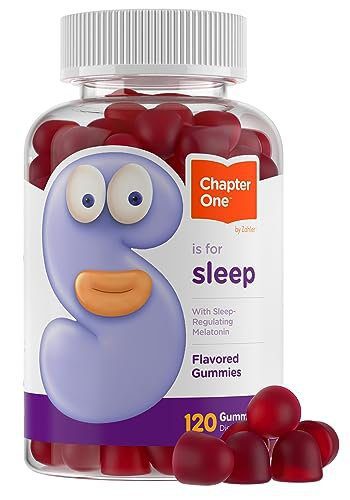
Zahler Kids Sleep Support Gummies
These gummies contain melatonin for temporary sleep support, ideal for children adjusting to school schedules.
Check Price on Amazon →The most important back-to-school decision isn’t which gummy to buy. It’s how to keep supplements from quietly creating new problems, like excessive dosing, sugar overload, or interactions with medications.
Think of this as your “label reality check.”
1) Choose the simplest product that fits the goal
If the goal is immune support, a child may not need a multivitamin, an immune gummy, an elderberry syrup, and a probiotic all at once.
Instead, pick one:
- A multivitamin if diet variety is low
- A probiotic if there’s a digestive or antibiotic-related reason
- Vitamin D if intake and sun exposure are low, or labs suggest deficiency
2) Watch the “hidden sugar” problem
Gummies are popular because kids will take them. The tradeoff is added sugars and the temptation to treat them like candy.
A practical rule: if your child is already getting sweet snacks in lunchboxes, consider a chewable tablet or liquid to reduce sugar exposure.
3) Look for third-party testing
Supplements are not regulated like medications. Look for independent quality programs that verify identity and purity. This matters most for:
- omega-3 oils (oxidation risk)
- herbal blends (ingredient variability)
- melatonin products (dose accuracy concerns)
4) Be extra cautious with melatonin
Melatonin can be useful for short-term schedule resets, but it’s not a substitute for sleep habits. If melatonin becomes nightly, it’s a signal to reassess bedtime routines, anxiety, screen use, or possible sleep disorders.
For evidence-based safety context, review the NIH Office of Dietary Supplements melatonin fact sheet, then bring questions to your child’s clinician.
5) Consider stress and anxiety support carefully
Back-to-school anxiety is real, and parents often look for “calm” supplements. Some ingredients may help in adults, but pediatric evidence is thinner and dosing is more sensitive.
If stress is a major theme this school year, our Best Supplements for Stress Relief & Anxiety article walks through commonly used options, what evidence exists, and which situations call for professional support instead of self-treating.
Visual: Back-to-school supplement safety checklist (printable-style)
- Confirm age range on label matches your child
- Check for duplicate nutrients across products (A, D, zinc, melatonin)
- Prefer third-party tested brands when possible
- Avoid “mega-dose” formulas unless prescribed
- Store like medicine, not snacks
- Reassess every 8 to 12 weeks: keep, adjust, or stop?
Practical takeaway
A supplement plan should get simpler over time, not more complicated. If your cabinet keeps growing, it’s time to step back and re-check the goal.
Conclusion: A simple, evidence-first back-to-school plan
Back-to-school supplements can play a role, especially when school routines expose weak spots like picky eating, low sleep, or frequent minor illnesses. The most consistent wins come from targeted basics: a well-chosen multivitamin if diet is limited, vitamin D when appropriate, omega-3s for low fish intake, and probiotics when there’s a clear digestive reason. Sleep aids like melatonin deserve extra caution and are best used short-term with guidance.
If you want to tighten up your approach, start by comparing multivitamin options in our Best Multivitamins Comparison, then build immune-season habits using Winter Immune Support. The goal is a school year with fewer disruptions, not a daily supplement pile-up.
As an Amazon Associate, I earn from qualifying purchases. Product recommendations are based on real reviews and independent research.
