
Affiliate disclosure: this article contains affiliate links. As an Amazon Associate, UsefulVitamins.com earns from qualifying purchases at no extra cost to you.
Dehydration sends hundreds of thousands of older adults to emergency rooms, and the cruel part is that the body stops warning you first. After 65, thirst arrives late, kidneys hold water less efficiently, and the pills in the weekly organizer quietly rewrite the fluid math. An electrolyte product can genuinely help here, or it can work directly against a prescription. The picks below are the ones we would set on our own parents' kitchen counters, and just as important, the ones we would take away.
Before you decide

This is the rare roundup where the warning section matters more than the picks. If you have chronic kidney disease, heart failure, cirrhosis, or any doctor-ordered fluid or sodium restriction, do not buy anything on this page without asking your care team first. Every product here exists to add sodium, potassium, or both to your day, and those are exactly the minerals your treatment plan is trying to control.
The same caution applies to anyone taking lithium. The NHS guidance on lithium is blunt: a low-sodium diet can raise the level of lithium in your blood, and how much fluid you drink directly affects it too. Deliberately changing your salt and fluid intake while on lithium is a prescriber conversation, not a shopping decision. Swings in either direction can push lithium levels out of the safe range.
Who this comparison is actually for: generally healthy people over 65 who get lightheaded in summer heat, take a diuretic or blood pressure medication and have been told to watch hydration, are recovering from a stomach bug, or simply drink too little because they never feel thirsty. If your organizer holds five or more prescriptions, read our guide to safe supplements when you take 5+ medications before this one. None of what follows is medical advice.
What aging actually changes about hydration

The thirst signal itself gets quieter, and this is measured, not folklore. In a classic New England Journal of Medicine experiment, researchers deprived healthy men aged 67 to 75 of water for 24 hours alongside younger controls. The older men reported markedly less thirst and drank less afterward, even though their blood sodium and osmolality had risen more than the younger men's. Their bodies were objectively drier and subjectively calmer about it. That mismatch is why an older adult can be two glasses behind by mid-afternoon and feel nothing unusual.
Kidneys change in parallel. With age they concentrate urine less effectively, so the same fluid deficit costs more, and total body water is lower to begin with, so each lost liter is a bigger fraction of the whole. MedlinePlus lists older adults first among groups at higher dehydration risk for exactly this reason: the sense of thirst fades, so people simply do not drink enough. Our complete guide to electrolytes covers the underlying sodium and fluid balance in detail; the short version is that after 65 the system runs with smaller reserves and a lazier alarm.
Then the medications stack on top. A 2015 pharmacology review catalogued how common prescriptions raise dehydration and heat-illness risk: diuretics drive fluid and electrolyte loss directly, anticholinergics and some psychiatric medications reduce sweating and blunt thirst further, and the danger climbs when a diuretic is combined with an ACE inhibitor or ARB. That diuretic-plus-ACE-inhibitor pairing is among the most common blood pressure combinations in this age group, and it is also the riskiest for dehydration. A 2016 Australian study of older veterans found hospital admissions for dehydration or heat-related illness occurred 2.79 times more often after people started that combination, the highest risk of any medicine class studied.
Notice what this does to the electrolyte question. The drug is designed to shed sodium and water on purpose. Adding concentrated sodium back can blunt the medication; failing to replace anything during a heat wave or a vomiting bug can tip you into the hospital admission the study counted. There is no label on any product that resolves that tension for you. Only the person who prescribed the pill can. If leg cramps are the symptom pushing you toward this aisle, our piece on muscle cramps, diuretics, and potassium explains why the answer there is usually a lab test, not a supplement.
When water alone is enough
Most healthy seniors on most days do not need any product on this page. If you eat normal meals, your urine runs pale yellow, and your days involve air conditioning rather than August yardwork, plain water on a schedule covers you. Food supplies far more sodium than most people realize, and a typical Western diet already runs above recommended sodium targets without any help from a powder stick.
The honest use cases are narrow: a gastro bug with vomiting or diarrhea, a heat wave without air conditioning, several hours of summer gardening or golf, or a clinician who has looked at your labs and told you to add fluids and electrolytes deliberately. Active seniors who walk 18 holes in the sun are a real category, and we wrote a separate guide to the best electrolytes for golfers for exactly that situation. The habit that beats every product is drinking on a schedule instead of on thirst, because the research above says your thirst will under-report. A glass with each meal and each medication round is a system that works with no purchase required.
Know the red flags before you need them. MedlinePlus is specific: confusion, fainting, little or no urination, rapid heartbeat, or rapid breathing alongside dehydration symptoms means get medical help right away, not a sports drink. New confusion in an older adult is an emergency, and dizziness every time you stand up is a call to your doctor this week, because it can signal low blood pressure, medication trouble, or sodium problems that a consumer product could make worse in either direction.
How to choose after 65

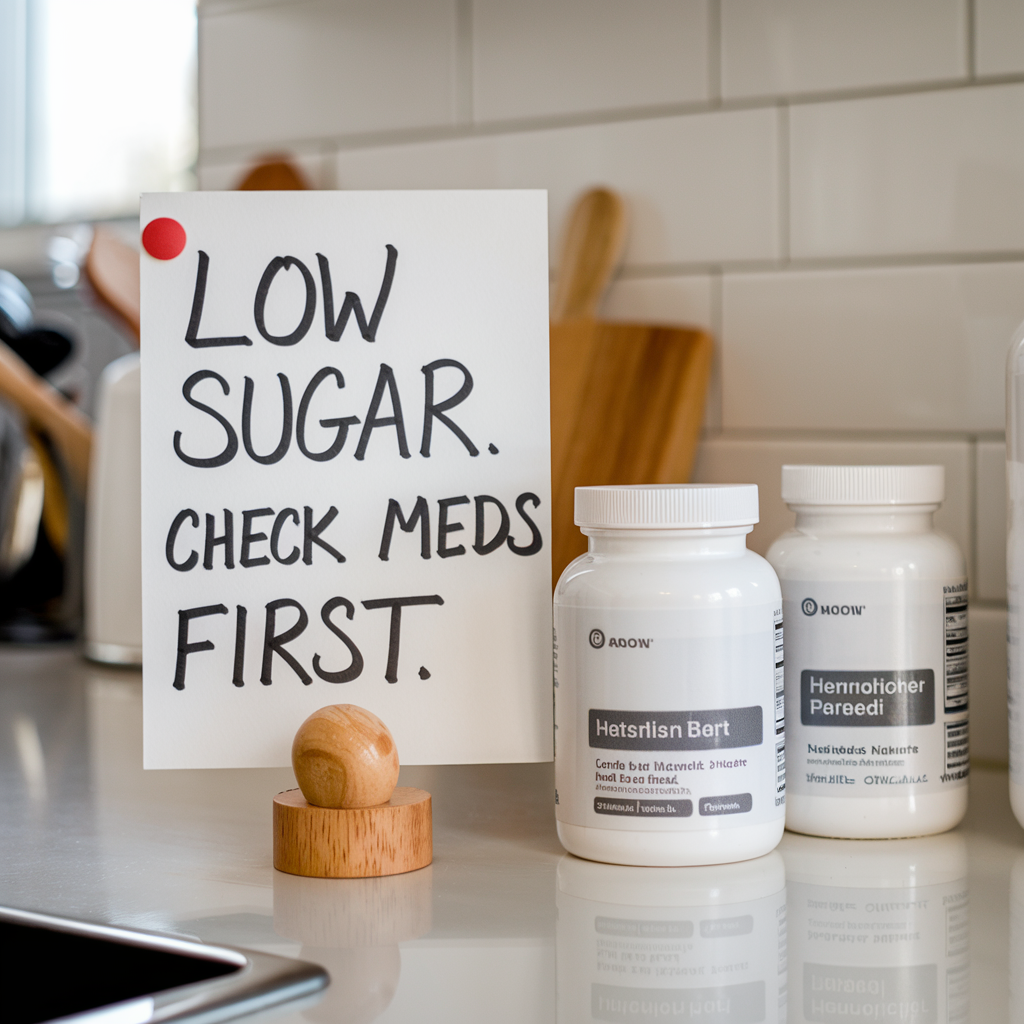
Start with the prescription list, not the label. Run every candidate product past your pharmacist, or at minimum through a reputable free interaction checker, with your full medication list in hand. A pharmacist consult is free, takes five minutes, and is the single highest-value step in this entire article. Ask one specific question: "I want to use this during hot weather or illness; does anything on my list change how I should?"
Then look at sodium per serving through a senior lens. For a young athlete, more sodium per stick reads as more value. After 65, with blood pressure medication in the picture, a moderate 300 to 400 mg serving you can take half of is more useful than a 1,000 mg stick you have to commit to. Smaller doses are easier to clear with a doctor and easier to titrate to how you actually feel.
Sugar matters more in this demographic than any other. Roughly a quarter of Americans over 65 have diabetes, and several popular hydration products carry 11 g or more of sugar per serving. If you watch your blood sugar, the field narrows fast to the zero and low-sugar options, and helpfully those now exist at every price point. Watch potassium too: several products pack 280 to 370 mg per serving, which is meaningful if you take an ACE inhibitor, ARB, or potassium-sparing diuretic, since those raise potassium on their own. Your prescriber may be entirely fine with it, but they should know it is in the glass.
Finally, weigh format honestly. Tablets that drop into any glass survive on a counter for months and require no measuring. Powder sticks need a full glass of water to hit their intended concentration, and half-used sticks clump. Ready-to-drink bottles cost more per serving but remove every step, which matters during illness when preparing anything feels like work.
The numbers side by side
Every figure below comes from the brand's own site or label pages as of August 2026. Where a brand publishes a number only inside a label image we could not read, we say so instead of guessing.
| Product | Format | Sodium | Potassium | Sugar / carbs | Price per serving |
|---|---|---|---|---|---|
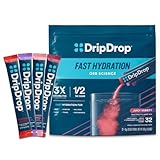
| DripDrop | Powder stick (8 oz) | 330 mg | 185 mg | 9 g carbs (glucose-based) | about $1.12 ($35.99 for 32) |
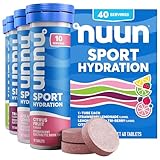
| Nuun Sport | Effervescent tablet | 300 mg | 150 mg | 1 g sugar | about $0.75 ($7.49 for 10) |
| Pedialyte Classic | Ready-to-drink (per 12 oz) | 390 mg (most flavors) | 280 mg | 5 g sugar (most flavors) | varies by retailer (1 L bottles) |
| Liquid I.V. Hydration Multiplier | Powder stick | 500 mg | 370 mg | 11 g sugar | about $1.56 ($24.99 for 16) |
| LMNT | Powder stick | 1,000 mg | 200 mg | 0 g | about $1.50 ($45 for 30) |
Top picks for seniors
DripDrop is our best overall because it is built on the logic doctors already trust. It follows oral rehydration solution principles: 330 mg of sodium paired with a small amount of glucose (9 g of carbs) that helps the gut absorb fluid, a mechanism hospitals have leaned on for decades. The moderate per-stick dose is the real senior feature, because it is small enough to run past a physician without alarm and easy to take as a half stick on lighter days. A Zero Sugar line exists for those watching glucose. Whether the medical framing justifies the price is the question we dig into in our full DripDrop review.
Nuun Sport is the value pick and the one most likely to become a habit. One tablet in a glass delivers 300 mg of sodium with a single gram of sugar for about 75 cents, and a tube lives happily next to the kettle for months. The fizz makes plain water more appealing, which quietly fixes the actual problem for many older adults: not electrolyte loss, just not drinking. The modest dose is a feature here, not a limitation.
Pedialyte Classic is the sick-day pick. When a stomach bug or a rough medication week has you unable to face food, a ready-to-drink bottle with 390 mg of sodium, 280 mg of potassium, and only 5 g of sugar per 12 oz (in most flavors) requires zero preparation. It is formulated for illness rather than sport, which matches how seniors most often become dangerously dehydrated. The potassium content is meaningful, so ACE inhibitor and ARB users should clear regular use with their prescriber.
Liquid I.V. is the taste-first option, with a big sugar caveat. The regular Hydration Multiplier delivers 500 mg of sodium and 370 mg of potassium but carries 11 g of sugar per stick, which is a lot for anyone monitoring glucose. The Sugar-Free line solves that with allulose, a sweetener that does not raise blood sugar, at about $21.84 per 16-stick pack as of August 2026. If flavor is what stands between you and drinking enough, this is the line most people finish.
LMNT is the outlier we only recommend with a doctor's explicit sign-off. One stick carries 1,000 mg of sodium and zero sugar, which suits a heavy-sweating 68-year-old cyclist who has cleared it with a cardiologist, and almost nobody else in this article's audience. That is more than 40 percent of a day's recommended sodium limit in one glass. For most people over 65, especially anyone with blood pressure numbers under management, the smaller-dose products above are the safer starting point.
What to look for when buying
Read the Supplement Facts panel, not the front of the pouch. The front sells "hydration"; the back tells you sodium, potassium, and sugar per serving, and those three numbers are the entire decision. Check the serving size line too, because some brands quote nutrition per 8 oz stick and others per 16 oz, which makes lazy comparisons wrong by half.
Skip anything with caffeine, "energy" claims, or a proprietary blend that hides amounts. Skip potassium-heavy formulas if you take an ACE inhibitor, ARB, or spironolactone, unless your prescriber approves. Prefer single-serve formats with visible per-serving numbers, third-party testing where offered, and a sugar line that matches your metabolic reality. And buy a small count first: flavor fatigue is real, and a $45 box of a taste you hate hydrates nobody.

As an Amazon Associate, UsefulVitamins.com earns from qualifying purchases at no extra cost to you. We only recommend products supported by published research or third-party testing.
FAQ
I take a water pill and lisinopril. Can I use electrolyte powders?
Only with your prescriber's or pharmacist's sign-off, and this is not boilerplate. Starting a diuretic plus ACE inhibitor combination carried the highest dehydration-related hospitalization risk of any medicine class in the Australian study above, and adding sodium works against what the diuretic is prescribed to do, while potassium-containing products stack on the ACE inhibitor's potassium-raising effect. Run the specific product through a free interaction checker, then confirm with a human pharmacist. Bring the label.
I have type 2 diabetes. Which picks have the least sugar?
LMNT is zero sugar (but high sodium, so clear it with your doctor), Nuun Sport has 1 g per tablet, and both Liquid I.V. Sugar-Free and DripDrop Zero are formulated without sugar. Pedialyte Classic at 5 g per 12 oz in most flavors is modest. The regular Liquid I.V. at 11 g per stick is the one to avoid if you track glucose closely.
I take lithium. Is any of this safe for me?
Treat every product here as prescriber-only territory. NHS guidance notes that lowering sodium intake can raise blood lithium levels, and fluid intake changes levels too, so deliberately shifting salt and fluids in either direction can move you out of the safe range. Dehydration itself concentrates lithium, which makes hot weather doubly risky. Your prescriber can tell you how to handle heat and illness on your specific dose.
Isn't Pedialyte just for sick kids?
No. It is an oral rehydration solution that happens to be marketed heavily for children, and its formula (1,080 mg of sodium per liter, with 280 mg of potassium and 5 g of sugar per 12 oz) is well matched to illness-related dehydration at any age. Many hospitals hand it to adults. For a senior recovering from a stomach bug, it is arguably the most appropriate product in this article.
What symptoms mean I should stop reading labels and call someone?
Get emergency help now for new confusion, fainting, little or no urination, or a racing heart, which MedlinePlus flags as signs of severe dehydration. Call your doctor promptly, this week and not this quarter, if you get dizzy when you stand up, because that pattern can point to blood pressure, medication, or sodium problems that need labs rather than a drink mix.
Do I need electrolytes every day just because I'm over 65?
No. Daily use without a specific reason mostly adds sodium your diet already over-supplies. The honest triggers are illness with fluid loss, sustained heat exposure, long outdoor exertion, or a clinician's instruction. For everything else, water on a schedule, meals eaten regularly, and pale yellow urine as your dashboard beat any subscription.
The bottom line
Aging turns hydration from an instinct into a system. The thirst alarm quiets down, the kidneys hold less in reserve, and the most common blood pressure prescriptions raise the stakes in both directions, which is why the same summer week that a 40-year-old shrugs off can hospitalize a 75-year-old. A modest, low-sugar electrolyte product has a real place in that system, for illness, heat, and long days outside. DripDrop fits the most seniors with its moderate ORS-style dose, Nuun Sport makes the habit cheap and easy, and Pedialyte owns the sick day. But the sequence is fixed: prescription list, pharmacist, then label. And if confusion, fainting, or standing dizziness ever enter the picture, the product on the counter is no longer the tool for the job. The phone is.
