
Dietary supplements can be helpful in the right context, but supplement safety is not guaranteed just because a product is sold in a familiar bottle or labeled “natural.” In the U.S., supplements are not approved before they hit shelves, and quality can vary widely between brands and even between batches. This article explains the most common safety risks – from hidden stimulants to inaccurate labels – and gives a practical checklist you can use in minutes. If you’ve ever wondered whether your multivitamin, melatonin, pre-workout, or herbal capsule is truly what it claims, start here.
Affiliate disclosure: this article contains affiliate links. As an Amazon Associate, UsefulVitamins.com earns from qualifying purchases at no extra cost to you.
Summary / Quick Answer: How to spot supplement safety red flags fast
The fastest way to improve supplement safety is to choose products that can prove what’s inside and avoid categories with the highest contamination and mislabeling rates.
Use this quick screen before you buy:
- Look for third-party certification (such as USP or NSF) and skip products without it when possible.
- Avoid proprietary blends that hide exact doses, especially in multi-ingredient formulas.
- Check the Supplement Facts panel for extreme dosing (for many nutrients, routinely exceeding 200% Daily Value can be a warning sign).
- Be cautious with weight loss, sports/performance, and some herbals, which are more likely to contain undeclared stimulants or contaminants.
- Don’t mix supplements with medications blindly – interactions are common and often under-discussed.
Quick decision table:
| If you see this… | Why it matters | Safer move |
|---|---|---|
| No independent testing seal | Quality is harder to verify | Pick a certified option |
| “Proprietary blend” | Doses are hidden | Choose full disclosure |
| Mega-doses + multiple actives | Higher side effect risk | Prefer simpler formulas |
| “Works like a drug” claims | Often linked to illegal ingredients | Avoid and report if needed |
Why supplement safety is harder than most people think
If supplements were regulated like prescription drugs, many of today’s problems would shrink quickly. But in the U.S., supplements generally enter the market without pre-approval. Under the Dietary Supplement Health and Education Act (DSHEA), regulators often have to act after harm is reported, not before products are sold. That gap helps explain why consumer confidence can stay high even while quality issues persist.
A large, eye-opening set of industry statistics compiled by WiFiTalents supplement industry data highlights common problems: adverse events reported each year, frequent label inaccuracies (especially online), and contamination or unlisted ingredients in a meaningful share of tested products. None of that means “all supplements are unsafe.” It means you should treat supplement shopping more like choosing a car seat than choosing a snack – standards and verification matter.
The core issue: “Not pre-approved” changes everything
Many shoppers assume a supplement has been vetted for safety and label accuracy before it reaches stores. In reality, the system is more reactive.
Here’s what that means in plain terms:
- Companies can launch products quickly, including complex blends and new combinations.
- Problems may surface only after widespread use, when adverse events or lab testing reveal issues.
- Online marketplaces add another layer of risk, since sellers and sourcing can be harder to track.
If you want a deeper look at the numbers behind these trends, the internal resource Vitamin And Supplement Industry Statistics breaks down key market and safety data in a reader-friendly way.
A simple mental model: supplements are more like “food plus” than “medicine”
Think of supplements as concentrated ingredients with variable oversight. Some are well-studied and consistently manufactured. Others are closer to a gamble, especially when they combine many actives or promise drug-like effects.
Visual checklist: “Risk rises when…”
- The product is multi-ingredient (especially blends for energy, weight loss, or performance)
- The label uses vague dosing language (proprietary blends, “matrix,” “complex”)
- The product is sold primarily through third-party online sellers
- The claims sound like treatment claims (“cures,” “works like Ozempic,” “melts fat fast”)
| Product type | Typical risk level | Why |
|---|---|---|
| Basic single nutrients (vitamin D, B12) | Lower | Easier to test and standardize |
| Multi-ingredient “all-in-one” blends | Medium to higher | More chances for dosing errors and interactions |
| Weight loss / pre-workout / “hardcore” boosters | Higher | Higher odds of stimulants and undeclared ingredients |
| Some herbals (varies by plant and sourcing) | Medium to higher | Contamination and variability risks |
Actionable takeaway: When you don’t truly need a complex blend, don’t buy one. Simpler products are easier to verify and safer to use correctly.
Supplement safety red flags on labels (and what they really mean)
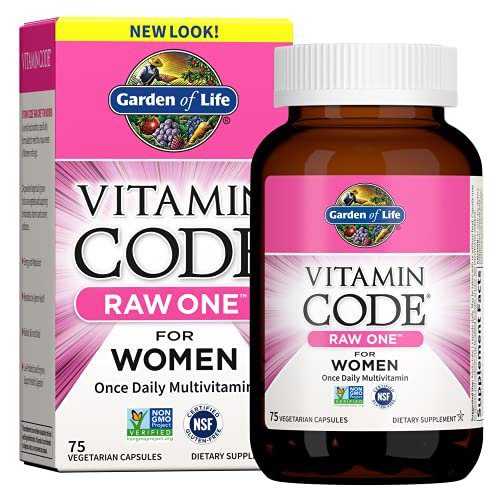
Garden of Life Vitamin Code Raw One for Women, Once Daily Women’s Multivitamin – 75 Capsules, One a Day Vitamins Whole Food Iron, Probiotics for Digestive Health, Gluten Free Vegetarian
Garden of Life Vitamin Code Raw One for Women is a once-daily vegetarian multivitamin with 75 capsules, delivering whole food nutrients including iron, probiotics for digestive health, and gluten-free formulation. It earns a Grade C safety rating from Health AI analysis of its 61 ingredients, with testing on a related Garden of Life prenatal product detecting lead, cadmium, and arsenic. While the brand claims third-party testing for contaminants, this raises a red flag for potential heavy metal exposure in raw whole food multis.
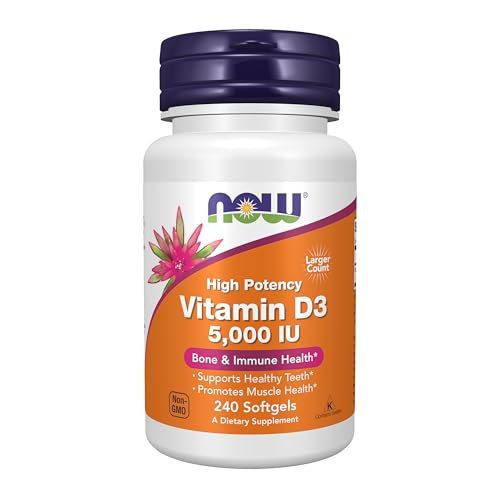
NOW Foods Supplements, Vitamin D-3 5,000 IU, High Potency, Structural Support*, 240 Softgels
NOW Foods Vitamin D-3 5,000 IU softgels deliver a high potency dose in a highly absorbable liquid form with clear labeling of ingredients like extra virgin olive oil and BSE-free bovine gelatin. The product includes standard cautions for adults only, avoiding excess dosage, and consulting a doctor for conditions like kidney disease or hypercalcemia, which supports safety awareness. With 240 softgels and transparent manufacturing details from a GMP facility, it aligns with watching for supplement red flags like unclear labeling or missing warnings.
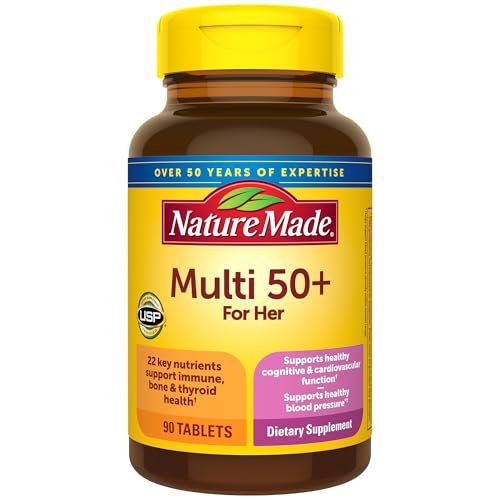
Nature Made Multivitamin For Women 50+ No Iron, Multivitamins for Women 50 Plus, Daily Nutritional Support, Nature Made Multi Vitamins, 90 Tablets, 90 Day Supply
This Nature Made multivitamin for women 50+ skips iron as recommended for that age group and carries USP verification, directly addressing supplement safety red flags around third-party testing for ingredients, potency, and manufacturing. It provides 22 key nutrients like Vitamins A, C, D3, B vitamins, calcium, and magnesium in 90 tablets for a 90-day supply. Gluten free with no artificial flavors or color added.
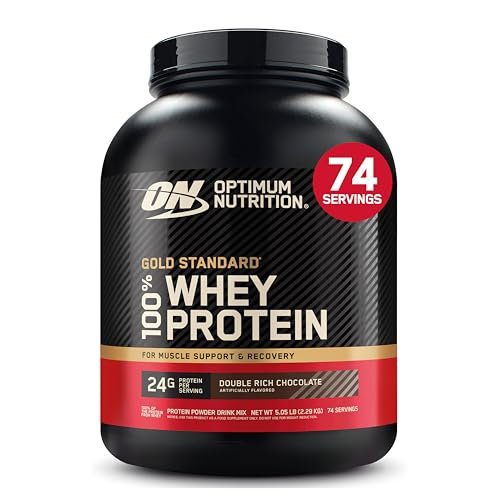
Optimum Nutrition Gold Standard 100% Whey Protein Powder, Double Rich Chocolate, 5 Pound (Packaging May Vary)
Optimum Nutrition Gold Standard 100% Whey Protein Powder in Double Rich Chocolate 5 Pound contains artificial sweeteners sucralose and acesulfame potassium, which some people report cause digestive distress, headaches, or blood sugar effects. It also has low lactose from whey that may upset sensitive stomachs, plus potential for bloating or acne at high doses. Stick to recommended servings and consult a doctor if you have dairy issues or sweetener sensitivities.
Labels can look professional and still hide important information. The goal is not to become a chemist in the aisle – it’s to recognize patterns that correlate with problems: hidden dosing, extreme dosing, stimulant stacking, and “borrowed trust” marketing.
One of the most consistent red flags is the proprietary blend. In a 2024 analysis of supplements used in military settings, researchers found a meaningful share used proprietary blends, and only a small fraction had third-party certification. The full paper in Military Medicine (2024 advance article PDF) is worth skimming if you want to see how common these patterns are in real products.
Red flag 1: Proprietary blends (hidden dosing)
A proprietary blend lists ingredients but not the amount of each one. That matters because dose determines both benefit and risk.
Why it’s a problem:
- You can’t tell if an ingredient is underdosed (unlikely to help) or overdosed (more side effects).
- You can’t compare products fairly.
- You can’t calculate totals if you take multiple supplements.
Better option: choose products that list exact milligrams for each active ingredient. The internal guide Supplement Quality Indicators: How to Choose Safe Products includes a practical label walk-through and what quality seals can – and can’t – tell you.
Red flag 2: “More is better” dosing (especially repeated daily mega-doses)
High doses are sometimes appropriate for short-term medical reasons, but routine mega-dosing can backfire.
What to watch for:
- Repeated daily intakes far above Daily Value, especially when you also get the nutrient from fortified foods
- “Mega” formulas that stack multiple nutrients at high levels
- Fat-soluble vitamins (A, D, E, K) in high doses, which can accumulate
A quick label scan method:
- Circle anything above 100% Daily Value.
- Flag anything above 200% Daily Value as “needs a reason.”
- Ask: “What problem am I solving, and is there a lab test or clinician recommendation behind this?”
Red flag 3: Stimulant stacking and “energy” blends
Stimulants are not automatically unsafe, but they’re commonly under-disclosed in blends and can combine in ways that raise heart rate, anxiety, insomnia, and blood pressure.
Common warning signs:
- Multiple “energy” ingredients (caffeine + yohimbine-like compounds + synephrine-type ingredients)
- Claims like “extreme,” “hardcore,” “thermogenic,” or “intense focus”
- Serving sizes that encourage doubling or “loading”
Visual: stimulant risk ladder
| Pattern | Example | Risk |
|---|---|---|
| Single stimulant, disclosed dose | Caffeine listed as X mg | Lower |
| Multiple stimulants | Caffeine + other stimulants | Medium to higher |
| Hidden stimulants | “Energy matrix” without amounts | Higher |
| “Fat burner” positioning | Thermogenic + appetite claims | Higher |
Actionable takeaway: if a product is designed to feel like a drug, treat it like one – assume higher risk and verify more aggressively.
Contamination, label inaccuracy, and online shopping risks
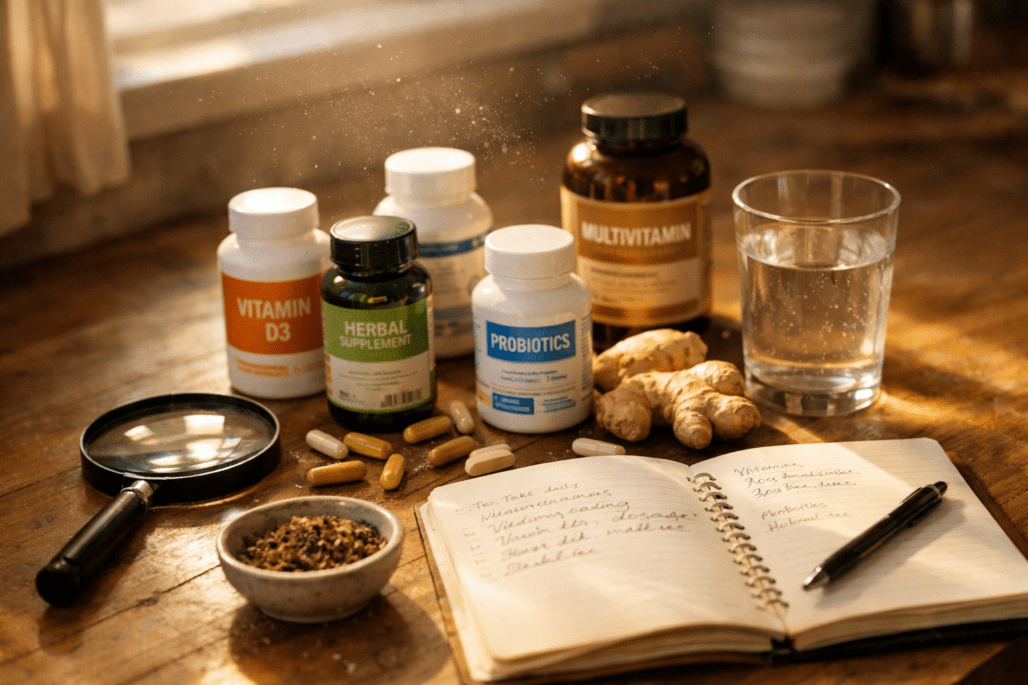
The most frustrating supplement safety issue is that even a “reasonable” ingredient can become risky if the bottle doesn’t match the label. This is where contamination (heavy metals, banned substances, pharmaceutical-like compounds) and mislabeling (wrong dose, missing ingredients) show up.
Market-wide summaries like the WiFiTalents supplement industry data repeatedly point to three recurring problems consumers should care about:
- Unlisted ingredients or contaminants in a notable share of tested products
- Label accuracy failures that are more common in online sales channels
- Category-specific risk, with weight loss, sports/performance, and some herbals showing more issues
Why online sales can be riskier
Online shopping isn’t inherently unsafe, but it increases the odds of:
- Third-party sellers with unclear storage conditions
- Gray-market imports with different standards
- Counterfeits of popular brands
Practical “safer online” checklist:
- Buy directly from the brand’s official store or a well-known retailer.
- Avoid listings with frequent seller changes, missing lot numbers, or vague manufacturer info.
- Prefer brands that publish batch testing or provide a Certificate of Analysis on request.
Category hotspots: where problems cluster
Not all supplement categories carry the same risk. Based on repeated enforcement patterns and published analyses, extra caution makes sense for:
- Weight loss products (higher risk of undeclared stimulants)
- Sports/performance supplements (higher risk of banned substances, especially from overseas markets)
- Some herbal products (contamination risk depends on sourcing and plant type)
- Melatonin (dose variability is commonly reported across brands)
Visual: “Risk by category” quick guide
| Category | Common issue | What to do |
|---|---|---|
| Weight loss | Undeclared stimulants | Avoid or choose certified products only |
| Pre-workout / performance | Stimulant stacking, banned substances | Choose NSF Certified for Sport or equivalent |
| Herbal blends | Contamination, variability | Prefer single-herb, tested products |
| Melatonin | Dose mismatch | Choose brands with third-party verification |
Actionable takeaway: If you buy from a high-risk category, make third-party certification non-negotiable.
Drug interactions and special populations: the most overlooked safety issue
A supplement can be “clean” and still be unsafe for you. The biggest reason is interactions with medications, medical conditions, pregnancy, upcoming surgery, or treatments like chemotherapy. Screening your own list with a free interaction checker is a quick first pass before you raise it with your clinician.
Cancer researchers and clinicians continue to warn that supplements do not broadly prevent cancer and can sometimes cause harm at high doses or in specific groups. A clear, consumer-friendly summary from Fred Hutch Cancer Center (2026) on supplements and cancer prevention explains why blanket “prevention” claims don’t match clinical trial outcomes and why disclosure to care teams matters.
Common interaction patterns to know
You don’t need to memorize biochemistry. Focus on a few practical patterns:
- Blood-thinning/bleeding risk: some supplements may increase bleeding tendency, especially around surgery or when combined with anticoagulants.
- Sedation: combining sleep aids or calming herbs with sedating medications can impair driving and increase fall risk.
- Liver metabolism (CYP enzymes): some botanicals can change how quickly drugs are cleared, raising side effects or reducing effectiveness.
- Stimulants + heart/blood pressure meds: can work against treatment goals.
Visual: “Should I check for interactions?” decision tool
| If you are… | Interaction check priority |
|---|---|
| Taking any prescription medication | High |
| Pregnant, trying to conceive, or breastfeeding | High |
| Managing heart disease, seizures, diabetes, or thyroid disease | High |
| Preparing for surgery or dental procedures | High |
| Undergoing cancer treatment | Very high |
For a practical next step, use the internal Drug-Supplement Interaction Checker and the more detailed guide Ultimate Drug Supplement Interactions. They’re designed to help you start the conversation with your clinician or pharmacist, not replace it.
A quick script for talking to your clinician (that actually works)
Many people don’t mention supplements because they expect judgment or a rushed visit. Try this instead:
- “Here’s everything I take weekly, including powders and gummies.”
- “Can you tell me if any of these interact with my medications or condition?”
- “If I only keep one or two, which matter most for my goals?”
Actionable takeaway: The safest supplement is the one your care team knows you take. Bring the bottles or screenshots to appointments.
A practical supplement safety checklist you can use in 5 minutes
Most people don’t need a “perfect” routine. They need a routine that is appropriate, verified, and unlikely to cause harm. Use the checklist below before you buy anything new – and again when you open a new bottle (because brands can change formulas).
Step 1: Confirm you actually need it
Start with the simplest question: what is this for?
Better reasons to supplement often include:
- A diagnosed deficiency (confirmed by labs)
- A dietary pattern that makes a nutrient hard to obtain (for example, B12 for strict vegans)
- A clinician-recommended short-term protocol
If you’re unsure what you need, the internal Supplement Needs Assessment Guide can help you narrow options and avoid buying “just in case” products.
Step 2: Choose verification over marketing
Look for credible third-party testing and transparent labeling.
Green flags:
- Third-party certification seal (USP, NSF, or similar)
- Full disclosure of ingredient amounts (no proprietary blends)
- Lot number, expiration date, and clear manufacturer info
- Conservative dosing that fits your goal
Step 3: Run the “high-risk formula” screen
Use this structured scan for any multi-ingredient product:
- Does it contain multiple stimulants?
- Does it exceed 200% Daily Value for several nutrients?
- Does it combine many botanicals with unclear dosing?
- Does it promise rapid weight loss, hormone changes, or drug-like effects?
If you answer “yes” to any, pause and verify more carefully.
Visual: 5-minute checklist (printable format)
| Check | Pass | Fail |
|---|---|---|
| Third-party certified | ☐ | ☐ |
| No proprietary blend | ☐ | ☐ |
| Doses are reasonable for daily use | ☐ | ☐ |
| No stimulant stacking | ☐ | ☐ |
| No major medication/condition conflicts | ☐ | ☐ |
Step 4: Start low, add one at a time, and track effects
When people run into problems, it’s often because they start three new products at once. If you add one supplement at a time, you can identify what helps, what doesn’t, and what causes side effects.
Simple tracking notes:
- Start date + dose
- Sleep, mood, digestion, heart rate changes
- Any headaches, rashes, unusual bruising, or jitteriness
Actionable takeaway: Treat new supplements like new foods for a sensitive stomach – introduce slowly, observe, and stop if something feels off.
Adding this to a few other supplements? Our companion app, StackMyMed, scans the label, tracks your real daily intake, and schedules the best time to take it around everything else in your routine.
Conclusion
Supplement safety comes down to three habits: verify what you’re buying, avoid hidden dosing and high-risk categories, and check interactions before problems start. The biggest wins usually come from choosing simpler formulas, prioritizing third-party certification, and keeping your clinician in the loop.
For next steps, compare your current products against the checklist in Supplement Quality Indicators: How to Choose Safe Products and run any medication combinations through the Drug-Supplement Interaction Checker. If you only change one thing this week, make it this: stop taking any product with a proprietary blend unless you have a clear reason and a verified brand.
As an Amazon Associate, I earn from qualifying purchases. Product recommendations are based on real reviews and independent research.
