
Joint pain can make simple things – stairs, jars, even sleep – feel like a daily negotiation. If you’re searching for the best supplements for joint pain, the most evidence-backed options tend to fall into two buckets: cartilage-supporting compounds (like glucosamine sulfate and chondroitin) and anti-inflammatory botanicals (like Boswellia and curcumin). This article breaks down what research says works best for osteoarthritis-style joint pain, what doses are actually used in studies, how long to try a supplement before judging it, and what to watch for with medications.
Affiliate disclosure: this article contains affiliate links. As an Amazon Associate, UsefulVitamins.com earns from qualifying purchases at no extra cost to you.
Summary / Quick Answer: best supplements for joint pain
For most people with osteoarthritis-related aches, the best supplements for joint pain are the ones with the strongest human evidence for reducing pain and improving function.
Most evidence-supported picks (start here):
- Boswellia serrata extract (standardized, like Aflapin or 5-Loxin): often ranks highly for pain and stiffness in knee OA.
- Glucosamine sulfate (GS): may reduce pain in some people and may modestly slow joint space narrowing in longer studies.
- Chondroitin sulfate (CS): tends to show pain and function benefits, especially for knee OA.
- Curcumin (turmeric extract): may help pain and function when taken in an absorbable form.
Quick “how to use” rule: Track pain, stiffness, and walking tolerance for 6-12 weeks, then keep what helps and stop what doesn’t.
What joint pain supplements can (and can’t) do
If you’ve ever tried a joint supplement and felt nothing, you’re not alone. Joint pain is not one condition. Knee osteoarthritis, hip OA, tendon irritation, post-workout soreness, and autoimmune arthritis can feel similar but behave very differently.
Most supplements that “work” do so by nudging inflammation down or supporting cartilage chemistry over time – not by shutting pain off the way NSAIDs can.
The most common target: osteoarthritis (OA)
OA is often described as “wear and tear,” but that’s only part of the story. It involves cartilage breakdown, low-grade inflammation, and changes in bone and joint lining. Pain can show up in knees, hips, hands, and spine, and stiffness often feels worst after sitting.
A large review of randomized trials summarized in a PubMed Central review on osteoarthritis nutraceuticals highlights a key reality: effects are usually modest, but safety is often better than long-term NSAID use for many people.
What “success” looks like (use this checklist)
Before you start anything, pick 2-3 measurable outcomes. Otherwise, it’s easy to spend money and stay unsure.
Simple tracking metrics (weekly):
- Morning stiffness duration (minutes)
- Pain score (0-10) at the same time daily
- Steps or walking time before pain starts
- “Functional win” (stairs, squats, grip strength)
Visual: 6-12 week supplement trial plan
- Week 0: baseline scores + current meds/supplements
- Weeks 1-2: start one supplement (lowest effective dose)
- Weeks 3-6: hold steady, avoid adding new variables
- Weeks 7-12: decide keep/stop based on tracked outcomes
Safety reality check (especially if you take meds)
Even “natural” products can interact with medications or affect bleeding risk, blood sugar, or liver enzymes.
Actionable step: if you take anticoagulants, diabetes meds, or chronic NSAIDs, review a supplement plan with your clinician and scan the basics in this guide to nutrient interactions.
Best supplements for joint pain (ranked by evidence for OA)
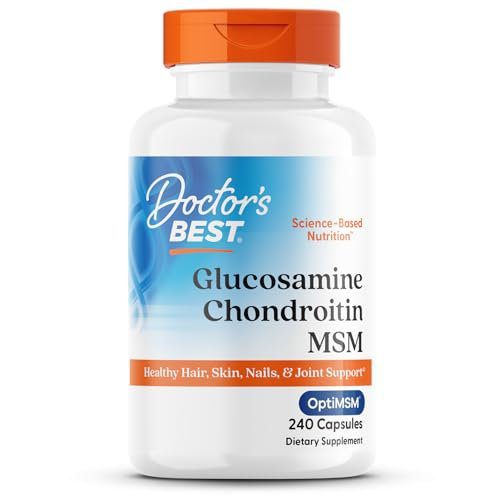
Doctor’s BEST Glucosamine Chondroitin MSM – Joint Health Support Supplement for Women & Men, Nutritional Support for Joint Strength, Hair, Skin, & Nails, Gluten Free, Non GMO – 240 Capsules
This 240-capsule formula delivers 1,500 mg glucosamine, 1,200 mg chondroitin, and 1,000 mg MSM per 4-capsule serving—the combination most studied for joint cushioning and mobility. The non-GMO, gluten-free veggie capsules also support hair, skin, and nails.
Most people want a simple list. The better question is: which supplements have the best combination of human data, realistic dosing, and product standardization?
Below are the options that consistently show up in higher-quality reviews for osteoarthritis-type joint pain, especially knee OA.
1) Boswellia serrata (standardized extracts)
Boswellia is one of the most consistent botanical options for OA. In a 2025 review and meta-analysis summarized for consumers by AARP’s evidence overview on supplements for joint pain, a standardized Boswellia extract (Aflapin) ranked at the top for pain reduction and near the top for stiffness.
A more detailed look at clinical data in a PubMed Central review of OA nutraceutical trials also notes improvements in pain and function, with changes in inflammatory markers in some studies.
What to look for on a label:
- Standardized extract names (Aflapin, 5-Loxin, AKBA-standardized)
- Clear mg dose per serving
- Third-party testing where possible
Typical study dosing: often 100-250 mg/day for certain standardized extracts, though products vary.
2) Glucosamine sulfate (GS) and chondroitin sulfate (CS)
Glucosamine and chondroitin are the classic “cartilage supplements.” They do not work for everyone, and results vary by product form and study quality, but they still have a meaningful body of evidence.
A 2024 meta-analysis of randomized trials discussed in AARP’s joint supplement summary found:
- Chondroitin reduced pain and improved function in knee OA
- Glucosamine showed signals for slowing joint space narrowing in longer-term data (a proxy for cartilage preservation)
The form matters. Many clinicians and organizations suggest glucosamine sulfate rather than glucosamine hydrochloride when people choose to try it. The Arthritis Foundation’s supplement guidance discusses practical considerations and cautions for common joint supplements.
Reality check: some expert summaries remain skeptical due to mixed results across trials and brands. For example, GoodRx’s review of arthritis supplements explains why many guidelines do not strongly recommend these across the board.
3) Curcumin (turmeric extract), not plain turmeric powder
Turmeric is a spice. Curcumin is the concentrated active fraction studied for inflammation signaling (NF-kB and related pathways). If a supplement doesn’t provide a standardized curcuminoid amount or an absorption strategy, it may underdeliver.
Consumer summaries like AARP’s joint pain supplement overview and practical guidance from the Arthritis Foundation often note that curcumin extracts are preferred over culinary turmeric for joint symptom support.
Typical dosing used in studies: often around 500 mg twice daily, commonly taken with food and an absorption aid (like piperine or a lipid-based form).
If you want a brand-form checklist, see this guide to the best turmeric curcumin supplements for what “absorbable” actually means on a label.
Visual: quick comparison table (evidence + what to expect)
| Supplement | Best for | What you may notice | When to reassess |
|---|---|---|---|
| Boswellia (standardized) | Knee OA pain + stiffness | Less stiffness, easier movement | 2-6 weeks |
| Glucosamine sulfate | Some OA pain, possible structure support | Gradual symptom shift | 8-12 weeks |
| Chondroitin sulfate | Knee OA pain + function | Slight pain drop, better function | 8-12 weeks |
| Curcumin extract | Inflammatory joint discomfort | Pain and function improvements | 4-8 weeks |
Actionable takeaway: choose one primary supplement first (often Boswellia or curcumin for symptom relief), then consider adding a cartilage-support option if needed.
How to choose the right formula (and avoid common label traps)
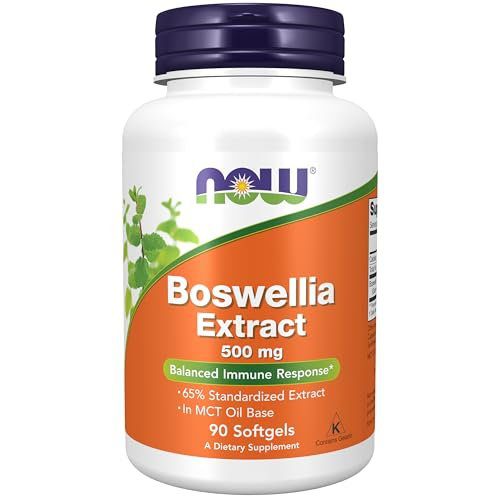
NOW Foods Supplements, Boswellia Extract 500 mg in MCT Oil Base, Balanced Immune Response*, 90 Softgels
NOW Foods Boswellia Extract delivers 500 mg per softgel in an MCT oil base, formulated for balanced immune response. Boswellia extract supports healthy tissues by targeting enzymes linked to inflammation from daily wear. With 90 softgels, it provides a month’s supply at standard dosing.
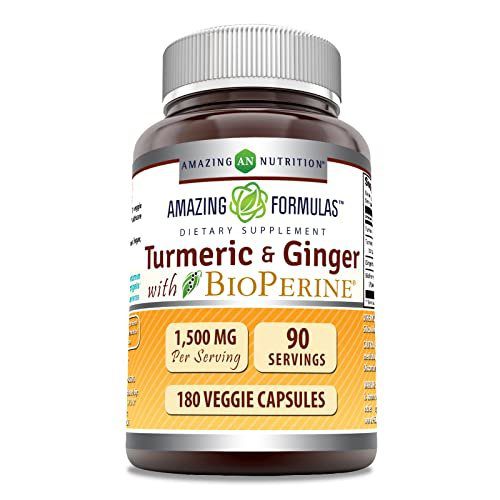
Amazing Formulas Turmeric Curcumin & Ginger with BioPerine Supplement | 1500 Mg Per Serving | 180 Veggie Capsules | Non-GMO | Gluten Free | Made in USA | Ideal for Vegetarians
Nature’s Nutrition Turmeric Curcumin with BioPerine (ASIN B077W2HVY9) is a strong affiliate pick with 4.6 stars from over 12,400 Amazon reviews, praised for potent 1500mg dose enhanced by BioPerine for superior absorption, effectively easing joint pain and inflammation at an affordable $18.99 for 90 veggie capsules. While lacking third-party testing, consistent user feedback highlights its value over pricier competitors, making it ideal for those seeking budget-friendly anti-inflammatory support.
Most “joint support” products fail for two reasons: the dose is too low, or the ingredients are the wrong form. The front label can look impressive while the Supplement Facts panel tells a different story.
Start with the goal: symptom relief vs. cartilage support
Think of it like two levers:
- Fastest symptom lever (weeks): Boswellia, curcumin
- Slow structural lever (months): glucosamine sulfate, chondroitin
If your main issue is morning stiffness and soreness after activity, you may prioritize anti-inflammatory options first. If you’ve had imaging-confirmed OA and want a longer trial, cartilage-support compounds may be worth a structured test.
What “standardized” really means (and why it matters)
Botanicals are not one ingredient. Their active compounds vary by extraction method.
Better label signs:
- “Standardized to X% boswellic acids” or named extracts (Aflapin, 5-Loxin)
- “Curcuminoids X mg” plus an absorption method
- Clear form naming: “glucosamine sulfate” not just “glucosamine”
Red flags:
- Proprietary blends that hide individual doses
- “Turmeric powder” as the main ingredient with no curcuminoid standardization
- Mega-multi formulas that sprinkle tiny amounts of everything
Visual: supplement shopping checklist (save this)
- Does it list the exact form (GS vs HCl, curcuminoids vs turmeric)?
- Is the dose close to what studies use?
- Any third-party testing (USP, NSF, Informed Choice, GMP)?
- Does it fit your meds and conditions (bleeding risk, diabetes, GERD)?
- Is it a 6-12 week trial plan, not an open-ended habit?
If you want a step-by-step plan that layers supplements in a sensible order, follow this joint pain supplement protocol and adapt it to your symptoms and budget.
Smart combinations, timing, and how long to try each supplement
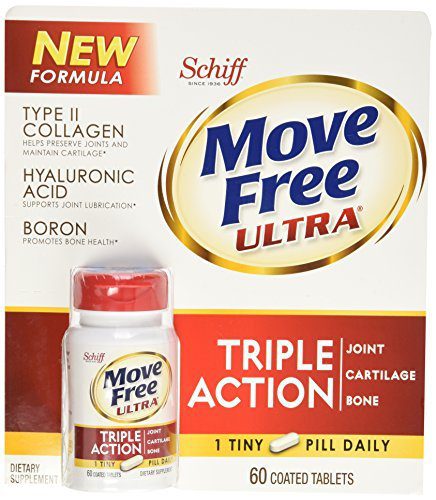
Schiff Move Free Ultra (60 ct.)
Schiff Move Free Ultra (60 ct.) is a joint supplement with triple action formula in coated tablets, taken as one tiny pill per day. User feedback shows it helps some with minor knee pain and mobility after consistent use, but it’s not strong enough for serious joint issues or arthritis. Mixed results mean it works for mild problems in lighter, easy-to-swallow form, with some digestive side effects reported.
People often ask, “What’s the best stack?” The honest answer is: combinations can help, but only if each ingredient is dosed well and you give it enough time.
Combination evidence: where stacks may make sense
Some research suggests certain combinations outperform single ingredients for pain outcomes. In the clinical literature summarized in the PubMed Central review on OA nutraceuticals, combinations involving glucosamine plus other agents (including omega-3s, MSM, or even ibuprofen in some trials) showed larger standardized improvements in pain scores than glucosamine alone. That doesn’t mean everyone needs a combo, but it supports why some people report better results with multi-ingredient formulas.
Practical approach (lowest complexity first):
- Start with Boswellia or curcumin for symptom relief
- Add glucosamine sulfate and/or chondroitin if OA is confirmed and you want a longer trial
- Consider MSM or omega-3s if inflammation or exercise soreness is a major driver
Timing tips (simple, not fussy)
- Curcumin: take with a meal that contains fat. Many people split doses (AM/PM).
- Boswellia: often taken once or twice daily with food, depending on product.
- Glucosamine/chondroitin: consistency matters more than time of day.
How long should you test before quitting?
Joint supplements are slow by nature. Stopping after 10 days is like judging a strength program after two workouts.
Reasonable trial windows:
- Boswellia: 2-6 weeks
- Curcumin: 4-8 weeks
- Glucosamine/chondroitin: 8-12 weeks
Visual: “keep or stop” decision guide
Keep a supplement if you see at least one of these:
- 1-2 point drop on a 0-10 pain scale
- Noticeably shorter morning stiffness
- Increased walking tolerance or better stair comfort
- Reduced need for rescue NSAIDs (with clinician approval)
Stop if:
- No measurable change by the end of the trial window
- Side effects (GI upset, headaches, rash)
- You need to add multiple pain meds to function (talk to your clinician)
If collagen is on your list, timing can matter for consistency. This guide on the best time to take collagen explains practical scheduling without overcomplicating it.
Food and lifestyle that make supplements work better (and when to see a clinician)
Supplements are rarely the whole answer. The most reliable way to improve joint comfort is to combine targeted supplements with joint-friendly movement and anti-inflammatory eating patterns.
Movement: the “oil change” your joints actually respond to
It’s counterintuitive, but many OA knees feel better with the right strength work. Stronger quads and glutes reduce joint load, and gentle range-of-motion work reduces stiffness.
Joint-friendly options to try:
- Resistance training 2-3x/week (machines, bands, bodyweight)
- Low-impact cardio (cycling, incline walking, swimming)
- Tai Chi or yoga for balance and stiffness
Action step: pair a supplement trial with a simple training plan so you can tell what’s helping.
Nutrition basics that support joint tissues
Joint tissue depends on protein, vitamin C (collagen formation), vitamin D (bone and muscle function), magnesium, and more. Many joint formulas include “support nutrients,” but diet still sets the foundation.
If you’re building an anti-inflammatory plate, start here: anti-inflammatory foods (including how common staples fit into the bigger picture).
Collagen, omega-3s, and other “may help” options
Some people do well with collagen (hydrolyzed or undenatured), MSM, and omega-3 fish oil, but evidence strength varies by condition and outcome.
A practical caution: collagen may not be appropriate for everyone, especially if autoimmune arthritis is involved. For a balanced view of what’s supported and what’s uncertain, see GoodRx’s evidence discussion on arthritis supplements.
Visual: when to stop self-treating and get evaluated
See a clinician promptly if you have:
- A hot, swollen joint with fever
- Sudden inability to bear weight
- Rapidly worsening swelling or redness
- Unexplained weight loss, night pain, or fatigue
- Known autoimmune disease with a flare pattern

Building a supplement routine for this? Our companion app, StackMyMed, lets you scan each product, track your real daily intake, and get timing reminders plus interaction checks across your whole stack.
Conclusion
The best results with the best supplements for joint pain come from matching the supplement to the problem and giving it a fair trial. For osteoarthritis-style pain, standardized Boswellia and absorbable curcumin are strong symptom-focused options, while glucosamine sulfate and chondroitin remain reasonable longer-term trials for some people, despite mixed findings across studies and brands.
Next step: choose one supplement, track symptoms for 6-12 weeks, and adjust based on measurable changes. For a structured plan, follow this joint pain supplement protocol and pair it with joint-friendly movement and a diet built around anti-inflammatory foods.
As an Amazon Associate, I earn from qualifying purchases. Product recommendations are based on real reviews and independent research.
