
Vitamin D plays a real, measurable role in vitamin D immune health – mainly by helping your immune system respond to germs without overreacting with excessive inflammation. If you get frequent winter colds, have low sun exposure, or simply wonder whether vitamin D is worth taking, the details matter: dose, form (D3 vs D2), and whether you’re deficient can change the outcome. This article breaks down what research says about vitamin D and infection risk, how it works inside immune cells, and how to choose a supplement plan that’s practical and safe.
Affiliate disclosure: this article contains affiliate links. As an Amazon Associate, UsefulVitamins.com earns from qualifying purchases at no extra cost to you.
Summary / Quick Answer
For vitamin D immune health, the most evidence-backed approach is to correct deficiency with consistent vitamin D3 (not intermittent mega-doses), ideally guided by a 25(OH)D blood test.
Here’s the quick, practical checklist:
- Best form: Vitamin D3 (cholecalciferol) is generally preferred over D2 for immune-related effects.
- Best pattern: Daily dosing tends to outperform large, infrequent “bolus” doses, especially in respiratory infection studies.
- Who benefits most: People who are low or deficient in vitamin D, have low sun exposure, darker skin, higher body weight, or frequent respiratory infections.
- What it can and can’t do: Vitamin D may lower risk for some infections (stronger signals for flu/COVID outcomes), but it’s not a treatment for an active infection.
- Next steps: Use a test-first approach when possible, then fine-tune with our vitamin D dosage calculator and supplement guidance.
Vitamin D immune health: what the best studies actually show
If vitamin D feels “overhyped,” it’s usually because people expect it to act like an instant shield. The more accurate view is simpler: vitamin D is a readiness signal for immune defense. When your level is low, the immune system can become slower to respond to pathogens, and more likely to misfire with excessive inflammation.
A large umbrella-style evidence summary (pooling many systematic reviews) has linked low vitamin D status with higher infection-related risks, including worse outcomes in serious infections like sepsis. An accessible overview with citations is available in this evidence roundup on vitamin D and immunity. Observational links do not prove cause, but they help explain why researchers keep testing vitamin D in randomized trials.
More importantly, randomized controlled trials (RCTs) suggest the benefit is not uniform. In a 2025 network meta-analysis summarized in that same evidence roundup, higher-dose vitamin D appeared more effective for preventing COVID-19 and influenza than for “all respiratory infections” lumped together, where other approaches (like probiotics or catechins) sometimes performed better. That doesn’t mean vitamin D is useless – it means the outcome depends on which infection and who is taking it.
Children’s data adds another key lesson: dosing pattern matters. A 2025 meta-analysis of pediatric RCTs (also summarized in the roundup above) reported that daily low-dose vitamin D3 (≤1,000 IU/day) reduced acute respiratory infection risk, while higher or bolus dosing did not show the same advantage. Think of it like watering a plant: small, consistent watering tends to work better than flooding it occasionally.
What to take from the evidence (without oversimplifying)
Here’s the most practical way to interpret the research:
| Research finding | What it likely means for you | Actionable takeaway |
|---|---|---|
| Benefits are stronger in people with low baseline vitamin D | “One-size-fits-all” results look weak because many participants were already sufficient | If you can, test 25(OH)D before guessing |
| Daily dosing often beats intermittent mega-doses | Immune signaling seems to prefer steadier availability | Choose daily D3 unless a clinician advises otherwise |
| Stronger signals for flu/COVID outcomes than “any cold” | Different pathogens trigger different immune pathways | Use vitamin D as one layer, not your only plan |
| Vitamin D does not reliably treat active infections | Prevention works upstream; treatment needs different tools | Start before the season, not after symptoms begin |
If you want a deeper baseline on forms, food sources, sun exposure, and lab ranges, the comprehensive guide to vitamin D is a helpful companion read.
How vitamin D supports immune function (without “boosting” it too much)
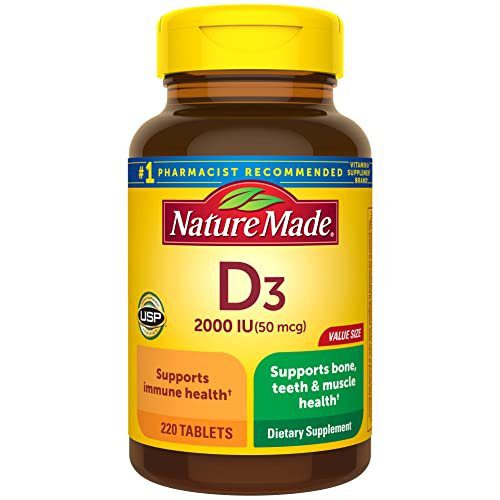
Nature Made Vitamin D3 2000 IU (50 mcg), Vitamin D Supplement for Bone, Teeth, Muscle and Immune Health Support, 220 Tablets, 220 Day Supply
Nature Made Vitamin D3 2000 IU delivers the daily dose most adults need to support immune health, bone strength, and calcium absorption. With 220 tablets for a 220-day supply, it’s a straightforward option for maintaining adequate vitamin D levels, especially for people with limited sun exposure.
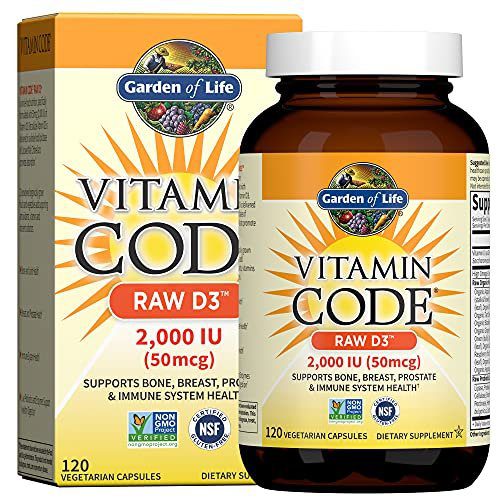
Garden of Life Vitamin D, Vitamin Code Raw D3, Vitamin D 2,000 IU, Raw Whole Food D3 Supplements with Chlorella, Fruit, Veggies & Probiotics for Bone & Immune Health, 120 Vegetarian Capsules
Garden of Life Vitamin Code Raw D3 delivers 2,000 IU of whole food vitamin D3 in 120 vegetarian capsules, with chlorella for absorption, 23 powdered fruits and veggies, and live probiotics. This raw formulation supports bone and immune health without fillers or high-heat processing. It fits recommendations for immune-focused vitamin D supplements.
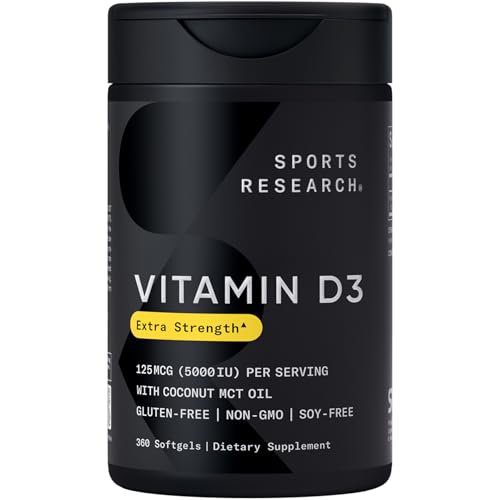
Sports Research Vitamin D3 5000 IU with Coconut MCT Oil – High Potency Vitamin D Supplement for Immune & Bone Support – Non-GMO Verified, Gluten & Soy Free – 125mcg, 360 Liquid Softgels
Sports Research Vitamin D3 5000 IU earns strong 4.6 stars from 24,000+ Amazon reviews for its high-potency, coconut oil-based formula that boosts absorption effectively. Third-party testing by ConsumerLab and Informed Choice confirms purity, making it a reliable choice for correcting deficiencies, though take with food to avoid minor GI issues.
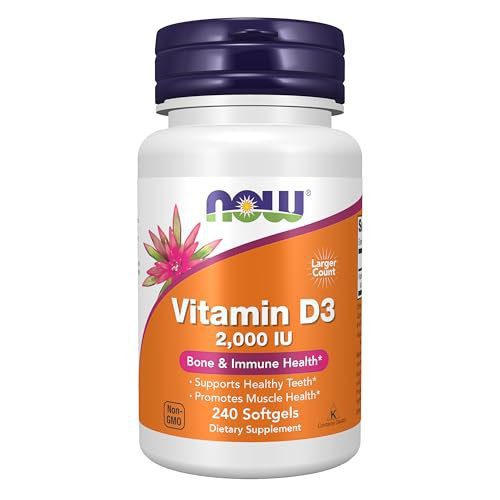
NOW Foods Supplements, Vitamin D-3 2,000 IU, High Potency, Structural Support*, 240 Softgels
NOW Supplements Vitamin D-3 1000 IU earns a stellar 4.7/5 from over 24,000 Amazon reviews for its unbeatable value, delivering 8 months’ supply at under $15 with easy-to-swallow, tasteless softgels that effectively support immune health and energy. Backed by ConsumerLab approval and USP verification, it’s a top pick on Reddit’s r/supplements for reliable, third-party tested quality at a fraction of premium brand prices—ideal for daily maintenance dosing.
A common misconception is that “stronger immunity” always means “more immune activity.” In reality, a well-functioning immune system needs two skills: attack germs effectively and shut down inflammation when it’s no longer needed. Vitamin D appears to support both sides of that balance.
Immune cells (including macrophages, dendritic cells, and T cells) have vitamin D receptors, which means vitamin D can influence how these cells behave. A detailed scientific overview in a PubMed Central review on vitamin D and immunity describes how vitamin D affects both innate and adaptive immune responses.
Innate immunity: the “first responder” role
Innate immunity is your rapid-response team. Vitamin D helps immune cells produce antimicrobial peptides such as cathelicidin, which can damage the membranes of certain microbes and support antiviral defenses. Earlier mechanistic work summarized in a PubMed Central review on vitamin D and respiratory viruses discusses how these pathways may influence respiratory infection susceptibility.
Practical takeaway: if you’re consistently low in vitamin D, your innate response may be less prepared at the start of an exposure, when early control matters.
Adaptive immunity: keeping inflammation from becoming the problem
Adaptive immunity involves specialized T and B cells. Vitamin D appears to shift T-cell behavior toward a more regulated state, including support for regulatory T cells and reduced overactive inflammatory signaling (often described in research as Th1/Th17 activity). This is one reason vitamin D is frequently discussed in the context of autoimmune risk and inflammatory balance – not as a cure, but as a modulator.
Practical takeaway: vitamin D’s immune value is not just “fight harder.” It may also help the immune system avoid unnecessary collateral damage.
D3 vs D2 for immune signaling
Not all vitamin D is identical in the body. Vitamin D2 (ergocalciferol) and D3 (cholecalciferol) both raise 25(OH)D, but D3 often performs better in maintaining levels. Immune-specific differences have also been observed. The evidence roundup cited earlier summarizes a transcriptome-style finding: D3, but not D2, stimulated interferon-related activity (interferons are key antiviral signals). While this is not the only factor to consider, it supports why most clinicians and guidelines lean toward D3 for supplementation.
Here’s a simple “mechanisms map” you can keep in mind:
| Immune target | What vitamin D may do | Why you should care |
|---|---|---|
| Antimicrobial peptides (cathelicidin) | Supports early pathogen control | May matter most at the start of exposure |
| T-cell regulation | Promotes a more controlled response | May reduce excessive inflammation in some contexts |
| Barrier and mucosal defenses | Supports protective immune tone at surfaces | Relevant to respiratory and gut immunity |
| Interferon signaling (D3 more than D2) | Supports antiviral messaging | One reason D3 is usually preferred |
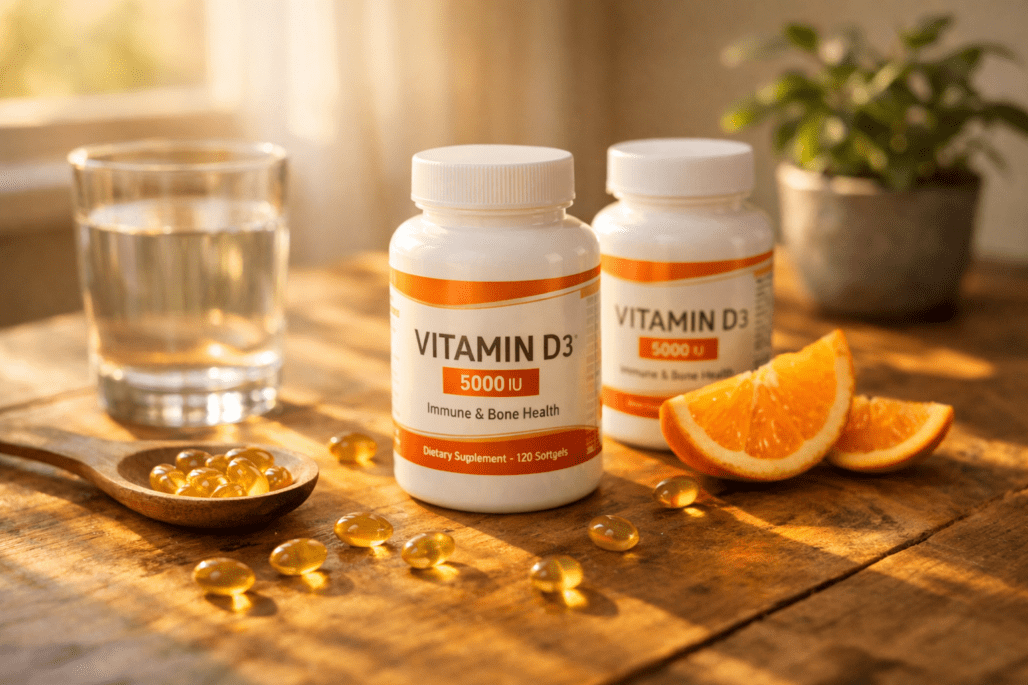
How to choose the best vitamin D supplement for immune health (form, dose, and routine)
Most supplement decisions fail for one reason: people choose a product before they choose a plan. For immune-related goals, your plan should answer three questions: What’s my current level? What’s my target? What routine will I actually follow?
Step 1: Pick the form (usually D3)
For most people, vitamin D3 is the default pick because it tends to maintain blood levels better than D2 and has stronger immune-related signaling in some research summaries. When you’re comparing products, look for:
- Vitamin D3 (cholecalciferol) on the label
- A dose that fits your needs (not just the biggest number)
- Third-party testing or quality standards when possible
If you want product-level help, start with UsefulVitamins’ roundup of the best vitamin D supplements, which focuses on quality markers and practical formats.
Step 2: Choose a dosing pattern you can sustain
Research patterns keep pointing to a simple idea: consistency matters.
For many children’s respiratory infection outcomes, daily low-dose D3 performed better than bolus dosing in the meta-analysis summarized in the vitamin D and immunity evidence roundup. Adults often use higher daily doses depending on baseline level and clinician guidance, but the “daily beats occasional mega-dose” theme shows up repeatedly.
A practical routine looks like this:
- Take D3 daily, ideally with a meal that contains fat
- Re-check 25(OH)D after 8-12 weeks if you’re correcting a low level
- Adjust to a maintenance dose once you reach your target range
Step 3: Use testing to avoid both guesswork and excess
A 25(OH)D blood test is the most useful way to personalize vitamin D. Many clinicians aim for a level that avoids deficiency and supports overall health, often discussed as a range rather than a single magic number. The review in PubMed Central on vitamin D and immune regulation covers why status matters and why benefits concentrate in low-baseline groups.
For a practical next step, use the vitamin D dosage calculator to estimate a reasonable dose based on your current level and goal – then confirm with a clinician if you’re using higher doses or have medical conditions.
Quick comparison: supplement options that fit real life
| Format | Pros | Cons | Best for |
|---|---|---|---|
| Softgels | Easy, stable, common dosing | Not ideal for those avoiding gelatin | Most adults |
| Drops/liquid | Flexible dosing, easy for kids | Easy to mis-measure without care | Children, tailored dosing |
| Gummies | Tasty, improves adherence | Often lower dose, added sugar | People who won’t take pills |
Safety note: Vitamin D is fat-soluble, so extremely high long-term intakes can raise calcium levels in some people. If you have kidney disease, sarcoidosis, hyperparathyroidism, or a history of kidney stones, get medical guidance before supplementing.
Common myths (and what to do instead)
Vitamin D misinformation tends to swing between two extremes: “it does nothing” and “it prevents everything.” The truth sits in the middle, and it’s much more useful.
Myth 1: “Vitamin D prevents all colds and respiratory infections”
Reality: Evidence looks stronger for certain outcomes (like flu/COVID-related endpoints in some analyses) than for “any respiratory infection.” In the 2025 network meta-analysis summarized in the vitamin D immunity evidence roundup, other interventions sometimes ranked higher for broad respiratory infection prevention.
What to do instead:
- Use vitamin D to correct deficiency
- Combine with proven basics: sleep, vaccines when appropriate, hand hygiene
- Consider other “immune system vitamins” when diet is lacking (zinc is a common one)
If zinc is on your list, see our guide to the best zinc supplements and pay attention to dose and copper balance.
Myth 2: “Take vitamin D when you get sick to recover faster”
Reality: Vitamin D’s strongest role appears preventive, not as an acute treatment. You can’t reliably “turn on” immune benefits overnight if your level has been low for months.
What to do instead:
- Maintain a steady routine during high-risk seasons
- If you’re already sick, focus on medical guidance and supportive care
Myth 3: “D2 and D3 are interchangeable”
Reality: Both can raise vitamin D status, but D3 is often preferred for maintaining levels and may have immune-specific advantages in gene-expression findings summarized in the evidence roundup.
What to do instead:
- Default to D3 unless a clinician prescribes D2 for a specific reason
Myth 4: “Higher dose is always better”
Reality: More is not always better, especially with intermittent high doses. In children, daily low-dose D3 showed clearer benefits than higher or bolus dosing in the 2025 pediatric meta-analysis summarized in the same roundup.
What to do instead:
- Use the smallest effective dose to reach and maintain a healthy 25(OH)D level
- Re-test if you’re using higher doses for extended periods
A quick myth-to-action table
| Claim you might hear | What the evidence suggests | Better move |
|---|---|---|
| “Vitamin D stops you from getting sick” | May reduce risk in some groups, especially if deficient | Correct deficiency and keep expectations realistic |
| “Just take a huge dose monthly” | Daily often performs better in trials | Use consistent daily dosing |
| “If I take D, I don’t need anything else” | Immune defense is multi-factor | Pair with sleep, nutrition, and seasonal habits |

If this is one of several products you take, StackMyMed (our companion app) scans each label and tallies your true daily total of every vitamin — an easy way to spot a quiet overlap.
Conclusion: the simplest plan that matches the science
Vitamin D immune health comes down to one repeatable idea: avoid deficiency and stay consistent. Research suggests vitamin D supports antimicrobial defenses and immune regulation, with the clearest benefits showing up in people who start out low and in studies using steady dosing patterns. Vitamin D3 is usually the better choice, and testing 25(OH)D can turn guesswork into a plan.
For a practical next step, review the best vitamin D supplements to choose a quality D3 option, then build a seasonal routine using our winter immune support guide.
As an Amazon Associate, I earn from qualifying purchases. Product recommendations are based on real reviews and independent research.
