
Affiliate disclosure: this article contains affiliate links. As an Amazon Associate, UsefulVitamins.com earns from qualifying purchases at no extra cost to you.
If you searched "best supplements for allergy season", you are probably already on a second-generation antihistamine and want to know what else might quiet the sneezing, itchy eyes, and post-nasal drip that an over-the-counter pill alone is not fully solving. Honest answer: a small group of supplements, mainly quercetin, vitamin C, and a strain-specific probiotic, have human trial signal as adjuncts, not replacements, for standard allergy care..
Before you decide
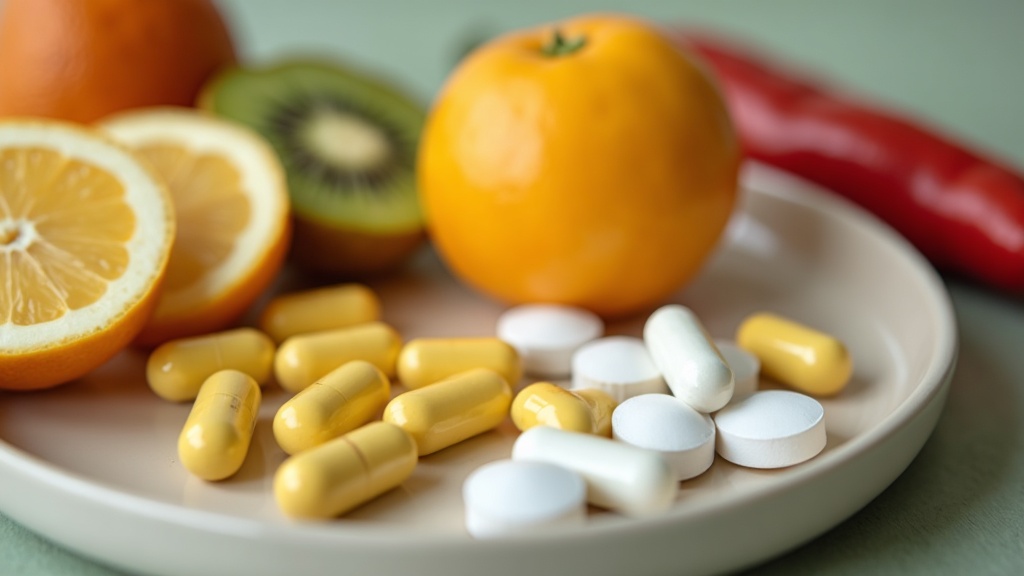
The 2 to 3 supplements worth starting with for seasonal allergic rhinitis:
- Quercetin (500 to 1,000 mg/day). A flavonoid that stabilizes mast cells in lab models and has small human trials for nasal symptoms.
- Vitamin C (1,000 to 2,000 mg/day, split doses). At therapeutic doses, vitamin C is associated with lower endogenous histamine and supports mucosal tissue.
- Lactobacillus paracasei LP-33 (or a multi-strain product including L. paracasei + L. acidophilus). The probiotic strains with the strongest RCT signal for seasonal symptoms.
Who should not start with these: anyone with severe asthma, anaphylaxis history, or rhinitis bad enough to need urgent care should be working with an allergist, not stacking capsules. Pregnant or nursing readers should clear any of these with their OBGYN first.
Before adding supplements, do the boring-but-effective stuff: a second-generation antihistamine (loratadine, cetirizine, fexofenadine) or an intranasal steroid (fluticasone, mometasone), saline rinses, and reducing pollen exposure indoors. The AAAAI rhinitis practice parameter puts these first for a reason. Supplements are adjuncts.
What allergy season actually is, briefly
Seasonal allergic rhinitis is an IgE-mediated reaction to airborne pollens (tree pollens in early spring, grass pollens in late spring and summer, ragweed in late summer through fall). When pollen lands on the nasal mucosa, it cross-links IgE on mast cells, which then dump histamine, tryptase, leukotrienes, and prostaglandins. That cascade is what produces the runny nose, sneezing, itchy palate and eyes, and the boggy turbinates that close down nasal airflow.
Severity ranges from a few weeks of mild sneezing to multi-month, sleep-disrupting congestion that pushes some people into chronic sinusitis and asthma exacerbations. The AAAAI and most ENT guidelines define first-line care as second-generation H1 antihistamines (loratadine, cetirizine, fexofenadine), intranasal corticosteroids (fluticasone, mometasone), saline irrigation, and allergen avoidance, with subcutaneous or sublingual immunotherapy for moderate-to-severe disease that does not respond.
From a nutrition standpoint, two things matter. First, vitamin C is a cofactor in histamine catabolism, and an inadequate intake from the diet does not help anyone whose mast cells are already firing. Second, no supplement closes the gap that a missed nasal steroid leaves. The supplement that helps is the one that closes a real gap on top of the standard of care.
The supplements with the strongest evidence

Quercetin
Why it helps. Quercetin is a plant flavonoid found in onions, apples, capers, and tea. In cell and animal models, it stabilizes mast cells and inhibits histamine release, and it acts on the cyclooxygenase and lipoxygenase pathways that feed the inflammatory cascade behind allergic rhinitis. The mechanism is not theoretical; it is consistently reproduced in lab work.
What the trials show. Human RCT data are smaller than the lab data would lead you to expect. Small clinical trials and open-label work in seasonal allergic rhinitis have reported reductions in nasal symptom scores at 200 to 500 mg/day of EMIQ (an enzymatically modified, more bioavailable form) and at higher doses of standard quercetin. The evidence base is honest: positive signal, modest n, and not yet a large multi-center RCT.
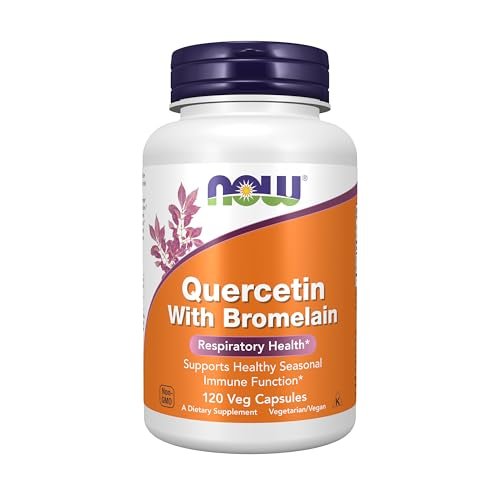
Dose used in trials. 500 to 1,000 mg/day of standard quercetin, often split twice daily with food. EMIQ trials use lower doses (around 100 to 200 mg) because absorption is materially higher.
Form to look for. Quercetin dihydrate is the common form; bioavailability is poor. Look for quercetin paired with bromelain (which also helps with sinus pressure), or for EMIQ if you want a more absorbable option. Avoid proprietary blends that hide the per-capsule mg.
Skip if you take cyclosporine, certain chemotherapy agents, or anticoagulants without checking with your pharmacist; quercetin can interact with CYP3A4-metabolized drugs.
Actionable takeaway: if you are going to try one supplement on this list, this is the first one to test, starting 2 to 4 weeks before your local pollen peak.
Vitamin C
Why it helps. Vitamin C is a cofactor for diamine oxidase and other enzymes involved in histamine catabolism. At therapeutic doses, observational and small interventional work has associated higher plasma ascorbate with lower blood histamine. It also supports collagen turnover in the nasal mucosa, which is taking a beating during allergy season.
What the trials show. The RDA for vitamin C is 75 mg for women and 90 mg for men, with a safe upper limit of 2,000 mg/day according to the NIH Office of Dietary Supplements. That RDA prevents scurvy; it is not the dose studied for symptom relief. Small trials and reviews using 1,000 to 2,000 mg/day, split into two or three doses, show modest reductions in nasal symptom scores and lower endogenous histamine compared to baseline. The signal is real but small.
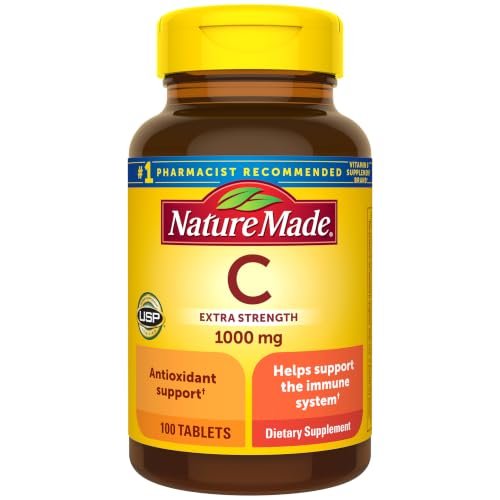
Dose used in trials. 1,000 to 2,000 mg/day, split. Single mega-doses cause GI upset and are mostly excreted.
Form to look for. Standard ascorbic acid is fine for most people. If you get gut irritation, try a buffered form (sodium ascorbate or calcium ascorbate) or liposomal vitamin C. Food-first sources are real here: a typical 2,000-kcal pattern with citrus, capsicum, kiwi, and strawberries clears the RDA easily, but allergy-relief doses are layered on top of that, not replaced by it. For brand context, see our best vitamin C supplements write-up.
Skip if you have a history of calcium oxalate kidney stones, hemochromatosis, or G6PD deficiency; talk to your clinician before doses above 1,000 mg.
Probiotics (Lactobacillus paracasei + L. acidophilus, strain-specific)
Why it helps. Gut microbiota shape systemic immune tone, including Th1/Th2 balance that drives IgE-mediated allergy. Specific Lactobacillus strains, not all probiotics, have been studied in seasonal allergic rhinitis with positive results on symptom scores and quality-of-life measures.
What the trials show. Trials of Lactobacillus paracasei LP-33, sometimes combined with L. acidophilus, in seasonal and perennial allergic rhinitis have shown reductions in nasal symptom severity and rescue antihistamine use over 4 to 8 weeks compared with placebo (PubMed 16400901 and follow-on work). The effect size is modest and strain-dependent.
Dose used in trials. Roughly 2 to 10 billion CFU/day of the specific strains, taken daily for at least 4 to 8 weeks before pollen counts peak.
Form to look for. Products that name the exact strain (LP-33, NCFM, etc.), not just "Lactobacillus paracasei" generically. A strain you cannot identify on the label has no evidence behind it. Look for third-party verified counts.
Skip if you are severely immunocompromised, on chemotherapy, have a central line, or have a history of probiotic-related bacteremia. Talk to your oncologist or infectious disease clinician first.
Supplements with moderate evidence
Butterbur (PA-free Petadolex only)
Worth considering if first-line antihistamines are not tolerated, with caveats. A 2002 RCT in BMJ by Schapowal et al. compared a standardized butterbur extract (Ze 339, marketed as Tesalin/Petadolex) to cetirizine 10 mg in seasonal allergic rhinitis and found comparable symptom relief without the sedation. Subsequent trials reinforced the signal.
Here is the hard rule: butterbur leaves contain pyrrolizidine alkaloids (PAs), which are hepatotoxic and possibly carcinogenic. Only PA-free, standardized extracts (Petadolex is the most-studied) are acceptable. Random butterbur powder, tea, or non-PA-tested capsules are not safe. The NCCIH butterbur fact sheet is explicit on this. Trial dose was 50 mg standardized extract, three times daily. Skip if you have liver disease, take hepatotoxic medications, or cannot verify PA-free status on the label.
Nettle leaf (Urtica dioica, freeze-dried)
Mixed evidence, but the mechanism is real. A small early RCT by Mittman (1990) of freeze-dried stinging nettle leaf in allergic rhinitis found a modest benefit over placebo on patient-rated symptom relief. The trial was small and methodologically dated, and follow-on work has been sparse. The plausible mechanism is downregulation of inflammatory mediators and histamine receptor activity in the nasal mucosa.
Dose used in trials. 300 to 600 mg of freeze-dried nettle leaf, taken at symptom onset and then 2 to 3 times daily during the season. Form to look for. Freeze-dried leaf, not root (the two are used for different things). Skip if you take potassium-sparing diuretics or lithium without checking with your pharmacist.
Spirulina
A Turkish RCT (Cingi 2008) of 2,000 mg/day of spirulina for 6 months in allergic rhinitis showed reductions in nasal discharge, sneezing, congestion, and itching compared with placebo. Trial dose was 2,000 mg/day. Skip if you have phenylketonuria, autoimmune disease that responds to immune stimulation poorly, or you cannot verify the source (spirulina from contaminated waters can carry microcystins; look for third-party tested products).
Popular but evidence-thin
Local raw honey
Local raw honey is widely recommended on social media for "desensitizing" the immune system to local pollens. The actual evidence is thin: small trials have not consistently shown symptom benefit, and the pollen content of honey is mostly bee-collected flower pollens, not the wind-blown tree and grass pollens that actually trigger allergic rhinitis. If you want to try it, a teaspoon a day for a few weeks is safe for non-diabetic adults, but the realistic expectation is "tasty placebo", not "natural immunotherapy". Skip in children under 1 year (botulism risk).
Bromelain and NAC
Both are commonly added to allergy stacks. Bromelain (a pineapple enzyme, 250 to 500 mg twice daily on an empty stomach) has weak evidence for sinus inflammation and pressure, with the strongest signal in post-sinus-surgery recovery rather than primary allergic rhinitis. N-acetylcysteine (NAC, 600 mg twice daily) is a mucolytic that can thin nasal and bronchial secretions. Neither targets the underlying allergic cascade; both can help with the downstream stuffiness for some readers. Skip bromelain if you take warfarin; check NAC with your clinician if you are on nitroglycerin.
What to look for when buying
A supplement that fixes a real gap is the one that earns its place. A short decision-shortcut table:
| Question | What to check |
|---|---|
| Is the dose on the label the dose used in the trials? | 500 to 1,000 mg quercetin, 1,000 to 2,000 mg vitamin C split, strain-named probiotic at 2 to 10 billion CFU |
| Is there third-party verification? | USP Verified, NSF Certified for Sport, or ConsumerLab Approved on the label |
| Are the strains named for probiotics? | Yes (LP-33, NCFM, etc.); a generic species name only is a red flag |
| Is butterbur PA-free standardized? | Must say "PA-free" or "Petadolex"; otherwise skip |
| Are there proprietary blends? | If the per-ingredient mg is hidden, skip |
Buy from brands with a published assay or a third-party seal. A supplement brand can look impressive on a label and still miss the basics.
Actionable takeaway: if a label cannot tell you the exact strain, the exact mg, or who tested it, put it back on the shelf.
When supplements are not enough
Some allergy seasons need clinical care, not capsules. See an allergist or your primary clinician if you have:
- Wheezing, shortness of breath, or a new cough that does not resolve with a bronchodilator
- Nasal symptoms severe enough to disrupt sleep nightly for more than 2 weeks despite a daily antihistamine and intranasal steroid
- Recurrent sinus infections during pollen season
- Symptoms that started in adulthood and are getting worse year over year
- Suspected food-pollen cross-reactivity (oral allergy syndrome with itchy mouth from raw fruit)
Ask your doctor about a blood test for total IgE or specific IgE panels before assuming you know what you are allergic to. Skin prick testing and immunotherapy referral are the right next step when first-line care is not enough. Supplements do not replace them.
FAQ
Can I take quercetin and vitamin C together? Yes, and they are often combined because vitamin C may stabilize and recycle quercetin in circulation. Standard combination is 500 mg quercetin with 250 to 500 mg vitamin C, twice daily.
How early before allergy season should I start? For quercetin and vitamin C, 2 to 4 weeks before your local pollen peaks is reasonable. For probiotics, 6 to 8 weeks before, because the immune-modulating effect takes time to build.
Do these replace my Zyrtec or fluticasone? No. The supplements with positive trial signal are adjuncts. The exception is butterbur (PA-free, standardized), which has head-to-head data against cetirizine. Discuss with your clinician before substituting any prescribed allergy medication.
What about histamine intolerance vs. allergy? They overlap but are not the same. If you suspect food-driven histamine issues outside of pollen season, see our best supplements for histamine intolerance breakdown, which covers DAO and a different supplement stack.
Is there a blood test that tells me which supplement I need? There is no single "allergy supplement" test. But a vitamin D level and a CBC with differential are useful baselines, because chronic allergy season often coexists with low D and elevated eosinophils. Ask your doctor about checking these.
Building a supplement routine for this? Our companion app, StackMyMed, lets you scan each product, track your real daily intake, and get timing reminders plus interaction checks across your whole stack.
Conclusion: the bottom line on best supplements for allergy season
The honest synthesis: for seasonal allergic rhinitis, quercetin, vitamin C, and a strain-specific Lactobacillus probiotic have the most consistent human trial signal, with modest effect sizes. PA-free butterbur is the one supplement with head-to-head RCT data against a standard antihistamine, but only the standardized, hepatotoxin-free extract is acceptable. Everything else, including local honey and most "immune-boosting" allergy blends, is either evidence-thin or marketing. Layer the strongest options on top of your antihistamine or intranasal steroid, not in place of them.
Next steps:
- Pick one or two supplements from the strong-evidence section that match your trial-dose tolerance and start 2 to 4 weeks before your local pollen peak.
- Read our methodology in how we review supplements to see why we weight RCT evidence above mechanism.
- If your symptoms are not controlled with a daily antihistamine plus an intranasal steroid, book an allergist visit; supplements do not replace the standard of care.
This article is for informational purposes and not medical advice. Supplements can interact with medications and health conditions. Consult a licensed physician before starting any supplement, particularly if you are pregnant, nursing, taking prescription medications, or managing a chronic condition.
Reviewed by Sarah Thompson, Registered Dietitian, focused on vitamin and mineral nutrition.
Top picks on Amazon
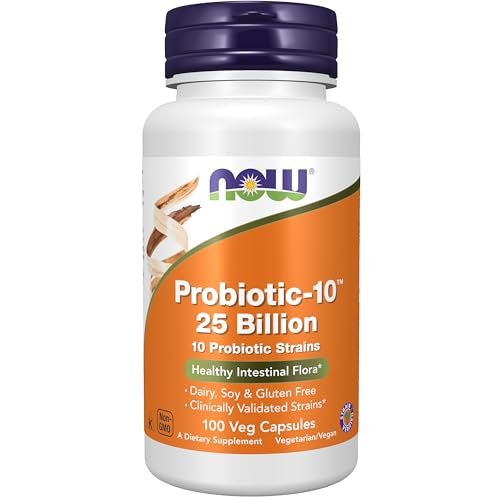
As an Amazon Associate, I earn from qualifying purchases. Product recommendations are based on real reviews and independent research.
