

Affiliate disclosure: this article contains affiliate links. As an Amazon Associate, UsefulVitamins.com earns from qualifying purchases at no extra cost to you.
If you're searching for the best supplements for dry eyes, you're probably either staring at a screen for ten hours a day and feeling it, or you've already worked your way through artificial tears and a warm compress and you're wondering whether anything you swallow actually helps.
Quick Answer: which supplements are worth starting with for dry eyes
The two we'd actually start with: omega-3 EPA/DHA (re-esterified triglyceride form, around 1,000 to 2,000 mg combined EPA + DHA per day) for the modest signal in evaporative dry eye and meibomian gland dysfunction, and vitamin D3 if you have a documented deficiency below 30 ng/mL.
- Best for: screen-heavy adults with mild to moderate evaporative dry eye, contact lens wearers with end-of-day discomfort, and patients on omega-3-poor diets with stable mild symptoms
- Not ideal for: anyone with severe dry eye, Sjögren's syndrome, corneal involvement, or anyone using supplements to avoid an ophthalmologist evaluation
- What to look at before buying: how often you actually use artificial tears, whether you've had a meibomian gland evaluation, your screen habits, any autoimmune diagnoses, and your current omega-3 dietary intake
- Decision shortcut: start preservative-free artificial tears first, get a real diagnosis second, layer omega-3 third. Skipping step one and two for step three is the most common mistake.
What dry eye disease actually is, briefly
Dry eye disease is a multifactorial disease of the ocular surface characterized by loss of tear film homeostasis, accompanied by ocular symptoms, with tear film instability, hyperosmolarity, ocular surface inflammation, and neurosensory abnormalities playing etiological roles. That's the TFOS DEWS II definition, and it matters because dry eye is not one condition.
The clinical classification splits into three groups. Aqueous-deficient dry eye, where the lacrimal glands underproduce tears, is most often associated with Sjögren's syndrome and other autoimmune disease. Evaporative dry eye, where the tears are produced but the lipid layer is unstable, is most often driven by meibomian gland dysfunction (MGD) and is by far the more common subtype in screen-heavy adults. Mixed dry eye is exactly what it sounds like, and most chronic cases drift into mixed over time.
The American Academy of Ophthalmology Dry Eye Syndrome Preferred Practice Pattern uses a staged approach broadly aligned with TFOS DEWS II. Step 1 is patient education, environmental modification, preservative-free artificial tears, lid hygiene with warm compresses, and a discussion of omega-3 supplementation. Step 2 adds prescription anti-inflammatory drops (cyclosporine ophthalmic emulsion, lifitegrast, short-course topical corticosteroids). Step 3 brings in punctal plugs, autologous serum tears, and scleral lenses. Step 4 is for the small minority who need surgical intervention. Supplements live in Step 1, and they live there as adjuncts, not as a substitute for the drops.
The supplements with the strongest evidence
Omega-3 EPA/DHA (1,000 to 2,000 mg combined per day)
Why it helps. EPA and DHA are anti-inflammatory long-chain omega-3 fatty acids. The mechanistic case in dry eye is meibomian gland lipid composition and tear film stability, plus general suppression of ocular surface inflammation through resolvin and protectin pathways. The mechanism is real. The clinical signal is where it gets honest.
What the trials show. This is the supplement people search for, and the evidence demands an honest read. Multiple smaller RCTs, including Bhargava 2013 (n=478, computer users) and a series of MGD-specific trials, showed modest improvements in Ocular Surface Disease Index (OSDI) scores and tear break-up time over 3 to 6 months. Then the DREAM Study (n=535, NEJM 2018) randomized patients with moderate-to-severe dry eye to 3,000 mg of omega-3 (2,000 mg EPA + 1,000 mg DHA) versus an olive oil placebo for 12 months and found no significant difference between the groups on OSDI or any objective sign. Both arms improved by about the same amount.
That null result complicates the earlier positive trials. It does not erase them. The plausible reconciliation is that the placebo arm in DREAM was not truly inert (olive oil contains its own bioactive lipids), the prior positive trials enrolled milder disease, and population-level effect is small enough to vary with study design. Treat omega-3 as a low-cost, low-risk Step 1 adjunct that may help, particularly in MGD-driven evaporative dry eye, while being honest that the largest and best-conducted trial was negative.
Dose used in trials. Most positive trials used 1,000 to 2,000 mg of combined EPA + DHA per day, often in a 2:1 to 3:1 EPA:DHA ratio. The DREAM Study used 3,000 mg without a clinically meaningful added benefit over placebo, suggesting more is not necessarily better.
Form to look for. Re-esterified triglyceride (rTG) form is better absorbed than ethyl ester. Look for IFOS five-star certification or ConsumerLab Approved marks for purity (oxidation and heavy metal screening). For form, dose, and brand selection, see our roundup of the best omega-3 supplements.
Skip if. You're on therapeutic anticoagulation with warfarin or a DOAC and have not discussed omega-3 with your prescriber. The bleeding-risk signal at supplemental doses is small but real per the NIH ODS omega-3 fact sheet, and the relevant interaction sources are summarized in Drugs.com. Also skip if you have a documented fish allergy, in which case algal DHA + EPA is a reasonable substitute.
Actionable takeaway: worth a 3 to 6 month trial at 1,000 to 2,000 mg combined EPA + DHA per day in re-esterified triglyceride form, particularly if MGD is part of your picture. Have your clinician reassess symptoms and signs before extending past 6 months.
Vitamin D3 (correct deficiency to 30 to 50 ng/mL)
Why it helps. Observational data consistently associate low serum 25-hydroxy vitamin D with more severe dry eye symptoms and shorter tear break-up time. Vitamin D has immunomodulatory effects relevant to the inflammatory component of dry eye, and small interventional studies in deficient patients show modest improvements in OSDI and Schirmer test results when levels are corrected.
What the trials show. The evidence is correlational with a few small interventional studies. Effect sizes are modest, and patients who started with adequate vitamin D rarely showed movement. The supplementation question is really a deficiency-correction question.
Dose used in trials. Typically 2,000 to 4,000 IU/day for 8 to 12 weeks in deficient patients, then retest.
Form to look for. Vitamin D3 (cholecalciferol) in a softgel with a fat carrier. Pair with a meal containing fat for absorption.
Skip if. Your 25-OH vitamin D is already in the 40 to 60 ng/mL range. Pushing higher on top of normal levels has no demonstrated dry eye benefit and unfavorable effects on calcium metabolism over time.
Actionable takeaway: test before you supplement. If you're under 30 ng/mL, correcting that has a reasonable evidence base for symptom support. If you're adequate, you're chasing a lab number.
Vitamin A (food-first, with a cautious supplement note)
Why it helps. Vitamin A is essential for goblet cell function in the conjunctiva, mucin production, and corneal epithelial integrity. Severe vitamin A deficiency causes xerophthalmia, a recognized cause of profound dry eye that includes Bitot's spots and, in advanced cases, corneal melting. This is a public-health-relevant cause of dry eye in regions with widespread malnutrition.
What the trials show. In adults with severe vitamin A deficiency, replacement reverses xerophthalmia. In Western populations with normal dietary intake, supplemental vitamin A has not been shown to improve dry eye symptoms or signs. The trials that established this effect used vitamin A replacement in patients with documented deficiency. The effect size was substantial, but the population was specific.
Dose used in trials. The RDA is 700 mcg RAE/day for women and 900 mcg RAE/day for men. The NIH ODS Vitamin A fact sheet sets the Upper Limit at 3,000 mcg RAE/day for adults from preformed vitamin A (retinol/retinyl palmitate). Chronic intake above the UL risks hepatotoxicity, bone effects, and in pregnancy, teratogenicity.
Form to look for. Food first: liver, eggs, dairy, and orange/green vegetables for beta-carotene. If you supplement, prefer beta-carotene over high-dose preformed retinyl palmitate, and stay well under the 3,000 mcg RAE/day UL.
Skip if. You are pregnant, planning pregnancy, or could become pregnant. Preformed vitamin A above the RDA is teratogenic. Consult your OBGYN before any vitamin A supplementation in this scenario.
Actionable takeaway: treat vitamin A as a deficiency-specific tool, not a general dry eye remedy. Do not megadose.
Supplements with moderate evidence (consider with caveats)
Lactoferrin (oral, 270 to 1,000 mg/day)
Lactoferrin is an iron-binding glycoprotein present in tears, with documented antimicrobial, anti-inflammatory, and ocular surface roles. Tear lactoferrin levels are reduced in Sjögren's and other aqueous-deficient dry eye states. A handful of small Japanese trials and pilot studies suggest that oral lactoferrin (typically 270 to 1,000 mg/day for 8 to 12 weeks) modestly improves Schirmer scores and OSDI in patients with Sjögren's-associated dry eye. The trial that established this signal used a specific lactoferrin product in a well-defined population. Mechanism is real, replication is limited. Worth considering if you have a Sjögren's diagnosis and are already optimized on artificial tears and prescription anti-inflammatory drops.
Maqui berry extract (Delphinol, 30 to 60 mg/day standardized anthocyanin)
Several Japanese RCTs of the standardized maqui berry anthocyanin extract Delphinol show improvements in tear secretion and dry eye symptoms over 4 to 8 weeks at 30 to 60 mg/day. The proposed mechanism is anthocyanin-mediated antioxidant effect on lacrimal gland function. Effect sizes are modest and most trials are from a small group of investigators with industry sponsorship. Mixed evidence, but the mechanism is plausible and the safety profile is benign. Worth a 4 to 6 week trial if omega-3 plus drops has plateaued and you want to layer a low-risk option before escalating to prescription therapy.
Curcumin (turmeric extract, 500 to 1,000 mg/day)
Curcumin has documented anti-inflammatory effects, and small pilot studies suggest possible benefit in inflammatory dry eye. Direct RCT evidence in dry eye is limited and underpowered. Best treated as a quality-of-life adjunct if you already take it for other inflammatory indications, not a dry-eye-specific recommendation.
Popular but evidence-thin (treat as low-priority or skip)
Flaxseed oil (alpha-linolenic acid)
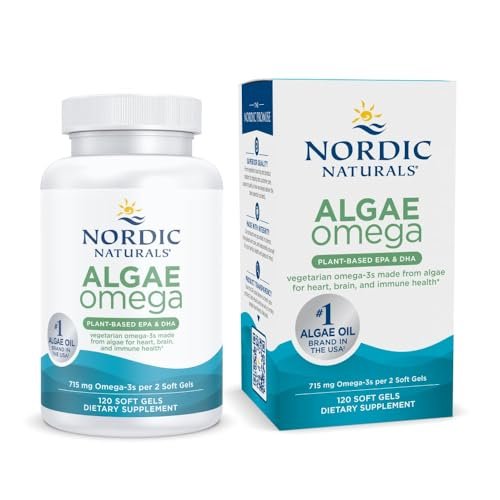
Flaxseed oil is widely recommended as a vegetarian or vegan alternative to fish oil for dry eye. The mechanism rests on ALA conversion to EPA and DHA, which in humans is inefficient: conversion rates from ALA to EPA hover around 5 to 8 percent and ALA to DHA around 0.5 percent in most adults. Trials specifically testing flaxseed oil in dry eye are small and inconsistent. If you're vegetarian or vegan and want a non-fish option, algal EPA + DHA is a better bet than flaxseed oil for the dry eye indication specifically. Flaxseed oil for general cardiovascular benefit is a separate conversation.
Hyaluronic acid (oral)
Oral hyaluronic acid is marketed for dry eye, dry skin, and joint comfort. Topical hyaluronic acid in artificial tears is genuinely useful and is included in many guideline-recommended drops. Oral hyaluronic acid for ocular surface symptoms has effectively no quality RCT support; the bioavailability and mechanism for reaching the tear film are speculative. A supplement brand can look impressive on a label and still miss the basics. Skip the oral form. Use the eye drop form, which is in your drugstore artificial tears already.
What to look for when buying supplements for dry eyes
Form and verification matter more than brand prestige.
- Omega-3: re-esterified triglyceride form, IFOS five-star or ConsumerLab Approved, combined EPA + DHA dose disclosed per softgel.
- Vitamin D: D3 (cholecalciferol) in a softgel with fat. Match dose to your starting 25-OH level.
- Vitamin A: food first. If supplementing, prefer beta-carotene; stay under the 3,000 mcg RAE/day UL on preformed retinyl palmitate.
- Lactoferrin: bovine lactoferrin, standardized dose per capsule disclosed, third-party-tested for protein content.
- Maqui berry: standardized Delphinol extract with anthocyanin content per dose disclosed.
Third-party testing marks worth looking for: IFOS for omega-3 oxidation and purity, ConsumerLab Approved, USP Verified, NSF Certified for Sport. Red flags: proprietary "dry eye" blends mixing omega-3, vitamin A, lutein, zeaxanthin, and herbal extracts in a single capsule without per-ingredient mg disclosure. That formulation makes it impossible to know whether you're getting trial-relevant doses of anything, and it usually under-doses the one ingredient (omega-3) that actually has RCT support.
When supplements are NOT enough
These are the signs the supplement conversation is the wrong conversation:
- Symptoms severe enough to interfere with reading, driving, or work despite preservative-free artificial tears used at least four times daily.
- Visible redness, foreign-body sensation, light sensitivity, or any change in vision. Get evaluated.
- A known or suspected diagnosis of Sjögren's syndrome, rheumatoid arthritis, lupus, or graft-versus-host disease. Aqueous-deficient and autoimmune dry eye is a different lane and needs ophthalmology and rheumatology co-management.
- Contact lens intolerance that has developed over weeks. This often signals meibomian gland dysfunction that benefits from in-office meibomian gland expression and prescription anti-inflammatory drops.
- Pregnancy or planned pregnancy with any vitamin A supplementation question. Consult your OBGYN before supplementing.
If you have not had a comprehensive dry eye evaluation, the order of operations is: see an optometrist or ophthalmologist, get a meibomian gland and tear film assessment, then layer adjunctive supplements on top of a real diagnosis.
FAQ
Do omega-3 supplements really help dry eyes?
The honest answer is: probably modestly in some patients, especially evaporative dry eye and MGD, but the largest and best-conducted RCT (the DREAM Study, n=535) found no significant difference versus olive oil placebo over 12 months. Several smaller earlier trials were positive. Treat it as a low-cost, low-risk Step 1 adjunct, not a guaranteed fix.
Is flaxseed oil as good as fish oil for dry eyes?
No. Human conversion from ALA (flaxseed) to EPA and DHA is inefficient (around 5 to 8 percent for EPA, under 1 percent for DHA). If you want a non-fish option, algal EPA + DHA is closer to the trial-level intervention than flaxseed.
Can vitamin A cure my dry eyes?
Only if your dry eye is caused by vitamin A deficiency, which is uncommon in well-nourished Western diets. In adults with normal dietary intake, supplemental vitamin A has not been shown to improve dry eye symptoms. The Upper Limit on preformed vitamin A is 3,000 mcg RAE/day for adults. Megadosing carries real toxicity risk.
Are artificial tears better than supplements?
For symptomatic relief, yes, by a wide margin. Preservative-free artificial tears are Step 1 in both the AAO Preferred Practice Pattern and TFOS DEWS II. Supplements are adjunctive systemic support, not a substitute for the drops.
How long until I notice a difference from omega-3?
Most positive trials measured at 3 to 6 months. Do not expect meaningful change before 8 to 12 weeks. If you have not noticed any difference at 6 months, the omega-3 layer is probably not adding to your specific picture.
Conclusion: the bottom line on best supplements for dry eyes
For dry eye disease, the supplement evidence stack is honest and small: omega-3 EPA + DHA has the most data and the largest RCT was negative, vitamin D3 helps when you correct a documented deficiency, vitamin A matters in deficiency states and not much otherwise, and lactoferrin and maqui berry sit in the moderate-evidence layer for specific scenarios. None of this replaces preservative-free artificial tears, lid hygiene, and a proper ophthalmologic evaluation when symptoms persist. The standard of care is the standard for a reason, and adjunctive nutrients are exactly that, adjunctive. The conversation that moves your symptoms is the one about drops, MGD, and prescription anti-inflammatories when indicated, not what brand of fish oil arrived this week.
Next steps
- Start preservative-free artificial tears at least four times daily and a warm compress with lid hygiene twice daily. Reassess in 2 weeks.
- Add a 3 to 6 month trial of omega-3 EPA + DHA at 1,000 to 2,000 mg combined per day in re-esterified triglyceride form, particularly if MGD is part of your picture.
- Read how we review supplements and Michael Ward's author profile for the methodology behind these picks.
This article is for informational purposes and not medical advice. Dry eye disease can range from mild irritation to a sight-threatening condition. Consult a licensed ophthalmologist or optometrist before relying on supplements alone, particularly if you have an autoimmune diagnosis, are pregnant, nursing, taking prescription medications, or managing a chronic condition.
Reviewed by Michael Ward, MD MPH, Preventive Medicine, focused on guideline-based chronic disease management.
Top picks on Amazon
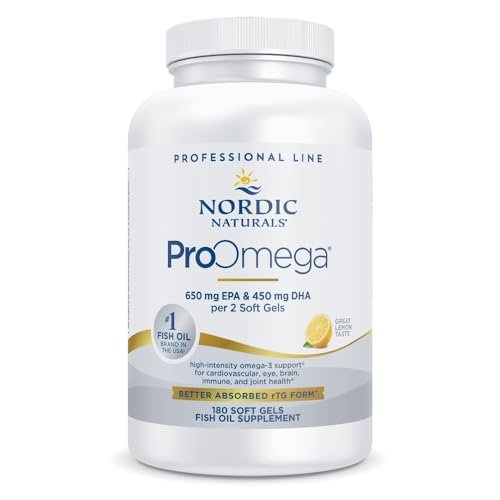
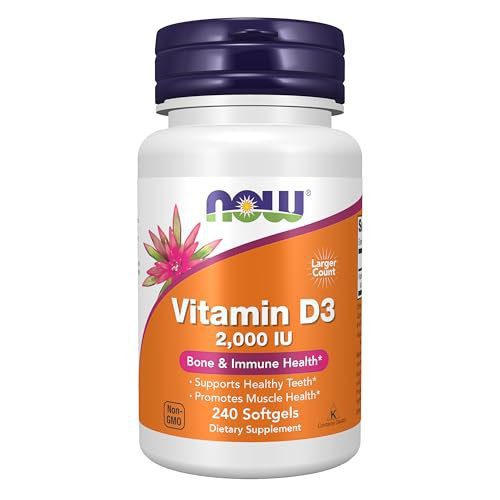
As an Amazon Associate, I earn from qualifying purchases. Product recommendations are based on real reviews and independent research.
