

Affiliate disclosure: this article contains affiliate links. As an Amazon Associate, UsefulVitamins.com earns from qualifying purchases at no extra cost to you.
If you're searching for a complete guide to vitamin K2 because you keep seeing it bundled with vitamin D3 and calcium and you're not sure whether you actually need it, the short answer is this: vitamin K2 is a real but evidence-modest adjunct to bone and vascular health, the supplement question matters most for postmenopausal women and people supplementing high-dose vitamin D, and the single non-negotiable rule is that anyone on warfarin must not start K2 without anticoagulation-clinic coordination. This guide walks through what K2 actually is, why the MK-4 versus MK-7 distinction matters, what the bone and cardiovascular trials show, who should consider supplementing, what the dosing protocols look like, and where K2 sits in current preventive medicine guidance.
Before you decide
Vitamin K2 (menaquinone) is a fat-soluble vitamin distinct from vitamin K1 (phylloquinone). It activates two proteins that matter for cardiovascular and skeletal health: matrix Gla protein (MGP), which inhibits calcification of arteries and soft tissue, and osteocalcin, which binds calcium into bone mineral. Western diets are low in K2 because the main natural sources are fermented foods (especially Japanese natto), aged cheeses, egg yolks, and organ meats from pasture-raised animals. The Rotterdam Study and a handful of postmenopausal RCTs link higher K2 status to lower coronary calcification and slower bone loss, but the evidence base is observational plus small to mid-sized trials, not a settled standard of care. The USPSTF does not have a vitamin K supplementation recommendation. The Endocrine Society and the International Osteoporosis Foundation acknowledge the mechanism but do not routinely recommend K2 for osteoporosis prevention. The typical supplemental dose is 90 to 180 mcg of MK-7 daily, often paired with vitamin D3. The high-dose MK-4 protocol (45 mg per day) is a Japanese prescription regimen for established osteoporosis, not a general-public dose. Warfarin patients must not start K2 without their anticoagulation clinic's involvement.
What Vitamin K2 Actually Is
Vitamin K is an umbrella term for a family of fat-soluble compounds that share a common quinone ring. The two clinically relevant forms are vitamin K1, phylloquinone, found in leafy greens, and vitamin K2, menaquinone, found in fermented foods and animal products and synthesized by gut bacteria. They share the same enzymatic role (activating vitamin K-dependent proteins via gamma-carboxylation), but they distribute differently in the body and have different half-lives.
K2 itself comes in several subtypes, named for the length of their side chain: MK-4 has a four-isoprenoid side chain, MK-7 has seven, and MK-8 and MK-9 have eight and nine. The two relevant for supplementation are MK-4 and MK-7. They are not interchangeable.
- MK-4 (menatetrenone) is found in animal foods (egg yolks, butter from grass-fed cows, organ meats) and is also produced in small amounts in human tissue from K1. Its serum half-life is short, on the order of one to two hours, which is why MK-4 dosing schedules use multiple daily doses or a high once-daily milligram dose. In Japan, MK-4 at 45 mg per day is a prescription regimen (the brand Glakay) for established osteoporosis.
- MK-7 (menaquinone-7) is found in fermented foods, most concentrated in natto (fermented soybeans). Its serum half-life is roughly 72 hours, which is the practical reason MK-7 is the dominant supplemental form. A single daily microgram-range dose holds steady serum levels.
- MK-9 and longer chains are emerging research interest, mostly because of their presence in aged cheeses, but the human data are limited and the supplement market is small.
K1 and K2 should not be lumped together. K1 contributes most of the total dietary vitamin K intake on a milligram basis and is the form the liver preferentially uses for clotting factor activation. K2, especially MK-7, reaches extrahepatic tissues (bone, vasculature) more efficiently because of its longer half-life and binding to lipoproteins. That tissue-distribution difference is the mechanistic basis for the K2 supplementation conversation.
Actionable takeaway: when a label says "vitamin K," check whether it specifies K1, MK-4, or MK-7. These are different molecules with different dosing logic.
Why It Matters

Vitamin K functions as a cofactor for the enzyme gamma-glutamyl carboxylase, which converts vitamin K-dependent proteins from inactive to active forms. Two of those proteins matter most outside the liver:
- Matrix Gla protein (MGP) is produced in vascular smooth muscle and chondrocytes and acts as the body's main local inhibitor of calcification in arteries and cartilage. When MGP is not fully carboxylated (active), calcium tends to deposit in arterial walls and aortic valves rather than being routed elsewhere. The marker for inadequate vitamin K status at the vascular tissue level is dephosphorylated-uncarboxylated MGP (dp-ucMGP), which falls when vitamin K2 status improves.
- Osteocalcin is produced by osteoblasts and binds calcium to the hydroxyapatite mineral matrix of bone. Inactive (uncarboxylated) osteocalcin, written ucOC, rises when vitamin K is insufficient. Higher ucOC has been associated with lower bone density and higher hip fracture risk in older adult cohorts.
The observational evidence is strongest from the Rotterdam Study, a large Dutch population cohort. Geleijnse and colleagues in 2004 (n=4,807, ages 55 and older, 7- to 10-year follow-up) reported that adults in the highest tertile of dietary menaquinone (K2) intake had roughly a 50% lower risk of coronary heart disease mortality and a 41% lower risk of severe aortic calcification compared with the lowest tertile. Dietary phylloquinone (K1) intake showed no such association. This is the trial that put K2 on the cardiovascular research map.
A few cautions on the Rotterdam data. It is an observational cohort, not a randomized trial. People who eat more aged cheese and natto and pasture-raised eggs differ from people who don't in many other ways (overall diet quality, income, behavioral patterns). Effect-size figures from observational data routinely shrink or vanish when tested in RCTs. The Rotterdam result is a strong hypothesis-generating signal, not proof of causation.
On the bone side, the postmenopausal RCT evidence is mid-sized and modestly positive. Knapen and colleagues 2013 randomized 244 postmenopausal women to 180 mcg MK-7 per day versus placebo for 3 years. MK-7 reduced age-related loss of bone mineral density at the lumbar spine and femoral neck, with a between-group difference of roughly 1 to 1.5% over 3 years. The same trial group reported in 2015 that MK-7 also reduced arterial stiffness measured by pulse wave velocity over the same 3-year window. Effect sizes are modest, not transformative, but they are real signals from a properly randomized design.
The 4-year ECKO trial by Cheung and colleagues in 2008 (n=440 postmenopausal women with osteopenia) used a different form, 5 mg per day of MK-4, and found no effect on bone mineral density but a reduction in clinical fractures as a secondary endpoint. Secondary endpoints in trials that miss their primary endpoint deserve cautious interpretation, and this result has not been replicated in larger Western trials.
The picture in current preventive medicine framing: K2 is supplement-class evidence, not yet at standard-of-care level. The USPSTF has not issued a vitamin K supplementation recommendation. The Endocrine Society's osteoporosis treatment guidance recognizes the mechanism but does not include K2 in routine first-line recommendations. The International Osteoporosis Foundation similarly acknowledges the biology while pointing to insufficient RCT evidence for population-wide use. The standard of care for osteoporosis is bisphosphonates, denosumab, or anabolics in the right patient, alongside adequate calcium and vitamin D. K2 supplements are not a substitute for any of those.
Here's the tradeoff. The mechanism is biologically plausible, the observational signal is interesting, and the postmenopausal RCTs are modestly supportive. The effect sizes are not large enough to shift the standard of care today. Adjunctive use in the right patient is reasonable; replacement of standard treatment is not.
Food Sources and Adequate Intake
Vitamin K2 shows up in a much shorter list of foods than most fat-soluble vitamins, and the food highest in MK-7 is one most non-Japanese readers have never tried.
- Natto (fermented soybeans, a traditional Japanese breakfast food) is the standout source. A 100-gram serving delivers roughly 1,000 mcg of MK-7, several multiples higher than any other natural source. The taste, smell, and sticky texture are an acquired preference for Western palates.
- Aged hard cheeses (Gouda, Edam, Brie, Roquefort) contain meaningful MK-8 and MK-9 from the fermentation cultures. A 100-gram serving of aged Gouda delivers roughly 75 mcg of total menaquinones.
- Egg yolks from pasture-raised hens carry MK-4. A single large yolk supplies somewhere in the range of 15 to 30 mcg.
- Organ meats (liver, kidney) from grass-fed animals carry MK-4. A 100-gram serving of beef or chicken liver delivers about 10 to 30 mcg.
- Butter and whole-fat dairy from grass-fed cows carry small amounts of MK-4, generally less than 10 mcg per serving.
- Sauerkraut and other fermented vegetables contain small but variable amounts depending on the bacterial cultures.
There is no separate RDA for vitamin K2. The US Food and Nutrition Board sets an Adequate Intake (AI) for total vitamin K (K1 plus K2) of 90 mcg per day for women and 120 mcg per day for men. This AI was set primarily around K1 intake and the clotting function. The AI does not specifically address the K2 quantity needed to maximally carboxylate MGP and osteocalcin in extrahepatic tissues, which is an open question and the basis for the supplementation argument.
A typical Western diet without intentional fermented-food choices delivers perhaps 10 to 30 mcg of K2 per day, almost entirely as MK-4 from eggs and dairy. The Japanese dietary intake in regions where natto is regularly eaten can be 10 to 20 times higher.
Actionable takeaway: if you don't eat natto and you don't eat aged cheese, your dietary K2 intake is almost certainly low, even if your total vitamin K from leafy greens looks adequate on paper.
Who Needs to Supplement
Supplementation is a reasonable conversation in these groups:
- Adults on a typical Western diet low in fermented foods and pasture-raised animal products, where dietary MK-7 is essentially absent and dietary MK-4 is modest. This is the largest group by population.
- Adults supplementing high-dose vitamin D3 (1,000 IU per day and above). The mechanistic argument: vitamin D upregulates calcium absorption and the synthesis of vitamin K-dependent proteins, so K2 sufficiency helps direct that calcium into bone matrix and away from vascular tissue. The clinical RCT evidence for combined D3-plus-K2 reducing fractures or cardiovascular events in already-replete adults is mixed, but the biology is consistent and the safety profile of adding K2 at supplement doses is favorable.
- Postmenopausal women at elevated osteoporosis risk (previous fracture, low T-score on DEXA, family history). K2 is adjunctive, not a replacement for indicated pharmacologic therapy when criteria for bisphosphonates or denosumab are met.
- Adults with established or imaging-documented vascular or aortic valve calcification, where the MGP biology offers a plausible adjunct alongside standard cardiovascular risk reduction (statin therapy if indicated, blood pressure control, lifestyle).
- People with malabsorption conditions affecting fat-soluble vitamins (Crohn's, celiac, post-bariatric surgery, cystic fibrosis, chronic biliary disease), where total fat-soluble vitamin status often runs low.
Adults eating natto regularly, or eating aged cheese several times per week alongside pasture-raised eggs, are probably hitting adequate K2 intake from food and the supplement question is less compelling.
Actionable takeaway: K2 supplementation is most defensible in adults who already supplement vitamin D and want to round out the fat-soluble vitamin picture, and in postmenopausal women considering adjunctive bone support alongside (not instead of) standard care.
Forms and Bioavailability
Three supplemental forms matter:
- MK-7 (menaquinone-7), derived from natto fermentation (most products use a Bacillus subtilis natto strain) or chemical synthesis. The all-trans MK-7 isomer is the bioactive form; cheap synthesis routes can produce a cis-isomer mixture with lower activity, so reputable brands specify all-trans MK-7 on the label. The long ~72-hour serum half-life supports once-daily dosing and is the practical reason MK-7 dominates the supplement market.
- MK-4 (menatetrenone), available over the counter at low doses (typically 1 to 5 mg per softgel) and at prescription doses in Japan (45 mg per day for osteoporosis). The short serum half-life means MK-4 dosing schedules either use the very high Japanese pharmacologic dose or split a lower over-the-counter dose into multiple servings per day.
- MK-9 and longer-chain menaquinones from aged cheese cultures are emerging as a research interest but are not a meaningful supplement category in 2026.
Vitamin K2 is fat-soluble. Absorption improves substantially when the supplement is taken with a meal containing fat, the same as with vitamin D, vitamin A, and vitamin E. A meal containing olive oil, avocado, nuts, eggs, or a piece of fish is sufficient.
The dominant supplement format is an oil-based softgel, often combining MK-7 with vitamin D3 in a single capsule. The D3-plus-K2 combination is convenient and aligns with the practical reality that most people considering K2 are also taking D3.
A note on standardization: independent quality testing of vitamin K2 supplements has, in the past, found products that under-deliver on the label-stated MK-7 milligram amount, often because of cis-isomer contamination from a low-cost synthesis route. Choose brands that specify all-trans MK-7 on the label and ideally carry USP Verified, NSF Certified, or ConsumerLab Approved marks.
Actionable takeaway: choose all-trans MK-7 from a third-party-tested brand, take it with the largest fat-containing meal of the day, and consider a combined D3-plus-K2 product if you already supplement D3.
Dosing Protocols
Three dose ranges, depending on what you're trying to do:
Preventive maintenance in adults: 90 to 180 mcg of MK-7 per day, taken with a fat-containing meal. This range covers the doses used in the Knapen postmenopausal trials and is well within any plausible safety margin. The high end (180 mcg) is what the bone and arterial stiffness trials used; the low end (90 mcg) is closer to total adequate intake levels and is a reasonable starting dose for adults without a specific bone or vascular indication.
Pairing with vitamin D3: typical D3-plus-K2 combination products deliver 1,000 to 2,000 IU of D3 with 90 to 180 mcg of MK-7 per softgel. This is the most common practical configuration. The dose of K2 here is the same as the standalone preventive dose; the combination is for convenience, not for synergistic high-dose pharmacology.
High-dose MK-4 for established osteoporosis (Japan-specific): 45 mg per day, divided into three 15 mg doses. This is a prescription regimen (Glakay) used in Japanese postmenopausal women with established osteoporosis. A 2006 meta-analysis by Cockayne and colleagues of Japanese MK-4 trials reported reduced fracture risk at this dose, with most of the signal coming from Japanese trial cohorts. This protocol has not been adopted in Western osteoporosis guidelines, and the dose is multiple orders of magnitude above what over-the-counter MK-4 products in the US or Europe contain. It is not a self-prescribing dose. If you are not a Japanese postmenopausal woman with documented osteoporosis under specialist care, this is not your dose.
The serum target most directly tied to vitamin K2 status is a low dp-ucMGP for vascular sufficiency and a low ucOC for skeletal sufficiency. These are not standard commercial labs in most US and European clinics, which is part of why K2 dosing is currently calibrated to trial-tested doses rather than to individual lab targets.
Actionable takeaway: 90 to 180 mcg of all-trans MK-7 per day with the largest fat-containing meal is the defensible default for a preventive K2 supplement. Anything beyond that should be clinician-directed.
Side Effects and Interactions
At supplement-level doses, vitamin K2 is extremely well tolerated. There is no established tolerable upper intake level for vitamin K, and the published trials at 180 mcg of MK-7 per day for up to 3 years have not raised safety signals in healthy adults. Toxicity from over-supplementation is not a meaningful concern at typical supplement doses.
The one critical interaction is non-negotiable.
Warfarin and other vitamin K antagonist anticoagulants: starting vitamin K2 supplementation will reverse the anticoagulant effect of warfarin, lower the INR, and increase the risk of clot formation including stroke. This is a dose-dependent, biochemically predictable effect, not a rare adverse reaction. Patients on warfarin must not start vitamin K2 (or change their dietary vitamin K intake) without explicit coordination with their anticoagulation clinic.
The Drugs.com warfarin interaction monograph lists vitamin K2 as a major interaction with warfarin, with the recommendation to avoid the combination or, if essential, to maintain a strictly consistent K2 intake and recheck the INR weekly until stable. Anticoagulation clinics manage this regularly when patients have legitimate K2 needs, but the change must be planned, monitored, and INR-titrated. This is not a self-management situation.
The newer direct oral anticoagulants (DOACs) such as apixaban, rivaroxaban, edoxaban, and dabigatran do not work through the vitamin K pathway and are not subject to this interaction. Patients on a DOAC can take vitamin K2 without the warfarin concern, although any change to a chronic medication regimen is still a conversation with the prescriber.
A few other interactions worth knowing:
- Orlistat and bile acid sequestrants (cholestyramine, colesevelam) reduce absorption of all fat-soluble vitamins, including K2. Separate the dose by several hours from the medication.
- Chronic broad-spectrum antibiotic use can reduce gut bacterial K2 synthesis (mostly relevant for MK-7 and longer-chain forms) and modestly affect status, although the clinical importance is small for healthy adults on short courses.
A supplement that has earned its place still has to fit the rest of the medication list. Do not start K2 if you are on warfarin until your anticoagulation clinic signs off on the plan and a monitoring schedule.
Testing
There is no standard, widely available, insurance-covered blood test for vitamin K2 status in routine clinical practice. The two markers used in research and in some specialty labs are:
- Uncarboxylated osteocalcin (ucOC), or the ratio of uncarboxylated to total osteocalcin, as a marker of skeletal vitamin K sufficiency. Higher ucOC indicates inadequate vitamin K to fully carboxylate osteocalcin, and has been associated with lower bone density and higher hip fracture risk in older adult cohorts.
- Dephosphorylated-uncarboxylated matrix Gla protein (dp-ucMGP), as a marker of vascular vitamin K sufficiency. Higher dp-ucMGP indicates inadequate vitamin K to fully carboxylate MGP and is associated with greater arterial stiffness and calcification in observational cohorts.
Both are specialty assays. They are not part of standard primary care panels, are not on most US commercial lab menus, and are typically used in research settings or in functional and integrative practices that have arranged direct send-out to a specialty lab. For most adults considering K2 supplementation, the practical decision is made on dietary intake, vitamin D supplementation context, and risk profile rather than on a lab number.
The standard coagulation tests, PT and INR, reflect liver vitamin K status as it relates to clotting factor synthesis. They do not measure extrahepatic K2 sufficiency and are not the test to order for supplementation decisions. They are the test to monitor in any patient on warfarin who changes vitamin K intake.
FAQ and Conclusion
Do I need to take vitamin K2 with my vitamin D3?
The mechanistic argument is reasonable but the clinical RCT evidence for combined D3-plus-K2 supplementation reducing fractures or cardiovascular events in already-replete adults is mixed. For most adults supplementing 1,000 to 2,000 IU of D3 per day, adding 90 to 180 mcg of MK-7 is biologically sensible, safe at the supplement dose, and a defensible adjunct. It is not a documented standard-of-care requirement.
Can I get enough K2 from food?
Yes, if you eat natto regularly or eat aged cheese several times per week along with pasture-raised eggs and grass-fed dairy. For most adults on a typical Western diet, dietary K2 is low, even if dietary K1 from leafy greens is adequate.
Will vitamin K2 reverse arterial calcification I already have?
The trial evidence does not support reversal of established calcification. The Knapen 3-year trial showed reduced age-related progression of arterial stiffness, not regression of existing calcification. K2 is a plausible adjunct for slowing progression, not a treatment for established vascular disease, which has its own evidence-based therapies.
Is the Rotterdam Study proof that K2 prevents heart disease?
No. Rotterdam is an observational cohort. It identified an association between higher dietary menaquinone intake and lower coronary heart disease mortality, which is a strong hypothesis-generating signal. Observational findings of this kind routinely shrink or vanish in randomized trials, and the K2 cardiovascular endpoint RCTs of the size needed to settle the question have not been completed.
Conclusion: the bottom line on vitamin K2
Vitamin K2 is a real but evidence-modest preventive nutrient. The biology of matrix Gla protein and osteocalcin gamma-carboxylation is well established. The Rotterdam observational cohort and the Knapen postmenopausal RCTs offer a coherent, mechanistically plausible, modestly positive picture for bone and vascular endpoints. The effect sizes are not large enough to displace bisphosphonates or denosumab for indicated osteoporosis, or statins and blood pressure control for cardiovascular risk reduction. K2 sits in the supplement-class evidence tier today, not yet at standard-of-care level. Adjunctive use in the right patient is reasonable; replacement of guideline-directed therapy is not.
For most adults considering K2, the practical recipe is 90 to 180 mcg of all-trans MK-7 per day, taken with a fat-containing meal, often paired with the vitamin D3 dose you already take. The one rule that admits no exception: anyone on warfarin must not start K2 without explicit coordination with the anticoagulation clinic. If you are on a DOAC instead, the warfarin concern does not apply.
Next steps:
- Audit your dietary K2: if natto, aged cheese, and pasture-raised eggs are absent, supplemental MK-7 at 90 to 180 mcg per day is a reasonable consideration.
- If you supplement vitamin D, see our complete guide to vitamin D for the broader fat-soluble vitamin picture and the dosing logic that K2 layers onto.
- If your interest in K2 is osteoporosis prevention, our guide to the best supplements for osteoporosis prevention walks through the calcium, vitamin D, and pharmacologic context K2 sits alongside.
- Review our supplement review methodology and read more from Michael Ward, MD MPH on guideline-based preventive medicine.
This article is for informational purposes and not medical advice. Vitamin K2 supplementation is a planned medical decision if you are on warfarin or any vitamin K antagonist anticoagulant: do not start, stop, or change K2 dosing without explicit coordination with your anticoagulation clinic. Consult your doctor before starting or changing any supplement regimen, particularly if you are pregnant, nursing, taking prescription medications, or managing a chronic condition such as osteoporosis or cardiovascular disease.
Reviewed by Michael Ward, MD MPH, Preventive Medicine, focused on guideline-based chronic disease management.
Recommended Products

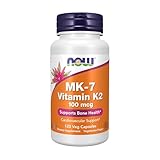

As an Amazon Associate, UsefulVitamins.com earns from qualifying purchases at no extra cost to you. We only recommend products supported by published research or third-party testing.
