

Affiliate disclosure: this article contains affiliate links. As an Amazon Associate, UsefulVitamins.com earns from qualifying purchases at no extra cost to you.
If you're looking for a complete guide to vitamin D that actually tells you what to do with the number on your lab report, the short answer is this: most adults benefit from a steady 1,000 to 2,000 IU of vitamin D3 per day, but the dose that fixes a deficiency is not the dose you stay on forever, and the supplement only earns its place if your food and sun exposure don't already cover the requirement. This guide walks through what vitamin D actually is, why it matters, how much you need, who should supplement, which form and dose match the trials, what the side effects look like, when to test 25(OH)D, and how to read the result.
Labels switch between mcg and IU depending on their age. The vitamin D unit converter turns one into the other, with a reference table for the common amounts.
Before you decide

Vitamin D is a fat-soluble secosteroid hormone the body makes from UV-B sunlight on skin or absorbs from a handful of foods (fatty fish, fortified dairy, egg yolks, some mushrooms). It supports calcium absorption, bone mineralization, immune function, and dozens of downstream pathways via the vitamin D receptor on most cell types. Roughly a quarter of adults in temperate climates run a 25(OH)D level under 30 ng/mL, with higher rates in older adults, people with darker skin, indoor workers, and anyone who covers most skin daily. The RDA is 600 to 800 IU and the tolerable upper limit is 4,000 IU per day. Most non-deficient adults do fine on 1,000 to 2,000 IU of D3 daily. Anyone with a level below 20 ng/mL should ask their doctor about a short repletion course before settling on a maintenance dose. Mega-doses do not produce mega-benefits and can cause harm.
What Vitamin D Actually Is
Vitamin D is a fat-soluble compound that functions less like a classic vitamin and more like a steroid hormone. The two forms on labels are vitamin D2 (ergocalciferol), from yeast or fungi, and vitamin D3 (cholecalciferol), from lanolin or, in vegan versions, from lichen. Both raise blood levels of 25-hydroxyvitamin D, but a 2012 systematic review by Tripkovic and colleagues in AJCN found D3 raises serum 25(OH)D more efficiently than D2 across the dose range studied.
Whether you swallow it or your skin makes it, vitamin D first travels to the liver and gets converted to 25-hydroxyvitamin D, written 25(OH)D, the storage form and the marker on lab reports. The kidneys then activate it into 1,25-dihydroxyvitamin D, also called calcitriol, the hormonal form that binds the vitamin D receptor (VDR) inside cells. VDRs sit on bone, intestinal, immune, and parathyroid cells and dozens of other tissues, which is why vitamin D status touches so many systems beyond bone.
The compound was first isolated in the 1920s after researchers noticed cod liver oil reversed rickets in children. The term "vitamin" stuck even after biochemists realized the body synthesizes the molecule from a cholesterol precursor in skin exposed to UV-B. That detail matters: it explains why latitude, season, skin pigmentation, age, sunscreen, and indoor lifestyle all affect how much you need from food or a supplement.
Actionable takeaway: prefer D3 on the label unless you have a vegan reason to choose D2 or lichen-derived D3. The form matters for how reliably the dose lifts your blood level.
Why It Matters

The classic deficiency syndromes are rickets in children (soft, deformed bones from poor calcium mineralization) and osteomalacia in adults (bone pain, muscle weakness, fractures from the same mechanism). These are rare in fortified-food countries but still appear, especially in exclusively breastfed infants who don't get vitamin D drops, in older adults who stay indoors, and in people with conditions that block fat absorption.
Beyond bone, low 25(OH)D status has been associated with higher rates of upper respiratory infections, mood symptoms, all-cause mortality in observational cohorts, and cardiovascular events. The honest read is that association is not causation. The largest trial on the cardiovascular and cancer questions, the VITAL trial in NEJM (Manson et al. 2019) (n=25,871, 2,000 IU D3 per day, median 5.3 years), found no significant reduction in invasive cancer or major cardiovascular events in a generally vitamin D-sufficient US adult population. A 2017 BMJ meta-analysis by Martineau and colleagues (n=10,933 across 25 RCTs) did show a modest protective effect on acute respiratory tract infection, strongest in people who started deficient.
NHANES data and similar surveys in Europe and the UK suggest 20 to 40% of adults carry a 25(OH)D under 20 ng/mL in winter, with higher rates in older adults, in people with darker skin, in nursing home residents, and in pregnant or lactating women. Endocrine Society guidance considers under 20 ng/mL deficient, 21 to 29 ng/mL insufficient, and 30 to 50 ng/mL the target for most outcomes.
The USPSTF in 2021 concluded current evidence is insufficient to recommend population-wide screening of asymptomatic adults. That doesn't mean testing is wrong. It means routine universal screening hasn't been shown to change outcomes in low-risk adults. People with risk factors are a different conversation.
Here's the tradeoff. Supplementing vitamin D in a deficient population reliably raises blood levels and reduces fracture risk in elders combined with calcium. Supplementing the same dose in an already-sufficient population mostly produces null trial results on cancer, CV, and mortality endpoints. The benefit lives in the deficient half.
Food Sources and RDA
Vitamin D shows up in a short list of foods. Fatty fish lead: a 3.5-ounce serving of cooked sockeye salmon delivers roughly 570 IU; rainbow trout about 645 IU; canned light tuna roughly 230 IU. Cod liver oil is the historic outlier at about 1,360 IU per tablespoon, with a fishy taste most people don't tolerate daily. Egg yolks carry 40 to 50 IU each. UV-exposed mushrooms (maitake, some treated white button and portabella) provide 100 to 400 IU per serving, mostly as D2. Fortified milk and plant milks add about 120 IU per cup in the US; fortified yogurt, orange juice, and breakfast cereals add similar to lower amounts per serving.
A typical 2000-calorie Western diet without intentional fortification choices delivers about 150 to 350 IU per day of vitamin D. That gap explains why fortification programs exist and why supplementation is so widely discussed.
The US Food and Nutrition Board RDA is 600 IU per day for ages 1 to 70 and 800 IU per day for adults over 70. The Adequate Intake for infants under 12 months is 400 IU per day, typically given as a drop. The tolerable upper intake level (UL) is 4,000 IU per day for adults, a regulatory ceiling for chronic intake without medical supervision, not a target.
UV-B from sunlight on bare skin synthesizes vitamin D3 from 7-dehydrocholesterol. The yield depends on latitude, season, time of day, skin pigment, age, and exposed surface area. As a rough guide, a fair-skinned adult exposing arms and legs for 10 to 15 minutes at solar noon in summer can synthesize a few thousand IU. North of about 35 degrees latitude, UV-B is too oblique from October through March to produce meaningful skin synthesis even on clear days.
Actionable takeaway: if you eat fatty fish twice a week and drink a glass of fortified milk daily, you're probably averaging 500 to 700 IU of dietary vitamin D, which is close to the RDA before any supplementation. If you don't eat fish and avoid dairy, you're probably under 200 IU, and a modest supplement closes the real gap.
Who Needs to Supplement
Supplementation earns its place when diet and sun exposure don't cover the requirement. The groups most likely to benefit:
- Older adults, especially over 70, whose skin synthesizes vitamin D less efficiently and who often have lower dietary intake.
- People with darker skin pigmentation, because melanin filters UV-B and reduces cutaneous synthesis.
- People living above about 35 degrees latitude through autumn-winter-spring, when UV-B is too oblique for skin synthesis.
- Indoor workers and homebound individuals whose daily sun exposure is minimal year-round.
- People who cover most skin for cultural or sun-protection reasons, including consistent high-SPF sunscreen users.
- Breastfed infants, who should receive 400 IU per day as a drop per AAP guidance, since breast milk is low in vitamin D unless the mother is supplementing at high doses.
- Pregnant and lactating women, who typically receive 600 IU in prenatal vitamins and may need more if their pre-pregnancy 25(OH)D was low. Talk to your OB about a level check.
- People with malabsorption conditions (Crohn's, ulcerative colitis, celiac, cystic fibrosis), post-bariatric surgery, and chronic liver or kidney disease, all of whom may need clinician-monitored repletion.
- People taking medications that interfere with vitamin D metabolism: chronic glucocorticoids, certain antiseizure medications (phenytoin, phenobarbital, carbamazepine), some HIV medications, and orlistat.
If your dietary intake of vitamin D is already at or above the RDA and you get regular daylight exposure on bare skin in spring through fall, more isn't automatically better. The supplement that helps is the one that closes a real gap.
Actionable takeaway: ask your doctor about a 25(OH)D test before assuming you're low if you're in any of the above groups. Blood work changes the question from "what should I take" to "what is my actual gap."
Forms and Bioavailability
The most common supplemental forms:
- Cholecalciferol (D3), derived from lanolin or, in vegan products, from lichen. D3 is the body's native form and the form sunlight produces in skin.
- Ergocalciferol (D2), derived from UV-irradiated yeast or fungi. D2 is the only form available as a high-dose prescription in some countries (50,000 IU capsules), commonly used in short repletion courses.
The practical question for adults choosing an over-the-counter supplement is whether D3 or D2 raises 25(OH)D more efficiently. The Tripkovic systematic review in AJCN found D3 superior to D2 at raising and maintaining 25(OH)D across dose ranges, with the gap widening at bolus dosing. For day-in, day-out maintenance dosing, both raise levels, but D3 raises them with less daily milligram input and holds them more steadily.
Vitamin D is fat-soluble, which means absorption improves when the supplement is taken with a meal containing fat. A teaspoon of olive oil on a salad, a slice of avocado, or a few nuts at the same meal is enough.
Format matters less than dose and timing, but a few notes:
- Oil-based softgels (D3 dissolved in olive, MCT, or sunflower oil) tend to absorb reliably even in people with low dietary fat at that meal.
- Dry tablets and capsules absorb adequately when taken with a fat-containing meal but may absorb less reliably when taken on an empty stomach or with a low-fat snack.
- Sublingual sprays and melts are marketed as "bypassing the gut" but there's little evidence they outperform a standard oral softgel taken with food. The buccal mucosa isn't well set up for fat-soluble compound absorption. For most people, an oil-based softgel with a meal is fine.
- D3 plus K2 combinations are popular. The mechanistic argument is that vitamin K2 helps direct calcium into bone matrix rather than soft tissue. The clinical evidence for combined D3-plus-K2 supplementation reducing cardiovascular events or fractures in already-replete adults is mixed. For most people without a clinician-driven reason to add K2, plain D3 with a meal is the simpler product.
Actionable takeaway: choose D3 (cholecalciferol) over D2 unless you have a specific reason to choose otherwise. Oil-based softgels with a meal are the most reliable everyday format.
Dosing Protocols
Three dose ranges, depending on what you're trying to do:
Maintenance in non-deficient adults: 1,000 to 2,000 IU per day of D3. This range comfortably keeps most adults in the 30 to 50 ng/mL target range without overshoot, sits well under the 4,000 IU UL, and aligns with the doses used in the VITAL trial and most population RCTs. People with lower baseline intake or limited sun exposure tend toward the upper end; people who eat fatty fish regularly and live at lower latitudes tend toward the lower end.
Short repletion for documented deficiency: 5,000 to 10,000 IU per day for 8 to 12 weeks, then retest and step down to maintenance. This is clinician territory, not over-the-counter improvisation. The Endocrine Society's 2011 clinical practice guideline by Holick and colleagues describes higher-dose repletion regimens for people with 25(OH)D under 20 ng/mL, with retest at the end of the repletion phase. Severe deficiency (under 12 ng/mL), pediatric repletion, and pregnancy repletion all need clinician oversight because the dose and duration are condition-specific.
Weekly or monthly boluses: 50,000 IU prescription D2 weekly for 8 weeks is a common repletion pattern used by clinicians. Daily dosing of D3 produces steadier 25(OH)D levels than monthly bolus dosing in head-to-head trials, and very large single doses (single-shot 300,000 to 500,000 IU) have shown mixed and sometimes harmful effects on fall and fracture risk in older adults. The pattern most supported by the trial evidence for maintenance is daily, not weekly or monthly mega-bolus.
The serum target most clinicians aim for is 30 to 50 ng/mL of 25(OH)D, with some research labs and integrative practitioners targeting 40 to 60 ng/mL. Going above 80 ng/mL chronically is not better and has been associated with adverse events in some observational data. There's a difference between the dose that fixes a deficiency and the dose that just stacks up in your kidneys.
Actionable takeaway: if you're starting fresh without a recent lab and you're in a low-risk group, 1,000 to 2,000 IU per day of D3 with the largest meal of the day is a reasonable starting point. If you suspect deficiency, get a 25(OH)D test before committing to a repletion dose.
Side Effects and Interactions
At doses within or modestly above the RDA, vitamin D is well tolerated. The main toxicity concern is hypercalcemia (high blood calcium) from chronic megadosing, typically over 10,000 IU per day sustained for months without monitoring. Symptoms include nausea, vomiting, increased thirst and urination, kidney stones, confusion, and in severe cases, kidney injury and cardiac arrhythmia. Acute toxicity from a single high oral dose is rare but documented.
Magnesium dependency matters. Vitamin D metabolism requires magnesium-dependent enzymes at multiple steps. Adults whose dietary magnesium intake is low (the average US adult covers about 60 to 70% of the magnesium RDA) may not fully utilize a vitamin D supplement, and some clinicians recommend co-supplementing 200 to 400 mg of magnesium glycinate or citrate for adults running high-dose vitamin D repletion.
Drug interactions worth knowing, drawn from the NIH ODS vitamin D fact sheet and Drugs.com interaction checker:
- Thiazide diuretics (hydrochlorothiazide, chlorthalidone) reduce urinary calcium excretion. Combining a thiazide with high-dose vitamin D can raise the risk of hypercalcemia. Ask your prescriber about monitoring if you're on both.
- Statins rely on the same cholesterol precursor (7-dehydrocholesterol pathway) as vitamin D skin synthesis. Most patients tolerate the combination, but a clinician-monitored 25(OH)D level is reasonable if you've been on a statin long-term and have symptoms suggesting low D.
- Antiseizure medications (phenytoin, phenobarbital, carbamazepine, primidone) accelerate vitamin D metabolism via hepatic enzyme induction. People on chronic antiseizure therapy often need higher maintenance doses, ideally guided by 25(OH)D levels.
- Glucocorticoids (long-term prednisone) reduce calcium absorption and accelerate bone loss. Chronic steroid users typically need 800 to 2,000 IU per day plus calcium under clinician guidance.
- Orlistat and bile acid sequestrants (cholestyramine, colesevelam) reduce absorption of fat-soluble vitamins including D. Separate the dose by several hours from the medication.
A supplement that has earned its place still has to fit the rest of the medication list. Don't bolt high-dose vitamin D onto a thiazide and a calcium supplement without telling your prescriber.
Testing: 25(OH)D Labs
The single useful blood test is serum 25-hydroxyvitamin D (25(OH)D, sometimes called calcidiol). It reflects both dietary intake and skin synthesis from the prior weeks and is the test the Endocrine Society and most clinical guidelines endorse. The other vitamin D blood test, 1,25-dihydroxyvitamin D, is reserved for specific renal or parathyroid problems and is not a screening test for vitamin D status.
Common reference ranges:
| 25(OH)D level | Interpretation |
|---|---|
| Under 12 ng/mL | Severe deficiency |
| 12 to 20 ng/mL | Deficiency |
| 21 to 29 ng/mL | Insufficiency |
| 30 to 50 ng/mL | Target range |
| Over 80 ng/mL chronically | Excess, not better |
When to test: if you fall into one of the supplementation-risk groups (older, darker skin, indoor, malabsorption, on interacting medications), if you're starting a high-dose repletion course, if you have unexplained bone pain or muscle weakness, or if your clinician orders it as part of a workup for osteoporosis, falls, or chronic fatigue.
Retest frequency: after 8 to 12 weeks on a new dose, then annually if stable. Once you're in the target range on a steady maintenance dose, frequent retesting offers diminishing return.
Who pays: in the US, insurance coverage of 25(OH)D testing varies. Coverage is typically routine when there's a documented risk factor or clinical indication. Cash-pay direct-to-consumer labs offer the test in the $35 to $75 range. The USPSTF's current "insufficient evidence" position on universal screening means many insurers won't cover it without a clinical indication.
If this is one of several products you take, StackMyMed (our companion app) scans each label and tallies your true daily total of every vitamin — an easy way to spot a quiet overlap.
FAQ and Conclusion
How long does it take a vitamin D supplement to raise my blood level? About 8 to 12 weeks for a steady daily dose to plateau at a new 25(OH)D level. That's why most repletion protocols call for an 8-to-12-week course and a retest, not a 2-week check.
Can I get enough vitamin D from sunlight alone? Yes, if you live at a low latitude, expose meaningful skin daily without sunscreen for short periods in summer, and have lighter skin pigmentation. For most adults in temperate climates, year-round, the realistic answer is no, especially through winter, and dietary plus modest supplemental D is the easier route than chasing sun exposure.
Is vitamin D3 from lanolin vegan? No, lanolin is derived from sheep's wool. Vegan-labeled D3 products use lichen as the source. Vitamin D2 is also vegan, derived from yeast or fungi, but raises 25(OH)D less efficiently than D3 per the comparative trials.
Do I need to take vitamin K2 with my D3? For most adults without a clinician-driven indication, no. The mechanistic argument for adding K2 is reasonable but the clinical RCT evidence for combined D3-plus-K2 reducing fractures or cardiovascular events in already-replete adults is mixed. Plain D3 with a meal is simpler and well supported.
Conclusion: the bottom line on vitamin D
Vitamin D is one of the few nutrients where the population-level case for supplementation is genuinely strong, mostly because diet and modern lifestyles don't cover the requirement for a meaningful share of adults. The honest read of the trial evidence is that vitamin D supplementation reliably raises blood levels and modestly reduces respiratory infections and falls in deficient populations, while showing largely null effects on cancer, cardiovascular events, and mortality in already-replete populations like the VITAL cohort. The benefit lives in the deficient half. The supplement earns its place when it closes a real gap, not when it stacks on top of an already-adequate intake.
For most adults, the practical recipe is a daily 1,000 to 2,000 IU D3 softgel taken with the largest meal, a 25(OH)D test if you're in a risk group or unsure, and a clinician conversation before any repletion dose above 4,000 IU per day. If you also want to think about complementary nutrients, our guide to the best supplements for winter immune support covers the seasonal layer, and the guide to the best supplements for osteoporosis prevention walks through the calcium and vitamin K context that often gets bundled with vitamin D decisions.
Next steps:
- If you're in a supplementation-risk group, ask your doctor about a 25(OH)D blood test before settling on a dose.
- Choose D3 (cholecalciferol), oil-based softgel, 1,000 to 2,000 IU per day with the largest meal as a default maintenance protocol.
- Review our supplement review methodology and read more from Sarah Thompson, RD on nutrient-status-driven supplementation.
This article is for informational purposes and not medical advice. Vitamin D supplementation, especially at repletion doses or in combination with thiazide diuretics, antiseizure medications, glucocorticoids, or calcium supplements, should be discussed with a licensed clinician. Consult your doctor before starting or changing a supplement regimen, particularly if you are pregnant, nursing, taking prescription medications, or managing a chronic condition.
Reviewed by Sarah Thompson, Registered Dietitian, focused on vitamin and mineral nutrition.
Recommended Products
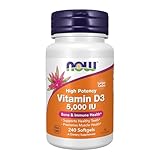
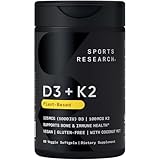

As an Amazon Associate, UsefulVitamins.com earns from qualifying purchases at no extra cost to you. We only recommend products supported by published research or third-party testing.
