

Affiliate disclosure: this article contains affiliate links. As an Amazon Associate, UsefulVitamins.com earns from qualifying purchases at no extra cost to you.
If you're searching for the best supplements for winter immune support, you're probably staring down a packed work calendar, a kid back in daycare germs, and an uncomfortable feeling that last winter cleaned you out.
Quick Answer: which supplements actually move the needle in winter?
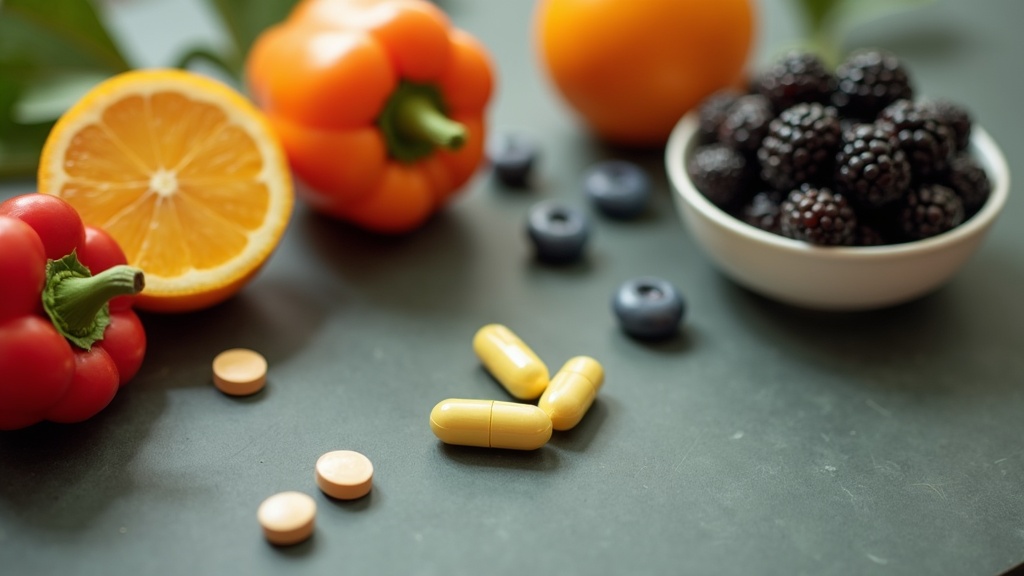
For most adults heading into winter, daily vitamin D3 at a sensible dose, zinc lozenges started within 24 hours of a tickle in your throat, and a Lactobacillus or Bifidobacterium probiotic if you're a frequent cold-catcher cover almost all the human-evidence signal. Everything else is adjunctive or noise.
- Best for: adults with limited winter sun exposure, frequent travelers, parents of school-age kids, healthcare and service workers, anyone who quietly knows their diet is light on produce November through March.
- Not ideal for: anyone using these as a reason to skip flu, COVID, or RSV vaccination; anyone with chronic kidney disease, hypercalcemia, or on immunosuppressants without a clinician in the loop.
- What to do FIRST: get your flu shot, COVID booster if eligible, and RSV vaccine if you qualify; wash your hands; sleep seven hours; eat citrus and bell peppers most days.
What winter immune support actually means
"Winter immune support" is a marketing phrase. The clinical reality is a seasonal cluster of viral upper respiratory tract infections: rhinoviruses, coronaviruses, influenza A and B, RSV, parainfluenza, and adenoviruses, plus a small number of bacterial complications. Cold-weather months concentrate transmission because we cluster indoors, ventilation drops, mucosal humidity falls, and circulating vitamin D status declines in higher latitudes from October through March.
Three things move the needle in the literature on whether you catch one of these and how rough it is. First, your overall immune competence, which is driven by sleep, glycemic control, and underlying chronic disease. Second, your specific antibody status against this season's strains, which is what vaccination addresses. Third, micronutrient adequacy, especially vitamin D, zinc, and to a lesser extent vitamin A, vitamin C, and selenium. The average Western diet covers most of these for most people, but vitamin D drops in winter for most adults above about 35 degrees latitude, and zinc is mildly under-consumed in older adults and in plant-based diets.
Standard of care for winter respiratory illness is set by the CDC respiratory virus guidance. That means annual influenza vaccination for everyone 6 months and older, updated COVID-19 vaccination per current schedule, and RSV vaccination for adults 60+ and at-risk pregnant patients per their obstetric team. Hand hygiene, sick-day isolation, masking in dense indoor settings during peak waves, and prompt antiviral treatment when indicated (oseltamivir for influenza, nirmatrelvir-ritonavir for COVID in eligible patients) round out the conventional layer. Supplements are an adjunct, not a substitute, and the strongest data sit on top of, not in place of, that base.
The supplements with the strongest evidence

Vitamin D3
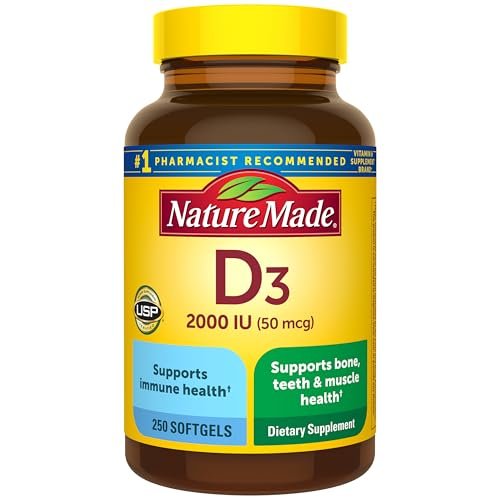
Vitamin D is the single most replicable winter immune signal in the human literature. The landmark Martineau et al. 2017 BMJ meta-analysis pooled 25 randomized trials with around 11,000 participants and found that vitamin D supplementation reduced the risk of at least one acute respiratory tract infection by about 12%. The protective effect was concentrated in two groups: participants who were frankly deficient at baseline (25-hydroxyvitamin D under 25 nmol/L, or about 10 ng/mL), where the relative risk reduction approached 70%, and participants taking daily or weekly doses rather than large infrequent boluses.
The NIH ODS RDA is 600 IU/day for adults under 70 and 800 IU/day for adults over 70, with a tolerable upper intake of 4,000 IU. The Martineau trials clustered at 400 to 2,000 IU/day, with the strongest effects in the daily-dosing arms. Status changes the question. Ask your doctor about a 25-hydroxyvitamin D blood test before assuming you're low or guessing at a megadose; winter status varies more than people realize, especially above the latitude of Atlanta or Madrid.
- Dose used in trials: 400 to 2,000 IU/day, daily or weekly. Daily beat large monthly boluses on infection outcomes
- Form to look for: D3 (cholecalciferol) over D2 (ergocalciferol); taken with a meal containing some fat
- Skip if: hypercalcemia, granulomatous disease like sarcoidosis, primary hyperparathyroidism, or you're already at 50+ ng/mL on labs
For a deeper read on choosing a product, see our best vitamin D supplements breakdown.
Actionable takeaway: if you live above latitude 35 and you have not had a 25-hydroxyvitamin D test in the past 12 months, ask for one at your next visit. A daily 1,000 to 2,000 IU D3 in winter is a low-risk hedge for most adults; a megadose without lab work is not.
Zinc lozenges
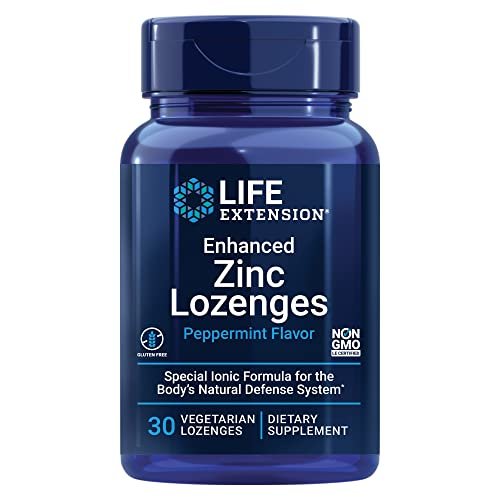
Zinc lozenges sit on solid ground for shortening, not preventing, the common cold. Hemilä's 2017 meta-analysis in JRSM Open pooled seven placebo-controlled trials of zinc acetate or zinc gluconate lozenges and reported the average cold duration shortened by about 33% when lozenges were started within 24 hours of symptom onset and dissolved in the mouth roughly every 2 to 3 waking hours for the first few days. The mechanism is local: zinc ions released from a lozenge contact rhinovirus on the oral and nasopharyngeal mucosa.
Two important constraints. First, lozenges are the only form with consistent positive trial data; capsules and tablets that bypass oral mucosal contact do not show the same effect. Second, intranasal zinc gels and swabs have been linked to permanent anosmia. The FDA issued a public health advisory on intranasal zinc products in 2009. Don't use them.
- Dose used in trials: 75 to 90 mg/day elemental zinc, divided into 6 to 8 lozenges, dissolved slowly, for no more than 5 to 7 days during an acute cold
- Form to look for: zinc acetate or zinc gluconate lozenge; avoid citric acid co-formulation in some products which may neutralize the active zinc ion
- Skip if: pregnant or nursing without OBGYN sign-off, copper deficiency risk, on certain antibiotics or penicillamine. Source: NIH ODS zinc fact sheet and Drugs.com zinc interactions. Do not use chronically at high doses; long-term high-dose zinc depletes copper.
The lozenge data does not extend to prevention. Don't suck on zinc daily through January as a shield; use it as a within-24-hour response when you feel a cold start.
Probiotics (Lactobacillus and Bifidobacterium strains)
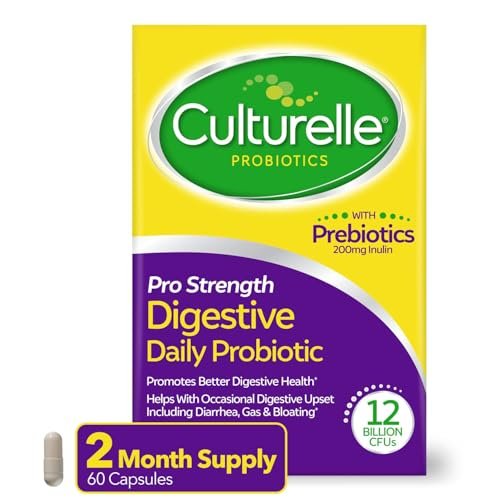
A 2015 Cochrane review (Hao et al., n=3,720 across 12 trials) found that probiotics reduced the number of people experiencing at least one upper respiratory tract infection by about 47% and reduced antibiotic prescription rates compared with placebo. The signal was strongest for combinations including Lactobacillus and Bifidobacterium species at doses around 1 to 10 billion CFU/day taken consistently over 3 months or longer.
This is a prevention play, not a treatment. The trials ran for months, not days, so the relevant strategy is daily use starting in early autumn and continuing through the season, not a panic purchase mid-cold.
- Dose used in trials: ~1 to 10 billion CFU/day of a multi-strain product including Lactobacillus and Bifidobacterium
- Form to look for: third-party tested for live CFU at expiration (not just at manufacture), refrigerated or shelf-stable per label, with the specific strain names listed
- Skip if: immunocompromised (recent chemotherapy, transplant, advanced HIV), central venous catheter, or pancreatitis without clinician sign-off
If your dietary intake of fermented foods (kefir, live yogurt, kimchi, sauerkraut) is already daily, you may not need an additional supplement. Food sources cover this requirement for many people who eat broadly.
Supplements with moderate evidence
Vitamin C
Vitamin C has the most famous winter reputation and the most modest actual trial signal. Hemilä and Chalker's 2013 Cochrane review pooled 29 trials with over 11,000 participants and found that daily prophylactic vitamin C at 200 mg or more did not reduce the incidence of colds in the general population, but did shorten cold duration modestly: about 8% in adults and 14% in children. A separate signal favored prevention only in people under heavy short-term physical stress, like marathon runners and soldiers in cold environments.
The RDA is 75 mg/day for women and 90 mg/day for men. A whole navel orange has about 70 mg; a red bell pepper has roughly 150 mg. The average US diet covers the RDA for most adults who eat any produce. The trial doses sit at 200 to 1,000 mg/day, well above the RDA, with limited dose-response evidence above 200 mg.
- Dose used in trials: 200 to 1,000 mg/day; higher doses produce diminishing returns and GI side effects
- Form to look for: plain ascorbic acid is fine; food-form (citrus, peppers, broccoli, kiwi) is preferred where diet permits
- Skip if: history of oxalate kidney stones (chronic high-dose ascorbic acid raises urinary oxalate); hemochromatosis (vitamin C increases iron absorption)
Food beats pill here. Whole oranges and bell peppers cover the RDA without the GI side effects of chewable 1,000 mg tablets. The supplement earns its place if your diet doesn't.
Elderberry (Sambucus nigra)
Hawkins et al. 2019 meta-analyzed four small trials of elderberry extract for upper respiratory symptoms and reported a roughly 2-day reduction in symptom duration. Two of the included trials were small influenza-context studies. The evidence base is promising but limited in size, and post-pandemic data are still maturing.
- Dose used in trials: ~300 to 600 mg/day of standardized elderberry extract (or about 15 mL of a standardized syrup, twice daily) during acute symptoms
- Form to look for: standardized extracts with stated polyphenol or anthocyanin content; avoid raw uncooked elderberry, which contains cyanogenic compounds
- Skip if: on immunosuppressants (autoimmune flares have been theorized, though not well-documented); pregnant or nursing without OBGYN sign-off
Elderberry is reasonable as an acute adjunct, not as a daily preventive.
Beta-glucans (yeast-derived 1,3/1,6)
Yeast-derived beta-glucan supplements (typically from Saccharomyces cerevisiae) have shown modest reductions in self-reported cold symptom days in small RCTs, mostly funded by the ingredient manufacturer. The mechanism (training of innate immune cells via dectin-1) is biologically plausible, but the effect sizes are small and replication across independent labs is limited. Worth considering if cost is low and you tolerate it; not worth displacing vitamin D or a probiotic.
Popular but evidence-thin
Echinacea
Echinacea is the dominant herb in winter immune marketing. The Karsch-Volk et al. 2014 Cochrane review examined 24 trials and concluded that echinacea preparations do not show a reliable benefit over placebo for treating an established cold. A weaker signal exists for prevention with very specific Echinacea purpurea pressed-juice extracts, but heterogeneity across products, plant parts, and preparation methods makes consistent recommendations hard. If you want to try it as a preventive, use a single standardized product over a defined period; treat the expected benefit as small.
High-dose vitamin C IV drips
Heavily marketed in "wellness" clinics, particularly during peak cold season. There is no convincing RCT evidence that intravenous vitamin C in non-deficient adults prevents or shortens common viral respiratory infections beyond what oral dosing achieves. The risk profile is small for most adults, but the dollar cost is not.
What to look for when buying
A supplement brand can look impressive on the front of the bottle and still miss the basics. Use these filters:
- Form first. D3 not D2. Zinc acetate or gluconate lozenges, not capsules. Live, named probiotic strains. Standardized elderberry extract with stated polyphenol content.
- Dose matches the trial range. 1,000 to 2,000 IU D3, 75 to 90 mg/day elemental zinc as lozenges for 5 to 7 days only, 1 to 10 billion CFU probiotic daily.
- Third-party verified. Look for USP Verified, NSF Certified, or ConsumerLab Approved marks on the label.
- No "immune blends" with hidden doses. If a "wellness shot" lists 15 ingredients without per-ingredient milligrams, the formulator is selling vibes.
The real question isn't which immune blend is trendiest, it's whether the doses on the label close a real gap and whether you're using the standard-of-care layer underneath them.
When supplements are not enough
Supplements are a thin protective layer. They are not antibiotics, antivirals, or vaccines. Contact a clinician promptly if:
- A "cold" comes with a fever above 102 °F (39 °C) that doesn't break in 3 days, especially with cough and shortness of breath
- You're in a higher-risk group (age 65+, pregnant, immunocompromised, with chronic lung, heart, kidney, or liver disease, or diabetes) and you have flu or COVID symptoms within the 48-hour antiviral treatment window
- Shortness of breath at rest, chest pain, confusion, dehydration, or symptoms that improve and then sharply worsen
- An infant under 3 months has any fever, or any child has labored breathing, persistent vomiting, or signs of dehydration
- Symptoms persist beyond 10 days or worsen after initial improvement, which can signal bacterial complication
These are signals for evaluation, not for another bottle.
FAQ
Should I take vitamin C every day in winter or only when I feel sick? Daily prophylactic vitamin C does not reduce how often you get colds, but it does modestly shorten the ones you get. Starting it after symptoms appear has not shown a consistent benefit. If you take it daily, 200 mg is enough; food sources are preferable. See NIH ODS vitamin C for full DRI.
How fast do I need to start zinc lozenges to get a benefit? The trials with positive results started lozenges within 24 hours of symptom onset. Beyond 48 hours, the duration benefit shrinks substantially. The "first tickle" rule is real.
Can supplements replace a flu shot? No. Vaccination produces a strain-specific antibody response that no supplement reproduces. Supplements modestly support general immune function; vaccines do something biologically different. The two stack.
Are "immunity blends" with 8 ingredients better than single nutrients? Usually not. Multi-ingredient blends frequently underdose every component to fit them on one label. A 1,000 IU D3 plus a clean zinc lozenge when needed beats a 12-ingredient "wellness shot" most weeks of winter.
What about elderberry during influenza specifically? A small body of evidence suggests symptom days drop with elderberry started early in influenza. It is not a substitute for oseltamivir (Tamiflu) for high-risk patients within the 48-hour treatment window. For a deeper look at acute illness, see our best supplements for cold and flu season breakdown.
Building a supplement routine for this? Our companion app, StackMyMed, lets you scan each product, track your real daily intake, and get timing reminders plus interaction checks across your whole stack.
Conclusion: the bottom line on best supplements for winter immune support
For most adults, the highest-value moves into winter are unglamorous and consistent: get the season's vaccines, sleep seven hours, eat citrus and peppers most days, supplement vitamin D3 daily at a trial-matched dose, keep zinc acetate or gluconate lozenges in the medicine cabinet for the first 24 hours of a cold, and consider a Lactobacillus-Bifidobacterium probiotic if you catch everything that goes around. Vitamin C is mildly useful and largely food-replaceable. Elderberry and beta-glucan are reasonable adjuncts. Echinacea and IV vitamin C drips can be skipped without missing anything. None of this replaces the standard of care.
Next steps:
- Confirm you're up to date on flu, COVID, and RSV (if eligible) vaccination at your next clinician visit.
- Ask for a 25-hydroxyvitamin D test if you haven't had one in the past 12 months, especially if you live above latitude 35.
- Read how we review supplements for the framework behind these picks, and see Sarah Thompson's author page for related nutrition coverage.
Reviewed by Sarah Thompson, Registered Dietitian, focused on vitamin and mineral nutrition.
This article is for informational purposes and not medical advice. Supplements can interact with medications and health conditions. Consult a licensed physician before starting any supplement, particularly if you are pregnant, nursing, immunocompromised, taking prescription medications, or managing a chronic condition like kidney disease, sarcoidosis, or hypercalcemia.
Top picks on Amazon
As an Amazon Associate, I earn from qualifying purchases. Product recommendations are based on real reviews and independent research.
