

Affiliate disclosure: this article contains affiliate links. As an Amazon Associate, UsefulVitamins.com earns from qualifying purchases at no extra cost to you.
If you are searching for the best supplements for ADHD, you have probably tried the obvious stack (caffeine, theanine, a generic fish oil) and want to know what else has real biochemical signal behind it.
Quick Answer: which supplements for ADHD have real evidence?
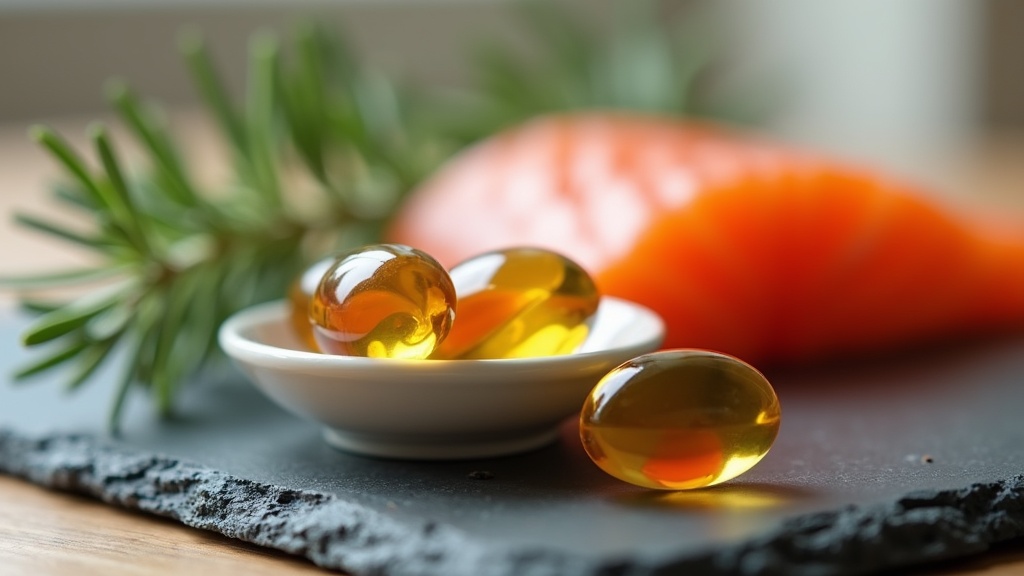
The 2 to 3 we would actually start with:
- EPA-dominant omega-3 fish oil, roughly 1,000 to 1,200 mg EPA per day. This has the most replicated meta-analytic signal, with the largest effect in youth whose baseline EPA is low.
- Iron, but only if ferritin is under about 30 ng/mL. The trial that matters used 80 mg/day ferrous sulfate in children with documented low iron stores. Outside that group the case is weak.
- Zinc, a modest signal, mostly in pediatric ADHD and in zinc-low populations, at 15 to 30 mg/day of zinc glycinate or sulfate.
Who should not start with these: anyone already on a prescription stimulant adjustment cycle should not add three supplements at once (you cannot tell what is doing what). Adults with normal ferritin and normal red cell counts should skip iron entirely. People on warfarin or other anticoagulants need to clear high-dose fish oil with the prescriber first.
What to do FIRST: if functional impairment is severe (lost jobs, failing classes, dangerous driving), a stimulant evaluation by a psychiatrist or developmental pediatrician comes before any supplement protocol. The 2019 AAP guideline lists FDA-approved stimulant medication plus behavior therapy as first-line for school-age children, and adult ADHD guidelines mirror that. Supplements are adjunctive, not a replacement.
What ADHD actually is, biochemically
ADHD is a neurodevelopmental condition with a strong genetic component and a distinct neurochemistry: under-functioning of catecholamine signaling in the prefrontal cortex, specifically dopamine and norepinephrine. The clinical picture is inattention, hyperactivity, impulsivity, and, in many adults, executive dysfunction without obvious hyperactivity. Diagnosis is symptom-based against DSM-5 criteria, not lab-based.
Stimulant medications work because methylphenidate blocks the dopamine transporter (DAT) and amphetamines push dopamine and norepinephrine into the synapse, both of which boost prefrontal signal-to-noise. Any supplement that claims to "treat ADHD" needs to either touch the same neurochemistry (saffron and l-theanine plausibly do, to a smaller degree) or fix a downstream deficit dragging cognition (iron, EPA, zinc when low). Most candidates fail on both criteria.
Severity ranges enormously. The standard of care follows the AAP 2019 ADHD Clinical Practice Guideline for kids and adolescents, and equivalent CADDRA or NICE recommendations for adults. None of those guidelines list a supplement as first-line, and that framing matters when reading what comes next.
Strongest evidence supplements

EPA-dominant omega-3
Why it helps. EPA (eicosapentaenoic acid) is a long-chain omega-3 fatty acid that gets incorporated into neuronal membranes and modulates downstream eicosanoid signaling. Mechanistically it appears to upregulate BDNF expression in animal models and to influence dopamine receptor signaling in the prefrontal cortex. The reason EPA matters more than DHA for ADHD specifically is that meta-analytic effect sizes track with EPA content of the supplement, not DHA.
What the trials show. A widely cited meta-analysis (Bloch & Qawasmi 2011, PubMed 21961774) found a small but reliable effect of omega-3 on ADHD symptoms, with EPA dose as the single strongest predictor of effect size. A larger 2017 youth-focused systematic review (Chang et al., PubMed 28741625) confirmed lower baseline EPA in kids with ADHD versus controls and modest improvement on supplementation. The cleanest mechanistic trial is Chang et al. 2019 in Translational Psychiatry: 92 youth aged 6 to 18, randomized to 1.2 g EPA or placebo for 12 weeks. The EPA arm improved on focused attention variability, and the subgroup with the lowest baseline EPA showed the biggest jump.
Dose used in trials. 1,000 to 2,000 mg of EPA per day in the studies that hit significance, with treatment durations of at least 12 weeks (and meta-analytic subgroups suggesting 16 weeks or more for full effect).
Form to look for. EPA-dominant fish oil (EPA at least 60% of total EPA+DHA), triglyceride or re-esterified triglyceride form, third-party tested for oxidation and heavy metals. The ConsumerLab fish oil review flagged three of 14 tested products as exceeding oxidation limits in its most recent round; potency on a label is not the same as quality in the bottle. Brands that have passed ConsumerLab include Nordic Naturals, Carlson, and Wiley's Finest. For a deeper roundup, see our best omega-3 supplements guide.
Dose-in-trial vs dose-people-buy. This is where the gap is widest. A standard 1,000 mg fish oil softgel from a generic store brand typically contains only 180 mg EPA. To match the 1,200 mg used in the Chang trial, a reader would have to take roughly seven of those softgels per day. Most disappointment with "fish oil did nothing for my ADHD" traces back to underdosing, not to fish oil failing.
Skip if you are on warfarin or another anticoagulant without prescriber clearance, or if you have a known fish allergy (algal EPA exists but few brands offer high-EPA algal products).
Actionable takeaway: Read the back of the label and count milligrams of EPA, not "fish oil." If your bottle does not get you to roughly 1,000 mg EPA per day at a reasonable dose, you are buying the wrong product.
Iron (only when ferritin is low)
Why it helps. Iron is a cofactor for tyrosine hydroxylase, the rate-limiting enzyme in dopamine synthesis. Low brain iron means less dopamine production capacity, and the symptoms of low iron in the brain overlap heavily with inattentive-type ADHD. This is one of the few "fix a deficiency" stories with real biochemical teeth.
What the trials show. The Konofal et al. 2008 RCT randomized 23 non-anemic children aged 5 to 8 with serum ferritin under 30 ng/mL to 80 mg/day ferrous sulfate or placebo for 12 weeks. The ADHD Rating Scale dropped significantly in the iron group and not in placebo. A 2024 systematic review of iron supplementation across neurodevelopmental disorders supported the signal in iron-deficient children with ADHD and did not support routine supplementation in iron-replete patients.
Dose used in trial. 80 mg/day elemental iron (ferrous sulfate) for 12 weeks in iron-low children.
Form to look for. Ferrous sulfate, ferrous bisglycinate (gentler GI side effects), or iron complexed with vitamin C for absorption. Take on an empty stomach with vitamin C if tolerated, and not with calcium, coffee, or tea.
Skip if ferritin is above 50 ng/mL, hemoglobin is normal, and there is no clinical suspicion of low iron. Iron is one of the few supplements where taking it without need is genuinely harmful (oxidative stress, GI damage, and in extreme cases hemochromatosis-adjacent loading in genetically susceptible adults).
Dose-in-trial vs dose-people-buy. Most over-the-counter iron tablets are dosed at 65 mg of elemental iron, close enough to the trial. The problem is not dose; it is people supplementing iron without checking ferritin first. Get the lab.
Actionable takeaway: Before starting iron, get a serum ferritin (and ideally a CBC). If ferritin is under 30 ng/mL and your child has ADHD, the case for a 12-week trial is reasonable. Above 50, leave iron alone.
Zinc
Why it helps. Zinc is a cofactor for over 300 enzymes, several of which sit in dopamine and melatonin pathways. It also stabilizes the dopamine transporter and modulates NMDA receptor function. The mechanistic story is real, although less neurotransmitter-specific than iron.
What the trials show. The 2021 dose-response meta-analysis found a significant effect of zinc on ADHD total scores (Hedges' g around -0.62) but not on hyperactivity scores in isolation. Earlier trials in Turkey and Iran were positive, while one well-designed US trial showed no effect when zinc was added to an existing stimulant regimen. The most charitable read: zinc helps when baseline status is low, which is common in Middle Eastern populations and rare in well-fed Western kids.
Dose used in trial. 15 to 30 mg/day of elemental zinc (typically zinc sulfate or zinc glycinate) for 6 to 13 weeks.
Form to look for. Zinc glycinate or zinc picolinate for absorption; zinc oxide is poorly absorbed and not what trials used. Pair with a few milligrams of copper if used for more than two months (zinc displaces copper).
Skip if you are already taking a multivitamin that contains 15+ mg of zinc, or if your kid already gets red meat or oysters regularly. Long-term high-dose zinc without copper causes a real copper deficiency.
Actionable takeaway: A short, modest zinc trial (15 mg/day for 8 weeks) is low-risk in pediatric ADHD where dietary intake is uncertain. Do not expect a stimulant-sized effect.
Moderate evidence supplements (consider with caveats)
Saffron (Crocus sativus stigma extract)
A small but striking pilot RCT by Baziar et al. 2019 compared saffron 20 to 30 mg/day to methylphenidate 20 to 30 mg/day over six weeks in 54 children with ADHD and found no significant difference between the two arms on the ADHD Rating Scale. That is a strong signal for an herb, but it is one short trial in 50 kids in Iran. Mechanistically, saffron's active components (crocin, safranal) appear to modulate serotonin, dopamine, and glutamate, with animal evidence of monoamine-oxidase inhibition. A 2024 systematic review in the Journal of Attention Disorders called the signal "promising but preliminary." Trial dose: 20 to 30 mg/day standardized extract. Skip if pregnant (saffron is contraindicated) or on an SSRI without prescriber clearance.
L-theanine plus caffeine
L-theanine is an amino acid from green tea that crosses the blood-brain barrier and increases alpha-wave activity. Combined with caffeine it has small but reproducible effects on sustained attention in healthy adults. The pediatric ADHD evidence is thinner: a proof-of-concept neuroimaging RCT in boys with ADHD at 2.5 mg/kg L-theanine + 2.0 mg/kg caffeine improved total cognition composite and Go/NoGo discrimination, but caffeine alone worsened inhibitory control. Mechanistically the combination hits adenosine A2A receptors and increases prefrontal cortex activation. Trial-style dose for adults: 100 to 200 mg L-theanine with 50 to 100 mg caffeine. Worth a low-cost trial in adult ADHD; it does not replace stimulant medication.
Magnesium
The mechanism is real (magnesium is a calcium-channel and NMDA modulator), but the trial base is thin. A few small Eastern European trials, including a French study using 6 mg/kg magnesium plus 0.6 mg/kg vitamin B6, reported reduced hyperactivity, but blinding was poor and populations were magnesium-low. A more recent Iranian RCT showed magnesium + vitamin D improved emotional and conduct problems but did not move hyperactivity scores. Reasonable to trial at 200 mg/day magnesium glycinate if intake is suspected low. Do not expect attention to change on magnesium alone.
Popular but evidence-thin
Bacopa monnieri
Bacopa is widely recommended for ADHD on supplement blogs because of its general nootropic reputation, but the ADHD-specific trial base is small. The largest pediatric trial, the BACHI study (Kean et al. 2022), used CDRI 08 in 93 male children with inattention and hyperactivity for 16 weeks. The primary outcome (Conners' Parent Rating Scale) did not move significantly. Secondary cognitive endpoints (error rate, cognitive flexibility, sleep routine) improved. That is a mixed result, not a clear ADHD win. Bacopa is a possibly-useful general cognition adaptogen with mixed pediatric ADHD data, not a first-line ADHD pick.
Vitamin D and phosphatidylserine
Children with ADHD have lower mean serum vitamin D than controls in observational studies, and a meta-analysis of supplementation trials suggests a modest adjunctive effect, but trials are heterogeneous. Fix documented low vitamin D on general grounds; do not expect vitamin D alone to move ADHD scores. Phosphatidylserine has one small positive pediatric trial (Hirayama 2014, 200 mg/day for 2 months, n=36) and a 2021 meta-analysis calling the evidence "limited but suggestive." A reasonable short trial, not a high-conviction pick.
What to look for when buying
| Question | What to check |
|---|---|
| Does the label show EPA in milligrams, not just "fish oil"? | EPA per softgel, target 500+ mg per pill |
| Third-party tested? | ConsumerLab approved, USP Verified, NSF Certified for Sport, or IFOS 5-star for fish oil |
| Form (for the specific compound)? | Ferrous bisglycinate or sulfate for iron; zinc glycinate or picolinate; EPA-dominant TG-form fish oil |
| Is there a proprietary blend hiding the dose? | If yes, skip; you cannot match the trial dose without per-ingredient mg |
| Does the brand publish a third-party assay? | Nordic Naturals, Thorne, Pure Encapsulations, and Carlson typically do |
For our framework on how we vet brands, see how we review supplements.
When supplements are not enough
Stop self-treating and book a clinician evaluation if:
- Functional impairment is severe (job loss, academic failure, dangerous driving, relationship damage from impulsivity)
- A child cannot sit through a meal or stay safe in a parking lot
- Symptoms include emotional dysregulation or anxiety/depression that has not responded to lifestyle and supplement adjustments over 8 to 12 weeks
- You are considering supplementing a school-age child without a formal diagnosis (start with the pediatrician)
- ADHD symptoms appeared abruptly in adulthood (unusual; warrants workup for thyroid, sleep apnea, anemia, or mood disorder masquerading)
Diagnostic and treatment evaluation should follow the AAP guideline for kids or established adult ADHD guidelines (CADDRA, NICE, or the American Professional Society of ADHD). The real question is not "supplement or drug," it is "what combination gets this person functioning."
If anxiety or low mood is part of the picture, our best supplements for anxiety guide covers the overlap.
FAQ
Can supplements replace ADHD medication? No. The 2019 AAP guideline and adult ADHD guidelines list FDA-approved stimulant or non-stimulant medication plus behavior therapy as first-line. Supplements are adjunctive. Some people with mild ADHD do well on lifestyle + supplements alone, but that is a decision to make with a clinician.
How long before omega-3 starts working for ADHD? Plan on at least 12 weeks at a real EPA dose (1,000 mg or more per day) before judging. Meta-analytic subgroups suggest 16 weeks is closer to the realistic window. Anyone telling you they "felt it in three days" is most likely describing placebo.
Is it safe to give my child supplements for ADHD? Pediatric supplementation should be discussed with your pediatrician, especially for iron and high-dose fish oil. Iron in a child without documented low ferritin is not benign. Run the labs first.
What about caffeine for adult ADHD? Many adults with ADHD self-medicate with coffee. The L-theanine + caffeine combination has cleaner data on sustained attention than caffeine alone, partly because L-theanine blunts caffeine's anxiety side-effect.
Are nootropic "smart drug" stacks safe for ADHD? Most consumer "nootropic stacks" sold for ADHD use racetams or other compounds without quality human ADHD trials. Stick with the short list above and a real clinician for medication.
Building a supplement routine for this? Our companion app, StackMyMed, lets you scan each product, track your real daily intake, and get timing reminders plus interaction checks across your whole stack.
Conclusion: the bottom line on best supplements for ADHD
The honest summary: EPA-dominant fish oil at a real trial-equivalent dose (around 1,000 mg EPA per day for 12+ weeks) has the most replicated signal, iron has strong evidence in children with ferritin under 30 and weak evidence everywhere else, and zinc and saffron each have modest signals in specific populations. Everything else either has thin pediatric data (Bacopa, phosphatidylserine, vitamin D as a stand-alone) or works mechanistically but underwhelms in trials. Supplements are real adjuncts to standard ADHD care, not replacements.
Next steps:
- Read the back of the omega-3 label and confirm EPA milligrams per serving before buying
- If you suspect low iron, ask your clinician for a serum ferritin (and CBC) before starting any iron
- For pediatric supplementation decisions, talk to your pediatrician (see the AAP 2019 ADHD guideline for the full standard of care) and explore overlapping needs in our author bio
Reviewed by Maria Rodriguez, MS Nutrition Science, focused on cognitive and mood biochemistry.
This article is for informational purposes and not medical advice. Supplements can interact with medications, including stimulants and SSRIs, and dosing recommendations are not one-size-fits-all. Consult a licensed physician, pediatrician, or psychiatrist before starting any supplement protocol for ADHD, particularly for children, during pregnancy, or alongside prescription medications.
Top picks on Amazon
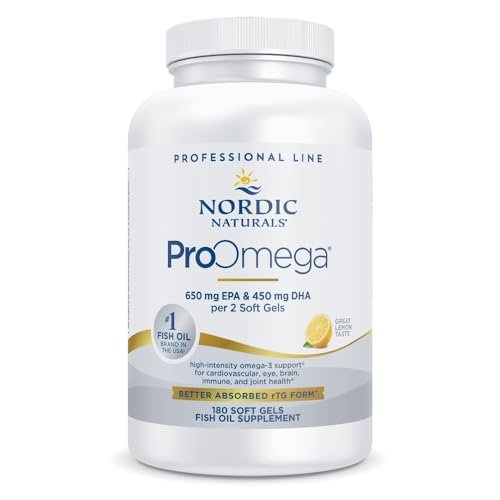
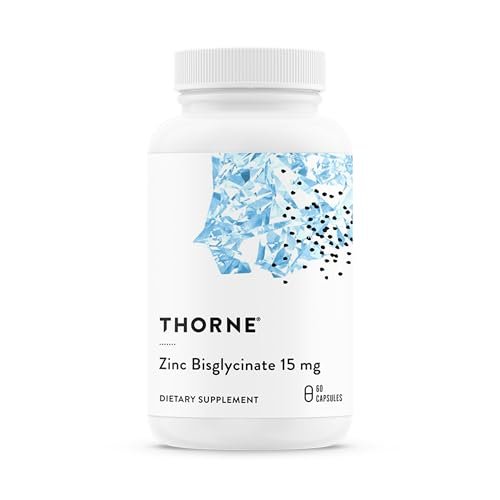
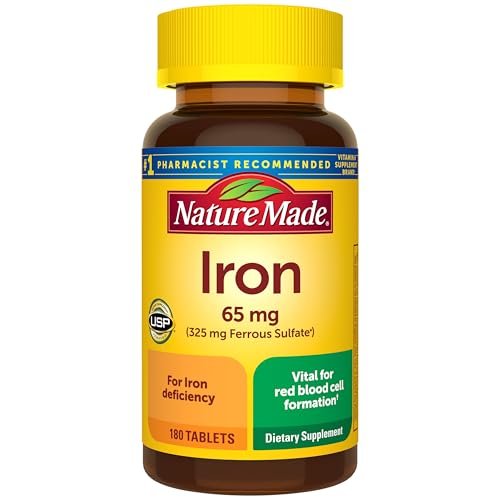
As an Amazon Associate, I earn from qualifying purchases. Product recommendations are based on real reviews and independent research.
