

Affiliate disclosure: this article contains affiliate links. As an Amazon Associate, UsefulVitamins.com earns from qualifying purchases at no extra cost to you.
If you searched for the best magnesium for sleep, you probably already tried melatonin and want a straight answer on which form of magnesium is actually worth buying.
Before you decide
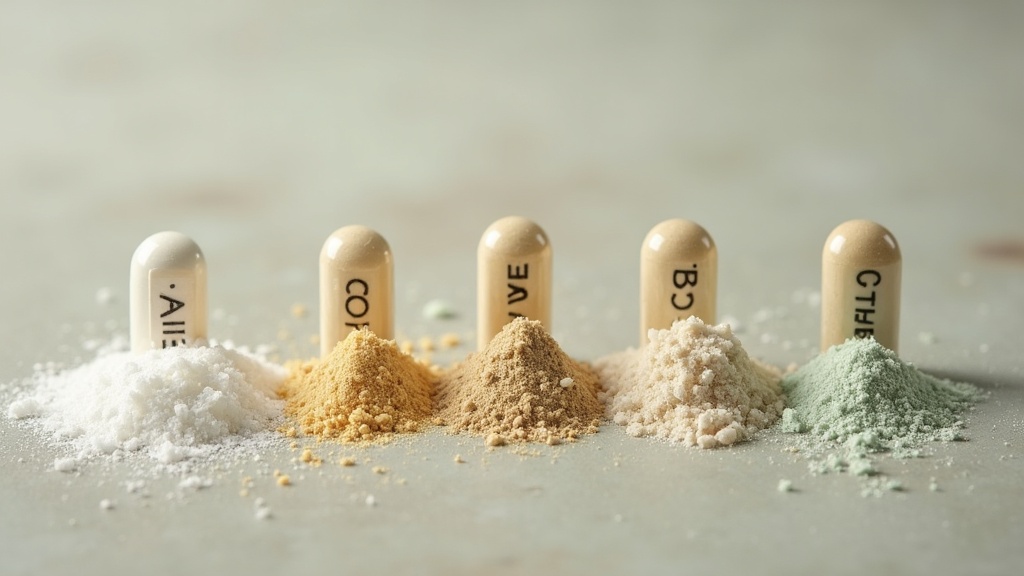
Who should NOT start here: anyone with stage 3 or worse chronic kidney disease, anyone on a fluoroquinolone, tetracycline, bisphosphonate, or levothyroxine without separating doses by at least 4 hours, and anyone with diagnosed insomnia disorder who has not yet been offered CBT-I.
Do this FIRST before adding magnesium: get an honest read on your sleep hygiene, your evening caffeine, and your bedroom light. If symptoms have lasted more than 3 months, ask your primary care clinician about a referral for cognitive behavioral therapy for insomnia. CBT-I outperforms every supplement on the market for chronic insomnia.
What "magnesium for sleep" actually means
Magnesium is an essential mineral, a cofactor in more than 300 enzymatic reactions. The pathways that overlap with sleep are the NMDA receptor (magnesium is the channel's natural blocker, which dampens glutamate excitation), GABA-A binding (magnesium acts as an agonist at certain sites), and the parasympathetic response to stress.
The clinical picture most people have is not classical insomnia disorder. It is a low-grade, stress-driven, light-and-restless pattern with a long sleep-onset latency and middle-of-the-night wakings. The supplement aisle treats this as a magnesium problem because the average US adult eats less than the RDA of magnesium, and several short trials in older adults with insomnia have shown modest improvement in sleep-onset latency, total sleep time, and Pittsburgh Sleep Quality Index scores after 4 to 8 weeks of supplementation. The NIH ODS Magnesium Fact Sheet puts the RDA at 320 mg for women and 420 mg for men, with US food intake running around 60 to 70 percent of that. A 200 mg supplement closes that gap rather than overshooting it.
The standard of care for chronic insomnia, per the AASM 2021 clinical practice guideline, is cognitive behavioral therapy for insomnia (CBT-I), not a pill. Magnesium is an adjunct that may help a stressed reader sleep a bit better. It is not a treatment for diagnosed insomnia. The real question isn't which magnesium bottle to buy, it's whether your sleep problem is a nutrient gap and a routine problem, or a clinical problem that needs a different door.
The supplements with the strongest evidence

Magnesium glycinate (also labeled magnesium bisglycinate)
Why it helps. Glycinate is magnesium bound to two molecules of the amino acid glycine. The magnesium piece supports the NMDA and GABA effects above. The glycine piece is itself mildly sleep-supportive: small RCTs (Yamadera 2007, Inagawa 2006) found 3 g of glycine at bedtime improved subjective sleep quality and reduced daytime sleepiness in adults with sleep complaints. You are not getting a full glycine dose from a magnesium glycinate capsule, but the form is the most gut-friendly of the common magnesium salts.
What the trials show. Most of the direct sleep RCTs on magnesium did not test glycinate by itself, which is the honest caveat. The signal comes from the broader magnesium literature plus mechanism. The Mah and Pitre 2021 meta-analysis of 3 RCTs in older adults with insomnia found a modest 17-minute reduction in sleep onset latency with supplemental magnesium, though the authors flagged the trials as low quality. The Boyle 2017 systematic review on magnesium for anxiety and stress found a small benefit on subjective anxiety, which is one upstream driver of light sleep.
Dose used in trials. Magnesium trials for sleep and anxiety have used 200 to 500 mg of elemental magnesium per day, usually split or taken in the evening. For glycinate specifically, the practical range is 200 to 400 mg elemental at bedtime.
Form to look for. "Magnesium glycinate" or "magnesium bisglycinate" with the elemental magnesium amount clearly disclosed on the label. Some products hide behind a "magnesium glycinate complex" that is mostly cheap oxide with a glycinate dusting, so check for the elemental number, not the compound weight.
Skip if. You have stage 3 or worse chronic kidney disease (or eGFR under 60), since the kidneys clear magnesium and impaired clearance can drive hypermagnesemia. Skip the evening dose if you are also taking levothyroxine, a bisphosphonate, a fluoroquinolone, or a tetracycline antibiotic at bedtime; separate by at least 4 hours per the Drugs.com interaction monographs.
Magnesium L-threonate (Magtein)
Why it helps. L-threonate is the only magnesium form with published preclinical evidence of crossing the blood-brain barrier and raising magnesium concentrations inside the central nervous system. The mechanism is interesting for sleep that is tangled with cognitive symptoms, since brain magnesium modulates NMDA signaling in the prefrontal cortex and hippocampus. The patented form is sold as Magtein.
What the trials show. The original 2010 mouse study from Slutsky et al. showed L-threonate raised brain magnesium and improved learning in rodents. Human data remain limited. The Liu 2022 pilot gave 1.5 to 2 g of L-threonate daily to older adults with cognitive complaints for 12 weeks and reported modest gains on cognitive screening plus improvements in sleep quality scores. The sleep effect is secondary, not the primary outcome, and the trial was small. Independent sleep RCTs at the scale of the older magnesium-oxide insomnia trials do not yet exist.
Dose used in trials. Magtein-branded products dose around 2 g of magnesium L-threonate per day, which provides roughly 144 mg of elemental magnesium. The label typically splits the dose with the larger portion at bedtime.
Form to look for. The Magtein trademark on the label is the only way to know you are getting the studied form. Generic "magnesium threonate" without the Magtein mark may be the same chemical, but the published trials used the branded form.
Skip if. Your goal is purely sleep onset and you do not have a cognitive component, in which case glycinate gets you most of the benefit at one-fifth the price. Also skip if your kidney function is impaired, per the standard magnesium caution.
Magnesium citrate
Why it helps. Citrate is one of the more bioavailable common magnesium forms. The Walker 2003 RCT found citrate produced higher serum and 24-hour urinary magnesium than oxide and chelate at the same elemental dose. It is also one of the cheapest forms per mg.
What the trials show. Citrate sits inside the Mah and Pitre 2021 meta-analysis as one of the forms tested in older adults with insomnia. The Abbasi 2012 RCT gave 500 mg of elemental magnesium daily for 8 weeks to older adults with primary insomnia and found improvements in sleep onset latency, total sleep time, and serum cortisol versus placebo. That trial used magnesium oxide, but it anchors the dose-and-duration expectations for citrate as well, given citrate's better absorption.
Dose used in trials. 200 to 500 mg elemental, with the evening dose anywhere from 200 to 350 mg. Higher doses creep into laxative territory.
Form to look for. Plain "magnesium citrate" with the elemental amount on the label. Powders that mix into water (Natural Calm and similar) are well-absorbed but pre-acidified, which is fine for absorption and unpleasant at high doses.
Skip if. You have a history of loose stools, irritable bowel with diarrhea, or you are already eating a high-magnesium diet plus another supplement form. Citrate is the form most likely to send you to the bathroom at the higher end of the sleep range.
Magnesium forms with moderate evidence
Magnesium taurate
Worth considering if your sleep is tangled with cardiovascular symptoms or palpitations, with caveats. The taurate complex pairs magnesium with the amino acid taurine, which has its own mild sleep-supportive signal in small trials. Most of the taurate literature is cardiovascular, not sleep, and there is no large RCT pitting it against glycinate for insomnia. If glycinate did not move the needle, taurate is a reasonable second try at 200 to 400 mg elemental in the evening.
Magnesium malate
Mixed evidence for sleep, with a real mechanism for daytime energy instead. Malate is the form most studied in fibromyalgia and chronic fatigue, where the malic acid component is thought to support mitochondrial energy production. For sleep it is not the obvious pick because the energy framing implies daytime dosing. Some people sleep better when their daytime fatigue is reduced, which is a defensible reason to take malate at breakfast or lunch with glycinate at bedtime. Do not stack the same metal twice.
Popular but evidence-thin
Magnesium oxide
Magnesium oxide is the cheapest form and the form used in the largest single sleep RCT (Abbasi 2012), which is the reason you still see it recommended online. The actual problem: oxide is poorly absorbed (estimates run around 4 percent bioavailable in the Walker 2003 head-to-head) and is the form most associated with osmotic diarrhea. The reasonable read is that the 8 weeks of dosing in Abbasi 2012 eventually delivered enough magnesium to budge sleep, but you can get the same delivered dose from 200 mg of glycinate without the GI tax. If you already own a bottle of oxide and it agrees with you, finish it. Do not buy more for sleep.
"Magnesium for sleep" gummies with melatonin and L-theanine stacked in
The category is widely recommended in social media. The actual problem is that the magnesium dose in these products usually runs 50 to 100 mg of elemental, well below any sleep trial, and the melatonin component is often the active driver of any felt effect. If you want melatonin, take a small standalone dose (0.3 to 1 mg) and a real magnesium dose separately.
What to look for when buying
Pick a form first, then a brand. For sleep, the form decision is glycinate by default, citrate if budget is the constraint, L-threonate (Magtein) if cognitive symptoms ride along. Then look for:
- Elemental magnesium clearly disclosed. The label should say "200 mg of elemental magnesium" or similar. The compound weight (e.g., "1,000 mg magnesium glycinate") is not the same number.
- Third-party verification. USP Verified, NSF Certified for Sport, or a published ConsumerLab assay. The ConsumerLab Magnesium Supplements Review tests US brands annually and is the cleanest signal for assay-vs-label match.
- No proprietary blends. If the label hides the elemental magnesium inside a "Sleep Recovery Blend," put it back on the shelf.
- Reasonable price per elemental mg. Glycinate runs roughly 5 to 12 cents per 200 mg elemental at fair retail. L-threonate is dramatically more, often 60 cents to a dollar per dose, which is worth knowing before you build a multi-month habit.
Actionable takeaway: split your dose if you take more than 200 mg elemental at a time. Magnesium absorption follows a saturable transport pattern at higher doses, so 200 mg with dinner plus 200 mg an hour before bed often delivers more than 400 mg in one sitting.
When magnesium is not enough
If your sleep problem has persisted for more than 3 months, occurs at least 3 nights a week, and is interfering with daytime function, you meet the working definition of chronic insomnia disorder. That is not a magnesium problem. The AASM 2021 guideline names cognitive behavioral therapy for insomnia (CBT-I) as first-line, with prescription medications only after CBT-I has been considered. Ask your primary care clinician about a CBT-I referral or one of the validated digital CBT-I programs.
Other clinical signals that mean "stop self-treating, get evaluated": loud snoring with witnessed pauses in breathing (rule out obstructive sleep apnea with a sleep study), restless legs symptoms with a creeping or aching urge to move at night (iron studies first, ferritin under 75 is often the issue), early morning waking with low mood and loss of interest for more than 2 weeks (screen for depression), and any new severe insomnia in a person over 65 (medication review, thyroid, and cardiac workup).
FAQ
How much magnesium should I take for sleep?
Most sleep trials in adults have used 200 to 500 mg of elemental magnesium per day, with the evening dose between 200 and 400 mg. Start at 200 mg of glycinate about an hour before bed and increase only if there is no felt effect after 2 to 4 weeks. The tolerable upper intake from supplements is 350 mg for adults, per the NIH, so doses above that should be discussed with a clinician.
Is magnesium glycinate or citrate better for sleep?
Glycinate is the default for sleep because it is gentler on the gut and the glycine component has its own mild sleep signal. Citrate is more bioavailable per Walker 2003 and cheaper, but it is more likely to loosen stools at sleep-relevant doses. If glycinate is well-tolerated, stay there. If you need to save money and your gut handles it, citrate is fine.
How long before bed should I take magnesium?
About 60 minutes before lights-out is the practical window. Magnesium peaks in serum roughly 1 to 2 hours after an oral dose. Taking it at the bedside as you are falling asleep is too late; taking it at dinner is fine, especially if dinner is light and within 2 hours of bedtime.
Can I take magnesium with melatonin?
Yes, the two are not pharmacologically interactive in any clinically meaningful way. If your sleep issue is sleep-onset specifically, a small dose of melatonin (0.3 to 1 mg) does more on that axis. Magnesium tends to help sleep quality and middle-of-the-night wakings more than initial onset.
Do I need a blood test before supplementing magnesium for sleep?
Not for a short trial at 200 mg. Serum magnesium is also a poor marker because less than 1 percent of total body magnesium sits in serum. If your insomnia is chronic and you suspect a real deficiency (PPI use over a year, diuretic use, alcohol use disorder, type 2 diabetes), ask your doctor about an RBC magnesium test.
Conclusion: the bottom line on best magnesium for sleep
If you only buy one bottle, magnesium glycinate at 200 to 400 mg of elemental magnesium an hour before bed is the sensible default for restless, stress-driven, light sleep in an adult. Citrate is a reasonable budget alternative if your gut tolerates it. L-threonate (Magtein) is the right pick only if your sleep problem is tangled with cognitive complaints and you accept the price. The realistic effect size from the older-adult RCTs is modest, with sleep onset latency about 17 minutes shorter and sleep quality scores moving by a fraction of a standard deviation. That can be the difference between a restless night and a decent one, but it is not a cure for diagnosed insomnia, and it should not replace CBT-I when CBT-I is indicated.
Food first: a small handful of pumpkin seeds (about 150 mg of magnesium per ounce, per USDA FoodData Central) at dinner closes a meaningful share of the daily RDA gap before any capsule.
Next steps:
- Pick a glycinate product with elemental magnesium clearly disclosed and a published third-party assay, and try a 4-week trial at 200 to 400 mg in the evening.
- Read the complete guide to magnesium for the full forms-and-food picture if you want context beyond sleep.
- If you are weighing magnesium against melatonin specifically, see magnesium vs melatonin for sleep for the head-to-head.
For the sourcing and triage standards behind every UV roundup, see how we review supplements. More on the author and other vitamin-and-mineral coverage on the Sarah Thompson author page.
This article is for informational purposes and not medical advice. Magnesium can interact with prescription medications including levothyroxine, bisphosphonates, fluoroquinolones, and tetracyclines, and is cleared by the kidneys. Consult a licensed clinician before starting any supplement, particularly if you are pregnant, nursing, taking prescription medications, have kidney disease, or are managing a chronic condition.
Reviewed by Sarah Thompson, Registered Dietitian, focused on vitamin and mineral nutrition.
Recommended Products


As an Amazon Associate, UsefulVitamins.com earns from qualifying purchases at no extra cost to you. We only recommend products supported by published research or third-party testing.
