
Affiliate disclosure: this article contains affiliate links. As an Amazon Associate, UsefulVitamins.com earns from qualifying purchases at no extra cost to you.
If you searched for curcumin bioavailability because every turmeric bottle on Amazon now claims a different absorption multiplier and you cannot tell whether 95% curcuminoids, BioPerine, Meriva, Theracurmin, or liposomal is actually the form worth paying for, you deserve a straight answer rooted in the pharmacokinetics rather than the label graphics.
Before you decide
Who should NOT take high-dose curcumin without a clinician review: anyone on warfarin or another anticoagulant, anyone on antiplatelet therapy, anyone scheduled for surgery within 2 weeks, anyone with active gallbladder disease or biliary obstruction, anyone pregnant or trying to conceive, and anyone on a CYP3A4-metabolized prescription medication.
Do this FIRST before scaling the dose: if your goal is rheumatoid arthritis, lupus, or another systemic inflammatory disease, the conversation is rheumatology and disease-modifying therapy first, with curcumin as a possible adjunct second. For mild knee osteoarthritis with confirmed imaging, a curcumin trial is a reasonable conservative step alongside loading-dose exercise and weight management.
What bioavailability means for curcumin
Curcumin is the textbook example of a molecule with strong in vitro activity and weak human pharmacokinetics. Three independent absorption barriers stack on each other, and any honest comparison of forms has to address all three rather than just the marketing-friendly first one.
The first barrier is solubility. Curcumin is highly lipophilic and essentially insoluble in water at physiological pH, which means a plain powdered capsule dissolves poorly in the upper gut and most of the dose passes through without ever crossing the enterocyte membrane. The second barrier is intestinal and hepatic conjugation. The small fraction that does cross the gut wall is rapidly glucuronidated and sulfated by UGT and SULT enzymes, producing curcumin metabolites whose biological activity is not the same as the parent molecule. The third barrier is P-glycoprotein efflux, an active transporter in the intestinal lining that pumps a portion of any absorbed curcumin back into the gut lumen.
Mechanistically, every enhanced curcumin form on the market is trying to defeat one or more of these three barriers. Piperine inhibits glucuronidation and the P-glycoprotein efflux pump. Phytosome (Meriva) wraps curcumin in phosphatidylcholine to improve lipid-phase solubility and lymphatic uptake. Theracurmin uses submicron colloidal dispersion to bypass the solubility bottleneck. Liposomal preparations encapsulate curcumin in lipid bilayers. Longvida (SLCP) uses a solid lipid particle.
When trials compare forms, the proxy metric is usually total curcuminoid AUC (area under the plasma concentration curve over 12 or 24 hours), with Cmax (peak plasma concentration) and half-life as secondary readouts. The catch worth naming early: most of what circulates after oral dosing is conjugated metabolites, not free curcumin, and whether the conjugates are biologically active at the target tissue is still an open question.
The forms compared
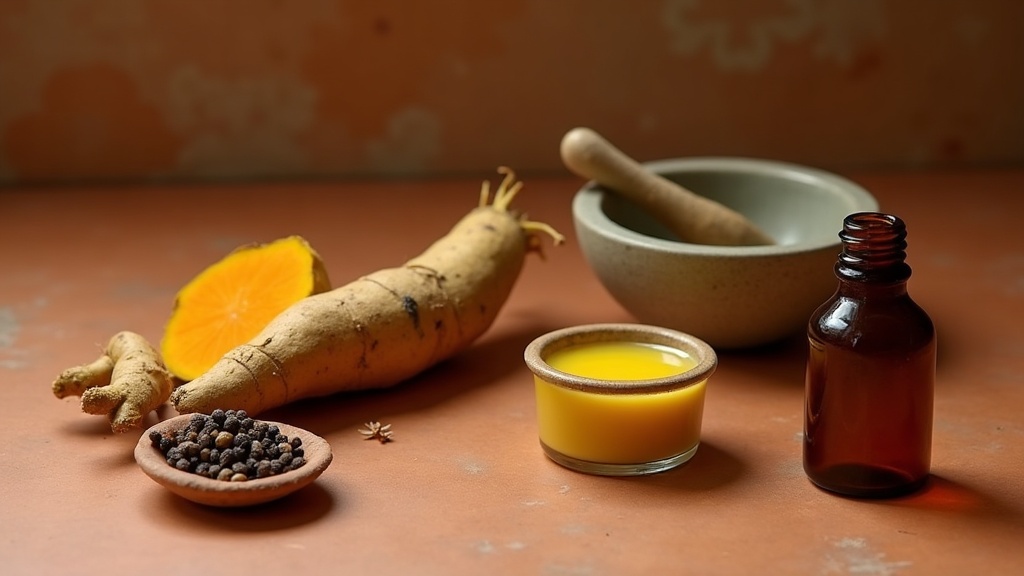
There are six forms a reader will see on the Amazon shelf and the practitioner-channel sites, and they differ both in how they solve the bioavailability problem and in how much human evidence supports the absorption claim.
Plain curcumin (standard 95% curcuminoid extract)
This is generic turmeric extract standardized to 95% curcuminoids (curcumin, demethoxycurcumin, bisdemethoxycurcumin) with no absorption enhancer. The cost is the lowest in the category at roughly $5 to $10 per month, and the absorption ceiling is the worst. Per the Anand 2007 review, oral bioavailability of plain curcumin is below 1%, and a 500 mg standard capsule may deliver only a few milligrams of curcuminoid equivalents to the bloodstream. The form is not worthless for digestive or local-gut effects, but for any systemic target (joints, vascular endothelium, systemic inflammation), it is a category miss.
Curcumin plus piperine (BioPerine)
BioPerine is the patented form of black pepper extract standardized to 95% piperine that most enhanced turmeric blends use. The Shoba 1998 human pharmacokinetic study gave healthy volunteers either 2 g of curcumin alone or 2 g of curcumin with 20 mg of piperine and measured serum curcumin concentrations. The piperine arm produced roughly a 20-fold increase in plasma curcumin and a longer time-to-peak, an effect attributed to inhibition of intestinal glucuronidation and P-glycoprotein efflux. Cost lands around $10 to $20 per month for a daily 500 to 1,000 mg curcumin plus 5 to 10 mg BioPerine combination.
Phytosome (Meriva, Indena-patented)
Meriva is curcumin complexed with phosphatidylcholine in a 1:2 weight ratio plus microcrystalline cellulose, and the resulting phytosome is more lipid-soluble and better absorbed via the intestinal lymphatic pathway. Human pharmacokinetic work by Cuomo and colleagues showed roughly 29 times higher total curcuminoid plasma exposure than an equivalent dose of standard curcumin. The Belcaro 2010 product-evaluation registry followed 100 osteoarthritis patients on 200 mg of Meriva twice daily for 3 months alongside standard care and reported reduced WOMAC scores, reduced inflammatory markers, and a roughly 60% decrease in concurrent NSAID use compared to the control arm. Cost runs $30 to $50 per month.
Theracurmin (Theravalues-patented)
Theracurmin is curcumin reduced to submicron particle size and dispersed in a gum ghatti and glycerin colloid. The Sasaki 2011 pharmacokinetic work in healthy volunteers showed roughly 27 times higher plasma curcuminoid AUC compared with a powdered curcumin reference. Subsequent small RCTs have used Theracurmin in knee osteoarthritis, vascular endothelial function, and post-exertional muscle damage with mixed but generally positive signals. Cost is $30 to $60 per month at typical clinical doses of 90 to 180 mg per day.
Liposomal curcumin
Liposomal preparations encapsulate curcumin in phospholipid bilayer vesicles. The mechanism is plausible, but the human pharmacokinetic literature is thinner than the phytosome and Theracurmin work, and several products marketed as "liposomal" are actually emulsions or micelles. Cost runs $30 to $50 per month.
Longvida (Verdure Sciences SLCP) and CurcuWIN
Longvida (a solid lipid curcumin particle) and CurcuWIN (a water-dispersible curcumin) both claim very large absorption multipliers (roughly 65-fold and 136-fold respectively in manufacturer-funded pharmacokinetic work). The Antony 2008 cross-over pilot is one of the earlier published bioenhanced curcumin pharmacokinetic studies. Independent replication of the largest claimed multipliers is limited. Cost runs $40 to $60 per month.
| Form | Relative Bioavailability vs Standard | Typical Daily Dose | Cost / Month | Best-cited human data |
|---|---|---|---|---|
| Plain curcumin (95%) | 1x (reference, <1% absorbed) | 1,000 to 1,500 mg | $5 to $10 | Kuptniratsaikul 2014 knee OA |
| Curcumin + Piperine (BioPerine) | ~20x | 500 to 1,000 mg + 5 to 10 mg piperine | $10 to $20 | Shoba 1998 PK |
| Phytosome (Meriva) | ~29x | 200 to 1,000 mg | $30 to $50 | Belcaro 2010 registry |
| Theracurmin | ~27x | 90 to 180 mg | $30 to $60 | Sasaki 2011 PK |
| Liposomal | Variable, brand-dependent | 200 to 500 mg | $30 to $50 | Limited human PK |
| Longvida / CurcuWIN | ~65 to 136x (manufacturer data) | 80 to 400 mg | $40 to $60 | Manufacturer-funded PK |
The RCT evidence per form
The evidence base for curcumin's clinical effects is widest at the plain-curcumin end, because most older trials used the cheapest available form at high doses. The best-known curcumin-for-osteoarthritis trial used the worst-bioavailability form and still showed a signal because the dose was very high.
The Kuptniratsaikul 2014 RCT randomized 367 adults with knee osteoarthritis to either 1,500 mg per day of Curcuma domestica extract or 1,200 mg per day of ibuprofen for 4 weeks. The curcumin arm produced comparable improvements in WOMAC pain and function scores to ibuprofen with fewer GI adverse events. The trial used a brute-force high dose of a low-bioavailability form. At 1,500 mg per day, even a 1% absorbed fraction gets the dose into a clinically relevant range.
The Belcaro 2010 Meriva registry is the cleanest published outcome study for an enhanced form. It used 400 mg of Meriva twice daily (delivering roughly 80 mg of curcuminoids per day in the phytosome carrier) and showed comparable WOMAC reductions to the higher plain-curcumin doses, plus the NSAID-sparing effect. A roughly 19-fold lower delivered curcuminoid dose produced a similar clinical effect. That is the bioavailability argument in practical form.
The Shoba 1998 piperine work and the Sasaki 2011 Theracurmin work are pharmacokinetic comparisons, not clinical outcome trials. They establish that plasma curcuminoid exposure goes up, which is necessary but not sufficient evidence that a clinical effect will follow. Treat manufacturer-funded pharmacokinetic data as one input, not a proxy for clinical efficacy. Form choice for systemic chronic use leans on phytosome or Theracurmin because those two forms have both the cleanest pharmacokinetic data and the cleanest outcome data.
Cost-vs-bioavailability decision matrix
The math that matters is cost per absorbed milligram, not cost per labeled milligram. A simple back-of-envelope worked example:
- 500 mg of plain curcumin at less than 1% absorbed delivers roughly 5 mg of curcuminoid equivalents systemically, at a cost of roughly $0.25 per dose, which is about $0.05 per absorbed mg.
- 500 mg of curcumin plus 5 mg BioPerine at roughly 20x absorption delivers about 100 mg of curcuminoid equivalents systemically, at a cost of roughly $0.50 per dose, which is about $0.005 per absorbed mg.
- 200 mg of Meriva at roughly 29x absorption (and a roughly 40% curcuminoid content per phytosome weight) delivers about 80 mg of curcuminoid equivalents systemically, at a cost of roughly $1.00 per dose, which is about $0.0125 per absorbed mg.
On pure cost-per-absorbed-milligram, piperine wins. On chronic-use clinical outcome data and on tolerability of long-term high piperine exposure (which is a real consideration for anyone on a CYP3A4-metabolized medication or with a sensitive gut), Meriva or Theracurmin wins.
The premium form earns its place in three scenarios. First, when daily piperine is contraindicated by a drug interaction (any CYP3A4 substrate, common immunosuppressants, certain statins, several calcium channel blockers). Second, when the goal is chronic systemic anti-inflammatory support for joints or vascular health rather than acute use. Third, when GI sensitivity to piperine causes heartburn or reflux. The cheap piperine combination is genuinely the right answer for most healthy adults who want a daily turmeric habit, and the premium phytosome or Theracurmin is the right answer for the chronic-use, clinically-targeted population.
How to choose the right form for your goal
The most honest version of "which curcumin" is a profile match rather than a single winner.
If you have mild knee osteoarthritis confirmed by imaging: Meriva at 400 mg twice daily for a 12-week trial is the form with the cleanest published outcome registry. Pair with loading-dose physical therapy and weight management. Re-evaluate at 12 weeks against your own WOMAC-equivalent symptom score. For broader supplement context for joint pain, see the UV best supplements for arthritis guide.
If you want a daily anti-inflammatory adjunct as a generally healthy adult and you are not on a CYP3A4 substrate medication: A standardized curcumin plus BioPerine product at 500 to 1,000 mg of curcuminoids plus 5 to 10 mg piperine daily, taken with a fat-containing meal, is the best cost-per-absorbed-mg.
If you are on a CYP3A4-metabolized medication, on warfarin, or on antiplatelet therapy: This is the conversation-with-your-prescriber category before any curcumin. If the prescriber clears it, Meriva or Theracurmin without piperine reduces one layer of interaction concern, and the dose should be at the low end of the studied range.
If you have rheumatoid arthritis, lupus, ankylosing spondylitis, or another systemic inflammatory disease: Curcumin is not a substitute for disease-modifying anti-rheumatic drugs. The conversation is rheumatology first. A botanical adjunct discussion belongs with the prescribing rheumatologist, not on a supplement label.
If your interest is general longevity or vague "inflammation" without a specific clinical target: Two cups of strongly brewed turmeric milk (turmeric simmered in milk or coconut milk with a crack of black pepper, the traditional Ayurvedic Haldi Doodh) is the lowest-cost, longest-tradition version of this intervention. The supplement decision is real only if you have a specific outcome you can track.
If you want curcumin for post-workout recovery: Theracurmin has the most direct exercise-recovery data, at 90 to 180 mg per day.
FAQ
Is plain curcumin a scam? Not a scam, but it is the wrong tool for systemic effects. For local gut or biliary effects, plain curcumin or whole turmeric powder is fine and has a long traditional record. For joints, vascular health, or any systemic anti-inflammatory target, an enhanced form is a more honest dose choice.
Does taking curcumin with fat improve absorption? Yes, modestly. Curcumin is fat-soluble, and taking any form with a meal that contains 10 to 20 grams of fat improves micelle formation and absorption. This is one reason traditional Indian use combines turmeric with ghee. It does not turn plain curcumin into a high-bioavailability form, but it stacks on top of whatever form you choose.
Is Meriva safe in pregnancy? Curcumin in food doses (culinary turmeric in cooking) is generally considered safe in pregnancy. Concentrated curcumin supplements at clinical doses have not been studied in pregnant populations and are flagged as a pregnancy-caution category by the NIH NCCIH turmeric summary. Anyone pregnant, nursing, or trying to conceive should consult their OBGYN before any concentrated curcumin supplement.
Why does the label dose differ from the trial dose? Most enhanced forms (Meriva, Theracurmin) are sold at the trial-comparable dose precisely because the enhanced absorption allows it. Many plain-curcumin products are sold at the 1,500 mg per day trial dose (Kuptniratsaikul 2014) because that is what the brute-force absorption math requires. If the label is suggesting 500 mg of plain curcumin per day, that is sub-therapeutic for any systemic target.
Are practitioner-channel brands worth the markup? For Meriva and Theracurmin specifically, yes, because these are patented ingredients with verifiable identity, and the practitioner-channel brands (Thorne Meriva-SF, Pure Encapsulations CurcumaSorb, Integrative Therapeutics Theracurmin HP) consistently source the actual studied ingredients with batch documentation. Generic Amazon listings claiming "Meriva-like" or "Theracurmin-style" without licensed sourcing are not the same product.
Adding this to a few other supplements? Our companion app, StackMyMed, scans the label, tracks your real daily intake, and schedules the best time to take it around everything else in your routine.
Conclusion: the bottom line on curcumin bioavailability
For a generally healthy adult who wants a daily turmeric habit and is not on a CYP3A4-metabolized prescription, a standardized curcumin plus BioPerine product at 500 to 1,000 mg of curcuminoids plus a few milligrams of piperine, taken with a fat-containing meal, is the most defensible cost-per-absorbed-milligram choice and lands at about $0.50 per day. For a reader with mild knee osteoarthritis or a clinical target where chronic systemic exposure matters, paying 3 to 5 times more for Meriva or Theracurmin earns its place, because the absorption advantage is documented in human pharmacokinetic studies and the Meriva osteoarthritis registry is the cleanest clinical outcome dataset for an enhanced form.
Plain curcumin without any enhancer is the only form I do not recommend for a systemic goal, with the single exception of the brute-force high-dose Kuptniratsaikul-style protocol where the cost savings disappear into the higher pill count. Traditional Ayurveda solved this problem with turmeric plus ghee plus black pepper centuries before the phytosome patent existed, and the modern enhanced forms are a re-engineered version of that absorption hack.
Next steps:
- For the methodology behind how UV ranks supplement forms and brands, see how we review supplements.
- For supplement choices in the broader joint and arthritis context, see best supplements for arthritis.
- For more botanical and naturopathic coverage from this byline, see the Jonathan Reynolds author page.
This article is for informational purposes and not medical advice. Curcumin and turmeric supplements may interact with warfarin and other anticoagulants, antiplatelet medications, CYP3A4-metabolized prescriptions (including certain statins, calcium channel blockers, and immunosuppressants), and iron supplementation (curcumin can chelate iron and reduce absorption), per the Drugs.com turmeric monograph. Consult a licensed clinician before starting any supplement, particularly if you are pregnant, nursing, taking prescription medications, scheduled for surgery, or managing a chronic condition.
Reviewed by Jonathan Reynolds, ND, focused on botanical and naturopathic protocols.
Recommended Products


As an Amazon Associate, UsefulVitamins.com earns from qualifying purchases at no extra cost to you. We only recommend products supported by published research or third-party testing.
