

Affiliate disclosure: this article contains affiliate links. As an Amazon Associate, UsefulVitamins.com earns from qualifying purchases at no extra cost to you.
If you're searching for the best supplements for depression, you've already read that omega-3, vitamin D, and St John's wort can help, and you want to know which claims survive a serious look at the human trial evidence.
Before you decide
The 2 to 3 supplements I would actually start with, in order:
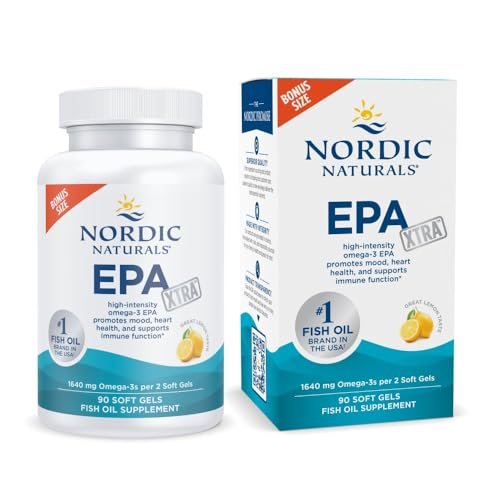
- EPA-dominant omega-3 (≥60% EPA, 1,000 to 2,000 mg EPA/day): the only nutraceutical with replicated meta-analytic signal for major depression.
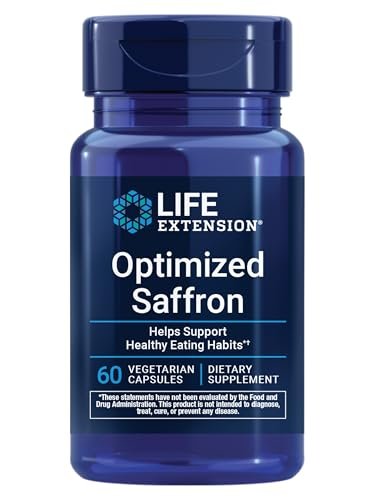
- Saffron extract (30 mg/day, standardized): comparable to SSRIs in several head-to-head trials of mild-to-moderate depression, with a clean side-effect profile.
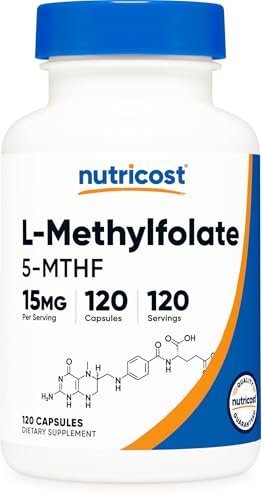
- L-methylfolate (15 mg/day) if you have not fully responded to an SSRI: augmentation evidence, used as a prescription medical food in the US under the brand Deplin.
Who should not start with these: anyone with active suicidal ideation, anyone already on an SSRI, SNRI, MAOI, or triptan who is considering St John's wort or 5-HTP, anyone with bipolar disorder where antidepressants of any kind can destabilize mood without a mood stabilizer on board.
What to do FIRST, before any supplement: confirm the diagnosis with a clinician, get a basic labs panel (CBC, TSH, ferritin, 25-OH vitamin D, B12, folate), and treat any deficiency you find. Supplements are adjuncts, not substitutes for a workup.
What Depression Actually Is, Briefly
Major depressive disorder is not "feeling sad". It is a neurobiological condition defined by five or more of nine specific symptoms (depressed mood, anhedonia, sleep change, appetite change, fatigue, cognitive slowing, worthlessness, psychomotor change, suicidal ideation) lasting at least two weeks and impairing function.
Mechanistically the picture is broader than the old "low serotonin" story. The current model involves disrupted serotonin, norepinephrine, and dopamine signaling at synapses like the serotonin transporter (SERT) and the dopamine transporter (DAT), reduced BDNF expression and impaired neuroplasticity in the hippocampus and prefrontal cortex, low-grade neuroinflammation with elevated IL-6 and TNF-α, and HPA-axis dysregulation that keeps cortisol elevated. Different patients have different dominant pathologies, which is one reason "one drug for everyone" rarely works.
Severity matters. Mild and moderate depression respond to a wider range of interventions. Moderate-to-severe and treatment-resistant depression are a different clinical category. Per the APA Practice Guideline for Major Depressive Disorder, first-line pharmacotherapy is an SSRI, SNRI, mirtazapine, or bupropion. The supplements below should be read as adjuncts or as options for milder presentations, not as replacements.
The Supplements With the Strongest Evidence

EPA-Dominant Omega-3
Why it helps. Eicosapentaenoic acid (EPA) incorporates into neuronal membranes and modulates prostaglandin and cytokine signaling. Mechanistically EPA dampens the IL-6 and TNF-α neuroinflammation that correlates with depressive symptoms in roughly a third of patients. DHA is structural in brain tissue but does not appear to drive the antidepressant signal.
What the trials show. In a meta-analysis of 15 RCTs (Sublette et al., 2011, PMID 20439549), preparations with ≥60% EPA showed a significant benefit over placebo in depression (effect size 0.532) while mixed or DHA-dominant preparations did not. A larger meta-regression (Mocking et al., 2016, PMID 26978738) of 13 trials in diagnosed MDD replicated this: higher EPA percentage predicted larger antidepressant effect.
Dose used in trials. 1,000 to 2,000 mg of EPA per day, typically split across two doses with food, for 8 to 12 weeks before re-assessing.
Form to look for. Triglyceride or re-esterified triglyceride form (better absorption than ethyl ester), ≥60% EPA by mass of total omega-3, third-party tested for oxidation (TOTOX value reported) and heavy metals. ConsumerLab's fish oil report flags which products meet label claims; Nordic Naturals ProOmega and Carlson Elite EPA Gems are routinely among the verified picks.
Skip if you take warfarin or another anticoagulant without checking with your prescriber first, or if you have a fish or shellfish allergy.
For broader product guidance, see the best omega-3 supplements.
Saffron (Crocus sativus) Extract
Why it helps. Saffron's active compounds, crocin and safranal, appear to inhibit serotonin and dopamine reuptake and modulate NMDA receptor activity. That is similar enough to an SSRI's primary action to predict an effect, and the trials largely confirm it.
What the trials show. A meta-analysis of 23 RCTs (Tóth et al., 2019, PMID 30036891) found saffron significantly outperformed placebo for mild-to-moderate depression on the Hamilton Depression Rating Scale. An earlier meta-analysis (Hausenblas et al., 2013, PMID 24299602) included head-to-head trials and found saffron non-inferior to fluoxetine and imipramine over 6 to 8 weeks, with fewer reported side effects.
Dose used in trials. 30 mg/day of standardized saffron extract, typically split as 15 mg twice daily, for 6 to 8 weeks. Most positive trials used affron or a stigma extract standardized to safranal and crocin content.
Form to look for. Standardized extract with stated safranal/crocin content (e.g., affron 28 mg with the published trials' standardization). Avoid raw saffron threads as a substitute, since dose per thread is uncontrolled.
Skip if you are pregnant (saffron at high doses has emmenagogue effects) or planning conception, or if you are already on a serotonergic medication.
Actionable takeaway: most supplements on Amazon are dosed at 88 mg of "saffron complex" with no standardization, which is not the trial product. Match the standardization, not just the milligrams.
L-Methylfolate (for SSRI Augmentation Specifically)
Why it helps. L-methylfolate is the active form of folate that crosses the blood-brain barrier and serves as a methyl donor for serotonin, dopamine, and norepinephrine synthesis. Roughly 30% of the US population carries an MTHFR C677T variant that reduces conversion of dietary folate into L-methylfolate, which biochemically constrains monoamine synthesis in those individuals.
What the trials show. In two randomized double-blind sequential parallel-comparison trials (Papakostas et al., 2012, PMID 23212058), adjunctive L-methylfolate at 15 mg/day produced a 32% response rate vs 15% on placebo in SSRI-resistant major depression over 60 days. The 7.5 mg arm did not separate from placebo. The effect was concentrated in patients with elevated biomarkers of inflammation, suggesting a phenotype-specific response.
Dose used in trials. 15 mg/day of L-methylfolate (the 7.5 mg dose underperformed). In the US this is available as the prescription medical food Deplin or as a high-dose supplement.
Form to look for. L-5-MTHF or Metafolin (the patented isomer used in most trials). Avoid "folic acid" for this indication, since folic acid is the synthetic precursor and is not the active form tested in the trials.
Skip if you have an active malignancy (high-dose folate can complicate certain chemotherapy protocols), and check with your prescriber if you take methotrexate.
SAMe (S-Adenosylmethionine)
Why it helps. SAMe is the universal methyl donor in the brain, feeding monoamine synthesis and phospholipid methylation in neuronal membranes. Low SAMe levels are documented in depressed patients; repleting provides substrate for downstream serotonin and dopamine synthesis.
What the trials show. In a double-blind RCT (Papakostas et al., 2010, PMID 20595412), 73 SSRI nonresponders received SAMe 800 mg twice daily or placebo added to their existing antidepressant for 6 weeks. Response on the Hamilton Depression Rating Scale was 36.1% on SAMe vs 17.6% on placebo, with remission at 25.8% vs 11.7%. Earlier head-to-head trials suggested oral SAMe at 1,600 mg/day was comparable to imipramine, with a faster onset in some studies.
Dose used in trials. 800 to 1,600 mg/day, divided, taken on an empty stomach (food blunts absorption). Most trial protocols start at 400 mg/day and titrate over a week to reduce GI side effects.
Form to look for. Butanedisulfonate (the most stable salt) or tosylate, in enteric-coated tablets, with a manufacturing date and stability data on the label. SAMe degrades quickly in heat and moisture, so a brand with sealed blister packs and a recent manufacture date matters more for this supplement than for most.
Skip if you have bipolar disorder (case reports of mania induction), are on a MAOI, or are pregnant.
Supplements With Moderate Evidence
Vitamin D (Strongest When You Start Deficient)
The signal here depends on whether you were deficient at baseline. In a meta-analysis adjusted for methodological flaws (Spedding 2014, PMID 25701329), vitamin D supplementation produced a clinically meaningful improvement in depressive symptoms in the trials that corrected an actual deficiency, and a null effect in trials that supplemented people whose 25-OH vitamin D was already adequate.
The vitamin D receptor is expressed throughout limbic regions and modulates serotonin synthesis from tryptophan. Trial doses ranged from 1,500 to 4,000 IU/day for 6 to 12 weeks. Honest framing: test your 25-OH vitamin D, treat to the 30 to 50 ng/mL range if low, and do not expect a meaningful mood effect if you are already in range. See the best vitamin D supplements for brand guidance.
Zinc (As Adjunct, Not Monotherapy)
A meta-analysis of zinc in depression (Swardfager et al., 2013, PMID 23806573) found peripheral zinc concentrations about 1.85 μmol/L lower in depressed patients than controls, with the gap widening in more severe depression. Small augmentation RCTs (typically 25 mg elemental zinc/day for 8 to 12 weeks added to an antidepressant) have shown modest symptom score reductions.
Zinc modulates NMDA glutamate receptors and is involved in BDNF signaling, so the mechanism is plausible. The trials are still small and the effect size is modest. Honest framing: reasonable adjunct, especially if dietary intake is low, not a standalone treatment. Long-term doses above 40 mg/day deplete copper, so cycle or pair with 1 to 2 mg copper.
St John's Wort (Hypericum perforatum), With Critical Caveats
This is the most uncomfortable supplement on the list. The efficacy data are strong: the Cochrane review of 29 trials in 5,489 patients (Linde et al., 2008, CD000448) found Hypericum extracts superior to placebo and comparable to standard antidepressants in mild-to-moderate depression. Dosing in trials was 300 mg three times daily of an extract standardized to 0.3% hypericin or 3 to 6% hyperforin.
The safety problem is also strong. Hypericum is a potent inducer of CYP3A4 and P-glycoprotein, which means it reduces the blood levels of dozens of medications: oral contraceptives (contraceptive failure is documented), warfarin, immunosuppressants like cyclosporine and tacrolimus, certain HIV antivirals, certain chemotherapy agents, and many statins. Combined with SSRIs, SNRIs, MAOIs, triptans, tramadol, or tryptophan, St John's wort can precipitate serotonin syndrome, which is a medical emergency. The NIH NCCIH fact sheet on St John's Wort lists these interactions in detail and is worth reading before purchase.
The honest framing: real efficacy for mild-to-moderate depression, but the interaction profile is severe enough that it should only be used after a full medication review with a pharmacist or prescriber. For mild presentations where saffron and EPA are also options, those are usually the better risk-benefit choice.
Popular But Evidence-Thin
5-HTP
5-HTP is the immediate serotonin precursor, and the mechanistic story is compelling. The clinical reality: small trials, short durations, and a serious safety concern. Combined with any serotonergic drug it can trigger serotonin syndrome. The historical EMS contamination scare with L-tryptophan is a reminder that precursor amino acids from unregulated supply chains have caused harm. No high-quality RCT supports 5-HTP as a stand-alone antidepressant in MDD. If you want a serotonin-pathway intervention with real trial data, saffron is the better choice.
Rhodiola Rosea
Rhodiola has some signal for fatigue and stress in subclinical states, but the trials in diagnosed depression are small, often non-blinded, and use varied extracts. The mechanism (cortisol modulation, monoamine effects) is plausible. The evidence is not yet enough to put it in the strongest-evidence tier for depression, separate from its better-established role in stress-related fatigue.
Magnesium
Widely recommended for mood. Trial evidence in diagnosed depression is mostly underpowered, open-label, or measuring sleep and stress rather than depression scores. Magnesium acts at the NMDA receptor in a way that should be relevant, but the dose in animal models that found effects (often equivalent to >800 mg elemental in humans) is higher than typical supplements provide. Repleting a true deficiency makes sense; framing magnesium as an antidepressant is ahead of the evidence.
For an adjacent condition where the evidence base is different, see the best supplements for anxiety.
What to Look For When Buying
| Question | What to check |
|---|---|
| Does the dose match the trial dose? | EPA ≥1,000 mg/day, saffron 30 mg/day standardized, L-methylfolate 15 mg/day, SAMe 800 to 1,600 mg/day |
| Is the active form the one trials used? | Triglyceride EPA, standardized saffron extract, L-5-MTHF (not folic acid), SAMe butanedisulfonate enteric-coated |
| Third-party verified? | USP Verified, NSF Certified, ConsumerLab Approved (at least one) |
| Red flags on the label | Proprietary blends without per-ingredient mg, "miracle" or "natural Prozac" claims, no manufacturing date on SAMe |
| Drug interaction screen | Run any new supplement through Drugs.com against your existing prescriptions before starting |
For UV's full methodology, see how we review supplements.
When Supplements Are Not Enough
Supplements are adjuncts. They are not the right tool for severe depression, treatment-resistant depression, or any episode involving thoughts of self-harm. See a clinician, and prioritize doing so urgently, if any of the following apply:
- Thoughts of suicide, self-harm, or being better off dead, at any frequency
- Inability to get out of bed, eat, work, or care for yourself or dependents
- Symptoms persisting more than two weeks at the level above
- Postpartum onset within the first year after childbirth
- Psychotic features (hallucinations, delusions) accompanying depressed mood
- A prior depressive episode that required hospitalization or had a serious safety event
If you are having thoughts of self-harm, contact a clinician or call or text 988 (the 988 Suicide and Crisis Lifeline in the US) immediately. Outside the US, contact your local emergency services or crisis line. This is non-negotiable. Supplements have no role in an acute crisis.
FAQ
Can I use these supplements instead of an SSRI? For mild depression, sometimes; saffron and EPA-dominant omega-3 have the strongest evidence and may be tried first under clinician supervision. For moderate-to-severe depression, the APA guideline first-line is an SSRI, SNRI, mirtazapine, or bupropion, and supplements are adjuncts at best.
How long until I know if a supplement is working? Six to eight weeks at the trial dose, measured with a standardized scale like the PHQ-9. Many people drop supplements at 2 weeks because nothing changed, which is before the trial endpoint in every study cited above. Track symptoms weekly and re-evaluate at 8 weeks.
Can I stack EPA, saffron, and SAMe together? There is no published trial of this combination. EPA + saffron is biologically sensible and unlikely to interact. Adding SAMe to a serotonergic supplement stack increases the theoretical serotonin-syndrome risk and is a conversation to have with a prescriber, especially if you are also on an SSRI.
What about vitamin B12? B12 is worth testing in any depression workup, since deficiency can directly mimic depressive symptoms. Repleting a deficiency makes sense. Supplementing in someone with a normal level has not shown an antidepressant effect.
Are any of these supplements safe in pregnancy? EPA-dominant omega-3 has the best safety profile and some evidence for perinatal depression. Saffron, St John's wort, SAMe, and high-dose L-methylfolate should be discussed with your OBGYN, not started independently in pregnancy.
Building a supplement routine for this? Our companion app, StackMyMed, lets you scan each product, track your real daily intake, and get timing reminders plus interaction checks across your whole stack.
Conclusion: The Bottom Line on Best Supplements for Depression
If you want a short list that reflects what the human RCT evidence actually supports: EPA-dominant omega-3 at 1,000 to 2,000 mg EPA/day, saffron extract at 30 mg/day standardized to safranal/crocin, and L-methylfolate 15 mg/day if you are augmenting an SSRI that has not fully worked. SAMe is a strong option if you can tolerate the cost and the dosing logistics. Vitamin D and zinc are worth repleting if you are deficient, but not powerful as standalone interventions. St John's wort works but the drug-interaction profile is severe enough that it deserves a real medication review first. 5-HTP, rhodiola for depression specifically, and magnesium as an antidepressant are ahead of the evidence; there are better options on this list.
Next steps:
- Confirm the diagnosis and get a basic labs panel (TSH, ferritin, 25-OH vitamin D, B12, folate) before adding supplements.
- Match the trial dose, not the bottle dose, on whichever supplement you choose.
- Read how we review supplements for the testing criteria UV applies before naming any brand.
Reviewed by Maria Rodriguez, MS Nutrition Science, focused on cognitive and mood biochemistry.
This article is for informational purposes and not medical advice. Supplements can interact with medications and health conditions, and depression is a serious medical condition that requires professional evaluation. Consult a licensed clinician before starting any supplement, particularly if you are pregnant, nursing, taking prescription medications, or experiencing symptoms of moderate-to-severe depression. If you are in crisis, call or text 988.
Top picks on Amazon
As an Amazon Associate, I earn from qualifying purchases. Product recommendations are based on real reviews and independent research.
