
Bloating can feel unpredictable – one meal you are fine, the next you are uncomfortable and swollen. The most useful supplements for bloating depend on what is driving the pressure in the first place: slow digestion, constipation, lactose intolerance, IBS, or gut bacteria shifts. This article breaks down what research actually supports, what tends to help fastest after meals, and how to choose a product that matches your pattern. You will also get practical timing tips, safety notes, and a simple troubleshooting plan.
Affiliate disclosure: this article contains affiliate links. As an Amazon Associate, UsefulVitamins.com earns from qualifying purchases at no extra cost to you.
Summary / Quick Answer: What are the best supplements for bloating?
The best supplements for bloating are the ones that match the cause (gas from fermentation, constipation, food intolerance, or IBS). For many people, these are the most evidence-supported categories:
- Digestive enzyme blends (with meals): May reduce post-meal abdominal distension in some people, especially when meals are heavy or high in fat/protein.
- Probiotics (daily for 4-8+ weeks): Certain strains may reduce bloating and improve stool regularity, particularly in IBS.
- Psyllium fiber (daily, with water): Often helps when bloating is tied to constipation or irregular stools.
- Targeted enzymes like lactase: Useful when dairy reliably triggers symptoms.
- Peppermint oil (enteric-coated): Commonly used for IBS-related bloating and abdominal discomfort.
Quick rule: Post-meal swelling often points to enzymes; bloating with irregular stools often points to fiber and probiotics; bloating with cramps and IBS patterns may respond to probiotics and peppermint.
Why bloating happens (and how to match the right supplement)
Bloating is not one problem. It is a symptom with several common pathways, and each pathway responds to different tools. If you take the wrong supplement, it can feel like “nothing works,” when the real issue is mismatch.
Here is a practical way to think about it: bloating usually comes from gas, fluid shifts, stool backup, or hypersensitivity (your gut feeling stretched even when it is not dramatically enlarged).
A quick “pattern match” table
| Your most common pattern | Likely driver | Supplements that may fit best | What to watch |
|---|---|---|---|
| Bloating builds through the day, improves after a bowel movement | Constipation, slow transit | Psyllium, magnesium (type matters), probiotics | Increase fiber slowly; hydration is non-negotiable |
| Bloating starts 30-120 minutes after meals | Digestion load, food intolerance | Digestive enzymes, lactase (if dairy), possibly probiotics | Very high-dose enzymes are not always better |
| Bloating plus cramps, relief after passing gas | IBS-type gas and sensitivity | Probiotics, peppermint oil | Some probiotics can cause early gas for 1-2 weeks |
| Bloating after high-FODMAP foods (onions, wheat, beans) | Fermentation | Probiotics (strain-specific), dietary strategy | Supplements help, but diet often drives results |
If you want a structured way to test changes without guessing, it helps to follow a stepwise plan like this site’s gut health supplement protocol. It is easier to learn what works when you change one variable at a time.
Building a supplement routine for this? Our companion app, StackMyMed, lets you scan each product, track your real daily intake, and get timing reminders plus interaction checks across your whole stack.
Key takeaway
Before buying anything, write down:
- When bloating starts (after meals vs all day)
- Stool pattern (constipation, diarrhea, mixed)
- Top triggers (dairy, beans, wheat, large meals, stress)
That short note often points to the right category immediately.
Digestive enzymes for post-meal bloating: what the research suggests
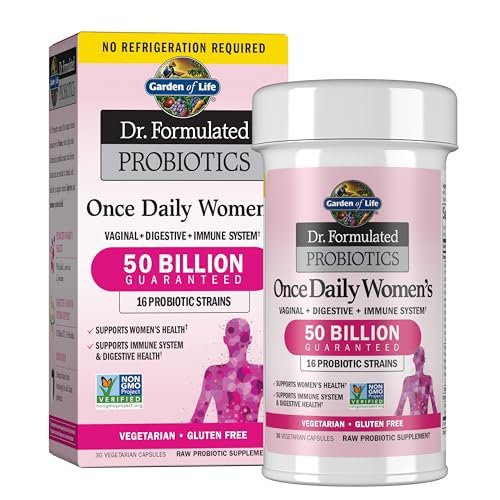
Garden of Life Once Daily Dr. Formulated Probiotics for Women 50 Billion CFU 16 Probiotic Strains with Organic Prebiotics for Digestive, Vaginal & Immune Health, Dairy Free, Shelf Stable 30 Capsules
Garden of Life Dr. Formulated Probiotics for Women earns a strong 4.6-star rating from over 12,400 Amazon reviews, praised for improving gut, digestive, and vaginal health with 50 billion CFU of 16 strains including L. reuteri and L. fermentum, plus a prebiotic blend—all shelf-stable. While some users report initial potency issues, its third-party certifications and consistent positive feedback make it a reliable affiliate recommendation for women’s probiotic needs.
If your bloating shows up fast after eating, digestive enzymes are one of the most logical first options. They are designed to help break down macronutrients (protein, fat, carbs) so less partially digested food reaches the colon, where bacteria can ferment it into gas.
A small clinical trial in Nutrition and Dietary Supplements reported that a multi-digestive enzyme plus herbal blend significantly reduced objectively measured abdominal distension after a meal compared with placebo. Waist circumference increased less at both 30 and 90 minutes post-meal, and no adverse events were reported in the study. You can read the full paper in the clinical trial published by Dove Medical Press.
What to look for in an enzyme supplement (simple checklist)
Think of enzyme labels like a “toolbox.” You want the tools that match your meals:
- Protease (protein)
- Lipase (fat)
- Amylase (starch)
- Lactase (lactose in dairy)
- Alpha-galactosidase (often used for beans and some vegetables)
- Optional: Bromelain/papain (proteolytic enzymes often included)
How to take enzymes for best results
Most people get the best signal when they take enzymes:
- With the first bites of a meal (not on an empty stomach)
- Most consistently with larger or higher-fat meals
- For 7-14 days while tracking symptoms
A “meal test” tracker (visual checklist)
Use this quick log for 3 days:
- Meal size: small / medium / large
- Meal type: higher-fat / higher-carb / high-fiber / dairy
- Enzymes taken: yes / no
- Bloating at 30-120 min: 0-10
- Gas: low / medium / high
Patterns usually show up quickly.
Safety notes
Digestive enzymes are generally well tolerated for many people, but it is smart to be cautious if you:
- Use blood thinners (some enzymes and herbs may not be a fit)
- Have pancreatitis, gallbladder disease, or chronic GI conditions
- Are pregnant or breastfeeding (ask a clinician first)
If symptoms are severe, persistent, or paired with weight loss, blood in stool, or anemia, supplements should not be the first step – medical evaluation should be.
Probiotics for bloating and IBS: strain choice matters more than hype
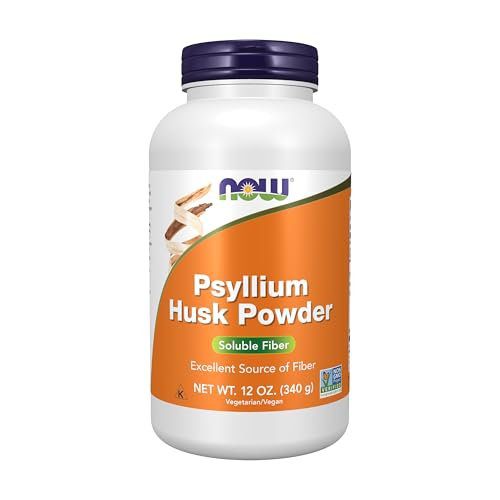
NOW Supplements, Psyllium Husk Powder
NOW Foods Psyllium Husk Powder earns a strong 4.6-star rating from over 12,000 Amazon reviews as a reliable soluble fiber supplement that supports digestive regularity, cholesterol reduction, and blood sugar control when mixed properly with ample water. Reviewers highlight its effectiveness for constipation relief and satiety, though common complaints involve bloating or blockages from inadequate hydration; ideal for affiliate recommendation on a health blog emphasizing gradual dosing and fluid intake.
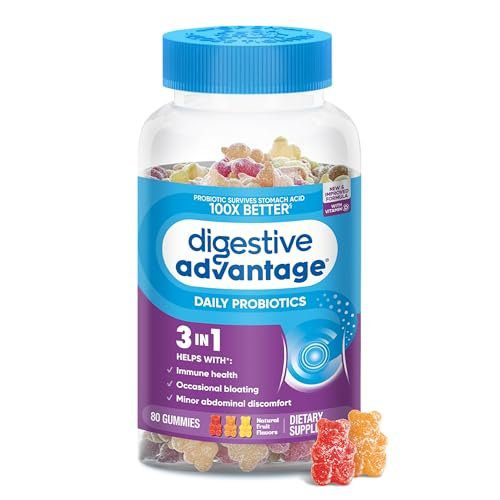
Digestive Advantage Probiotic Gummies For Digestive Health, Vitamin D, Daily Probiotics For Women &Men Occasional Bloating, Minor Abdominal Discomfort & Gut Health, 80ct Natural Fruit Flavors
Digestive Advantage Probiotic Gummies earn a solid 4.3-star rating from over 12,000 Amazon reviews, praised for their tasty flavor and relief from bloating and irregularity, making them a convenient choice for daily gut health support despite minor complaints about sugar and variable efficacy; ideal for affiliate recommendation on a supplements blog targeting users seeking palatable probiotics.
Probiotics are one of the most searched digestive supplements for a reason, but they are also one of the most misunderstood. The key point: probiotics are not one ingredient. Different strains can behave differently, and the same product can help one person and bother another.
Research reviews have found that probiotics can improve bloating and other symptoms in some people with IBS. For example, a review indexed in the National Library of Medicine (PMC) discusses how certain probiotic preparations may improve IBS symptoms, including bloating, depending on strain and study design. Consumer health summaries also reflect this mixed but promising picture, such as this evidence-informed overview on Healthline’s guide to supplements for bloating.
Start with realistic expectations (and the right timeline)
Probiotics are rarely a “take it today, feel better tonight” solution. A more realistic plan:
- Trial length: 4-8 weeks
- Early effects: mild gas or changes in stool for 7-14 days can happen
- Success signs: less frequent bloating episodes, improved stool form, less urgency
For a deeper, practical breakdown, this site’s probiotic dosage and timing guide helps you choose when to take them and how to evaluate response.
Which strains are commonly used in bloating-focused formulas?
You will often see:
- Lactobacillus species (commonly used for gas and stool regularity support)
- Bifidobacterium species (often used in IBS research and constipation patterns)
A comparison resource like best probiotics can help you narrow options without getting lost in marketing claims.
Probiotic label “reality check” (visual list)
When you read a label, prioritize:
- Strain IDs when available (not just genus and species)
- CFU at expiration (not “at time of manufacture”)
- Storage requirements (shelf-stable vs refrigerated)
- Clear dosing instructions (daily consistency matters)
One common misconception is that higher CFUs always mean better results. In practice, strain selection and tolerability often matter more than chasing the biggest number.
<Fiber supplements (especially psyllium) when constipation is the real cause
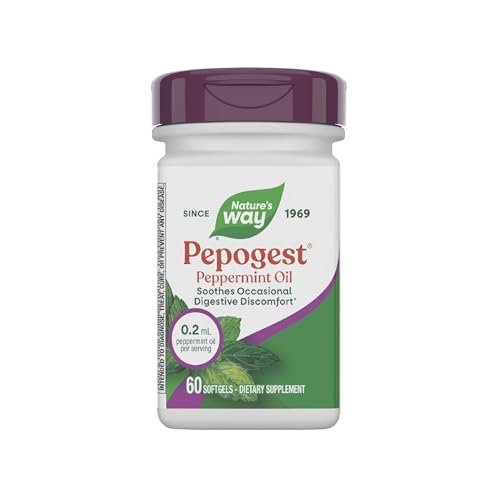
Nature’s Way Peppermint Oil Softgels
Nature’s Way Peppermint Oil Softgels earn a strong 4.6-star rating from over 12,000 Amazon reviews, praised for enteric-coated delivery that soothes IBS-like symptoms and bloating without stomach irritation. Reviewers highlight its reliability for occasional digestive issues, though some note peppermint aftertaste; ideal for affiliate recommendation as a trusted, natural option backed by consistent positive feedback across retail sites.
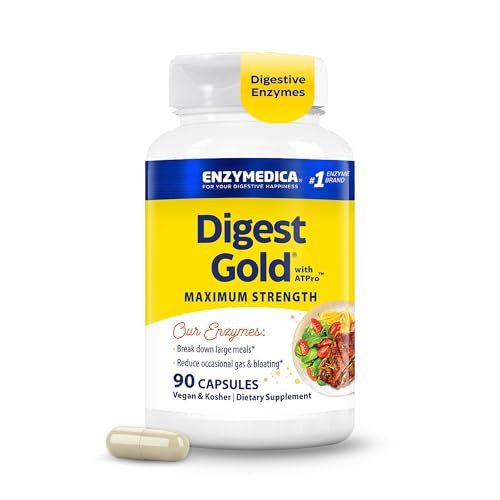
Enzymedica, Digest Gold + ATPro, Maximum Strength Enzymes, 90 Capsules (FFP)
Enzymedica Digest Gold with ATPro shows strong user satisfaction with 77-88% positive sentiment across reliability and food-related benefits. Users report meaningful improvements in bloating, gas, and digestive regularity. The product contains no common allergens and is third-party certified. However, complete Amazon metrics, current pricing, Reddit community feedback, and independent lab testing data were not available in the provided search results.
If bloating comes with infrequent stools, straining, hard stools, or a sense of incomplete emptying, fiber can be a more direct fix than enzymes or random “de-bloat” blends.
Psyllium is a soluble, gel-forming fiber that can help normalize stool consistency. It tends to be better tolerated than some highly fermentable fibers, which can worsen gas in sensitive people. In IBS and constipation patterns, psyllium is frequently recommended because it can improve regularity without being as gas-producing as certain prebiotic fibers.
Psyllium: how to use it without making bloating worse
The biggest mistake is ramping up too fast. Use a slow build:
- Start with 1 teaspoon once daily in a full glass of water.
- Hold for 3-4 days.
- Increase gradually as tolerated toward the amount your clinician recommends.
Some studies use larger amounts (often around 10 g twice daily), but your best dose is the one you can take consistently without discomfort.
“Fiber tolerance ladder” (visual guide)
Try this order if you are sensitive:
- Psyllium (often best first choice)
- Partially hydrolyzed guar gum (PHGG) (often gentler than inulin)
- Inulin/chicory root (more fermentable, more gas for some)
Where magnesium fits in
If constipation is stubborn, magnesium can be helpful, but the form matters. Magnesium citrate and magnesium oxide are more likely to loosen stools, while glycinate is often used for other goals. This site’s guide to magnesium supplements breaks down which types are typically used for what.
Safety notes
- Fiber supplements must be taken with enough water to avoid worsening constipation.
- Separate fiber from medications by at least 2 hours unless your clinician advises otherwise.
- If you have narrowing of the GI tract or swallowing issues, ask a clinician before using bulk-forming fiber.
Herbal options (peppermint, ginger, fennel) and vitamin D: what is worth trying?
Herbal supplements are popular for bloating because they can target motility, smooth muscle tension, and nausea. The challenge is that herb quality and dosing vary widely across products. Still, a few options have a long history of use and reasonable evidence in specific contexts.
Peppermint oil (especially for IBS-type bloating)
Enteric-coated peppermint oil is often used for IBS symptoms, particularly abdominal discomfort and bloating. The enteric coating matters because it helps the capsule pass through the stomach before releasing, which may reduce heartburn.
A practical approach:
- Use it for IBS-pattern bloating (bloating plus cramps, sensitivity)
- Avoid if you have significant reflux, unless a clinician suggests a specific product
Ginger and fennel (more “functional dyspepsia” style support)
Ginger is commonly used for nausea and stomach discomfort, and fennel is traditionally used for gas. These may be most useful when bloating feels like “food sitting heavy” rather than constipation-driven pressure.
Vitamin D: promising in some IBS studies, not a universal fix
Vitamin D is not a classic bloating supplement, but it comes up in IBS research. Some trials have reported improvements in GI symptoms (including bloating) in people with IBS who supplemented vitamin D, while other trials found improvements in overall symptom severity and quality of life without a clear bloating-specific effect.
The practical takeaway: vitamin D may help some people, particularly if they are deficient, but it is not a reliable standalone bloating solution.
For safe dosing guardrails, it is worth checking the NIH Office of Dietary Supplements vitamin D fact sheet, especially because high-dose protocols should be supervised.
“Do I try herbs or vitamin D?” decision list (visual)
Consider herbs first if:
- Symptoms are meal-related and feel crampy or spasmodic
- You want an as-needed option
Consider vitamin D testing first if:
- You have IBS plus low sun exposure
- You have known deficiency risk factors
- You plan to supplement beyond basic daily amounts
Conclusion: a simple, evidence-based plan to choose supplements for bloating
The most effective supplements for bloating are the ones that match your pattern. Post-meal swelling often responds best to digestive enzymes taken with meals. Constipation-linked bloating usually improves more with psyllium (and sometimes magnesium). IBS-style bloating may respond to specific probiotics and, for some people, enteric-coated peppermint oil.
A practical next step is to run a 2-week “one change at a time” trial, tracking meals, stool pattern, and timing. That small bit of structure prevents wasted money and confusion.
For a step-by-step framework, revisit the gut health supplement protocol. If probiotics are your next experiment, the best probiotics roundup and the probiotic dosage and timing guide can help you choose and use them more effectively.
As an Amazon Associate, I earn from qualifying purchases. Product recommendations are based on real reviews and independent research.
