
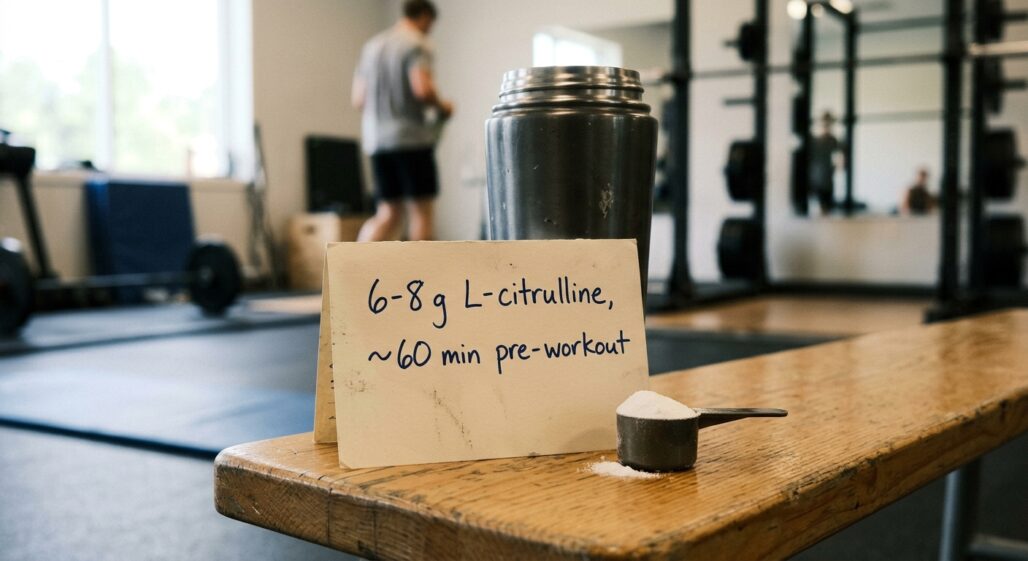
If you're shopping for the best citrulline supplements, you've probably noticed every pre-workout brags about "pump" and "nitric oxide," and you want to know which actual product to buy and how much to take. The short answer: for most people, plain L-citrulline powder at 6 to 8 grams, taken about an hour before training, is the version with the cleanest evidence and the lowest cost per effective gram. The picks below are the ones I'd keep in my own family's supplement drawer, not just the ones with the loudest labels. This article walks through what citrulline actually does in the body, how L-citrulline compares to citrulline malate and to plain arginine, the dose the studies actually used, and where the marketing runs ahead of the data.
Affiliate disclosure: this article contains affiliate links. As an Amazon Associate, UsefulVitamins.com earns from qualifying purchases at no extra cost to you.
Before you decide
A lot of people will not feel much from citrulline, and that is normal. The pump is real but visual, and it is not the same as strength or endurance. If you are well trained, eat plenty of nitrate-rich vegetables, and already use a properly dosed pre-workout, citrulline may add little you can notice.
Start with food and the basics first. Hydration, sleep, protein adequacy, and a smart training program move performance more than any pump powder.
The one real caution is blood pressure. Because citrulline nudges nitric oxide and can lower blood pressure modestly, if you take antihypertensive medication, nitrates, or PDE5 inhibitors like sildenafil, ask your prescriber before adding it. Gut tolerance is generally good, but the malate form can feel slightly acidic on an empty stomach for some people.
What citrulline actually does
L-citrulline is a non-essential amino acid your body makes and that also shows up in watermelon and other foods. Its job in a supplement is to raise blood arginine, which feeds the nitric oxide pathway that relaxes and widens blood vessels. More nitric oxide means more blood flow, which is the mechanism behind the "pump" and the interest in blood pressure and endurance.
Here is the part the labels skip. Citrulline is a more efficient way to raise arginine than taking arginine directly. The reason is plumbing, not magic.
When you swallow plain arginine, a large share is destroyed before it reaches your bloodstream. A clinical pharmacology review of citrulline as an arginine supplement explains that oral arginine is heavily broken down by arginase in the gut wall and liver on its first pass. Citrulline is not a substrate for those enzymes, so it slips past and gets converted to arginine in the kidneys instead.
In a mouse model, researchers found that supplemental citrulline was more efficient than arginine at raising systemic arginine, with roughly 70% of oral arginine lost to first-pass metabolism while citrulline largely survived. In humans, a pharmacokinetic comparison of oral citrulline and arginine showed citrulline raised plasma arginine and nitric oxide markers dose-dependently, and did it at lower doses than arginine required.
Actionable takeaway: if a product is selling you "arginine for nitric oxide," citrulline is usually the smarter buy for the same goal.
L-citrulline vs citrulline malate vs arginine
This is where most of the confusion and most of the markup live. Three things share shelf space, and they are not interchangeable.
Pure L-citrulline is just the amino acid. When a study or a label says "6 grams of citrulline," this is the cleanest way to hit that number, because the whole gram count is the active compound.
Citrulline malate is L-citrulline bonded to malic acid, usually in a 2:1 ratio. That means an 8 gram scoop of 2:1 malate delivers about 5.3 grams of actual citrulline plus malic acid, which is a Krebs-cycle intermediate. The catch is that some labels list the total blend weight, not the citrulline grams, so an "8 g" malate serving can under-deliver the active dose if you assumed it was all citrulline.
Arginine is the downstream target citrulline is trying to reach. As covered above, taking it directly is less efficient because of first-pass breakdown, which is why arginine has largely lost ground to citrulline for the pump and blood-flow use case.
| Form | What you’re actually getting | Best for | Watch out for |
|---|---|---|---|
| Pure L-citrulline | 100% citrulline by weight | Hitting a precise 6-8 g dose, best value | Unflavored, mildly sour taste |
| Citrulline malate (2:1) | ~67% citrulline + malic acid | Flavored pre-workout feel | Label may hide true citrulline grams |
| L-arginine | Arginine, but poorly absorbed | Largely superseded by citrulline | ~70% lost to first-pass metabolism |
The real question isn't which form is fancier, it's which one lets you confirm the gram count on the label. Both citrulline and citrulline malate work; the malate just bundles in malic acid and often a flavor system you pay extra for.
The real dose
The dose marketing implies and the dose trials used are not always the same. Most performance and blood-flow studies land around 6 to 8 grams of L-citrulline, or roughly 8 grams of citrulline malate, taken about 40 to 60 minutes before training.
That timing matters because plasma arginine and nitric oxide markers peak roughly an hour after intake. Doses are dose-dependent: the pharmacology literature shows arginine availability climbs as you go from 2 grams up toward 10, with diminishing returns at the top.
Higher is not automatically better. Daily doses up to about 10 grams have been used without meaningful GI distress, but there's little reason to chase the ceiling, and the malate version at high doses is where the occasional sour-stomach complaint shows up. Splitting a daily dose is an option if you are taking it for general blood flow rather than a single workout.
Here is the dietitian's framing I keep coming back to. There's a difference between the dose that produces a measurable arginine bump and the dose that just looks impressive on a tub. A 1.5 gram "citrulline" sprinkle inside a proprietary pre-workout blend is almost certainly below the threshold that did anything in the trials.
Performance vs blood pressure: what the evidence honestly says
This is the section the top-ranking roundups gloss over, so here is the unvarnished version.
For raising blood arginine and nitric oxide, the evidence is genuinely solid. That part is not in dispute, and it is why citrulline displaced arginine.
For actual gym performance, the evidence is mixed and often underwhelming. In one acute trial, 8 grams of citrulline malate before a bench-press protocol did not increase total repetitions, pump, or subjective energy in 12 trained men. A broader meta-analysis of citrulline malate and muscle strength found only small, inconsistent benefits across studies. The honest read is that any performance edge is modest at best, and many people will not detect it.
For blood pressure, the data conflict, and I will not oversell it. A widely cited 2019 meta-analysis reporting large drops in systolic and diastolic pressure was later retracted, which matters because that figure still circulates online. A separate, non-retracted systematic review and meta-analysis of clinical trials found no significant effect of L-citrulline on brachial or aortic blood pressure overall.
So treat blood pressure benefits as plausible for some pre-hypertensive people over weeks of daily use, not as a reliable promise. If lowering blood pressure is your real goal, that is a conversation for your doctor and a blood-pressure cuff, not a pre-workout tub.
What to look for when buying
A few quick checks separate a fair-value citrulline from an overpriced one.
Buy on cost per effective gram, not per scoop. Divide the price by the total grams of actual citrulline, remembering a 2:1 malate is only about two-thirds citrulline by weight. This single calculation usually exposes the under-dosed "NO blend" pre-workouts that cost the most per real gram.
Favor a single-ingredient powder or a label that lists citrulline grams explicitly, so you are not guessing. Avoid proprietary blends that bury citrulline among a dozen ingredients without per-ingredient amounts, since you cannot confirm you are getting a trial-level dose.
For third-party quality, look for NSF Certified for Sport or Informed Sport seals if you compete in a tested sport. Skip anything making blood-pressure or "cures fatigue" claims on the label; that is a marketing red flag, not a quality signal.
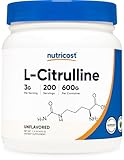


As an Amazon Associate, UsefulVitamins.com earns from qualifying purchases at no extra cost to you. We only recommend products supported by published research or third-party testing.
Who should skip citrulline
Citrulline is not for everyone, and a registered dietitian's answer is usually "it depends on your meds and your goal."
Skip or clear it with a clinician first if you take blood-pressure medication, nitrates, or erectile-dysfunction drugs, because stacking nitric-oxide effects can drop blood pressure more than intended. The same caution applies before any surgery, where blood-pressure control matters.
If you are pregnant, nursing, or managing kidney disease, the safety data are thin, so consult your physician rather than self-supplementing. And if your diet is already rich in nitrate vegetables and your training and recovery are dialed in, you may simply not need it.
FAQ
Is L-citrulline or citrulline malate better?
For raising arginine, both work and pure L-citrulline gives you a cleaner gram count. Citrulline malate adds malic acid and usually a flavor; it is not clearly superior, just bundled differently. Match the dose, not the marketing.
How much citrulline should I take before a workout?
Aim for 6 to 8 grams of L-citrulline, or about 8 grams of citrulline malate, roughly 40 to 60 minutes before training so arginine peaks around your session.
Does citrulline really give a pump?
Often, yes, it can increase visible vascularity through nitric oxide and blood flow. But a pump is a temporary look, not proof of better strength or endurance, and the performance data are mixed.
Can citrulline lower blood pressure?
Possibly, modestly, in some pre-hypertensive people over weeks. The pooled clinical evidence is conflicting and one positive meta-analysis was retracted, so do not rely on it as a treatment, and talk to your doctor if blood pressure is the goal.
Is citrulline safe to take daily?
For most healthy adults, daily doses up to about 10 grams have been used without notable GI problems. Ask your doctor about a blood-pressure check first if you take cardiovascular medications.
The bottom line on the best citrulline supplements
For most people chasing pump and blood flow, the best citrulline supplement is plain L-citrulline at 6 to 8 grams about an hour before training, bought on cost per effective gram. Citrulline malate is a fine flavored alternative at roughly 8 grams total, as long as the label shows the real citrulline content. The arginine-raising and nitric-oxide effects are well supported; the strength gains are modest and the blood-pressure claims are genuinely mixed, so buy it for the pump and blood flow, not as a cure for anything.
Next steps:
- Calculate cost per effective gram on any tub before you buy, treating 2:1 malate as about two-thirds citrulline.
- If you take any cardiovascular medication, clear it with your prescriber and read how we review supplements for our testing standards.
- Compare related options in our roundups of the best nitric oxide supplements, the best pre-workout supplements, and dietary nitrate from beetroot once that roundup is live.
As an Amazon Associate, I earn from qualifying purchases. Product recommendations are based on real reviews and independent research.
Reviewed by Sarah Thompson, Registered Dietitian, focused on vitamin and mineral nutrition.
This article is for informational purposes and not medical advice. Citrulline can interact with blood-pressure medications, nitrates, and erectile-dysfunction drugs. Consult a licensed physician before starting any supplement, particularly if you are pregnant, nursing, taking prescription medications, or managing a chronic condition.
