

Affiliate disclosure: this article contains affiliate links. As an Amazon Associate, UsefulVitamins.com earns from qualifying purchases at no extra cost to you.
Before you buy
Nighttime leg cramps are common and miserable, and magnesium is the supplement everyone reaches for first. The logic is reasonable. Magnesium helps regulate nerve signaling and muscle contraction, and low intake is widespread.
Here is the part most brand pages bury. The best randomized trials do not show magnesium reliably stopping cramps in the general adult population. A 2020 Cochrane review concluded it is unlikely that magnesium prevents ordinary muscle cramps in older adults at any tested dose. So the smart move is to spend as little as possible while you test it.
That changes how you should shop. You are not buying a proven fix. You are running a cheap, low-risk, four-week experiment, and the only goal is to pick a form that actually absorbs and does not wreck your stomach.
Two groups should pause here. If your cramps are new, only in one leg, getting worse, or paired with swelling or numbness, see a clinician before you buy anything – those can point to circulation or nerve problems. Pregnant readers are a partial exception worth a separate note below.
Does magnesium actually help leg cramps?
The honest answer is "maybe, a little, for some people." The evidence is genuinely mixed, and we are not going to pretend otherwise.
The strongest data point against it is a 2017 randomized, double-blind trial of magnesium oxide in older adults (Roguin Maor and colleagues, JAMA Internal Medicine). Both the magnesium and placebo groups improved by about three cramps per week, with no meaningful difference between them. The authors flagged that the improvement was likely a placebo effect.
The broader picture is the same. The Cochrane systematic review on magnesium for cramps pooled eleven trials and found magnesium unlikely to provide clinically meaningful relief for idiopathic cramps in older adults.
There is one softer spot. For pregnancy-related leg cramps, the same review called the evidence low-certainty and conflicting rather than clearly negative, and a few small studies suggested possible benefit. If you are pregnant, that is a conversation for your OB, not a reason to self-prescribe.
So why try it at all? Two reasons. Many people genuinely run low on magnesium, and correcting a real shortfall is sensible on its own. And the downside of a modest dose is small. If it helps you, great. If it does not after a month, stop and stop spending.

The forms that actually absorb (and the one to skip)
This is where your money is won or lost. The form of magnesium decides how much your body actually takes up and how likely you are to spend the night in the bathroom instead of cramping.
The NIH Office of Dietary Supplements notes that forms dissolving well in liquid are more completely absorbed than poorly soluble forms, and that high doses can cause diarrhea, nausea, and abdominal cramping.
Here is how the common forms stack up for someone testing cramp relief.
| Form | Rough absorption | Gut effect | Best use for cramps |
|---|---|---|---|
| Glycinate (bisglycinate) | High, around 25 to 35% | Gentle, least laxative | First choice for nightly use |
| Citrate | High, similar to glycinate | Mild laxative at higher doses | Good if you also tend toward constipation |
| Oxide | Low, roughly 4 to 5% | Strong laxative | Skip for cramps; mostly a stool softener |
| Topical (chloride) | Unproven through intact skin | None; may sting | Optional add-on, not a primary fix |
The takeaway is blunt. Glycinate is the default pick for nightly cramp testing because it absorbs well and is the easiest on your gut. Citrate is a fine, often cheaper alternative if a little laxative effect does not bother you. Avoid plain oxide – it is the cheapest to manufacture and the worst absorbed, which is exactly why it fills so many discount "muscle" pills.
For a deeper breakdown of how these compare, our magnesium forms and bioavailability guide walks through the absorption data in detail.
Dose and timing (and why to hedge)
Keep the dose modest. The NIH ODS upper limit for supplemental magnesium is 350 mg of elemental magnesium per day from supplements, separate from what you get in food. That limit exists because diarrhea is the first thing that goes wrong when you overdo it.
A practical, conservative starting point most people land on is 100 to 200 mg of elemental magnesium in the evening, taken with a little food or water. Evening timing is convenient for night cramps and pairs with magnesium's mild relaxing reputation, though the cramp benefit itself is not well proven.
Two things to watch on the label:
- Read "elemental magnesium," not the chelate weight. A bottle may say "2,000 mg magnesium glycinate" but deliver only around 200 mg of actual magnesium per serving. The elemental number is what counts.
- Add up all your sources. Multivitamins, antacids, and laxatives can already contain magnesium.
Magnesium can also interfere with certain medications, including some antibiotics and the absorption of other minerals. If you take prescriptions, check our drug and supplement interaction reference and your pharmacist before adding it. People with kidney disease should not supplement magnesium without medical sign-off, since the kidneys clear the excess.

Top Amazon picks for leg cramps
A few picks below cover the realistic options: a gentle glycinate to start with, a citrate alternative, and a topical for people who want to rub something on the calf. None of these are miracle products, and we would rather you buy the cheapest one that works than the most heavily marketed.


As an Amazon Associate, UsefulVitamins.com earns from qualifying purchases at no extra cost to you.
UsefulVitamins is reader-supported. We may earn a commission from qualifying Amazon purchases at no extra cost to you. It does not change our picks or our verdicts.
Best first pick – a gentle glycinate
For most people starting out, a plain magnesium glycinate is the sensible buy. Doctor's Best High Absorption Magnesium is a long-running, widely reviewed option that delivers 200 mg of elemental magnesium per two-tablet serving from a lysinate glycinate chelate. It uses the Albion TRAACS chelate, a recognized branded chelate, and the brand lists it as non-GMO, gluten-free, and vegan.
Price runs around $20 for 240 tablets, as of writing; check current price, which works out to roughly $0.17 per serving. That is a low cost for a month-long trial.
If you want a cleaner, practitioner-grade label without flow agents, Pure Encapsulations Magnesium (glycinate) is the upgrade. It provides 120 mg elemental per capsule, is NSF-registered and third-party tested, and skips magnesium stearate. It costs more per serving, so reach for it only if ingredient minimalism matters to you.
Value alternative – citrate powder or caps
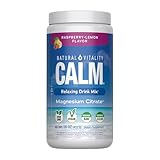
If glycinate does not help or you also struggle with constipation, citrate is the next logical try. Natural Vitality Calm is the best-selling citrate powder. Its label lists 325 mg of magnesium per two-teaspoon serving, and it forms magnesium citrate when mixed with water.
It runs around $25 to $35 for the 16 oz tub, as of writing; check current price. Worth knowing: citrate's laxative pull is real, so start with half a scoop.
For a capsule alternative, NOW Foods Magnesium Citrate is inexpensive and made in an NPA-certified GMP facility. Just note its capsules are dosed for higher daily totals, so split the serving if you only want 100 to 200 mg.
Optional add-on – topical magnesium
Topical magnesium oil, usually magnesium chloride like the Life-flo Zechstein spray, is popular for rubbing on a cramping calf. Be clear-eyed about it.
The evidence that magnesium meaningfully crosses intact skin is weak. A frequently cited review, Gröber and colleagues' "Myth or Reality, Transdermal Magnesium", found that robust human absorption data is lacking, and UK clinical guidance does not endorse topical magnesium for cramps.
It is cheap and harmless, so if you find that massaging the muscle helps at the moment a cramp hits, the spray is a fine vehicle for that. Just credit the massage and placebo as much as the magnesium. It costs around $8 to $12 for an 8 oz bottle, as of writing; check current price.
If you are weighing a multi-form blend against a single form, our look at whether the Magnesium Breakthrough blend is worth it covers that trade-off.
When cramps mean see a doctor
Supplements are not the answer for some cramps, and it is worth saying plainly. Get evaluated rather than self-treating if any of these apply:
- Cramps that are new, frequent, or steadily worsening
- Cramps in one leg only, especially with swelling, redness, or warmth
- Cramps with numbness, weakness, or skin color changes
- Cramps after starting a new medication, particularly diuretics or statins
- Cramps alongside kidney disease, diabetes, or thyroid problems
These patterns can point to circulation issues, nerve compression, electrolyte problems, or medication side effects that magnesium will not fix. A quick visit beats months of guessing.

FAQ
Does magnesium really stop leg cramps at night? Sometimes, but the best trials are unimpressive. A 2017 randomized trial of magnesium oxide found no benefit over placebo, and a Cochrane review judged magnesium unlikely to prevent ordinary cramps in older adults. Treat it as a cheap experiment, not a guaranteed fix.
Which form of magnesium is best for cramps? Start with glycinate. It absorbs well, around 25 to 35%, and is the gentlest on your gut. Citrate is a good, often cheaper alternative. Avoid oxide, which absorbs poorly and mostly acts as a laxative.
How much magnesium should I take for leg cramps? A modest 100 to 200 mg of elemental magnesium in the evening is a common starting point. Keep total supplemental magnesium at or under the 350 mg daily upper limit set by the NIH, and check with a clinician if you take medications or have kidney issues.
Does magnesium oil or spray work for cramps? The evidence that magnesium absorbs through intact skin is weak, and clinical guidelines do not recommend it for cramps. If a spray seems to help, the massage and placebo effect are likely doing much of the work. It is cheap and low-risk as an add-on.
Can magnesium cause diarrhea? Yes. Diarrhea, nausea, and stomach cramping are the most common side effects of too much supplemental magnesium, and citrate and oxide are more likely to loosen stools than glycinate. Lower the dose if it happens.
Is magnesium safe during pregnancy for leg cramps? The evidence for pregnancy-related cramps is weak but not clearly negative, unlike in the general population. Talk to your OB before using any magnesium supplement during pregnancy rather than self-dosing.
The verdict
Magnesium for night cramps is a reasonable thing to try and a poor thing to bank on. The science says it helps modestly at best for most adults, so the winning strategy is to spend little and judge fast.
Buy a plain, well-absorbed glycinate like Doctor's Best as your first test, give it three to four weeks, and watch how you feel and how your gut handles it. If glycinate flops, rotate to citrate. If oxide is all your local store sells, buy nothing there and order a better form online instead.
Topical sprays are fine as a comfort ritual but not a primary fix. And if your cramps are new, one-sided, or worsening, the right next step is not Amazon – it is a clinician. For the bigger picture on dosing and forms, start with our complete guide to magnesium.
This article is for general information only and is not medical advice. Supplements can interact with medications and health conditions; talk to a qualified healthcare professional before starting magnesium, especially if you are pregnant, have kidney problems, or take prescription drugs.
Reviewed by the UsefulVitamins Editorial Team.
