
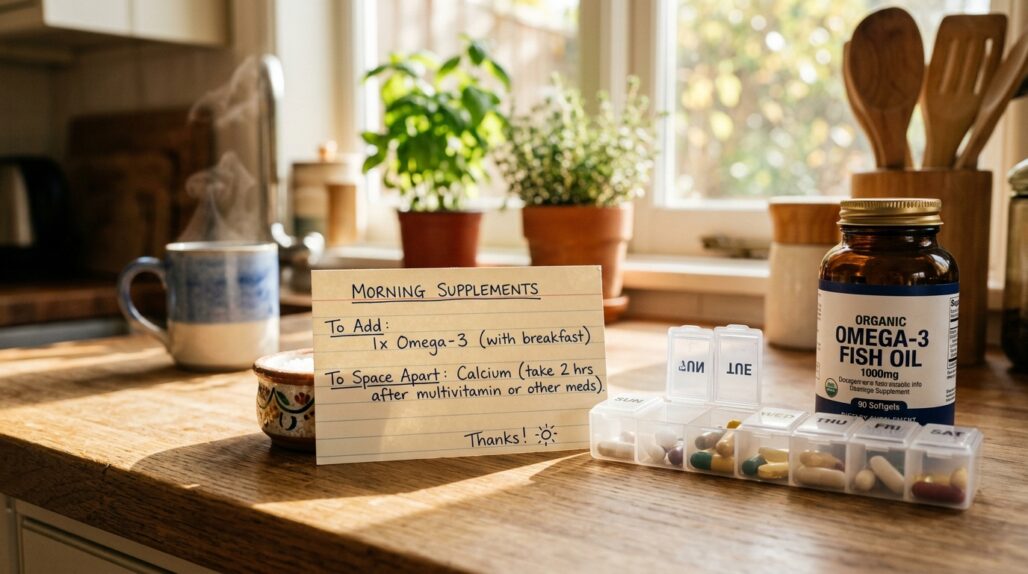
Affiliate disclosure: this article contains affiliate links. As an Amazon Associate, UsefulVitamins.com earns from qualifying purchases at no extra cost to you.
If you are on a statin, you were almost certainly handed a leaflet about muscle aches and a vague note about "talk to your doctor before supplements." This page fills in the gap. It is written for someone who is staying on their statin and wants to add the right thing safely, dodge the one combination that lands people in the emergency room, and walk into their next pharmacy visit with a clear list. It is education, not a prescription change.
Why statins and CoQ10 keep coming up together
Statins lower cholesterol by blocking an enzyme called HMG-CoA reductase. That enzyme sits near the top of the mevalonate pathway, which is the same assembly line your body uses to make coenzyme Q10 (CoQ10). Block the top of the line and you slow everything downstream, including CoQ10. So the depletion is real, and there is sound biochemistry behind it.
How big is the dip? Measured, but modest. In published work, simvastatin lowered plasma CoQ10 by roughly 16 percent, and simvastatin combined with ezetimibe by about 28 percent. Other statins lower it too, since they all hit the same enzyme.
Here is the honest part most pages skip. A lower CoQ10 blood level is not the same thing as proof that CoQ10 fixes statin muscle aches. The NIH National Center for Complementary and Integrative Health states plainly that the overall evidence does not support CoQ10 reducing statin-related muscle pain, and a systematic review in JACC on CoQ10 for statin-associated myopathy reached a mixed, unconvincing verdict. The 2026 ACC/AHA cholesterol guidance and Cleveland Clinic do not routinely recommend it for muscle symptoms either. So the grading here is: depletion, well-documented; symptom relief, unproven.
That is reason enough to consider CoQ10 as a low-risk add for many people, but not reason to promise it will end your muscle aches. Statins also nudge down fat-soluble vitamin E that rides on LDL, but that evidence is thinner and observational, so CoQ10 stays the headline.
What statins deplete or affect, graded honestly
A quick map before the shopping list. Be skeptical of any page that claims statins drain a long roster of vitamins.
- CoQ10 (ubiquinone/ubiquinol): well-documented depletion through the mevalonate pathway. Around a 16 to 28 percent drop in plasma in study settings. Whether replacing it helps symptoms is unsettled.
- Vitamin E: a small, observational dip tied to lower LDL carrying it. Not a reason to megadose vitamin E, which carries its own bleeding cautions.
- Everything else: claims that statins deplete magnesium, B vitamins, or zinc are not backed by solid statin-specific human data. If your diet or another medication is the real gap, that is a separate conversation with your prescriber.
Statins do not replace a heart-healthy diet, and a supplement cannot replace your statin. Keep that frame as you read on.
The supplements worth adding, and how to take each
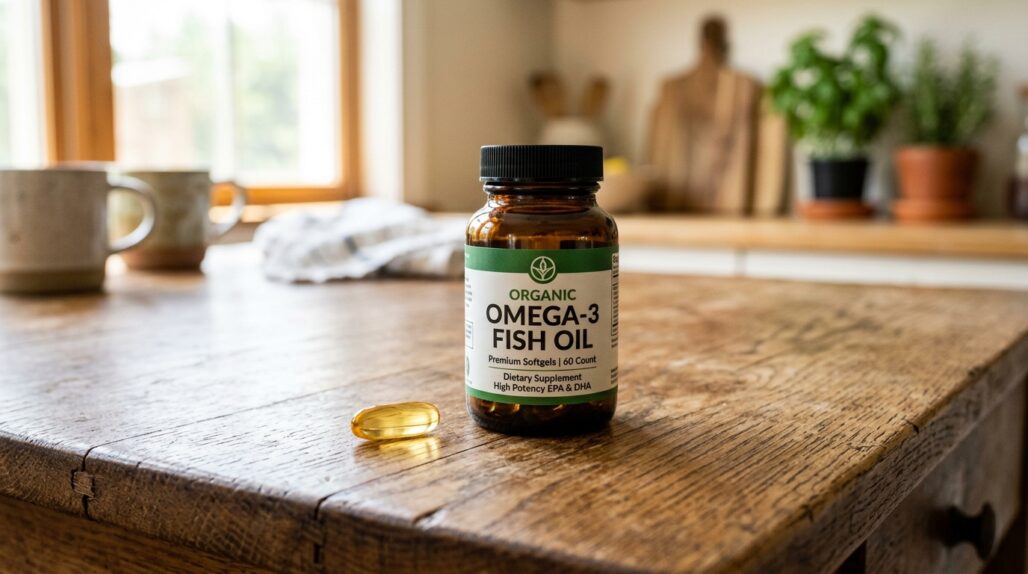
These three are reasonable to consider alongside a statin. They do not lower your cholesterol the way the drug does, they do not block the drug, and none needs awkward spacing from your dose. Confirm the specifics with your own pharmacist, especially if you take other medications or have kidney or liver disease.
CoQ10 (ubiquinol), roughly 100 to 200 mg a day. This is the nutrient your statin actually lowers. Take it with a meal that has some fat, since it absorbs better that way. It is well tolerated; the most common complaint is mild stomach upset at higher doses. Manage your expectations: it may help your energy or muscle comfort, or it may do nothing noticeable. It is cheap insurance against a depletion we can actually measure, though it is no guaranteed fix.
Omega-3 fish oil (EPA and DHA), about 1 to 2 g a day of combined EPA+DHA from an OTC product. This supports triglycerides and general heart health, and it works alongside what the statin does for cholesterol. Take it with food to cut back on fishy burps. One caution that matters: high-dose omega-3 has a mild blood-thinning effect, so if you also take warfarin or another anticoagulant, clear the dose first and keep it steady.
Vitamin D3, dosed to a blood level. Low vitamin D is common and unrelated to your statin, but it is worth correcting because muscle aches and low D can look alike, and chasing the wrong cause wastes time. Test first if you can, then dose to the result rather than guessing high.
Here is a plan you can take to the counter.
As an Amazon Associate and affiliate partner, UsefulVitamins may earn a commission from qualifying purchases made through links on this page, at no extra cost to you. Prices are approximate as of writing; check the current price.


As an Amazon Associate, UsefulVitamins.com earns from qualifying purchases at no extra cost to you.
| Supplement | What it helps with | How to take it (timing/spacing from your dose) | Caution |
|---|---|---|---|
| CoQ10 (ubiquinol) | Replaces the CoQ10 statins lower; may or may not ease muscle comfort | 100 to 200 mg once daily with a meal containing fat; no spacing from the statin needed | Symptom benefit is unproven; can mildly lower blood pressure and may interact with warfarin, so confirm if you take a blood thinner |
| Omega-3 fish oil (EPA/DHA) | Triglycerides and general heart support alongside the statin | About 1 to 2 g combined EPA+DHA daily with food; no spacing from the statin needed | Mild blood-thinning at higher doses; keep the dose steady and clear it if you take warfarin or another anticoagulant |
| Vitamin D3 | Corrects a common deficiency that can mimic muscle aches | Dose to a blood test, with food; no spacing from the statin needed | Do not megadose blindly; very high intake can raise blood calcium |
For a closer look at choosing a product, our roundup of the best CoQ10 for statin users and the best omega-3 fish oil supplements go deeper than this page can. If you are unsure how much vitamin D to take, the vitamin D dose calculator helps you set a starting point to confirm with your doctor.
What to avoid or space apart on a statin
This is the section that matters most. Two of the items below are popular, sold as "heart" or "cholesterol" support, and genuinely risky on top of a statin.
Red yeast rice: avoid entirely. Its active compound is monacolin K, which is chemically identical to the prescription statin lovastatin. So red yeast rice is, in effect, a second statin you cannot dose accurately. Stacking it on your prescription is double-dosing, which raises the risk of muscle injury (myopathy and rhabdomyolysis) and liver strain. Worse, the products are unstandardized: NCCIH notes that monacolin content varies wildly between bottles and some products are contaminated with citrinin, which can harm the kidneys. The FDA treats high-monacolin red yeast rice as an unapproved drug for this reason. If a label hints it works like a statin, that is the problem, not the selling point.
High-dose niacin (1 g a day or more, the lipid-modifying doses): avoid unless your prescriber directs and monitors it. The FDA simvastatin label documents myopathy and rhabdomyolysis when statins are combined with lipid-modifying doses of niacin. The small amount of niacin in an everyday multivitamin or B-complex is a different thing and is not the concern here.
St John's wort: avoid. It is a strong inducer of the liver enzyme CYP3A4, which clears several statins. A pharmacokinetic study found it cut the active form of simvastatin substantially, meaning your statin would work less well and your cholesterol could drift back up. Lovastatin and atorvastatin are affected by the same mechanism; pravastatin much less so.
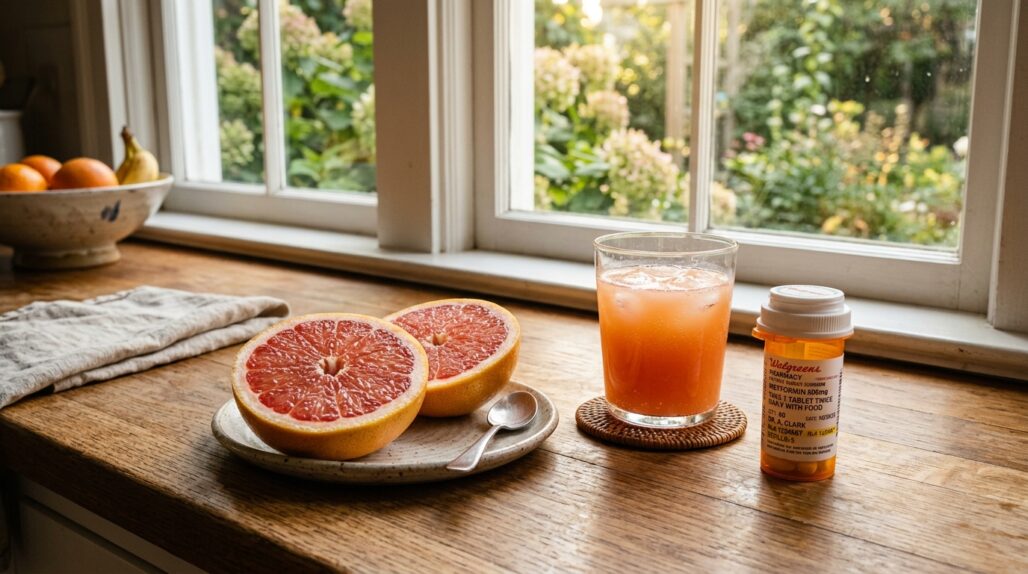
Grapefruit and grapefruit juice: limit with the CYP3A4 statins. This is a food, not a supplement, but it is the dietary flag people miss. Grapefruit blocks gut CYP3A4 and pushes the blood levels of simvastatin, lovastatin, and atorvastatin up, which raises muscle-injury risk. The FDA explains the mechanism. Pravastatin, rosuvastatin, and pitavastatin are far less affected, so check which statin you take before you panic about your morning juice.
Other CYP3A4-active extracts, such as high-dose berberine and concentrated citrus extracts: space and check with a pharmacist. Berberine can raise the levels of the CYP3A4 statins. This is a confirm-before-combining item, not a freely stackable one.
A quieter caution worth naming: there is no safe "natural alternative" to a statin in this list. Red yeast rice gets marketed that way, and that framing is the danger: it is an unmeasured drug, not a gentle herb.
Can you do it with food first
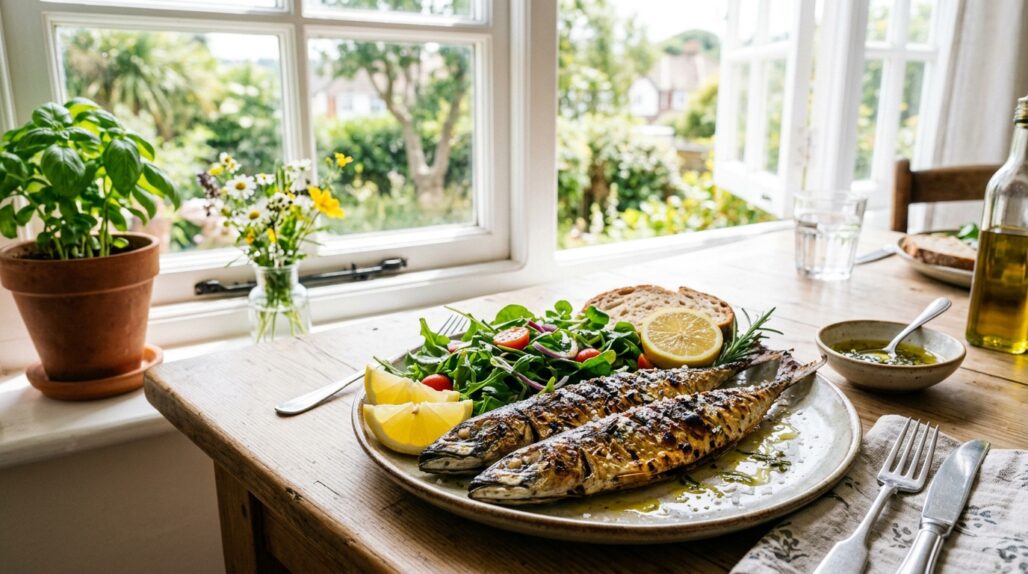
Often, a lot of it. Oily fish twice a week (salmon, sardines, mackerel) supplies EPA and DHA, so many people do not need a fish-oil capsule at all. Sensible sun exposure and vitamin-D foods cover much of the D question, and a Mediterranean-style pattern, more plants, olive oil, fish, less processed meat, does real work alongside the statin. CoQ10 is the one that is genuinely hard to get enough of from food when a statin is lowering it, which is why it tops the add list rather than the plate. Food first; capsules only where food falls short.
One place to keep the whole list
The risk with statins is not usually one bad supplement; it is the pile you forget to mention. A good habit: write your full list, every prescription and every supplement with its dose, and show it to your pharmacist at your next visit. If you prefer something digital, you can log both your statin and your supplements in StackMyMed (our own free app) so overlaps and possible interactions get flagged for you to ask about. It is a prompt to raise the right question with a professional, not a diagnosis, and it does not give medical advice. Either route, paper or app, the decision still goes through your doctor or pharmacist.
FAQ
Will CoQ10 stop my statin muscle aches? Maybe, maybe not. Statins do lower CoQ10, so replacing it is reasonable, but good evidence does not show it reliably relieves statin muscle pain. Try it if you like, give it a few weeks, and tell your doctor if the aches are new, spreading, or severe rather than just waiting it out.
Can I take red yeast rice instead of my statin to avoid side effects? No. Red yeast rice contains the same active compound as the statin lovastatin, in an unpredictable amount, so it carries the same muscle and liver risks without the dose control. It is not a safer or natural swap, and it should not be stacked on your prescription either.
Do I have to give up grapefruit completely? It depends on your statin. With simvastatin, lovastatin, or atorvastatin, keep grapefruit and its juice low. With pravastatin, rosuvastatin, or pitavastatin the interaction is minor. Check your bottle or ask your pharmacist which one you take.
Is fish oil safe with a statin? For most people, yes, and they pair well. The one caveat is the mild blood-thinning effect at higher doses, which matters if you also take warfarin or another anticoagulant. Keep the dose steady and clear it with your clinic first in that case.
Can a supplement replace my statin if my cholesterol is controlled? No. The supplements here support you while you stay on the statin; none of them is a substitute for it, and stopping or lowering your dose is a decision only your prescriber should make based on your numbers and your risk.
Why is red yeast rice such a common mistake? Because it is sold next to the vitamins, not behind the pharmacy counter, so it does not feel like a drug. Our deeper write-up on red yeast rice and statins explains why a “natural” cholesterol supplement can be the riskiest thing in your cabinet when you already take a prescription statin.
The bottom line
CoQ10 is the one nutrient statins genuinely lower, and it is the most sensible safe add, with omega-3 and vitamin D filling out a short list. The single rule to respect is to keep red yeast rice and high-dose niacin away from your statin, since both can stack into muscle and liver injury, and to watch grapefruit if you take simvastatin, lovastatin, or atorvastatin. Take your full list to a pharmacist before you add anything.
See a doctor or pharmacist promptly if you develop new, unexplained muscle pain, tenderness, cramping, or weakness, especially if it is widespread, comes with dark or cola-colored urine, fever, or unusual fatigue. That combination can signal myopathy or rhabdomyolysis, which is a medical emergency. Yellowing of the skin or eyes or persistent right-upper-belly pain also warrants a same-day call. Do not stop your statin on your own; tell your doctor.
This article is educational and is not medical advice or a substitute for your prescription. Talk to your doctor or pharmacist before starting, stopping, or changing any medication or supplement.
Reviewed by the UsefulVitamins Editorial Team.
