

Affiliate disclosure: this article contains affiliate links. As an Amazon Associate, UsefulVitamins.com earns from qualifying purchases at no extra cost to you.
If you're searching for the best supplements for GERD, you've probably already been told to eat smaller meals, lose a few pounds, and stop eating after 7pm, and you want to know which actual pills, powders, or chewables are worth the shelf space next to your antacids.
Quick Answer: which supplements actually take the edge off reflux?
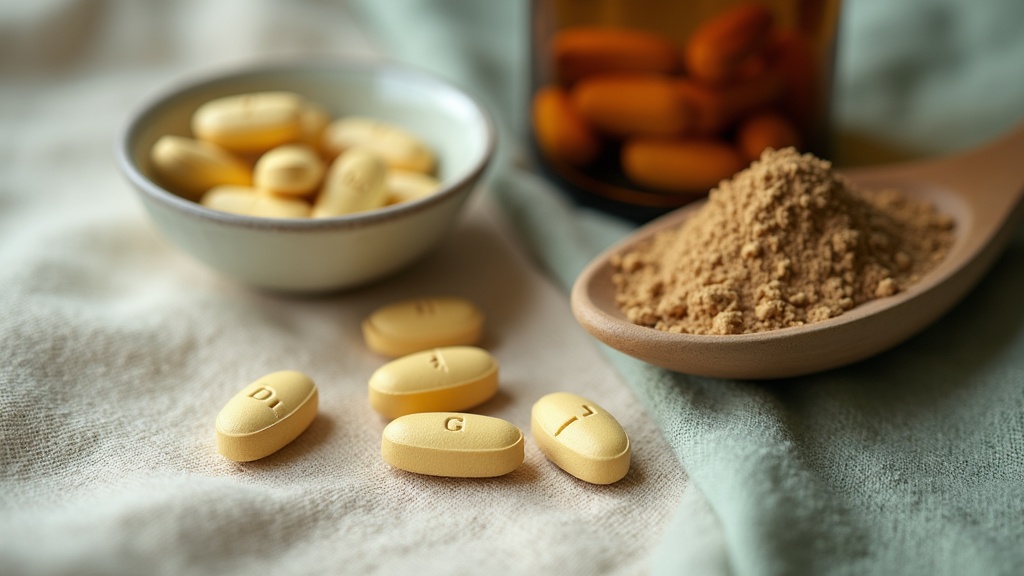
For most people with intermittent or mild GERD, an alginate after dinner plus a chewable DGL tablet before symptomatic meals carries the bulk of the symptomatic evidence. For long-term PPI users, the more important supplements are the ones the drug depletes: magnesium and vitamin B12.
- Best for: adults with mild or intermittent reflux, anyone who wants a post-meal symptom tool, long-term PPI users monitoring nutrient status with their clinician.
- Not ideal for: anyone with erosive esophagitis, Barrett's esophagus, or refractory symptoms on a full PPI dose. Those need a gastroenterologist, not a supplement reshuffle.
- What to do first: head-of-bed elevation, finish your last meal three hours before bed, identify your two or three reliable trigger foods, and ask your clinician about a 25-hydroxyvitamin D, magnesium, and B12 panel if you've been on a PPI for more than a year.
What GERD actually is
Gastroesophageal reflux disease is what happens when gastric contents move backward into the esophagus often enough or harshly enough to cause symptoms or tissue damage. The lower esophageal sphincter (LES) is the muscular gate at the bottom of the esophagus, and in GERD it relaxes inappropriately or stays open too long. Stomach acid, pepsin, and sometimes bile then irritate an esophageal lining that wasn't built to handle them.
The condition is a spectrum. Non-erosive reflux disease (NERD) is symptomatic reflux with a normal-looking esophagus on endoscopy. Erosive esophagitis is reflux that has caused visible breaks in the lining. Barrett's esophagus is metaplastic change in the lower esophagus that carries a small but real cancer risk. Severity ranges from "I get heartburn after pizza" to "I can't sleep flat anymore."
The standard of care is laid out in the ACG 2022 GERD guideline and the AGA 2022 update on refractory GERD. For mild symptoms, lifestyle changes plus over-the-counter antacids or H2 blockers (famotidine) are first-line. For moderate-to-severe symptoms, erosive esophagitis, or Barrett's, proton pump inhibitors (PPIs) like omeprazole or pantoprazole are the standard. Supplements live in the adjunct lane, useful for symptomatic edges and for managing the side effects of long-term acid suppression.
The supplements with the strongest evidence

Alginate (raft-forming formulations)
Alginate is a fiber from brown seaweed that, when combined with bicarbonate in formulations like Gaviscon Advance, forms a physical "raft" of foam that floats on top of the gastric contents. When reflux happens, the raft is what enters the esophagus first, blunting the acid contact.
A 2013 systematic review (Leiman et al., n across pooled trials over 1,300) found alginate-based formulations were more effective than placebo or antacids at controlling heartburn and regurgitation, with effect sizes that put them in roughly the same neighborhood as H2 blockers for symptom relief, though not at the level of a PPI for erosive disease.
Alginates are technically classed as medical food or OTC drug rather than dietary supplement in the U.S., but they sit on the same shelf as supplements, so they belong in this conversation honestly.
- Dose used in trials: 500–1,000 mg of alginate, taken after meals and at bedtime, typically as a liquid or chewable
- Form to look for: sodium or potassium alginate combined with bicarbonate (raft-forming); pure alginate fiber capsules are not the same product and don't have the same evidence
- Skip if: you are on a low-sodium diet (some formulations are high in sodium), or you have severe kidney disease; check the label and ask your pharmacist
Actionable takeaway: an alginate is the closest thing to an evidence-based "post-meal supplement" for reflux. Used after dinner and at bedtime, it costs little and the safety profile is excellent.
Melatonin
Melatonin is more interesting than its sleep-aisle reputation suggests. It is produced in significant amounts by enterochromaffin cells in the gut, and it appears to influence lower esophageal sphincter tone and esophageal mucosal protection.
The most cited trial is a 2006 RCT (Pereira, n=176) that compared melatonin 6 mg at bedtime to omeprazole 20 mg in adults with GERD. Both arms improved meaningfully; the combination arm did best. A 2010 follow-up replicated symptomatic benefit. This is not enough evidence to position melatonin as a PPI replacement, but it's enough to take it seriously as an adjunct, particularly for people whose reflux is worst at night.
- Dose used in trials: 3–6 mg at bedtime
- Form to look for: standard immediate-release melatonin; sustained-release versions don't have the GERD evidence behind them
- Skip if: you take other sedating medications, drive overnight shifts, are pregnant or nursing (consult your OBGYN), or have autoimmune conditions where your specialist has flagged immune-modulating supplements
Magnesium (especially for PPI users)
Magnesium is the supplement long-term PPI users most often need and least often think about. The FDA issued a Drug Safety Communication in 2011 noting that long-term PPI use (typically more than a year) is associated with hypomagnesemia, sometimes severe enough to cause arrhythmia, seizures, or tetany. The mechanism appears to involve impaired intestinal magnesium absorption.
The RDA is 320 mg/day for women and 420 mg/day for men over 30. The average US diet covers only about 60 to 70% of the RDA, so most adults are already running near the line. Add a PPI on top, and a real deficiency becomes plausible.
- Dose used to close the gap: 200–400 mg/day in supplement form, alongside dietary sources
- Form to look for: magnesium glycinate or citrate; oxide is poorly absorbed and laxative at higher doses
- Skip if: advanced kidney disease (your clinician should set the dose), certain heart rhythm disorders, or you are already getting magnesium from whole grains, legumes, nuts, and leafy greens at the RDA
Blood work changes the question. Ask your doctor about a serum magnesium test if you've been on a PPI for more than a year, especially if you have leg cramps, palpitations, or fatigue. See the NIH ODS Magnesium fact sheet for full DRI tables.
Vitamin B12 (for long-term PPI users)
Stomach acid is part of how the body cleaves B12 from animal protein for absorption. Long-term PPI use reduces that acidity and, over years, raises the risk of B12 deficiency. A 2013 JAMA cohort study (Lam et al., n=25,956) found that two or more years of PPI use was associated with a 65% relative increase in risk of B12 deficiency. The risk is highest in older adults, vegetarians, and those on metformin.
- Dose for repletion: 500–1,000 mcg/day oral methylcobalamin or cyanocobalamin in deficiency or borderline status, lower for maintenance
- Form to look for: methylcobalamin or cyanocobalamin; either absorbs adequately at oral doses, even in low-acid conditions, because oral B12 uses a different (passive) absorption pathway at higher doses
- Skip if: you have not been on a PPI for an extended period, your diet is rich in animal foods, and your most recent CBC shows a normal MCV. Then it's likely a manufactured problem.
If you've been on a PPI for two years or more, ask your clinician about a serum B12 (with methylmalonic acid if borderline) rather than guessing. See the NIH ODS Vitamin B12 fact sheet.
Supplements with moderate evidence
Deglycyrrhizinated licorice (DGL)
DGL is licorice root with glycyrrhizin removed, eliminating the blood-pressure-raising component. It is thought to support mucosal protection by increasing mucin production in the esophagus and stomach. The trials are older and small, and most look at peptic ulcer disease rather than GERD directly, but chewable DGL has been a clinical mainstay for symptomatic reflux for decades. The safety profile is good when the glycyrrhizin is removed.
Worth considering if you want a chewable tool to use just before a known-trigger meal. The evidence is moderate, not strong, and it sits below alginate on the evidence ladder.
- Dose: 380–760 mg of chewable DGL, 15–20 minutes before symptomatic meals
- Form to look for: DGL specifically, not whole licorice extract
- Skip if: pregnancy (consult your OBGYN), and confirm the label says "deglycyrrhizinated"; standard licorice can raise blood pressure and lower potassium
Probiotics
There is a growing literature on probiotics in PPI-induced dysbiosis. A 2020 systematic review and meta-analysis (Cheng and Ouwehand, n across 14 trials over 1,500) found Lactobacillus and Bifidobacterium strains reduced reflux-related symptoms (regurgitation, fullness, bloating) as adjuncts in adults with GERD. The effect on heartburn intensity specifically was smaller than the effect on regurgitation and dyspepsia overlap.
Mixed evidence, but the mechanism is real, and probiotics are a reasonable consideration for someone on long-term PPI therapy with bloating and dyspepsia layered onto their reflux. For deeper context on the gut side of this picture, see our gut health supplements overview, and our breakdown of the best supplements for leaky gut.
- Dose used in trials: typically 1–10 billion CFU/day of mixed Lactobacillus and Bifidobacterium strains, 4–12 weeks
- Skip if: severe immune compromise (transplant patients, active chemotherapy), central venous catheter in place, or your gastroenterologist has flagged probiotics for your specific case
D-limonene
D-limonene is a citrus peel extract with one small pilot (Wilkens, 2008, n=22) suggesting symptomatic improvement at 1,000 mg/day on alternating days for two weeks. The trial is tiny and has not been replicated at scale. A low-risk option if conventional adjuncts haven't helped, but the evidence is preliminary.
Popular but evidence-thin
Apple cider vinegar
Apple cider vinegar shows up in nearly every social media list of "natural GERD remedies." The actual human evidence is essentially absent, the mechanistic story (acid normalizes reflux) doesn't hold up because GERD is fundamentally a barrier and motility problem, and ACV is acidic enough to irritate an already inflamed esophagus. We don't recommend it for reflux.
Slippery elm and marshmallow root
Both are demulcent herbs that coat the throat and esophagus and can feel soothing. There are no controlled GERD trials of meaningful size for either. If a cup of slippery elm tea feels good after dinner, that's fine. Just don't expect it to do the work of an alginate or a PPI. Treat it as comfort, not therapy.
What to look for when buying
A supplement brand can look impressive on a label and still miss the basics. Use these filters:
- Form first. Alginate raft-forming formulations, not pure alginate fiber. Chewable DGL, not whole licorice. Magnesium glycinate or citrate, not oxide. Methylcobalamin or cyanocobalamin for B12.
- Dose per serving matches what the trials used. Alginate 500 mg, melatonin 3–6 mg, DGL 380 mg chewables, magnesium 200–400 mg/day.
- Third-party verified. Look for USP Verified, NSF Certified, or ConsumerLab Approved marks on the label.
- No proprietary blends without per-ingredient mg. If your "reflux relief complex" hides the DGL dose inside a 600 mg blend, you don't know what you're taking.
The real question isn't which brand is cheapest, it's whether the dose on the label is one the literature actually used.
When supplements are not enough
Supplements take the edge off symptoms. They do not heal erosive damage, and they are not the right tool for refractory or complicated disease. Stop self-treating and see a clinician if any of these apply:
- Trouble swallowing (dysphagia) or painful swallowing (odynophagia)
- GI bleeding: black tarry stools, blood in vomit, or coffee-ground emesis
- Unintended weight loss of more than 5% in 6 months
- New anemia on lab work or symptoms of fatigue and shortness of breath suggesting it
- Persistent symptoms despite an 8-week trial of standard-dose PPI, or a need to keep escalating doses
- A history of Barrett's esophagus; surveillance endoscopy and ongoing acid suppression are the standard, not a supplement reshuffle
- Chest pain that you can't confidently distinguish from cardiac symptoms; always call your clinician
These are signals for endoscopy, manometry, or escalation of care, not for adding another bottle.
FAQ
Can supplements replace my PPI?
For most people with erosive esophagitis or Barrett's esophagus, no. PPIs are the guideline-recommended standard of care for those phenotypes, and supplements have not been shown to substitute for them. For people with mild, intermittent reflux who have controlled symptoms with lifestyle and an alginate, stepping down from a PPI under clinician supervision is reasonable. The dietary changes do more than any supplement in this category.
Does melatonin really help with reflux?
There is one substantial RCT and a couple of smaller follow-ups suggesting a real but modest effect, especially for night-time symptoms. It is not a PPI substitute, and the dose used in trials (3–6 mg) is higher than typical sleep doses. Don't combine with other sedating medications without clinician input.
I've been on a PPI for years. What should I actually test?
Ask your clinician about a serum magnesium, vitamin B12 (with methylmalonic acid if borderline), and a 25-hydroxyvitamin D. Long-term PPI use is also associated with modest fracture risk, so a DXA scan may be appropriate depending on age and risk factors. See the NIH ODS Magnesium fact sheet and Vitamin B12 fact sheet for context.
Is DGL safe with blood pressure medications?
DGL specifically (with glycyrrhizin removed) does not have the blood-pressure or potassium effects of whole licorice. Standard licorice extract does and should be avoided in people on antihypertensives, diuretics, or with heart failure. Always check that the label reads "deglycyrrhizinated."
What about apple cider vinegar?
We don't recommend it for reflux. The evidence in humans is essentially absent, and acidifying an irritated esophagus is not a mechanism that survives much scrutiny.
Conclusion: the bottom line on best supplements for GERD
For most adults with mild or intermittent reflux, the highest-value moves are unglamorous and almost entirely dietary: smaller meals, finishing the last meal three hours before bed, head-of-bed elevation, weight reduction if it applies, and identifying your reliable trigger foods. On top of that base, an alginate after dinner is the closest thing to an evidence-based "post-meal supplement," melatonin is a reasonable night-time adjunct, and DGL and probiotics have a place for the right person. For anyone on long-term PPI therapy, the more consequential supplement question is whether your magnesium and B12 status need attention. None of this replaces a PPI when erosive esophagitis or Barrett's is in the picture, and persistent or alarm-feature symptoms are a referral, not a supplement decision.
Next steps:
- Run a one-week reflux diary noting timing of last meal, the two or three foods that reliably trigger you, and whether symptoms are mostly daytime or night-time before changing anything.
- If you've been on a PPI for more than a year, ask your clinician about a serum magnesium and vitamin B12 panel.
- Read how we review supplements to understand the framework behind these picks, and see Sarah Thompson's author page for related nutrition coverage.
Reviewed by Sarah Thompson, Registered Dietitian, focused on vitamin and mineral nutrition.
This article is for informational purposes and not medical advice. Supplements can interact with medications and health conditions. Consult a licensed physician before starting any supplement, particularly if you are pregnant, nursing, taking prescription medications, or managing a chronic condition like erosive esophagitis, Barrett's esophagus, or kidney disease.
Recommended Products


As an Amazon Associate, UsefulVitamins.com earns from qualifying purchases at no extra cost to you. We only recommend products supported by published research or third-party testing.
