
Affiliate disclosure: this article contains affiliate links. As an Amazon Associate, UsefulVitamins.com earns from qualifying purchases at no extra cost to you.
If you're searching for the best supplements for Hashimoto's, you're probably either freshly diagnosed and trying to do everything right, or you've been on levothyroxine for a while and you're wondering whether nutrients can quiet the antibody picture.
Quick Answer: which supplements are worth starting with for Hashimoto's
The two we'd actually start with: selenium (200 mcg/day as selenomethionine) for antibody reduction, and vitamin D3 (correct a documented deficiency to 30 to 50 ng/mL) for the modest correlational and intervention signal in autoimmune thyroiditis.
- Best for: antibody-positive Hashimoto's patients with normal or stable TSH on levothyroxine who want an evidence-backed adjunctive layer
- Not ideal for: anyone using supplements to avoid starting levothyroxine when their TSH is above 10, or anyone with a normal TSH and no documented deficiency who just wants to "boost thyroid"
- What to look at before buying: your latest TSH, free T4, anti-TPO, 25-hydroxy vitamin D, ferritin, and whether you're already on levothyroxine
- Decision shortcut: the conversation that matters is your TSH on levothyroxine. What brand of selenium you bought is a footnote next to that.
What Hashimoto's actually is, briefly
Hashimoto's thyroiditis is an autoimmune condition where your immune system produces antibodies against thyroid peroxidase (anti-TPO) and thyroglobulin (anti-Tg), gradually impairing thyroid hormone production. Most patients eventually develop subclinical or overt hypothyroidism, with a rising TSH and a falling free T4. Severity ranges from antibody-positive but euthyroid (normal TSH, no symptoms) to overtly hypothyroid (TSH above 10 mIU/L with fatigue, cold intolerance, weight changes, brain fog, dry skin).
The American Thyroid Association guidelines are unambiguous about first-line treatment. When TSH is persistently above 10 mIU/L, levothyroxine is recommended, full stop. When TSH sits between 4 and 10 with positive antibodies or symptoms, treatment is individualized but commonly started. The ATA also explicitly cautions against iodine supplementation in autoimmune thyroid disease, which we'll come back to. The supplement question is what to add on top of that picture, not what to take instead of it. If you're skipping the levothyroxine conversation because you read that selenium "fixes Hashimoto's," the supplement conversation is moot.
The supplements with the strongest evidence

Selenium (selenomethionine, 200 mcg/day)
Why it helps. The thyroid has the highest selenium concentration of any organ, and selenium-dependent glutathione peroxidases neutralize the hydrogen peroxide produced during thyroid hormone synthesis. In autoimmune thyroiditis, that oxidative load is part of the inflammatory picture.
What the trials show. This is the supplement with the cleanest signal. The original Gärtner 2002 RCT (n=72, 90 days) showed selenium 200 mcg/day cut anti-TPO titers by roughly 40 percent compared with placebo. The Toulis 2010 meta-analysis pooled multiple RCTs and confirmed a meaningful TPO reduction at 3 and 6 months. A Cochrane review was more cautious: the antibody drop is real, but whether it changes long-term clinical outcomes (need for levothyroxine, progression to overt hypothyroidism) is not established. That's an honest read.
Dose used in trials. 200 mcg/day, almost always as selenomethionine, for at least 3 months before measuring antibody change.
Form to look for. Selenomethionine (the organic form, better incorporated into selenoproteins) over sodium selenite. A single Brazil nut delivers roughly 70 to 90 mcg of selenium, so three nuts a day approximates the trial dose. The trial-level cleanliness comes from capsules with verified content.
Skip if. Your serum selenium is already high, or you're routinely eating Brazil nuts. Chronic intake above 400 mcg/day can cause selenosis (hair and nail brittleness, GI upset, neuropathy). More is not better.
Actionable takeaway: if you're going to try one supplement for Hashimoto's, this is the one with the most defensible trial record. The effect is on a surrogate endpoint (TPO titer), not on guaranteed clinical outcomes.
Vitamin D3 (correct deficiency to 30 to 50 ng/mL)
Why it helps. Vitamin D has immunomodulatory effects on T-regulatory cells, and observational studies consistently show low 25-hydroxy vitamin D levels in Hashimoto's patients compared with controls. Whether correcting that deficiency changes the disease course is the more important question.
What the trials show. Chahardoli 2019 (n=42) and several similar small RCTs show that supplementing vitamin D in deficient Hashimoto's patients produces a modest reduction in TPO antibodies, in the range of 20 percent over 3 months. Effect sizes are smaller and more variable than selenium. Patients who started euvitaminotic (above 30 ng/mL) rarely showed antibody movement.
Dose used in trials. Typically 2,000 to 4,000 IU/day, with higher loading doses (50,000 IU weekly for 8 to 12 weeks) for documented deficiency.
Form to look for. Vitamin D3 (cholecalciferol) over D2. Best paired with a meal containing fat for absorption. For a deeper look at form and dosing, see our roundup of the best vitamin D supplements.
Skip if. Your 25-OH vitamin D is already in the 40 to 60 ng/mL range. Supplementing above that on top of normal levels has no demonstrated antibody benefit and can push calcium metabolism in the wrong direction over time.
Actionable takeaway: get the 25-OH vitamin D measured first. If you're under 30 ng/mL, correcting that has a reasonable evidence base. If you're already adequate, you're chasing a number, not a clinical outcome.
Zinc (15 to 30 mg/day with food)
Why it helps. Zinc is a cofactor for the deiodinase enzymes that convert T4 to T3, the active thyroid hormone. Zinc deficiency is associated with impaired peripheral T4-to-T3 conversion and altered TSH dynamics. There is also a smaller immune-modulation argument.
What the trials show. Direct RCT evidence specifically in Hashimoto's is thin. A few small trials in subclinical hypothyroidism with low zinc status show modest free T3 improvements with combined zinc and selenium supplementation. Effect size is small and the studies are underpowered. The mechanism is real, the clinical signal in well-nourished Western patients is borderline.
Dose used in trials. 15 to 30 mg/day, typically zinc gluconate or picolinate.
Form to look for. Zinc gluconate, picolinate, or bisglycinate. Avoid zinc oxide, which is poorly absorbed.
Skip if. You take more than 40 mg/day chronically without copper, you risk copper deficiency and secondary anemia. If you eat red meat and oysters regularly, you're probably not deficient.
Actionable takeaway: worth a short trial at 15 to 25 mg/day if your ferritin and zinc status are not optimal. Not worth chasing if your nutrition is sound.
Supplements with moderate evidence (consider with caveats)
Iron (ferritin target 70 to 100 ng/mL if low)
Iron deficiency overlaps heavily with Hashimoto's symptomatology. Fatigue, cold intolerance, brittle hair, low exercise tolerance, and brain fog look the same whether they come from a TSH of 7 or a ferritin of 18. Several observational studies suggest that levothyroxine works less well in iron-deficient patients, and that correcting ferritin into the 70 to 100 ng/mL range improves symptoms even when TSH is at target.
The catch: iron and levothyroxine bind in the GI tract. If you're on both, separate them by at least four hours. Verify deficiency with a serum ferritin (and ideally a CBC) before supplementing. Indiscriminate iron in non-deficient patients risks oxidative stress and, in undiagnosed hemochromatosis carriers, harm. Worth considering if your ferritin is low. Not worth chasing if your ferritin is already in the 60 to 100 range.
Myo-inositol + selenium (combination)
Nordio and Basciani 2017 (n=86, 6 months) tested myo-inositol 600 mg plus selenium 83 mcg twice daily in patients with subclinical hypothyroidism and Hashimoto's. The combination outperformed selenium alone on TSH reduction and antibody titer. Effect size: roughly a 30 percent further drop in TPO compared with selenium monotherapy, and a meaningful TSH improvement in subclinical patients.
The trial that established this dose used a specific combination product in patients with subclinical (not overt) hypothyroidism. It is one well-conducted trial, not a replicated body of work. Worth considering if you are subclinical and antibody-positive and have already been on selenium for a few months without movement.
Magnesium glycinate (200 to 400 mg at bedtime)
Magnesium does not directly affect thyroid antibodies in any RCT we trust. It earns a moderate-evidence mention here because the symptom overlap with Hashimoto's (sleep disruption, muscle cramps, low-grade anxiety, constipation) is significant, and magnesium glycinate has a defensible signal for sleep latency and muscle relaxation. Treat it as a quality-of-life adjunct, not a thyroid-specific intervention. Glycinate or bisglycinate forms are gentler on the GI tract than citrate or oxide.
Popular but evidence-thin (treat as low-priority or skip)
L-tyrosine
L-tyrosine is the amino acid precursor to T4. It is widely marketed for "supporting thyroid function." The mechanism sounds right and the marketing is aggressive, but there are no quality RCTs showing that supplemental tyrosine improves thyroid hormone production or symptoms in Hashimoto's patients who are appropriately treated. In the trials that exist, the benefit lives in stress or acute cognitive performance contexts, not autoimmune thyroid disease. A supplement brand can look impressive on a label and still miss the basics. Skip unless a clinician you trust is specifically directing it.
High-dose iodine (and kelp)
This one is not just evidence-thin, it has a small but real harm signal. The American Thyroid Association and the NIH Office of Dietary Supplements both caution that excess iodine intake can trigger or worsen autoimmune thyroiditis in genetically susceptible individuals. Population data from countries that introduced iodine fortification showed transient spikes in autoimmune thyroid disease. The trial that established that signal used iodine supplementation in patients with established Hashimoto's: anti-TPO titers rose, not fell. Trying to "fix" Hashimoto's with iodine or kelp tablets is moving in the wrong direction. If your iodine intake is already adequate from a normal Western diet using iodized salt, dairy, and seafood, you do not need a supplement, and adding one with Hashimoto's specifically is the move the ATA tells you not to make.
What to look for when buying supplements for Hashimoto's
Form matters more than brand prestige.
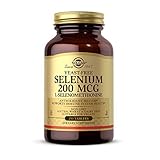
- Selenium: selenomethionine, not sodium selenite. 200 mcg per capsule with a ConsumerLab Approved or USP Verified mark.
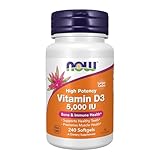
- Vitamin D: D3 (cholecalciferol), softgel with a fat carrier, 2,000 to 5,000 IU per softgel depending on your starting level.
- Zinc: gluconate, picolinate, or bisglycinate. Avoid zinc oxide. 15 to 25 mg per capsule.
- Iron: ferrous bisglycinate is gentler on the gut than ferrous sulfate at the same elemental iron dose. Verify deficiency first.
- Magnesium: glycinate or bisglycinate for sleep adjunct. Citrate if you also need bowel regulation.
Third-party testing markers worth looking for: ConsumerLab Approved, USP Verified, NSF Certified for Sport, or a published Certificate of Analysis for the specific lot. Red flags: proprietary "thyroid support" blends that mix iodine, kelp, ashwagandha, and tyrosine into a single capsule without per-ingredient mg disclosure. That formulation is more likely to make Hashimoto's worse than better.
Separate any thyroid-binding minerals (iron, calcium, magnesium) from levothyroxine by at least 4 hours. The interaction is well-documented.
When supplements are NOT enough
These are the signs the supplement conversation is the wrong conversation:
- TSH above 10 mIU/L on repeat measurement, on or off levothyroxine. This is overt hypothyroidism per the ATA and requires drug treatment.
- Anti-TPO antibodies rising sharply on serial labs combined with new or worsening symptoms.
- New goiter, voice change, neck pain, or palpable thyroid nodule. See your clinician for ultrasound.
- Pregnancy or active fertility planning with a known Hashimoto's diagnosis. Thyroid targets are tighter in pregnancy (TSH usually under 2.5 mIU/L in the first trimester). Consult your OBGYN; do not self-manage with supplements.
- Profound fatigue, depression, or cognitive symptoms that are limiting your daily function regardless of TSH. There's more to assess than thyroid hormone alone. This overlap is exactly why we wrote our practical guide to the best supplements for chronic fatigue, which covers the non-thyroid causes that often coexist.
If you are not yet on levothyroxine but your TSH is above 10, the order of operations is: see your physician, get treated, then layer adjunctive supplements on top of a treated baseline.
FAQ
Does selenium cure Hashimoto's? No supplement cures Hashimoto's. Selenium reduces anti-TPO antibody titers by roughly 30 to 40 percent in 3-month trials. Whether that translates into avoiding levothyroxine or changing long-term outcomes has not been established. Treat it as an adjunctive layer, not a cure.
Should I take iodine for Hashimoto's? No. The ATA explicitly cautions against iodine supplementation in autoimmune thyroid disease, and the NIH ODS confirms that excess iodine can trigger or worsen the condition. Iodized salt and a normal Western diet supply enough. High-dose iodine or kelp supplements for Hashimoto's are a known harm signal.
Can I take supplements instead of levothyroxine? No. Levothyroxine is the guideline-recommended first-line treatment for overt hypothyroidism. Supplements are a layer on top of that, not a substitute. If your TSH is persistently above 10, the supplement question is secondary.
How long until I see TPO antibody changes from selenium? Trials typically measure at 3 and 6 months. Expect no meaningful change before 90 days, and have your antibody titer rechecked through your physician at the same time as your TSH. One measurement is noise; serial measurements are signal.
Is a multivitamin enough? Probably not at the trial doses. Most multivitamins deliver 55 to 200 mcg of selenium, often as sodium selenite, and 400 to 1,000 IU of vitamin D. That's a reasonable nutritional floor but it's below what the Hashimoto's trials used. For the specific adjunctive question, individual supplements at trial doses are more defensible than a generic multivitamin.
Building a supplement routine for this? Our companion app, StackMyMed, lets you scan each product, track your real daily intake, and get timing reminders plus interaction checks across your whole stack.
Conclusion: the bottom line on best supplements for Hashimoto's
For Hashimoto's, the supplement evidence stack is small but honest: selenium 200 mcg/day as selenomethionine has the cleanest RCT signal for TPO antibody reduction, vitamin D3 has a modest signal when you correct a documented deficiency, and zinc, iron, magnesium, and myo-inositol pick up the secondary positions depending on symptoms and labs. Iodine is the one to leave alone. None of this replaces levothyroxine when your TSH is above 10; the standard of care is the standard for a reason, and adjunctive nutrients are exactly that, adjunctive. The conversation that moves the disease is the one about your TSH on treatment, not what brand of capsule arrived this week.
Next steps
- Get a current panel: TSH, free T4, anti-TPO, 25-OH vitamin D, ferritin, and serum zinc if relevant. Decide with your physician.
- If antibody-positive and stable on levothyroxine, consider a 3-month trial of selenomethionine 200 mcg/day with antibody recheck at 90 days.
- Read how we review supplements and Michael Ward's author profile for the methodology behind these picks.
This article is for informational purposes and not medical advice. Hashimoto's thyroiditis is a chronic condition that requires ongoing clinical management. Consult a licensed physician before starting any supplement, particularly if you are on levothyroxine, pregnant, nursing, taking prescription medications, or managing a chronic condition.
Reviewed by Michael Ward, MD MPH, Preventive Medicine, focused on guideline-based chronic disease management.
Recommended Products

As an Amazon Associate, UsefulVitamins.com earns from qualifying purchases at no extra cost to you. We only recommend products supported by published research or third-party testing.
