

Affiliate disclosure: this article contains affiliate links. As an Amazon Associate, UsefulVitamins.com earns from qualifying purchases at no extra cost to you.
If you are searching for the best supplements for chronic fatigue, you have probably already tried the easy stack (B-complex, magnesium, a multivitamin) and want to know which compounds have real biochemical signal in the specific condition called ME/CFS.
Before you decide

The 2 to 3 supplements I would actually start with, in order:
- Ubiquinol-form CoQ10 (200 mg/day) combined with NADH (20 mg/day): the only ME/CFS-specific combination with two positive double-blind RCTs from the Castro-Marrero group.
- Acetyl-L-carnitine or propionyl-L-carnitine (2 g/day): an older randomized trial showed measurable fatigue improvement, especially in mental fatigue (acetyl) and physical fatigue (propionyl).
- Magnesium and B12 repletion if labs are low: deficiency-driven fatigue is a common confounder and worth correcting before judging anything else.
Who should not start with these: anyone who has not had a clinical workup ruling out anemia, hypothyroidism, sleep apnea, depression, and adrenal insufficiency, all of which can present as fatigue and have specific treatments. Also skip if you are on warfarin (CoQ10 and high-dose omega-3 interact) without checking with your prescriber.
What to do FIRST, before any supplement: get a clinician familiar with the 2015 IOM diagnostic criteria (now SEID) to confirm the diagnosis, and start pacing. No supplement reverses ME/CFS; pacing prevents the post-exertional malaise crashes that progressively narrow your envelope.
What ME/CFS Actually Is, Briefly
Myalgic encephalomyelitis / chronic fatigue syndrome is not "I am tired" or "I am burned out." It is a defined clinical syndrome with cardinal features: substantially reduced ability to engage in pre-illness activities lasting six months or more, post-exertional malaise (a worsening of symptoms after physical, cognitive, or emotional effort, often delayed by 24 to 72 hours), unrefreshing sleep, and either cognitive impairment or orthostatic intolerance. Those are the IOM 2015 criteria, sometimes called SEID (Systemic Exertion Intolerance Disease), and they are the operational definition the CDC now uses.
Mechanistically the picture has converged on three coupled abnormalities. First, mitochondrial dysfunction with reduced oxidative phosphorylation capacity, often measurable as impaired ATP synthesis and elevated lactate on a 2-day cardiopulmonary exercise test. Second, low-grade neuroinflammation with microglial activation visible on PET imaging in some patient cohorts and elevated cytokines like IL-1β, IL-6, and TNF-α. Third, autonomic dysfunction, often expressed as orthostatic intolerance or POTS, with a measurable drop in cerebral blood flow on tilt-table testing. Long COVID has dragged this physiology back into mainstream view, since a subset of post-viral patients meet ME/CFS criteria and share these biological features (Komaroff and Lipkin, 2021, PMID 30791829).
There is no FDA-approved drug for ME/CFS. Standard of care, per the 2021 NICE guideline NG206 and the CDC clinician overview, is pacing to stay within an individual energy envelope, symptomatic management of sleep, pain, and orthostatic intolerance, and treatment of comorbidities. NICE explicitly removed graded exercise therapy (GET) from its recommendations in 2021 because of repeated harm signals. The supplements below should be read as mitochondrial-support adjuncts to pacing, not as cures.
The Supplements With the Strongest Evidence

Ubiquinol-Form CoQ10 + NADH (As a Combination)
Why it helps. Coenzyme Q10 is the electron shuttle between Complex I/II and Complex III of the mitochondrial electron transport chain. NADH donates electrons at Complex I. Pairing them targets the upstream bottleneck of oxidative phosphorylation that appears impaired in ME/CFS bioenergetic studies. Ubiquinol is the reduced, more bioavailable form of CoQ10, preferred over ubiquinone in patients over 40 or with absorption issues.
What the trials show. In an 8-week double-blind RCT of 80 ME/CFS patients (Castro-Marrero et al., 2015, PMID 25386668), CoQ10 200 mg/day plus NADH 20 mg/day reduced perceived fatigue scores and improved heart rate response during a 6-minute walk test versus placebo. A follow-up 8-week trial (Castro-Marrero et al., 2016, PMID 27045961) replicated the fatigue improvement and reported reductions in oxidative stress markers and improvements in cognitive fatigue scores. Earlier monotherapy NADH work (Forsyth et al., 1999, PMID 9018019) saw a smaller signal, which is consistent with the combination being more useful than either alone.
Dose used in trials. Ubiquinol 200 mg/day plus NADH 20 mg/day, taken in the morning on an empty stomach, for 8 weeks before re-assessing. The trial protocol used Kaneka ubiquinol; this is the most-tested ingredient form.
Form to look for. Ubiquinol (not ubiquinone) standardized with the Kaneka logo or equivalent stabilized softgel formulation. NADH stabilized as ENADA or a comparable enteric-coated tablet, since unprotected NADH degrades in stomach acid. ConsumerLab's CoQ10 review verifies which brands meet label claims and which fall short on ubiquinol potency.
Skip if you take warfarin (CoQ10 can reduce its anticoagulant effect; the Drugs.com interaction page details this) or certain blood pressure medications without prescriber input.
Actionable takeaway: the dose that worked in both Castro-Marrero trials is 200 mg of ubiquinol, not 100 mg of ubiquinone. The standardization difference matters here more than for almost any other supplement on this list.
Acetyl-L-Carnitine or Propionyl-L-Carnitine
Why it helps. L-carnitine shuttles long-chain fatty acids into the mitochondrial matrix for beta-oxidation. Acetyl-L-carnitine crosses the blood-brain barrier and additionally serves as a precursor to acetylcholine and supports neuronal energetics. Propionyl-L-carnitine has stronger effects in skeletal and cardiac muscle. ME/CFS patients show reduced serum and intracellular carnitine in several observational studies, which gives the repletion logic a foothold.
What the trials show. In a 24-week randomized open-label trial of 90 CFS patients (Vermeulen and Scholte, 2004, PMID 14702533), three arms (acetyl-L-carnitine 2 g/day, propionyl-L-carnitine 2 g/day, or the combination) showed measurable fatigue improvement. Acetyl-L-carnitine produced the largest reduction in mental fatigue; propionyl-L-carnitine produced the largest reduction in physical fatigue; the combination was less effective than either alone, suggesting they compete for transport. This is the cleanest signal we have on carnitine for ME/CFS, though the open-label design is a real limitation.
Dose used in trials. 2 g/day of either form, split twice daily with food, for 8 to 24 weeks. Most positive responses appeared by week 8.
Form to look for. Acetyl-L-carnitine HCl or propionyl-L-carnitine fumarate (Carnipure-branded raw material is most-tested). Avoid blends that smear total carnitine across multiple low-dose forms; trials used isolated forms at full dose.
Skip if you have a seizure disorder (rare reports of lowered threshold) or hypothyroidism that is not yet treated, since carnitine can blunt thyroid hormone activity at the cellular level.
Actionable takeaway: pick one form at the full 2 g/day for 8 weeks. The combination arm in the Vermeulen and Scholte study underperformed monotherapy, so the "stack both" instinct works against you.
Magnesium (Repletion, Glycinate or Malate Form)
Why it helps. Magnesium is a cofactor for over 300 enzymatic reactions including every step of ATP synthesis and the NMDA glutamate receptor that is implicated in both pain and sleep disturbances in ME/CFS. Patients commonly run low intracellular magnesium even when serum is normal, since serum reflects only 1% of total body magnesium.
What the trials show. The cleanest historical signal is from the fibromyalgia and CFS overlap literature where magnesium plus malic acid showed pain and fatigue improvement in older trials. Magnesium glycinate and magnesium malate are the better-tolerated forms; magnesium oxide is poorly absorbed and gives most of its dose to your bowels. For an adjacent condition with more direct magnesium evidence, see the best supplements for fibromyalgia.
Dose used in trials. 200 to 400 mg of elemental magnesium per day, ideally split, taken with food. Start at the lower end and titrate to bowel tolerance.
Form to look for. Glycinate (calming, gentle on the gut) or malate (paired with malic acid, which feeds the Krebs cycle and has its own fatigue-relevant logic). For sleep-dominant presentations, see the best magnesium for sleep for product-level guidance.
Skip if you have chronic kidney disease, since impaired clearance can raise serum magnesium to dangerous levels.
Vitamin B12 (Hydroxocobalamin or Methylcobalamin, If Deficient or Low-Normal)
Why it helps. B12 is required for methylation, myelin synthesis, and red blood cell production. Deficiency directly causes fatigue, cognitive slowing, and paresthesias that can mimic ME/CFS symptoms. Some ME/CFS clinicians report responses to high-dose sublingual or injected B12 even in patients with serum B12 in the low-normal range, on the logic that intracellular and CNS B12 status is not reliably reflected in serum.
What the trials show. No large blinded RCTs in ME/CFS specifically. The evidence is a mix of small observational series, clinician case reports, and the much stronger evidence base for B12 in correcting deficiency-driven fatigue. Methylmalonic acid (MMA) and homocysteine are the better functional markers; if either is elevated, B12 status is the issue.
Dose used in clinical practice. 1 to 5 mg/day sublingual hydroxocobalamin or methylcobalamin if oral; intramuscular hydroxocobalamin 1 mg every 1 to 4 weeks if a prescriber agrees. The dose-trial-supplement gap is real here: many over-the-counter B12 tablets dose at 100 to 500 mcg, which is fine for routine repletion but well below clinician-protocol doses used for symptomatic patients.
Form to look for. Hydroxocobalamin or methylcobalamin (active forms). Avoid cyanocobalamin if you have MTHFR-related methylation concerns or kidney impairment.
Skip if you have Leber's hereditary optic neuropathy, where high-dose hydroxocobalamin needs specialist input.
Supplements With Moderate Evidence
D-Ribose
D-Ribose is a five-carbon sugar in the ATP and ADP backbone. Exogenous ribose accelerates the salvage and re-synthesis of nucleotides after mitochondrial stress. In a multicenter open-label trial of 257 patients with fibromyalgia or CFS (Teitelbaum et al., 2006, PMID 22014205), 5 g three times daily for three weeks produced subjective improvements in energy, sleep, and mental clarity. The trial was open-label and sponsored, and no rigorous double-blind RCT has replicated the result. The safety profile is benign. Worth a 4 to 8 week trial at 5 g three times daily if mitochondrial framing fits your phenotype, with honest acknowledgement that the evidence is thinner than for CoQ10 plus NADH.
Omega-3 EPA/DHA
Most of the omega-3 evidence in fatigue conditions sits in the neuroinflammation framing, with stronger trials in depression and post-viral fatigue than in ME/CFS proper. The biological logic is real: EPA and DHA incorporate into neuronal and immune cell membranes and shift eicosanoid signaling toward less inflammatory species. For Long COVID specifically, where post-viral fatigue and ME/CFS overlap, a few small trials suggest benefit. The honest framing is that omega-3 is a low-risk, neuroinflammation-targeted adjunct, not a primary intervention. Trial dose is 1,000 to 2,000 mg EPA/day in triglyceride form.
L-Arginine and L-Citrulline (For Orthostatic Intolerance Overlap)
If your ME/CFS is dominated by orthostatic intolerance or POTS, the nitric oxide precursors L-arginine and L-citrulline have a small evidence base in POTS specifically. Citrulline is more bioavailable than arginine because it bypasses hepatic first-pass metabolism. Trial doses run 3 to 6 g/day of citrulline. The mechanism is improved endothelial nitric oxide and vascular tone, plausibly relevant to the cerebral blood flow drop seen on tilt-table testing in many patients. Pair with high-salt and high-fluid intake under clinician guidance.
Popular But Evidence-Thin
NAD+ Precursors (NR and NMN)
Nicotinamide riboside and nicotinamide mononucleotide are heavily marketed for mitochondrial health and "cellular energy". The mechanism is reasonable: both raise tissue NAD+ levels. In healthy adults the evidence is accumulating. In ME/CFS specifically, there is essentially no published RCT signal, and the cost is high. If you want the NAD+-pathway intervention with actual ME/CFS trial data, the original Castro-Marrero NADH protocol is better-evidenced at a fraction of the price. NR and NMN may earn a place on this list in five years; right now they are ahead of the evidence.
Probiotics
Gut-brain axis framing is mechanistically interesting, since ME/CFS patients show altered microbiome composition in observational studies. Small probiotic trials have shown changes in gut symptoms and mood scores but not consistent improvement in core fatigue endpoints. If you have prominent IBS-like symptoms, a multi-strain probiotic is a reasonable adjunct on its own merits, not as a fatigue intervention.
What to Look For When Buying
| Question | What to check |
|---|---|
| Does the dose match the trial dose? | Ubiquinol 200 mg, NADH 20 mg, carnitine 2 g, magnesium 200 to 400 mg elemental, EPA ≥1,000 mg |
| Is the active form the one trials used? | Ubiquinol (not ubiquinone), stabilized NADH (ENADA), acetyl- or propionyl-L-carnitine isolated, magnesium glycinate or malate |
| Third-party verified? | USP Verified, NSF Certified, or ConsumerLab Approved (at least one) |
| Red flags on the label | "Mitochondrial complex" proprietary blends with no per-ingredient mg, "cures chronic fatigue" marketing, ubiquinone sold at ubiquinol prices |
| Drug interaction screen | Run any new supplement through Drugs.com against your existing prescriptions; CoQ10 plus warfarin is the most relevant pairing on this list |
For UV's full methodology, see how we review supplements.
When Supplements Are Not Enough
Supplements are mitochondrial-support adjuncts. They are not a substitute for proper diagnosis, pacing, and management of comorbidities. See a clinician familiar with post-2021 NICE guidance, and prioritize doing so urgently, if any of the following apply:
- You have not yet been worked up for anemia, hypothyroidism, sleep apnea, B12 deficiency, or adrenal insufficiency, all of which can present as fatigue with different treatments
- You have post-exertional crashes lasting longer than a week after minor exertion, which suggests you are pushing past your envelope
- You have prominent orthostatic intolerance, fainting, or tachycardia on standing, which deserves specific POTS workup
- A provider is recommending graded exercise therapy (GET); the 2021 NICE update removed GET from recommendations because of harm signals, and a clinician still prescribing it is not following current guidance
- New neurological symptoms, weight loss, or fevers, which require workup for other diagnoses before defaulting to ME/CFS
The "more effort fixes this" intuition is exactly backward in ME/CFS. Pacing within your envelope is the standard of care; supplements are help around the edges.
FAQ
Is chronic fatigue the same as ME/CFS? No. "Chronic fatigue" as a symptom can have dozens of causes (anemia, hypothyroidism, depression, sleep apnea). ME/CFS is a defined syndrome requiring post-exertional malaise, unrefreshing sleep, and cognitive impairment or orthostatic intolerance per the IOM 2015 criteria. Treating one as the other leads to wrong supplement and lifestyle recommendations.
Can supplements replace pacing? No. Pacing is the standard of care endorsed by NICE, the CDC, and IACFS/ME. No supplement on this list reverses ME/CFS; the best of them help the mitochondrial substrate while pacing keeps you out of crashes.
How long until I know if a supplement is working? Eight weeks at the trial dose, measured by a fatigue questionnaire or symptom diary, with attention to whether your post-exertional malaise threshold has shifted. Many people drop supplements at two weeks; both Castro-Marrero trials needed the full eight weeks before separation from placebo.
What about Long COVID? ME/CFS and Long COVID share post-viral pathophysiology in a substantial subset of patients (Komaroff and Lipkin, 2021), and the supplement evidence overlaps for omega-3, CoQ10, and probably NAC. Treat the underlying physiology the same way: pacing first, mitochondrial and neuroinflammation support second.
Is graded exercise therapy ever appropriate? Not as currently understood for ME/CFS. The 2021 NICE update removed GET from recommendations after re-analysis of the PACE trial and patient harm reports. If a clinician is pushing GET, find one who follows current guidance.
If you are stacking a few supplements for this, StackMyMed (our companion app) tracks what you actually take, schedules the best time for each one, and flags any combinations worth a second look.
Conclusion: The Bottom Line on Best Supplements for Chronic Fatigue
If you want a short list that reflects what the human RCT evidence actually supports in diagnosed ME/CFS: ubiquinol-form CoQ10 200 mg/day plus NADH 20 mg/day is the best-replicated combination, acetyl-L-carnitine or propionyl-L-carnitine at 2 g/day has older but real signal, and magnesium plus B12 are worth repleting if your labs are low. D-ribose, omega-3, and L-citrulline (for orthostatic overlap) are reasonable second-tier additions. NAD+ precursors and probiotics for fatigue specifically are ahead of the evidence. Above all, pacing is the standard of care; supplements are help around the edges, not a way to push harder.
Next steps:
- Confirm an ME/CFS diagnosis with a clinician using the IOM 2015 criteria, and rule out the common fatigue mimics (TSH, ferritin, B12, 25-OH vitamin D, CBC, sleep study if indicated).
- Match the trial dose, not the bottle dose, on whichever supplement you choose; ubiquinol 200 mg and NADH 20 mg is the protocol that worked.
- Read how we review supplements for the testing criteria UV applies before naming any brand, and see Maria Rodriguez's author page for adjacent cognitive and mood biochemistry pieces.
Reviewed by Maria Rodriguez, MS Nutrition Science, focused on cognitive and mood biochemistry.
This article is for informational purposes and not medical advice. Supplements can interact with medications and health conditions, and ME/CFS is a serious clinical syndrome that deserves a proper workup. Consult a licensed clinician familiar with post-2021 NICE guidance before starting any supplement, particularly if you are pregnant, nursing, taking prescription medications, or experiencing new or worsening symptoms.
Recommended Products

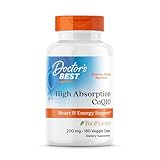

As an Amazon Associate, UsefulVitamins.com earns from qualifying purchases at no extra cost to you. We only recommend products supported by published research or third-party testing.
