

Affiliate disclosure: this article contains affiliate links. As an Amazon Associate, UsefulVitamins.com earns from qualifying purchases at no extra cost to you.
If you're searching for the best supplements for fibromyalgia, you're either skeptical of duloxetine and pregabalin, intolerant of the side effects, or looking for something to layer alongside the standard of care.
Quick Answer: which supplements are worth trying first
Start with CoQ10, magnesium glycinate, and vitamin D (if your level is low). That's the short stack with the most consistent RCT support and the cleanest safety profile.
- CoQ10 300 mg/day, the best-replicated supplement signal in fibromyalgia. Targets the mitochondrial dysfunction these patients consistently show on tissue assays.
- Magnesium glycinate, 300 mg elemental at night. Small RCTs show reductions in tender point count and stress, and the glycinate form is the most tolerated.
- Vitamin D3 1,000 to 2,400 IU/day, but only if your serum 25-OH-D is below 30 ng/mL. Repleting deficiency helps; megadosing a normal level does not.
Who should NOT start with these: anyone with widespread untreated pain that's preventing them from working or sleeping. Get a rheumatology or pain-medicine evaluation first, then add supplements as adjuncts. And one specific drug-supplement interaction: if you are taking duloxetine, milnacipran, an SSRI, or tramadol, do not add 5-HTP or St. John's Wort without a clinician supervising. The serotonergic stack is real.
Before any of this, the things with the largest evidence base in fibromyalgia are not supplements at all: graded aerobic exercise, cognitive behavioral therapy, and sleep restoration. Supplements layer on top of those. They do not replace them.
What fibromyalgia actually is, briefly
Fibromyalgia is a chronic pain disorder defined by widespread musculoskeletal pain plus fatigue, unrefreshing sleep, and cognitive symptoms ("fibro fog"). The current diagnostic framework is the 2016 revision of the ACR fibromyalgia criteria (Wolfe et al.), which uses a Widespread Pain Index of at least 4 plus a Symptom Severity Score, sustained for three months, with no other condition that fully explains the picture.
Mechanistically, fibromyalgia is now understood as a central pain processing disorder. Peripheral tissue isn't damaged the way it is in rheumatoid arthritis. Instead, the descending pain-modulating system is dysregulated, NMDA receptors are hyperexcitable, and there's measurable mitochondrial dysfunction with depleted CoQ10 in muscle biopsies and blood mononuclear cells. The HPA axis runs blunted in the morning and over-reactive at night, which is why patients wake unrefreshed and crash by mid-afternoon.
First-line conventional treatment is FDA-approved duloxetine, milnacipran, or pregabalin, combined with graded exercise and CBT. Supplements live in the adjunctive lane. They are not, and should not be sold as, a substitute for the central nervous system pharmacology that the standard of care relies on.
The supplements with the strongest evidence

CoQ10 (ubiquinol or ubiquinone, 300 mg/day)
Why it helps. Fibromyalgia patients consistently show depleted CoQ10 in tissues (often 40 to 50 percent of normal) alongside increased mitochondrial dysfunction and oxidative stress in peripheral blood mononuclear cells. CoQ10 sits in the electron transport chain and supports mitochondrial ATP production. The mechanism is unusually clean for a chronic pain disorder.
What the trials show. The best-cited RCT is Cordero et al., 2013, n=20, double-blind placebo-controlled, 40 days of 300 mg/day. The active group showed a 52 percent reduction in pain, 47 percent reduction in fatigue, and 44 percent reduction in morning tiredness vs placebo, with recovery of mitochondrial biogenesis and AMPK signaling. Sample size is small, but the effect is large and the molecular markers moved.
Dose used in trials. 300 mg/day, taken with a fatty meal (CoQ10 is fat-soluble). Ubiquinol may be modestly more bioavailable than ubiquinone in older patients but both forms work.
Skip if. You're on warfarin (CoQ10 can lower the INR; check with your prescriber per the NIH ODS CoQ10 fact sheet). Cost is the realistic downside; 300 mg/day of a quality product runs $25 to $45/month.
Actionable takeaway: if you start one supplement for fibromyalgia, CoQ10 at 300 mg with breakfast is the one with the most consistent signal across pain, fatigue, and a measurable biological marker.
Magnesium glycinate (300 mg elemental, at night)
Why it helps. Magnesium is a non-competitive NMDA receptor antagonist, which is mechanistically relevant in a central sensitization disorder where NMDA hyperexcitability is part of the model. It also supports muscle relaxation and sleep architecture.
What the trials show. A literature review by Boulis, Boulis, and Clauw, 2021 pulled the evidence together: an 8-week RCT of magnesium citrate 300 mg/day in 40 fibromyalgia patients (Bagis et al.) showed tender points dropped from 15.2 to 11.7 and the Fibromyalgia Impact Questionnaire score dropped from 35.4 to 23.6. An older crossover of magnesium plus malate showed similar tender-point reductions. One small RCT (n=24) showed no effect. The signal is real but the trials are small.
Dose used in trials. 300 mg elemental magnesium, sometimes split, sometimes given with malic acid as "magnesium malate." Glycinate is the form I prefer clinically because of how well it's tolerated, but the trials used citrate and the malate combination.
Form to look for. Magnesium glycinate (best tolerated, calming), magnesium citrate (used in the RCTs), or magnesium malate if you want to mimic the older fibromyalgia-specific trial. Skip magnesium oxide for this use case; it's poorly absorbed and gives most people loose stools without delivering the elemental magnesium you actually want.
Skip if. You have advanced kidney disease (eGFR < 30); the kidneys clear magnesium, and supplementation can build up.
Vitamin D3 (1,000 to 2,400 IU/day, if deficient)
Why it helps. Vitamin D deficiency is more common in fibromyalgia patients than in matched controls, and deficiency itself causes diffuse musculoskeletal pain that mimics fibromyalgia. The intervention is replenishment, not megadose.
What the trials show. The cleanest RCT is Wepner et al., n=30, randomized placebo-controlled, in vitamin D-deficient fibromyalgia patients. Doses of 1,200 to 2,400 IU/day of cholecalciferol (titrated to a serum 25-OH-D target of 32 to 48 ng/mL) reduced pain and fatigue vs placebo, but did not move morning stiffness. A 2022 systematic review of vitamin D in fibromyalgia and chronic musculoskeletal pain (Nutrients, MDPI) found benefit primarily in deficient patients.
Dose used in trials. Titrate to a serum 25-OH-D between 32 and 48 ng/mL. For most adults that's 1,000 to 2,400 IU/day of cholecalciferol (D3), with food. Get a 25-OH-D blood test first; don't guess.
Skip if. Your serum 25-OH-D is already above 40 ng/mL. Pushing higher does not give you more benefit and at very high serum levels (>100 ng/mL) carries hypercalcemia risk.
Actionable takeaway: ask your primary care provider for a 25-OH-D level before buying vitamin D. If you're below 30 ng/mL, replete. If you're above 40, save your money.
Supplements with moderate evidence (consider with caveats)
SAMe (S-adenosylmethionine, 800 mg/day oral)
Why it might help. SAMe is a methyl donor used in monoamine neurotransmitter synthesis. It has its own RCT evidence base in depression, and the pain-depression overlap in fibromyalgia is the reason it gets tested.
What the trials show. The Jacobsen et al. 1991 RCT randomized 44 primary fibromyalgia patients to oral SAMe 800 mg/day or placebo for 6 weeks. Active group improved on clinical disease activity, pain in the last week, fatigue, morning stiffness, and mood (Face Scale). Tender point count and Beck Depression Inventory did not differ. An older IV-SAMe crossover showed similar mixed signals. Translation: oral SAMe at 800 mg looks modestly helpful for pain and fatigue, but the evidence is older and not replicated at scale.
Traditional dosing vs RCT dosing. Traditional naturopathic dosing tends to be 400 mg twice daily; RCTs use the same 800 mg/day total. These are aligned, unusually for this kind of supplement.
Skip if. You have bipolar disorder (SAMe can induce hypomania) or you're on an SSRI, SNRI, MAOI, or tramadol without a prescriber supervising. The serotonergic interaction risk is the same caution as 5-HTP.
Acetyl-L-carnitine (1,500 mg/day)
Why it might help. Acetyl-L-carnitine supports mitochondrial fatty acid transport (same energetic story as CoQ10, different lever) and has some pain-modulating effects via acetylcholine and NGF pathways.
What the trials show. Rossini et al. 2007, multicenter RCT, n=102, randomized fibromyalgia patients to ALC vs placebo. By week 10 the ALC group showed significant improvement on total myalgic score, tender points, depression, and musculoskeletal pain. The Leombruni et al. 2015 head-to-head compared ALC 1,500 mg/day to duloxetine 60 mg/day in 65 women; both improved depression, pain, and quality of life with comparable efficacy in this preliminary sample.
Dose used in trials. 1,500 mg/day, split (typically 500 mg three times daily).
Skip if. You have a history of seizures (rare reports of seizure threshold lowering) or hypothyroidism that isn't being treated; carnitine can blunt the action of thyroid hormone in some patients.
Melatonin (3 to 10 mg at bedtime)
Why it might help. Sleep architecture is central to fibromyalgia, and the disorder is associated with disrupted slow-wave sleep. Melatonin also has a small direct effect on the descending pain-modulating system.
What the trials show. de Zanette et al. 2014 phase II RCT, n=63 randomized women with fibromyalgia to bedtime amitriptyline 25 mg, melatonin 10 mg, or both for 6 weeks. Melatonin alone and the combination beat amitriptyline alone on visual analog pain scores; the combination produced only marginal extra benefit on the FIQ. Sample is small but the design is clean.
Dose used in trials. 10 mg at bedtime in the cited RCT, but 3 to 5 mg works for sleep onset in most patients. Start lower (3 mg) and titrate.
Skip if. You have a daytime sedation problem or you're on benzodiazepines for sleep already. Stacking sedatives is rarely the cleaner answer. For a deeper review of forms and dosing strategy, see our Best Magnesium for Sleep breakdown, which covers the magnesium-melatonin pairing.
Popular but evidence-thin
Ashwagandha and ribose
Ashwagandha shows up in nearly every "fibromyalgia stack" online because the HPA-axis story is intuitive. The fibromyalgia-specific RCT evidence is essentially nonexistent. There's a small ashwagandha-plus-multimodal-Ayurveda trial, but the supplement was not isolated from the protocol. Mechanistically plausible, evidence-wise speculative. If you want to try it, 600 mg/day of a KSM-66 or Shoden extract for 8 weeks is a reasonable test, but expect modest at best. Where adaptogens have better RCT support is chronic fatigue and burnout, which we cover separately.
D-ribose has one open-label series in fibromyalgia (Teitelbaum) showing improvement on 5 g three times daily, but it was uncontrolled, sponsored, and never replicated in a proper RCT. Plausible mitochondrial story, no real evidence.
What to look for when buying
Form matters more in fibromyalgia than in most supplement categories because so many of these compounds are poorly absorbed in their cheap forms:
- Magnesium: glycinate (gentle, sleep-supportive), citrate (used in RCTs), or malate. Avoid oxide.
- CoQ10: ubiquinol if you're over 50, ubiquinone is fine otherwise; always with a fatty meal.
- Vitamin D: cholecalciferol (D3), not ergocalciferol (D2). Softgel in oil absorbs better than tablets.
- Acetyl-L-carnitine: look for the "acetyl" form specifically, not generic L-carnitine; the acetyl form crosses the blood-brain barrier and that's where the pain-modulating effect comes from.
Third-party testing is the cheap insurance policy. USP Verified, NSF Certified for Sport, or ConsumerLab approved are the three reliable marks. "GMP certified" alone is the regulatory floor and doesn't tell you the product matches the label.
Red flags: proprietary blends that don't disclose per-ingredient milligrams, "miracle fibro relief" claims, anything sold via MLM, and brands with FDA warning letters. If the label doesn't show the exact dose used in the trial, it's not the same intervention.
When supplements are NOT enough
Fibromyalgia that is debilitating, defined as pain that prevents you from working, exercising, or sleeping for more than a few hours at a time, needs a conventional evaluation first. That means:
- A rheumatology workup to rule out treatable mimics (rheumatoid arthritis, polymyalgia rheumatica, Sjögren syndrome, hypothyroidism, lupus, vitamin D deficiency myopathy, statin myopathy).
- A trial of an FDA-approved medication (duloxetine, milnacipran, or pregabalin) if pain is severe.
- Graded aerobic exercise and CBT, which have the most consistent evidence of any single intervention.
If pain is severe enough that you're considering opioids or you're having suicidal thoughts, call your primary care clinician or the 988 Suicide and Crisis Lifeline. Chronic pain and depression overlap heavily in fibromyalgia and the crisis pathway is the same as it is for primary mood disorders.
The naturopathic position I take in clinic is straightforward: supplements are levers worth pulling, but they are one of three or four levers, and they are not the biggest one. Sleep, exercise, and either CBT or appropriate pharmacology are bigger.
FAQ
Can I take CoQ10 and magnesium at the same time? Yes. CoQ10 with breakfast (fatty meal), magnesium glycinate at bedtime. Different mechanisms, no known interaction. This is the most common starter stack in my practice.
Is 5-HTP safe with duloxetine for fibromyalgia? No, not without a prescriber supervising. Both 5-HTP and duloxetine increase synaptic serotonin, and the combination raises the risk of serotonin syndrome. The same caution applies to SSRIs, milnacipran, tramadol, MAOIs, and St. John's Wort. Per the Drugs.com interaction monograph, the additive serotonergic risk is the reason 5-HTP is not on this article's "start with" list even though it has some standalone fibromyalgia evidence.
How long until I know if a supplement is working? For CoQ10, magnesium, and SAMe: a 6 to 8 week trial at the right dose. For vitamin D: 8 to 12 weeks of repletion and recheck the 25-OH-D level. If you've given it 8 weeks at the trial dose and nothing has shifted, stop. The "give it three more months" mindset is how people end up on 12 supplements and still feel awful. For an anxiety-overlap angle, see our natural supplements for anxiety review for what overlaps with fibromyalgia stress dysregulation.
Does CBD help fibromyalgia? Mixed and uncertain. Mechanism is plausible, but trial evidence is small, heterogeneous in product, and no clearer than placebo in the better-designed studies. Not on my "start with" list.
Why isn't turmeric on this list? Curcumin has anti-inflammatory evidence, but fibromyalgia is not primarily an inflammatory disorder. The supplements that work here act on central sensitization, mitochondrial energetics, or sleep. Curcumin is a better fit for osteoarthritis.
Building a supplement routine for this? Our companion app, StackMyMed, lets you scan each product, track your real daily intake, and get timing reminders plus interaction checks across your whole stack.
Conclusion: the bottom line on best supplements for fibromyalgia
The honest triage: CoQ10 at 300 mg/day has the cleanest RCT signal, magnesium glycinate at 300 mg elemental is the safest universal add, and vitamin D3 is worth supplementing only if your 25-OH-D level says so. SAMe, acetyl-L-carnitine, and melatonin have older, smaller, but legitimate RCT evidence and are worth a structured 8-week trial if the first stack isn't enough. Adaptogens like ashwagandha and ATP-precursors like D-ribose are mechanism-plausible but the trials don't yet support recommending them. And 5-HTP should not be combined with an SNRI, SSRI, or tramadol without prescriber supervision.
Supplements are an adjunct. They sit on top of exercise, sleep, CBT, and (when appropriate) FDA-approved pharmacology. If the pain is debilitating, the conversation starts with a rheumatology workup, not a supplement order.
Next steps:
- Get a serum 25-OH-D level before buying vitamin D.
- Read how we review supplements so you know what we test for and what we don't.
- Read more about my author background and conflicts of interest at Jonathan Reynolds, ND.
This article is for informational purposes and not medical advice. Supplements can interact with medications and chronic conditions. Consult a licensed clinician before starting any supplement, particularly if you are pregnant, nursing, taking prescription medications (especially SNRIs, SSRIs, MAOIs, tramadol, or anticoagulants), or managing a chronic condition.
Reviewed by Jonathan Reynolds, ND, focused on botanical and naturopathic protocols.
Recommended Products

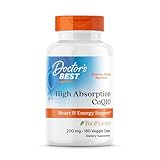

As an Amazon Associate, UsefulVitamins.com earns from qualifying purchases at no extra cost to you. We only recommend products supported by published research or third-party testing.
