Peptides

Peptides for Libido: Honest Look at PT-141 and What the Research Shows

If you are considering a peptide for libido, the honest answer is: there is exactly one FDA-approved peptide for this purpose — Vyleesi (bremelanotide), cleared in 2019 for premenopausal women with a specific diagnosed condition called hypoactive sexual desire disorder (HSDD). It is a prescription-only, self-injected medication that causes nausea in roughly four out of […]

Peptides for Libido: Honest Look at PT-141 and What the Research Shows Read More »

Are Peptides Safe? The Honest Answer With FDA Status and Real Risks

If you've been told peptides are "safer than steroids" or "completely natural," the honest answer is: it depends entirely on which peptide, who manufactured it, and whether the FDA has ever evaluated it in a human being. That three-part qualifier matters more than almost anything else you'll read in the peptide space. Some peptides have

Are Peptides Safe? The Honest Answer With FDA Status and Real Risks Read More »

Supplements for GLP-1 Muscle Loss: What Research Says About Preserving Lean Mass

If you're losing weight on a GLP-1 and worried about losing muscle along with it, the short answer is: yes, you will lose some, and the only thing that meaningfully changes that is protein and resistance training. Supplements support, they do not replace. That distinction matters because the supplement industry has spotted a growing market

Supplements for GLP-1 Muscle Loss: What Research Says About Preserving Lean Mass Read More »

Peptides for Energy: What’s Studied, What’s Hype, and What Actually Works

If you have landed here searching for "peptides for energy," the most useful thing this article can do is be honest with you upfront: the peptides actually being researched for energy and fatigue — SS-31 (elamipretide) and MOTS-c — are experimental drugs being studied in clinical settings, not supplements you can meaningfully buy. The peptides

Peptides for Energy: What’s Studied, What’s Hype, and What Actually Works Read More »

Peptides for Sleep: Honest Look at DSIP, Epitalon, and What Research Shows

You have probably seen the claims: a peptide used in research since the 1970s that "induces deep sleep," a Russian longevity peptide that "resets your circadian clock," a niche biohacker stack promising eight hours of restorative sleep. The real question is not whether these compounds sound interesting, it is whether any human being has been

Peptides for Sleep: Honest Look at DSIP, Epitalon, and What Research Shows Read More »
Peptides for Gut Health: What the Research Shows About BPC-157 and Alternatives

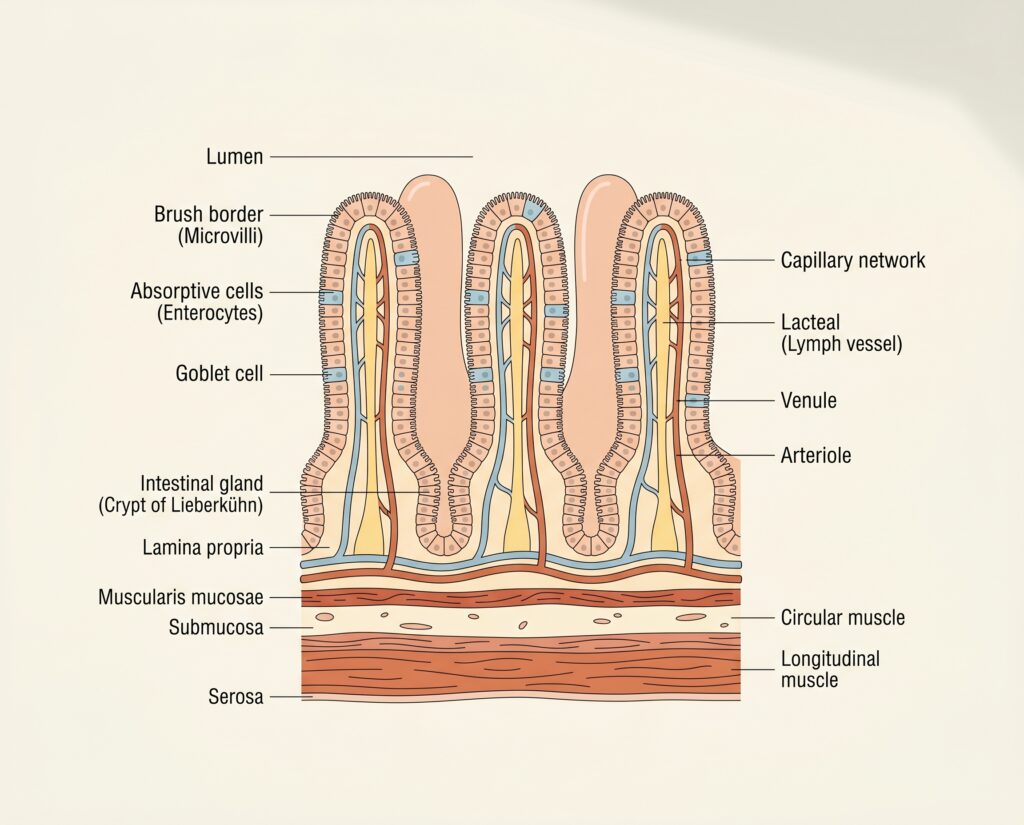
If you spend any time in wellness corners of the internet, you have probably seen BPC-157 described as the peptide that "heals your gut from the inside." Proponents credit it with fixing everything from leaky gut to Crohn's disease. The mechanism sounds plausible — but the actual human evidence is far thinner than the marketing

Peptides for Gut Health: What the Research Shows About BPC-157 and Alternatives Read More »

Peptides for Injury Recovery: Honest Evidence and Faster-Healing Alternatives

If you injured a tendon and someone on Reddit told you BPC-157 fixes it, the honest answer is: maybe in mice. The compound does some genuinely interesting things in animal models — accelerated tendon cell migration, improved load-to-failure scores, faster return of function — and the proposed mechanisms are plausible enough that researchers are paying

Peptides for Injury Recovery: Honest Evidence and Faster-Healing Alternatives Read More »

Peptides for Hair Loss: What the Evidence Says (Beyond the Marketing)

Scroll the comments on any hair-growth post and you will find someone asking whether copper peptide serums actually work, or whether they are just expensive window dressing. The skepticism is fair. The hair loss supplement market runs on hope, and brands have learned to dress up ingredient lists to sound clinical. So here is the

Peptides for Hair Loss: What the Evidence Says (Beyond the Marketing) Read More »

Peptides for Skin: Which Types Have Real Evidence and Which Are Marketing

Peptides have become one of the most crowded categories in skincare marketing. Every brand has one, every label promises collagen "stimulation" or muscle "relaxation," and the price tags run from $12 to $280 for what is, chemically, a chain of amino acids a few molecules long. So the reasonable question is whether any of this

Peptides for Skin: Which Types Have Real Evidence and Which Are Marketing Read More »

Peptides for Muscle Growth: Evidence, Realistic Effects, and Safer Alternatives

You've probably seen the Instagram posts: a vial, a syringe, and a caption promising rapid muscle gains "without steroids." The peptide market has grown fast enough to fill entire forums with before-and-after photos, stack protocols, and confident dosing advice from people who have no medical training and no obligation to tell you when things go

Peptides for Muscle Growth: Evidence, Realistic Effects, and Safer Alternatives Read More »

Scroll to Top