
Affiliate disclosure: this article contains affiliate links. As an Amazon Associate, UsefulVitamins.com earns from qualifying purchases at no extra cost to you.
Where the "nature's Ozempic" claim started
In 2023 a wave of TikTok and Instagram videos started calling berberine "nature's Ozempic." The pitch was simple and sticky: a cheap, bright-yellow plant compound that supposedly mimics the blockbuster weight-loss injections without a prescription.
The nickname spread because the timing was perfect. GLP-1 drugs were sold out, expensive, and everywhere in the news. A $20 bottle that promised the same thing was always going to go viral.
The problem is that the comparison was built on a vibe, not on the data. Berberine does have genuine metabolic effects. It just does not work the way semaglutide works, and the size of the effect is in a completely different league.
This page is the honest version. We are not a berberine brand, so we have no reason to tell you it is a miracle or a scam. It is neither.
What berberine actually is
Berberine is a compound found in several plants, including goldenseal, barberry, and Oregon grape. It has a long history in traditional Chinese and Ayurvedic medicine, mostly for digestive and infection-related uses.
In the body, its headline action is activating an enzyme called AMPK (AMP-activated protein kinase). As UCLA Health explains, AMPK is a kind of metabolic master switch that influences how cells use glucose and store fat.
That is a legitimate mechanism. AMPK activation is also part of how the diabetes drug metformin works, which is why berberine sometimes gets called "natural metformin." That comparison is closer to honest than the Ozempic one, though still loose.
So the foundation is real. The marketing leap happened when "affects metabolism" got rewritten as "replaces a weight-loss drug."
Berberine vs GLP-1 drugs: an honest side-by-side
This is where the viral claim falls apart. Semaglutide (Ozempic, Wegovy) is a GLP-1 receptor agonist. It directly mimics a gut hormone that suppresses appetite and slows how fast your stomach empties. That is why people on it eat dramatically less.
Berberine does none of that directly. It nudges AMPK and improves insulin sensitivity. Some foods and supplements can cause small, short bumps in GLP-1, but nothing close to the sustained levels a GLP-1 drug produces.
The honest framing: same goal, completely different engine, vastly different output.
| Factor | Berberine (supplement) | Semaglutide (Ozempic/Wegovy) |
|---|---|---|
| Main mechanism | AMPK activation, better insulin sensitivity | GLP-1 receptor agonist, strong appetite suppression |
| Typical weight change | Around 1 to 2 kg on average in trials | Roughly 10 to 15 percent of body weight in trials |
| Appetite effect | Minimal and inconsistent | Large and consistent |
| Evidence grade | Many small RCTs, often high risk of bias | Large phase 3 trials, FDA approved |
| Regulation | Unregulated supplement, dose and purity vary | Prescription drug, standardized dose |
If you take only one thing from this article, take that weight-change row. A 1 to 2 kg average is not a substitute for a drug that drives double-digit percentage loss.
What the human evidence actually shows
Now the fair part. Berberine is not snake oil. It has more real human data behind it than most viral supplements, and most of that data sits on the blood-sugar side, not the weight side.
For glucose control, the picture is genuinely solid. A 2024 systematic review and meta-analysis pooling 50 studies and about 4,150 participants found that berberine lowered fasting glucose, post-meal glucose, and HbA1c, especially when used alongside standard diabetes therapy.
An earlier meta-analysis of RCTs in type 2 diabetic patients reported HbA1c drops in the range of about 0.7 percent, along with better triglycerides, total cholesterol, and LDL. That is a clinically interesting signal for a supplement. If you are weighing it against another popular blood-sugar option, our berberine vs chromium for blood sugar comparison breaks down how the two stack up.
So here is the clean split most viral videos skip:
- The blood-sugar and lipid evidence: real, repeated, human RCTs. Graded reasonably well.
- The weight-loss evidence: real but modest, and shakier in quality.
- The "replaces Ozempic" claim: unsupported. No trial shows that.
On weight specifically, the honest numbers are small. The 2025 obesity-indices meta-analysis and the NIH summary below both land in the same place: a low-single-digit kilogram average, mostly in people taking more than 1 gram a day for at least 8 weeks.
The realistic magnitude (not the hype)
The plain-language NIH NCCIH review says it directly: some studies suggest berberine might help with weight, but the evidence is not conclusive, many trials had a high risk of bias, and the results were inconsistent.
Let me translate that into expectations:
- Effective doses in the trials were usually above 1 gram per day, split into 2 or 3 servings.
- Effects showed up over 8 or more weeks, not in a few days.
- Average weight change clustered around 1 to 2 kg, with some studies finding essentially nothing.
- Most studies were small, short, and run in people who already had diabetes or liver issues, not healthy people chasing the trend.
That is a supplement that may give a borderline-metabolic person a small nudge. It is not a body-recomposition tool. Anyone selling it as one is selling the hype, not the science.
The absorption problem and dihydroberberine
Here is a wrinkle that explains both the GI complaints and the rise of "upgraded" versions. Plain berberine is poorly absorbed. A lot of an oral dose never makes it into your bloodstream, which is part of why you have to take so much and why it can upset your stomach.
That poor absorption is why dihydroberberine is marketed as the better-bioavailable cousin. A small randomized crossover pilot found that a lower dose of dihydroberberine produced higher blood levels of berberine than a larger dose of regular berberine.
That is promising, but keep it in proportion. The pilot was small, and "more of it gets absorbed" is not the same as "it works better for weight or blood sugar," which has not been proven head-to-head. If standard berberine wrecks your gut, dihydroberberine is a reasonable thing to try. We dug into the trade-offs in our berberine bioavailability and dihydroberberine guide.
Side effects and the interaction that actually matters
For most healthy adults, berberine is fairly well tolerated, but it is not side-effect free. The common complaints are gut-related: nausea, cramping, bloating, constipation, or diarrhea, plus occasional headaches.
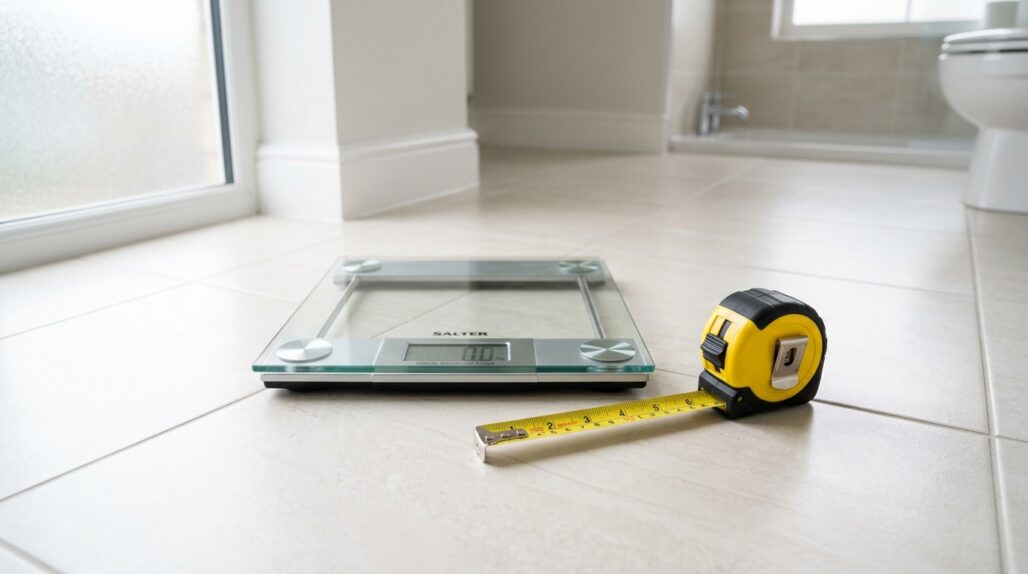
The part that deserves a real warning is the drug interaction. Because berberine lowers blood sugar, taking it on top of diabetes medication can stack the effect. As UCLA Health notes, berberine can make a diabetes drug more potent. Because both lower blood sugar, combining them can in principle push blood sugar too low (hypoglycemia), so this combination should be supervised by your prescriber.
So, plainly:
- If you take insulin, metformin, or any glucose-lowering drug, talk to your prescriber before adding berberine. This is a real interaction, not a formality.
- Do not stop a prescribed diabetes or weight-loss medication to switch to berberine. That is a clinician's call, not a TikTok's.
- Pregnant or breastfeeding people, and infants, should avoid it. NCCIH flags a specific concern about bilirubin buildup in infants.
None of that makes berberine a "scam." It makes it a substance with real pharmacology, which is exactly why you treat it with some respect.
Cost, value, and how to spot an underdosed product
Berberine is cheap, which is half its appeal. The catch is that the supplement aisle is unregulated, so dose and purity vary, and a bottle that looks like a deal can be underdosed or padded with filler.
A few quick filters when you shop:
- Real dose on the label: you want roughly 500 mg per capsule so you can reach 1,000 to 1,500 mg a day without swallowing a handful of pills.
- Third-party testing: a USP, NSF, or independent-lab seal beats marketing copy.
- No mystery "proprietary blend": if the berberine amount is hidden inside a blend, you cannot know your dose. Walk away.
- Skip the "GLP-1 patch" gimmicks: transdermal berberine patches sold as Ozempic dupes have no real evidence behind that claim.
If your actual goal is weight loss rather than blood sugar, be honest with yourself: berberine is a minor lever. The bigger levers live in our roundup of the supplements with the best weight-loss evidence, and most of the real work is still diet, protein, and movement.
If you still want to try berberine
If you have read all of that and a tested berberine still makes sense for you, fine. Get a good one rather than a random yellow bottle, and set expectations at "modest metabolic support," not "Ozempic in a capsule."
The picks below are chosen for verified dose and third-party testing, including a better-absorbed dihydroberberine option for sensitive stomachs. For the full shortlist with our scoring, see our best berberine supplements roundup. And if you are taking it because you are already on a GLP-1 and want safe support, read our notes on which supplements pair sensibly with Ozempic first.


As an Amazon Associate, UsefulVitamins.com earns from qualifying purchases at no extra cost to you.
Some links here are affiliate links. If you buy through them we may earn a commission at no extra cost to you. It does not change our verdict or which products we recommend.
FAQ
Does berberine work like Ozempic? No. They target different systems. Ozempic is a GLP-1 receptor agonist that strongly suppresses appetite, while berberine mainly activates AMPK and improves insulin sensitivity. The weight effect is far smaller.
How much weight can you actually lose on berberine? In trials, the average was modest, roughly 1 to 2 kg, usually at doses above 1 gram a day for 8 or more weeks, and several studies found little or no change. Treat it as a nudge, not a solution.
Is berberine safe to take? For most healthy adults it is reasonably well tolerated, with gut upset being the main complaint. The important exception is anyone on diabetes medication, because berberine can increase the glucose-lowering effect. Pregnant or breastfeeding people should avoid it.
Can I stop my diabetes or weight-loss medication and use berberine instead? No, and please do not try. Berberine is not an approved replacement for any prescription. Any change to a prescribed medication is a decision for your clinician. If you are already on semaglutide and just want safe add-ons, see our guide to the best supplements for Ozempic and semaglutide users.
Is dihydroberberine better than regular berberine? It is absorbed much more efficiently, so a smaller dose can reach similar blood levels with less stomach upset. Whether that translates into better real-world results has not been proven head-to-head, but it is a fair option if standard berberine upsets your gut.
Why is berberine called “natural metformin”? Because both lean on AMPK activation and both lower blood sugar. It is a closer comparison than the Ozempic one, though berberine is still a less-studied, unregulated supplement, not a substitute for the drug.
The bottom line
Berberine is one of the more legitimately studied supplements out there for blood sugar and lipids, with a smaller, shakier signal for weight. That is genuinely useful for the right person, especially someone with insulin resistance who treats it as an adjunct.
But "nature's Ozempic" is marketing, not science. The mechanism is different and the weight effect is a fraction of what GLP-1 drugs deliver. If you want it for metabolic support, buy a tested one at a real dose and keep your expectations grounded. If you want it because you saw a yellow capsule promising to replace a drug, the honest answer is that it will not.
This article is for general information and is not medical advice. Talk to a qualified clinician before starting berberine, especially if you take any medication or manage a health condition.
Reviewed by the UsefulVitamins Editorial Team.
