
Affiliate disclosure: this article contains affiliate links. As an Amazon Associate, UsefulVitamins.com earns from qualifying purchases at no extra cost to you.
Before you buy
The real choice here is not which brand is "better." Both Nordic Naturals and Carlson are among the most credible names in fish oil, both use the natural triglyceride form, and both submit products to third-party testing. You are not choosing between a good oil and a bad one.
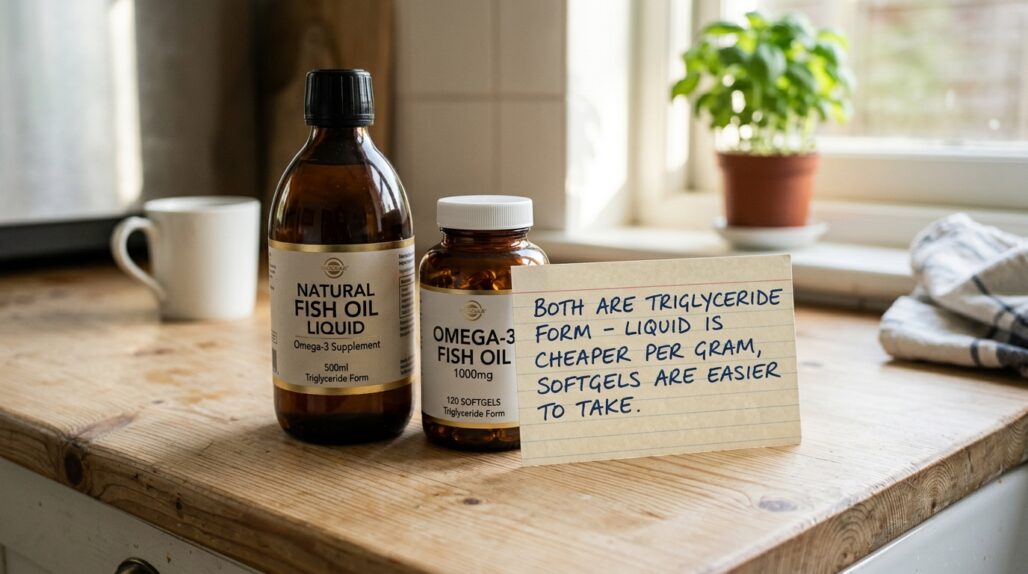
You are choosing a format and a price structure. Nordic Naturals Ultimate Omega is a concentrated softgel. Carlson's The Very Finest Fish Oil is a flavored liquid you measure by the teaspoon.
That single difference drives everything else – dose size, taste, cost per gram, and whether the bottle actually gets used. The wrong format is the one you stop taking.
So before you read another spec, answer one question honestly: will you take oil off a spoon every morning, or do you need a pill you can swallow on the way out the door? Your answer probably decides this before the numbers do.
What each one actually is
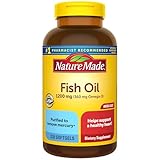
Nordic Naturals Ultimate Omega is a high-potency softgel. The standard serving is two softgels delivering 1,280 mg of total omega-3s, with roughly 650 mg EPA and 450 mg DHA per dose, sourced from wild-caught sardines and anchovies. The oil is in re-esterified triglyceride and triglyceride form, and the lemon flavoring is added to cut fishy repeat (per the Nordic Naturals product page).
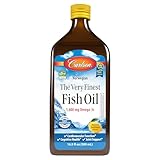
Carlson The Very Finest Fish Oil is a flavored liquid from Norwegian wild-caught fish. One teaspoon (5 mL) delivers a much larger 1,600 mg of total omega-3s – about 800 mg EPA, 500 mg DHA, and 90 mg DPA, in natural triglyceride form, with added vitamin E and a nitrogen flush to slow oxidation.
The headline gap is dose density. A single teaspoon of Carlson out-doses two Nordic softgels. To match Carlson's per-teaspoon load with Nordic, you would take three softgels, not two.
That matters for anyone targeting the higher EPA+DHA intakes used in heart and triglyceride research, where the NIH Office of Dietary Supplements notes typical study doses well above what a basic supplement provides.

Softgels vs liquid: dosing, taste, convenience
This is where the two products separate in daily life.
Convenience favors Nordic. Softgels travel, need no refrigeration, and ask nothing of you beyond swallowing two pills with food. There is no measuring and no aftertaste if the softgel goes down cleanly. For most people who "just want to take their fish oil," the softgel wins on friction alone.
Dose flexibility favors Carlson. A liquid lets you take a full gram-plus in one teaspoon, or scale up to two teaspoons for a high-dose protocol without swallowing six pills. If your target is 2 to 3 grams of EPA+DHA a day, the liquid is far less of a chore.
Taste is the honest tradeoff with liquid. Carlson's lemon version is one of the better-tasting fish oils on the market, but it is still oil off a spoon, and some people never make peace with that. The softgel sidesteps the experience entirely.
One practical catch: Carlson liquid must be refrigerated after opening and used within a few months. A bottle that lives in the back of the fridge and gets forgotten is wasted money. Nordic softgels have no such window in normal use.
EPA/DHA per serving compared
Here is the side-by-side on dose and form.
| Dimension | Nordic Naturals Ultimate Omega | Carlson The Very Finest Fish Oil |
|---|---|---|
| Format | Softgels | Liquid, lemon flavor |
| Serving size | 2 softgels | 1 teaspoon (5 mL) |
| Total omega-3 per serving | 1,280 mg | 1,600 mg |
| EPA per serving | ~650 mg | ~800 mg |
| DHA per serving | ~450 mg | ~500 mg |
| Form | Triglyceride / rTG | Natural triglyceride |
| Source fish | Sardines, anchovies | Norwegian wild-caught |
| Refrigeration after opening | No | Yes |
Read the table and the pattern is clear. Carlson gives you more omega-3 per serving; Nordic gives you a smaller, no-fuss dose. If you want a modest daily top-up, Nordic's 1,280 mg is plenty. If you want a serious EPA+DHA load, Carlson gets you there faster.
Triglyceride form and why it matters
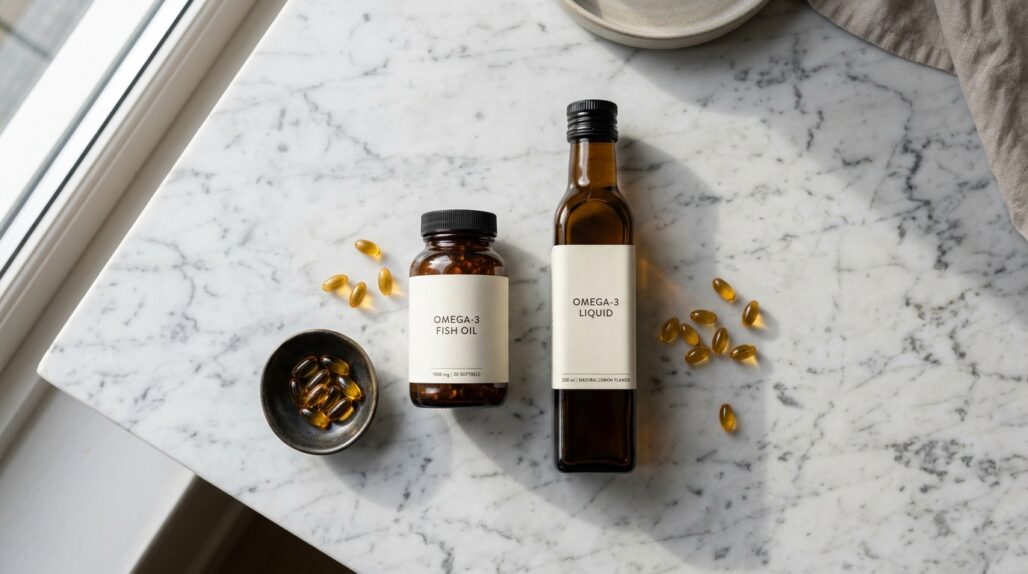
Both products use the triglyceride (TG) form, and that is the right thing to want. It is the form omega-3s naturally take in fish.
The contrast people care about is TG versus ethyl ester (EE), the cheaper concentrate form used in many discount fish oils. Studies summarized by the NIH Office of Dietary Supplements suggest triglyceride-form omega-3s tend to absorb somewhat better than ethyl esters, especially when taken without a fatty meal.
Nordic uses re-esterified triglyceride, which is concentrated and then converted back to the TG form. Carlson's liquid stays closer to a natural, less-concentrated TG oil. For absorption purposes, both behave like the form your body handles best.
The takeaway: the TG-vs-EE question is already settled in both products' favor. It is a reason to pick either of these over a bargain ethyl-ester oil, not a reason to pick one over the other. If you want the deeper breakdown, see our explainer on TG vs EE vs krill omega-3 bioavailability.
Freshness, testing, and oxidation
Fish oil's real enemy is rancidity. An oxidized oil is not just unpleasant, it may work against you, so freshness and third-party testing matter as much as the dose.
Carlson states its liquid oils are bottled with antioxidants and given a nitrogen flush to remove air and slow oxidation, and the brand reports five-star ratings on more than 30 of its omega-3s from the International Fish Oil Standards program. IFOS is the main independent program built specifically for fish oil, testing purity, potency, and oxidation.
Nordic Naturals publishes batch-level certificates of analysis and tests for oxidation, heavy metals, and contaminants, adding natural vitamin E to protect the oil. The brand is third-party tested, though it leans on its own published reports as much as on a single external certifier.
Here is the honest nuance: a sealed softgel resists oxidation longer than an opened liquid bottle. The liquid's nitrogen flush and refrigeration window exist precisely because exposed oil ages faster. Nordic has the structural freshness advantage once the bottle is in use; Carlson counters with packaging and a hard use-by window.
Neither brand is the place to worry about quality. Both clear the bar that the broader supplement category, loosely overseen by the FDA's dietary supplement framework, does not enforce on its own.

Cost per gram of EPA+DHA
This is the verdict driver. Forget sticker price – compare the cost of one gram of actual EPA+DHA, because that is what you are buying.
A 16.9 fl oz bottle of Carlson liquid holds about 100 teaspoon servings and commonly sells for somewhere around $45 to $55 (as of writing – check current price). At roughly 1.3 g of EPA+DHA per teaspoon, that works out to well under $0.50 per gram, which is excellent for a TG-form, IFOS-tested oil.
Nordic Naturals Ultimate Omega in the 90-softgel size (45 servings) tends to run around $35 to $45 (as of writing – check current price). At about 1.1 g of EPA+DHA per serving, that lands closer to $0.70 to $0.90 per gram.
| Product | Typical price | Servings | EPA+DHA per serving | Approx. cost per gram EPA+DHA |
|---|---|---|---|---|
| Carlson liquid, 16.9 oz | ~$45 to $55 | ~100 tsp | ~1.3 g | Roughly $0.35 to $0.45 |
| Nordic Ultimate Omega, 90 ct | ~$35 to $45 | 45 | ~1.1 g | Roughly $0.70 to $0.90 |
The math is not close. Carlson liquid is roughly half the cost per gram of omega-3. Prices move, so verify current pricing, but the structural gap – liquid is cheaper to produce and concentrate less – holds across retailers.
Where to start
If price per gram is your deciding factor, the liquid is the value pick. If a no-taste, no-refrigeration pill is what gets you consistent, the softgel earns its premium.

As an Amazon Associate, UsefulVitamins.com earns from qualifying purchases at no extra cost to you.
UsefulVitamins may earn a commission from qualifying purchases made through links on this page, at no extra cost to you. This never affects our verdicts.
For more on whether the softgel premium is justified on its own terms, see our deeper look at whether Nordic Naturals Ultimate Omega is worth it, and how it stacks up against a popular value rival in Nordic Naturals vs Sports Research omega-3.
FAQ
Which has more EPA and DHA per dose, Nordic or Carlson? Carlson. One teaspoon of Carlson liquid delivers about 1,600 mg total omega-3s (~800 mg EPA, ~500 mg DHA), while two Nordic Ultimate Omega softgels deliver 1,280 mg (~650 mg EPA, ~450 mg DHA).
Are both fish oils in the triglyceride form? Yes. Nordic uses re-esterified triglyceride and triglyceride form, and Carlson uses natural triglyceride form. Both are the better-absorbed type compared with cheaper ethyl ester oils.
Does the Carlson liquid taste fishy? The lemon version is one of the milder-tasting fish oils, but it is still oil from a spoon. If even a hint of fish off a teaspoon bothers you, the Nordic softgel avoids the taste entirely.
Do I have to refrigerate Carlson fish oil? Yes, after opening. Carlson recommends refrigeration and using the bottle within a few months. Nordic softgels do not need refrigeration in normal use, which is a real advantage for the forgetful.
Is Carlson IFOS certified and is Nordic tested too? Carlson reports five-star IFOS ratings on more than 30 of its omega-3s. Nordic Naturals publishes batch certificates of analysis and third-party testing, though it relies on its own reports as much as a single external certifier. Always check the current batch’s documentation.
Can I take fish oil with my medications? Fish oil can interact with blood thinners and some other drugs at higher doses. Check our drug and supplement interactions guide and talk to your pharmacist before starting a high-dose regimen.
The verdict
Neither of these is a bad buy, and that is the point. This is a format-and-value decision, not a quality contest.
If you want the most EPA+DHA per dollar and you will reliably take oil from a teaspoon, buy the Carlson liquid – it is roughly half the cost per gram and lets you dose high without swallowing a handful of pills. Just commit to refrigerating it and finishing the bottle.
If you want grab-and-go convenience, no taste, and no fridge window, the Nordic Naturals softgels are worth the premium – the format is the feature, and a supplement you actually take beats a cheaper one that sits unused.
Your next step is simple: decide whether a spoon or a pill fits your morning, confirm the current per-gram price on the size you want, and start. If you are weighing other contenders, our omega-3 form bioavailability breakdown will help you avoid the cheap ethyl-ester oils that undercut both of these on quality.
This article is for general information and is not medical advice. Supplement needs and drug interactions vary by individual; consult a qualified healthcare provider before starting or changing a regimen.
Reviewed by the UsefulVitamins Editorial Team.
