
If you are considering magnesium for anxiety, the evidence suggests it may help reduce subjective anxiety in some people – especially those under high stress, with low magnesium status, or with hormone-related vulnerability like PMS. The catch is that results are modest, studies often use combination formulas, and placebo effects are common. This article breaks down what the research actually shows, which magnesium types and doses are most studied, how long it may take to notice a difference, and how to use magnesium safely alongside proven anxiety supports.
Summary / Quick Answer
Magnesium for anxiety may help most when anxiety is mild, stress-related, or paired with low magnesium intake. Research overall is mixed but leans positive in specific groups.
What to do (practical, evidence-aligned starting point):
- Dose: Start with 200-300 mg elemental magnesium/day, split into 1-2 doses with food.
- Timeline: Give it 4-8 weeks before judging results.
- Who may benefit most: People with high stress, poor sleep, PMS-related symptoms, or likely low magnesium intake.
- What to watch: Loose stools are the most common side effect; reduce dose or switch form.
- When to avoid or get medical advice first: Kidney disease, significant heart rhythm issues, or if you take medications that interact.
Quick check-in question: are you trying to take magnesium as a standalone tool, or as part of a broader plan (sleep, therapy, lifestyle, other supplements)? That changes what “best” looks like.
Magnesium for Anxiety: What the Research Actually Shows (and What It Doesn’t)
It is tempting to treat magnesium like a universal “calm mineral.” The science is more specific than that.
A widely cited systematic review of 18 studies found modest support for magnesium reducing subjective anxiety – but not consistently across all groups. Benefits showed up more often in “vulnerable” populations like mildly anxious participants, people with PMS, and those with certain health conditions, and many trials used magnesium alongside other ingredients rather than alone. You can read the details in the systematic review published in Nutrients.
More recent randomized controlled trials add helpful context. In a double-blind trial involving 264 people with mild to moderate generalized anxiety symptoms, a formula containing magnesium oxide (150 mg elemental/day) plus plant extracts reduced anxiety scores more than placebo over 90 days, with a higher response rate as well. That study is summarized in a 2024 review available on PubMed Central. The important nuance: magnesium was part of a combination product, so you cannot attribute the entire effect to magnesium alone.
Another trial in stressed adults compared magnesium with and without vitamin B6. Anxiety scores improved from baseline in both groups, and the B6 combination showed advantages for some outcomes. See the full paper in Stress and Health (Wiley).
What you can reasonably conclude
Magnesium is not a replacement for first-line anxiety care, but research suggests it may help when:
- Anxiety is mild or stress-linked
- Sleep is poor and the nervous system feels “wired”
- Diet is low in magnesium-rich foods
- Symptoms cluster around PMS or other hormone shifts
What you should not conclude
Magnesium does not reliably:
- “Cure” anxiety disorders
- Work for everyone regardless of baseline status
- Replace therapy, sleep interventions, or medication when those are indicated
Visual snapshot: how strong is the evidence?
| Scenario | Evidence signal | What it means for you |
|---|---|---|
| Mild, everyday anxiety + high stress | Moderate-leaning positive | Worth a structured 6-8 week trial |
| PMS-related anxiety/irritability | Often positive in studies | Consider magnesium, and track cycle timing |
| Diagnosed severe GAD/panic | Limited and inconsistent | Use only as an add-on with clinician guidance |
| Normal magnesium intake, no clear deficiency | Unclear | Effects may be small or not noticeable |
If you want a broader supplement framework beyond magnesium, UsefulVitamins’ guide to Best Supplements for Stress Relief & Anxiety can help you compare options without stacking randomly.
How Magnesium May Support Calm: Mechanisms That Make Sense
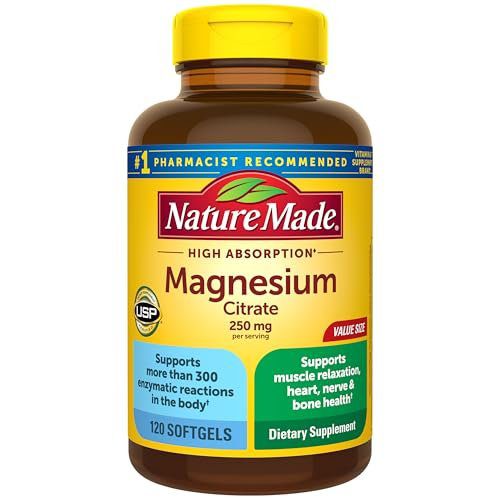
Nature Made Magnesium Citrate 250 mg per serving, Magnesium Supplements for Men and Women, Support for Muscle, Nerve, Bone and Heart, 120 Softgels, 60 Day Supply
Nature Made Magnesium Citrate delivers 250 mg per serving (2 softgels) in a high absorption citrate form that beats magnesium oxide, with 120 softgels for a 60-day supply. It supports muscle relaxation, nerve, bone, and heart health. No specific anxiety claims or Amazon data available.
If magnesium helps, it is not because it “sedates” you. Think of it more like a stabilizer that supports how your brain and stress system respond to pressure.
Researchers focus on a few main pathways:
1) Stress response and cortisol regulation
Chronic stress can increase magnesium loss and raise stress hormones. Magnesium appears to interact with the HPA axis (your stress-response system), which may matter most for people who feel stuck in a constant “on” state. Cleveland Clinic’s overview of magnesium and anxiety summarizes these mechanisms in plain language, including the stress connection in Cleveland Clinic’s magnesium for anxiety article.
2) Balancing excitatory and calming signals in the brain
Magnesium is involved in:
- Glutamate signaling (excitatory)
- GABA activity (calming)
When the balance tilts too far toward excitation, people often describe racing thoughts, muscle tension, and poor sleep. Magnesium’s role here is one reason it is frequently discussed alongside sleep support. If sleep is a big part of your anxiety picture, the article on Magnesium Supplement For Sleep is a useful next read.
3) The “low magnesium” factor
A repeated theme in clinical studies is that magnesium tends to look more helpful when baseline status is low or when people are under sustained stress. That does not mean a standard blood test always captures it perfectly, but it supports a practical idea: magnesium is more likely to help when there is a gap to fill.
Visual: symptom patterns that often overlap with low magnesium intake
- Muscle tightness or frequent cramps
- Poor sleep quality
- High stress load with fatigue
- Diet low in legumes, nuts, seeds, leafy greens, and whole grains
- Higher alcohol intake or heavy sweating (both can increase losses)
None of these prove deficiency, but they can help you decide whether a trial is rational.
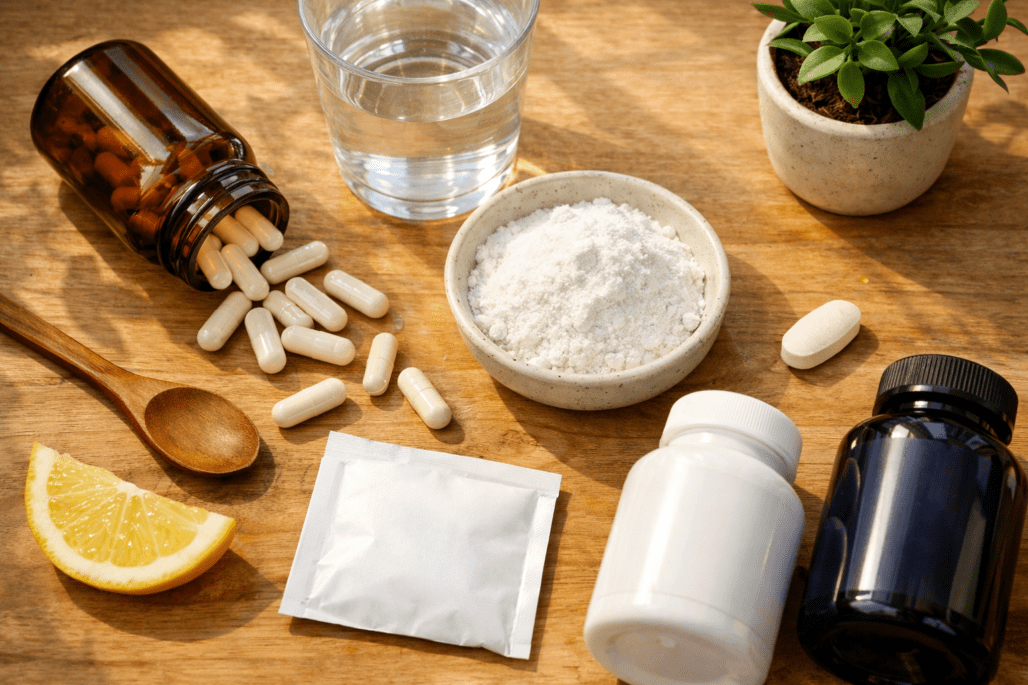
For a deeper breakdown of forms, dosing ranges, and general benefits, see Magnesium Benefits Types Dosage.
Choosing the Best Magnesium Type and Dose for Anxiety (Without Guesswork)
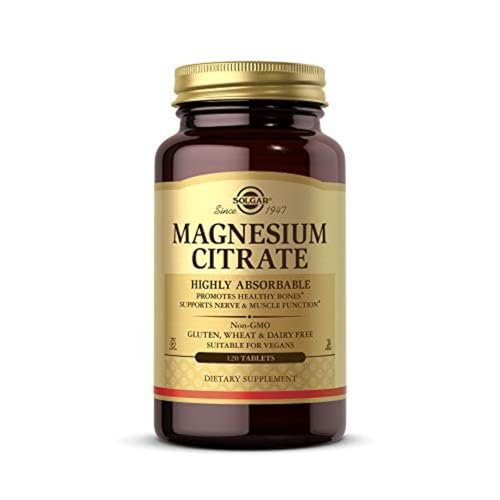
Solgar Magnesium Citrate, 120 Tablets – Promotes Healthy Bones – Supports Nerve & Muscle Function – Non GMO, Vegan, Gluten Free, Dairy Free, Kosher – 60 Servings, Standard Packaging
Solgar Magnesium Citrate comes in 120 tablets for 60 servings and supports nerve and muscle function along with healthy bones. The citrate form is listed by the brand as helping with occasional anxiety stress. It’s Non GMO, vegan, gluten free, dairy free, and kosher.
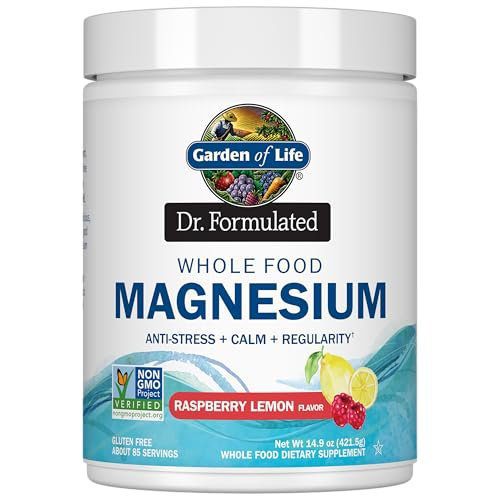
Garden of Life Dr. Formulated Whole Food Magnesium Powder with Probiotics – Stress & Sleep Support, Non-GMO, Gluten-Free, Vegan, Raspberry Lemon Flavor, 85 Servings
Garden of Life Dr. Formulated Whole Food Magnesium Powder mixes 350mg whole food magnesium with 1 billion CFU probiotics in a raspberry lemon flavor, delivering 85 servings. It uses organic brown rice protein magnesium chelate for better absorption than typical magnesium salts and supports stress response, relaxation, sleep, and digestion. This combo may aid those with anxiety through magnesium’s calming effects and probiotics’ gut support.
Most people get stuck here: glycinate vs citrate vs oxide vs threonate. The reality is that “best” depends on two things:
- what the research used in anxiety trials
- what your body tolerates
What studies commonly use
In anxiety-focused research, magnesium oxide appears often, sometimes in the 200-300 mg elemental/day range, and frequently in combination formulas. That matters because oxide is not always the form people expect to be “best,” yet it still shows up in trials. The 2024 PubMed Central review discusses this pattern and why comparisons are hard due to mixed formulations.
Also, some analyses suggest that higher elemental doses (roughly 248-500 mg/day) are more likely to show symptom improvement than very low doses. A 2023 synthesis in Frontiers in Psychiatry supports the idea that magnesium can reduce symptom scores in mood-related outcomes, though anxiety-specific results vary.
A practical dosing plan (most people can follow)
If you are trying magnesium for anxiety in a structured way, use a plan that gives you a fair test while minimizing side effects:
-
Start low for 3-4 days
- 100-150 mg elemental magnesium/day with food
-
Move to a standard trial dose
- 200-300 mg elemental/day, split AM/PM
-
Hold steady for 4-8 weeks
- Track anxiety, sleep, and muscle tension weekly
-
Adjust based on response and stools
- If diarrhea happens, reduce dose or change form
Which form should you pick?
Rather than declaring one winner, use this decision table:
| Magnesium form | Common “fit” | Main drawback |
|---|---|---|
| Oxide | Matches several study designs; inexpensive | More GI side effects in some people |
| Glycinate | Often well tolerated; popular for nighttime use | Less direct RCT evidence specifically for anxiety |
| Citrate | Useful if constipation is also an issue | Can loosen stools at moderate doses |
| Threonate | Marketed for brain support | Limited anxiety-specific clinical evidence |
What about magnesium + vitamin B6?
Several trials pair magnesium with B6, and some outcomes look better with the combination than magnesium alone. The stressed-adult trial in Stress and Health (Wiley) is a good example.
If you already take a multivitamin, check your B6 amount before adding more. More is not always better.
Visual: “best magnesium supplement” checklist
- Lists elemental magnesium clearly on the label
- Provides a realistic daily dose (often 200-300 mg elemental)
- Comes from a brand with third-party testing or strong quality controls
- Has a form you tolerate (no ongoing GI upset)
- Fits your schedule (once daily vs split dosing)
If you prefer a step-by-step supplement routine, the Anxiety Supplement Protocol can help you structure timing, tracking, and what to add (or avoid adding) next.
How to Use Magnesium Safely: Timing, Side Effects, and Who Should Skip It
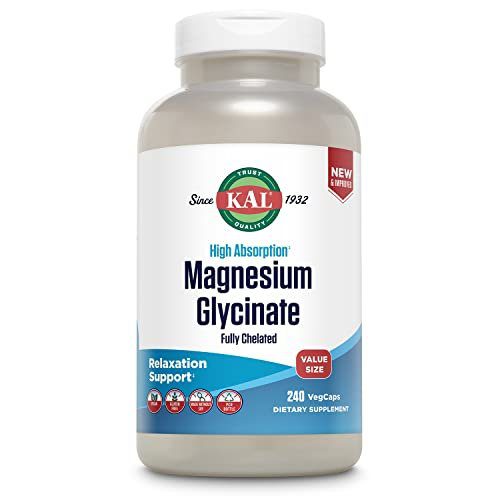
KAL Magnesium Glycinate, New & Improved Fully Chelated High Absorption Formula with BioPerine, Bisglycinate Chelate for Stress, Relaxation, Muscle & Bone Health Support, 60 Servings, 240 VegCaps
KAL Magnesium Glycinate uses a fully chelated bisglycinate form with BioPerine for high absorption, targeted at stress, relaxation, muscle, and bone health. This matches the article’s focus on magnesium types for anxiety, as glycinate is a well-absorbed option often linked to calming effects. It provides 60 servings in 240 veg caps.
Magnesium is generally well tolerated, but “safe” still depends on context.
Timing: morning vs night
There is no universal best time. Use the timing that matches your symptom pattern:
- Night: if anxiety shows up as racing thoughts, tension, or poor sleep
- Morning: if daytime stress reactivity is the main issue
- Split dose: often the best option for steadier effects and fewer GI problems
If sleep is a key driver, pair your magnesium trial with basic sleep foundations. The guide on Magnesium Supplement For Sleep can help you align timing with insomnia patterns.
Side effects to expect (and how to fix them)
The most common issue is loose stools. That is dose-dependent and form-dependent.
Try this troubleshooting ladder:
- reduce the dose by 25-50%
- take it with a full meal
- split the dose
- switch to a better-tolerated form (often glycinate)
Who should talk to a clinician first
Magnesium supplements can be risky if clearance is impaired or if interactions matter. Get medical advice before supplementing if you have:
- Kidney disease or reduced kidney function
- Significant heart rhythm problems
- Use of medications that can interact (for example, some antibiotics or thyroid medication timing issues)
For a balanced consumer-friendly overview of what magnesium can and cannot do for stress, UW Medicine also provides guidance in UW Medicine’s Right as Rain article on magnesium and stress.
Visual: quick safety checklist
- Start at 100-150 mg elemental for tolerance
- Increase only if stools stay normal
- Do not exceed high doses long-term without clinician input
- Separate magnesium from certain meds by a few hours if advised
- Stop and reassess if you feel worse, not better

If your anxiety feels persistent, impairing, or escalating, magnesium is best viewed as one support tool. It should sit alongside evidence-based care, not replace it.
Conclusion: A Smart Way to Try Magnesium (and Know If It’s Working)
Magnesium for anxiety is not magic, but it is also not hype when used appropriately. Research suggests it may help most for mild, stress-related symptoms, particularly when magnesium intake is low or when sleep and muscle tension are part of the picture.
A practical next step is a 4-8 week trial at 200-300 mg elemental/day, tracking your symptoms weekly and adjusting based on tolerance. If you notice meaningful improvements in sleep quality, physical tension, or stress reactivity, that is a useful signal. If nothing changes, it may not be the right lever for your anxiety.
For a broader plan, compare options in Best Supplements for Stress Relief & Anxiety and consider a structured routine using the Anxiety Supplement Protocol. If you are also exploring calming adaptogens, Best Mushroom For Anxiety is a helpful companion read.
As an Amazon Associate, I earn from qualifying purchases. Product recommendations are based on real reviews and independent research.
