
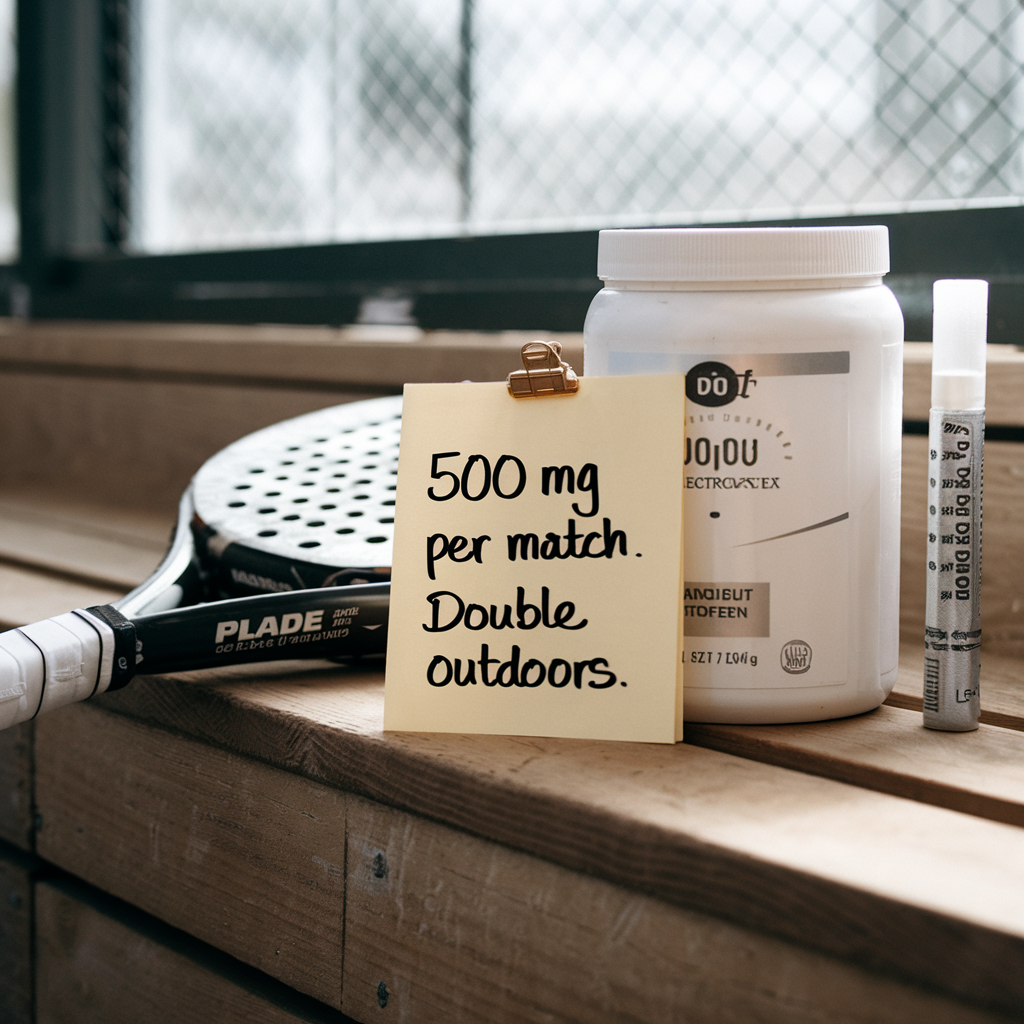
Affiliate disclosure: this article contains affiliate links. As an Amazon Associate, UsefulVitamins.com earns from qualifying purchases at no extra cost to you.
Padel is the fastest-growing racquet sport in the world, and almost nothing written about hydration for it goes beyond "drink water and maybe electrolytes." That is a gap, because the sport has an unusual profile: doubles format, rallies longer than tennis, and courts wrapped in glass that traps heat even indoors. This guide works out what a match actually costs you in sodium, when plain water is genuinely enough, and which products fit the sport, using label numbers we checked ourselves. These are the same picks we hand to the padel players in our own family, so we hold them to the standard we would want at our own club.
Before you decide
Not everyone on a padel court needs an electrolyte product. If you play one social set a week on a cool indoor court, sweat lightly, and salt your food normally, you can stop reading and keep drinking water. Your kidneys and your dinner plate handle the rest.
There are also people who should be careful with concentrated sodium, not casual about it. Anyone managing high blood pressure, heart failure, or kidney disease should talk to their doctor before adding a 500 to 1,000 mg sodium drink to their day, and the same goes for anyone on diuretics or lithium (more on interactions in the FAQ). Nothing here is medical advice; it is label reading plus sports-science sources you can check yourself.
The comparison below is for the people in the middle: club players logging two to four matches a week, league players grinding through three-setters, and anyone playing outdoor summer padel where the glass walls turn the court into a greenhouse. If you want the general theory first, our complete guide to electrolytes covers the physiology; this page applies it to one sport.
What a padel match actually takes out of you
Start with time on court. In a 2025 study that tracked 52 amateur players across 13 competitive matches, the average match ran 57.2 minutes (plus or minus about 16), with roughly 150 points played and cardiovascular load climbing set by set. Call it an hour of play for a typical match, with competitive three-setters pushing toward 90 minutes, which is exactly the zone where hydration starts to matter and where a tournament day with two matches definitely matters.
The structure of that hour is unusual. A 2025 comparison of padel and tennis doubles in national-level players found padel produced more rallies, more volleys, and longer periods of active play, while tennis demanded more sprinting with longer rests between points. Average heart rate came out comparable between the two sports, so padel is not the gentler cousin it looks like from the sideline; the work just arrives in denser, shorter bursts. At the professional level, rally analysis from the World Padel Tour put typical rallies at 8 to 10 seconds, with winning pairs sustaining the longest exchanges.
Now the sweat side. A major review of sweat testing in 461 athletes found sweat rates during training and competition typically run 0.5 to 2.0 liters per hour, with whole-body sweat sodium roughly 10 to 70 mmol/L, which works out to about 230 to 1,600 mg of sodium per liter. A middle-of-the-road padel player losing around a liter over a 75-minute match gives up somewhere near 500 to 1,000 mg of sodium, and a salty sweater on a hot court can lose double that. Those are wide ranges because people vary enormously; our electrolyte replacement calculator lets you plug in your own body weight, duration, and conditions instead of guessing.
One padel-specific wrinkle deserves its own paragraph: the glass box. Indoor courts are enclosed on all four sides, airflow at court level is poor, and club halls in summer are rarely air conditioned to gym standards. An "indoor" padel match in July can be hotter than an outdoor tennis match at the same hour, so do not assume the roof saves you. Outdoor courts in southern Europe in summer are the top of the sweat range, full stop.
When water alone is enough
The honest gate first: most casual padel does not require a product. The ACSM position stand on fluid replacement frames the goal simply: keep dehydration under about 2% of body mass and avoid large electrolyte disturbances, and it explicitly recommends individualized plans because sweat varies so much between people. For a 45 to 60 minute indoor set with light sweating, water plus your next salted meal achieves that goal on its own.
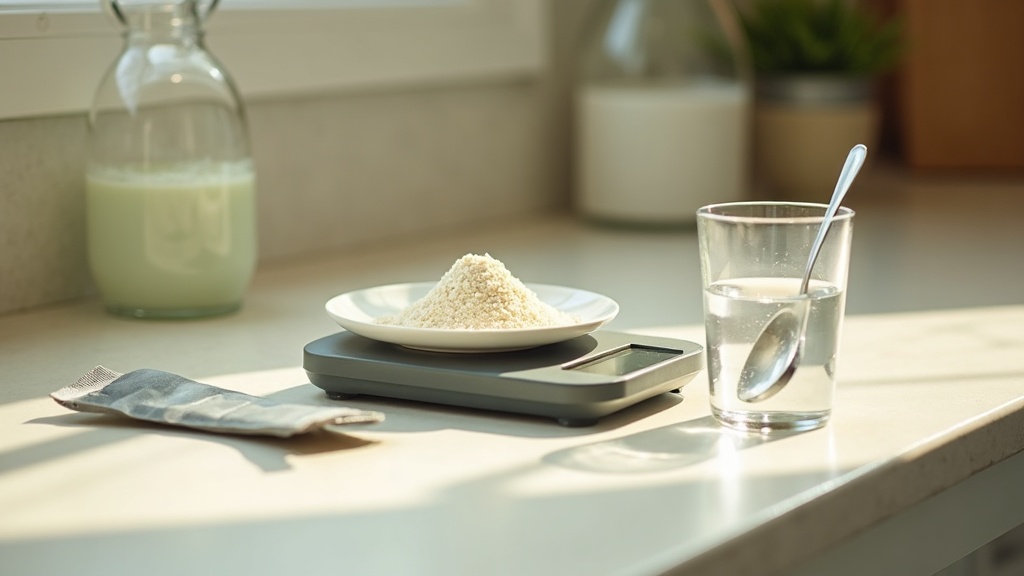
A kitchen scale settles the question better than any article. Weigh yourself before and after a typical match, in dry clothes, without drinking in between. Each kilogram lost is roughly a liter of sweat. Under half a liter per match, stay with water; approaching a liter or more, a moderate sodium serving starts earning its place.
The reverse mistake matters too. Drinking large volumes of plain water across a long tournament day, while sweating heavily, dilutes blood sodium, and that is the scenario where electrolytes stop being a performance nicety. If you are the player who refills a big bottle twice per match, put some sodium in one of those refills.
How to choose electrolytes for padel
Sodium per serving is the number that separates products, and it spans a full order of magnitude, from about 300 mg in a Nuun tablet to 1,000 mg in an LMNT stick. Match it to your measured or estimated loss: around 500 mg for a typical indoor hour, closer to 1,000 mg for hot outdoor matches or back-to-back tournament play. That logic is the same one we use in our broader electrolytes for athletes roundup; padel just sits in the moderate-duration, high-density middle of the spectrum.
Potassium is the secondary number. You lose far less of it in sweat than sodium, and normal diets replace it easily, so treat the 150 to 400 mg in these products as a bonus, not a requirement. Magnesium in these products is small (25 to 60 mg) and mostly marketing.
Sugar is a genuine fork in the road. For a single one-hour match, you do not need carbohydrate in your bottle; zero-sugar and 1 g options keep the calories out. For tournament days with two or three matches, a 19 g carb mix like Skratch stops being a drawback and becomes fuel.
Format matters more in padel than in gym sports because you live out of a racket bag. Tablets survive heat, do not burst, and pass through airport security without questions (we tested that logic in our guide to flying with electrolytes). The tradeoff is dose: many tablets carry roughly a third of the sodium of the strongest powders, a gap we measured in detail in our tablets versus powder analysis. Nothing stops you from dropping two tablets in one bottle.
Skip caffeine in a match drink. Padel is a precision sport played at the net; jittery hands in the third set help nobody, and if you want caffeine, coffee before the match is easier to dose.
The numbers side by side
Every figure below comes from the brand's current label or product page as of August 2026. Where a brand does not publish a number, we say so rather than guess.
| Product | Sodium per serving | Potassium | Sugar / carbs | Format | Price per serving |
|---|---|---|---|---|---|
| LMNT | 1,000 mg | 200 mg | 0 g | Powder stick | about $1.50 |
| Precision Fuel & Hydration PH 1000 | 500 mg (per 500 ml) | 125 mg per 500 ml (published as 250 mg/L) | 2.2 g carbs (tablet); 16 g sugar (packet) | Tablet or powder | about 1.00 EUR (tablet) / 1.60 EUR (packet) |
| Liquid I.V. Hydration Multiplier | 500 mg | 370 mg | 11 g sugar | Powder stick | about $1.50 |
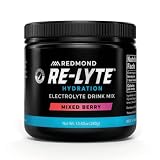
| Skratch Labs Sport Hydration | 400 mg | not clearly published (low) | 19 g carbs | Powder | about $1.20 |
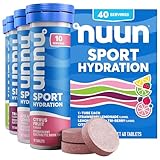
| Nuun Sport | 300 mg | 150 mg | 1 g sugar | Tablet | about $0.75 |
Top picks for padel players
Precision Fuel & Hydration PH 1000 is the best overall fit for the sport. Its 500 mg of sodium per 500 ml bottle lands exactly on the typical loss for an hour of indoor padel, the tablet format survives a summer racket bag, and it is one of the easiest strong-sodium products to buy in Europe, where most of the world's padel courts are. At about 1.00 EUR per tablet (9.99 EUR for a tube of ten; the sugared drink-mix packets run about 1.60 EUR per serving) it is not cheap, but you are paying for a dose that actually matches the job.
LMNT is the pick for heavy sweaters and outdoor summer leagues. One stick delivers 1,000 mg of sodium with zero sugar, which is the "double it" scenario from our verdict in a single serving: July matches on open-air courts, players who finish with salt crust on their cap, and anyone with a history of cramping late in matches. It is salty enough that light sweaters will find it unpleasant, which is a feature, not a bug; it self-selects for the people who need it. We ran the full cost and evidence math in our LMNT review.
Nuun Sport is the value pick for weeknight club players. At $7.49 for a tube of ten, a 300 mg sodium tablet covers a light-sweat indoor hour for about the price of the post-match espresso. If a weigh-in shows you lose more than expected, two tablets in a 750 ml bottle gets you to 600 mg without buying anything new.
Liquid I.V. suits players who under-drink. The 500 mg of sodium is right for padel, and the 11 g of sugar plus flavor makes people actually finish their bottle, which for some players is the entire battle. If you already drink plenty and do not want match-time calories, pick the PH 1000 tablets instead.
Skratch Labs Sport Hydration is the tournament-day option. Its current label carries 400 mg of sodium alongside 19 g of carbohydrate per serving, which is unnecessary for one match and exactly right for the second and third match of a Saturday knockout, when glycogen, and not just sodium, is what is running out.
What to look for when buying
Read the sodium line on the actual label, not the front of the pack. "Electrolyte" on the front can legally sit above anything from 100 mg to 1,000 mg of sodium, and the marketing does not scale with the dose. Check what one serving means too; some brands quietly define a serving as two scoops.
Prefer products that publish a full mineral panel. A brand that prints sodium, potassium, and magnesium per serving is making a checkable claim; a "proprietary hydration blend" is not. Third-party certification (NSF Certified for Sport or Informed Sport) is worth having if you play sanctioned competition, though among our five picks it is the exception, so verify current status on the certifier's own database before relying on it.
Finally, buy the format that matches how you play. Club-bag players and traveling tournament players do better with tablets; home-base players who mix a bottle before leaving can use powders and get more sodium per unit price. If your padel calendar includes flights, sealed tablets and dry sticks clear security without any of the liquid questions, as covered in our travel-format guide linked above.

As an Amazon Associate, UsefulVitamins.com earns from qualifying purchases at no extra cost to you. We only recommend products supported by published research or third-party testing.
Averages only get you so far. Weigh in before and after one session and run your own numbers through our sweat rate calculator.
FAQ
Do padel players actually need electrolyte supplements?
Many do not. A single indoor hour with light sweating is replaceable with water and a normal salted meal. The case for a product starts when weigh-ins show around a liter of sweat per match, when you play outdoors in summer heat, or when you stack multiple matches in a day. The sport's stop-start density means losses accumulate faster than the relaxed pace between points suggests.
When should I take electrolytes: before, during, or after a match?
During is the default: 500 ml of mixed drink sipped across an hour of play keeps intake matched to loss. For hot outdoor matches, starting the bottle 30 to 45 minutes before first serve helps you begin topped up. After a heavy-sweat match, a salted meal usually completes recovery without a second serving, unless you play again the same day.
Can electrolytes stop me cramping in the third set?
Sometimes, and the evidence is strongest for the heat scenario. Work on heat cramps in tennis players links them to large sweat sodium deficits and finds that adequate salt and fluid intake can prevent them. Cramping also has non-sodium causes (fatigue, training load, individual susceptibility), so treat sodium as the cheapest first fix to try, not a guarantee.
Do electrolyte drinks interact with medications?
They can. Concentrated sodium works against blood-pressure treatment, potassium-containing mixes deserve caution alongside ACE inhibitors, ARBs, or potassium-sparing diuretics, and anyone on lithium should know that sodium swings change lithium levels. Bring the label to your pharmacist before making any of these products routine, and see the interactions section of our complete electrolyte guide for the full list.
Is a regular isotonic sports drink enough for padel?
Usually not for sodium. Mainstream isotonics carry roughly 200 to 300 mg of sodium per 500 ml plus substantial sugar, so you get the calories of Skratch with the sodium of a Nuun tablet. For one casual match that is fine; for hot courts or salty sweaters, the dedicated products in our table replace what is actually being lost. Tennis players face the same math over longer matches, which is why our tennis electrolyte guide leans toward higher doses than this one.
The bottom line
Padel takes about an hour of dense, repeated effort inside a glass box that holds heat, and the sweat math says a typical player loses 500 to 1,000 mg of sodium per match. One 500 mg serving, PH 1000 or Liquid I.V. for most players, Nuun for light sweaters, covers the standard indoor session; move to LMNT's 1,000 mg when the court is outdoors in summer or the day holds more than one match. Weigh yourself before and after your next match, run the numbers through the calculator, and buy the product that matches your actual losses, not the loudest label.
