
Affiliate disclosure: this article contains affiliate links. As an Amazon Associate, UsefulVitamins.com earns from qualifying purchases at no extra cost to you.
A ten-hour day under a 30-pound pack is a different physiological problem than a one-hour gym session, and the sports-drink aisle was not designed for it. Hikers sweat for longer, carry every gram they drink, and often pull their water out of a stream through a filter or a chlorine tablet. This guide works through what a long trail day actually costs you in sodium, when plain water is genuinely fine, and which format (stick pack, tablet, or capsule) earns its place in your pack. These are the same picks we pack for our own family trips, right down to the capsules that live in the first-aid kit.
Before you decide
Most casual hikers do not need an electrolyte product. If your typical outing is a two-hour loop in spring weather and you eat breakfast before and dinner after, your meals already replace the sodium you lose, and buying a supplement adds nothing except cost.
Talk to your doctor before adding high-sodium supplements if you have high blood pressure, kidney disease, heart failure, or take diuretics or other blood pressure medication. A single LMNT packet carries 1,000 mg of sodium, which is nearly half the 2,300 mg general daily guideline, and about two-thirds of the stricter 1,500 mg level often advised for people on sodium-restricted diets. This article is general information, not medical advice, and it cannot account for your prescriptions or lab results.
The comparison below is for people doing real volume: full-day hikes in heat, desert trips, high routes that combine altitude with sun, and multi-day backpacking where you sweat for six or more hours at a stretch. If that sounds like your season, the details start mattering. Our complete guide to electrolytes covers the underlying physiology in more depth if you want the foundations first.
What a long trail day actually takes out of you
Sweat research gives us usable numbers. A large review of sweat testing in about 500 athletes, published in Sports Medicine in 2017, found sweating rates typically between 0.5 and 2.0 liters per hour, with whole-body sweat sodium concentration spanning roughly 10 to 70 mmol/L. Convert that to weight and a liter of sweat carries anywhere from about 230 to 1,600 mg of sodium, with the middle of the range near 800 mg per liter.
Hiking sits at the low end of the sweat-rate spectrum because the intensity is modest. Call it 0.5 to 1 liter per hour for a loaded hiker moving at walking pace in warm weather. At a mid-range sweat sodium concentration, that works out to roughly 400 to 800 mg of sodium lost each hour. Replacing 300 to 600 mg per hour through drinks or capsules, with food covering the rest, keeps most people ahead of the deficit on a hot day. Your personal number depends on your sweat rate and saltiness; our electrolyte replacement calculator turns your bodyweight change and hiking time into an hourly estimate.
The duration is what separates hiking from most sports. A trail runner finishes in two hours. A backpacker sweats at a moderate rate for eight, then does it again tomorrow. Small hourly losses compound across a day, and the classic failure mode is not dehydration alone. In a study of ill hikers treated in Grand Canyon National Park, published in the American Journal of Emergency Medicine in 1999, 7 of 44 patients had symptomatic hyponatremia with serum sodium below 130 mmol/L, and three of them had grand mal seizures. Those hikers generally drank plenty of water. They diluted themselves by replacing salty sweat with plain water for hours, which is exactly the scenario long hot hikes create.
Altitude stacks a second drain on top. Reviews of mountain physiology, including a review of energy and water balance at high altitude in News in Physiological Sciences, document that water balance becomes harder to maintain up high, where the air is dry and breathing rates climb. Precise loss figures vary too much between studies to quote a single number honestly. The practical takeaway is simpler: a hot approach followed by a high, dry ridge taxes your fluid balance from two directions at once, and thirst up high is an unreliable prompt to drink.
When water alone is enough
An honest gate before any product recommendation: plain water covers a large share of hiking. For outings under about two hours at moderate effort, sodium losses are small enough that your next meal replaces them. Even federal heat-safety guidance draws the line there; OSHA's water, rest, shade guidance advises employers to provide electrolyte-containing beverages for work in heat lasting more than two hours, noting that water by itself cannot replace lost electrolytes.
Food also does more than most supplement marketing admits. Trail mix with salted nuts, jerky, cheese, tortillas, and an instant-ramen dinner deliver sodium in the hundreds of milligrams per serving. A backpacker who snacks steadily and salts dinner is already running an electrolyte program, just an unlabeled one. Products earn their place when heat pushes losses past what grazing covers, when appetite fades on big days (a common effect of heat and altitude), or when you need salt in a form you can swallow while moving.
The other reason to respect plain water: more is not automatically better with sodium either. The Wilderness Medical Society's 2019 guideline update on exercise-associated hyponatremia exists because both overdrinking water and misjudging salt balance put wilderness travelers in the emergency room. Drink to thirst, salt steadily in heat, and skip the temptation to double-dose powder because the day feels hard.
How to choose for hiking and backpacking

Sodium per serving is the first filter. Products marketed for "hydration" span 215 mg to 1,000 mg per serving, nearly a five-fold spread, so matching the dose to the day matters more than the brand. For hot-weather hiking, favor servings of 300 mg and up. We walk through why many low-dose products fall short in our comparison of electrolyte tablets versus powders on dosing.
Format is the hiking-specific decision, because every choice rides on your back:
Stick packs (powder) are the weight winners. A packet delivering 500 to 1,000 mg of sodium weighs a few grams, and a week's supply disappears into a ziplock. The cost is fuss: you need a bottle to mix in, powder can cake if a pack splits, and residue in a hydration bladder is a cleaning chore you will not do properly at camp. We looked hard at the category leader in our LMNT review, and pack weight is a big part of why it wins with thru-hikers.
Tablets trade dose for convenience. A tube of ten is crush-proof, self-contained, and idiot-proof at the end of a long day: drop, fizz, drink. Sodium per tablet runs lower (300 mg is typical), so hot days may take two. For basecamp trips and casual weekends, the simplicity is worth it.
Capsules solve flavor fatigue. On day six of a thru-hike section, another sweet citrus drink can be genuinely unappealing, and capsules deliver sodium with no taste at all. They dose precisely per hour and take no mixing. The tradeoff: they do nothing to make your water more drinkable, so they pair best with a filter that leaves water tasting clean.
Taste is a real buying motive, not vanity. Chemically treated backcountry water (chlorine dioxide drops or iodine tablets) has a flavor many hikers hate enough to under-drink. A flavored mix masks it well. One practical note: treatment chemicals need their full contact time to disinfect, and flavor mixes are acidic enough to interfere, so add the powder only after the treatment time has fully elapsed, a sequencing point treatment manufacturers make in their own instructions.
If your trip starts with a flight, powders and tablets clear security without issue while liquids do not; our guide to the best electrolyte format for flying covers the details.
The numbers side by side
Label numbers below were checked against brand pages in August 2026. Where a brand does not publish a figure, we say so rather than guess.
| Product | Format | Sodium | Potassium | Sugar | Price per serving |
|---|---|---|---|---|---|
| LMNT | Stick pack (powder) | 1,000 mg | 200 mg | 0 g | about $1.50 |
| Liquid I.V. Hydration Multiplier | Stick pack (powder) | 500 mg | 370 mg | 11 g | about $1.56 |
| Skratch Labs Sport Hydration | Powder (packets or bag) | 400 mg | not published on brand page | 19 g carbs | about $1.20 |
| Nuun Sport | Tablet | 300 mg | 150 mg | 1 g | about $0.75 |
| SaltStick Caps | Capsule | 215 mg | 63 mg | 0 g | about $0.25 |
Prices are approximate direct-from-brand figures as of August 2026 and shift with subscriptions and sales.
Top picks for hiking and backpacking
LMNT is the pick for hot, high-sweat days. One stick delivers 1,000 mg of sodium and 200 mg of potassium with no sugar, so a single packet can cover two to three hours of desert hiking on its own. The stick format is the lightest way to carry serious sodium, and the salty rather than sweet flavor profile holds up better over a long trip than candy-flavored mixes. It is the most expensive powder here per milligram of everything except sodium, which is exactly the milligram hikers need most.
SaltStick Caps are the value and flexibility pick. At about $0.25 per capsule, an hourly capsule habit costs a quarter of the powder equivalents, and the bottle-to-ziplock transfer weighs nothing. Capsules shine on multi-day trips where flavor fatigue is real and water comes through a filter that already tastes fine. Sodium per capsule is modest at 215 mg, so hot days mean one to two capsules per hour, which is precisely the kind of steady dosing capsules make easy.
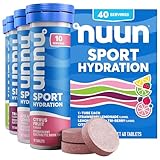
Nuun Sport is the camp-simplicity pick. A crush-proof tube of ten tablets survives a pack strap tightening in a way stick packs do not, and the drop-and-fizz routine takes zero attention when you are tired. With 300 mg of sodium and only 1 g of sugar per tablet, it is a gentle, light-tasting default for weekend hikers who want one product that also works at the gym.
Liquid I.V. is the taste-masking pick for treated water. The 11 g of sugar per stick is there to drive glucose-assisted sodium absorption, the same principle oral rehydration solutions use, and the strong flavor covers chlorine-dioxide taste better than the subtler mixes. If getting yourself to drink treated water is your actual bottleneck, this fixes it. Skip it if you are minimizing sugar.
Skratch Labs Sport Hydration is the big-mile fuel-plus-salt pick. With 400 mg of sodium and 19 g of carbohydrate per serving, it does double duty on days when you need calories anyway, which describes most 20-mile days. The brand does not publish potassium on its product page, so we have not listed a number, but as a combined fuel-and-electrolyte mix for long efforts it is the most complete option here. For a deeper look at performance-oriented options, our roundup of the best electrolytes for athletes covers the training side of the category.
What to look for when buying
Match sodium to your conditions, not to marketing. Heat and long days justify 300 to 600 mg per hour from all sources. Shoulder-season strolls justify almost none. A product is not better because its number is bigger; it is better when its number matches your losses.
Buy single-serve packaging for the backcountry. Tubs are cheaper per serving but terrible in a pack: heavy, bulky, and one drop in a creek ruins the trip's supply. Stick packs and tubes also keep moisture out, which matters when everything you own is damp by day three.
Check the sugar column against your plans. Sugar aids absorption and doubles as fuel on big days, and it also feeds flavor fatigue and adds weight. Zero-sugar for salt replacement, sugared mixes when you want calories in the same bottle.
Do the price-per-serving math at your real dose. A 300 mg tablet at $0.75 costs more per milligram of sodium than a 1,000 mg stick at $1.50. If heat means you would take two tablets, the "cheap" option quietly doubles.
Prefer brands that publish full labels. Every number in our table came from a label or brand page. When a company will not tell you its potassium content, treat the gap as information.


As an Amazon Associate, UsefulVitamins.com earns from qualifying purchases at no extra cost to you. We only recommend products supported by published research or third-party testing.
Averages only get you so far. Weigh in before and after one session and run your own numbers through our sweat rate calculator.
FAQ
Do electrolytes prevent altitude sickness?
No good evidence supports that. Acute mountain sickness is driven by low oxygen, not by salt status, and no electrolyte product treats it. Staying reasonably hydrated at altitude is still sensible because dry air and faster breathing raise water losses, and dehydration symptoms can mimic and mask early altitude illness. Ascend gradually and treat electrolytes as comfort, not prophylaxis.
Can I put electrolyte powder in my hydration bladder?
You can, and most people regret it. Sugared mixes leave residue in the bladder and hose that is hard to clean on trail and can grow mold at home. The cleaner setup is plain water in the bladder and mix in a separate bottle, which also lets you dose salt without forcing yourself to drink flavored water all day. Capsules sidestep the problem entirely.
Do electrolyte supplements interact with medications?
Some meaningful ones. High-sodium products work against blood pressure treatment and sodium-restricted diets for heart or kidney conditions. Potassium-containing mixes deserve caution with ACE inhibitors, ARBs, and potassium-sparing diuretics, which all raise potassium themselves. Lithium levels are sensitive to sodium intake swings. Run your specific medication through our drug-supplement interaction checker and confirm with your pharmacist before making a salty drink a daily habit.
Should I add the mix before or after treating my water?
After, always. Chlorine dioxide and iodine treatments need their full contact time to kill pathogens, and acidic flavored powders can interfere with disinfection if added early. Treat, wait out the full time listed on your treatment product, then flavor. With a filter this does not apply; mix whenever you like.
How much sodium per hour do I need on a thru-hike?
Start from the 300 to 600 mg per hour range for hot conditions, then adjust to your own body. If you finish days with salt crust on your hat and a headache, move up. If you are a light, low-salt sweater in cool weather, food alone may cover you. Weighing yourself before and after a representative training hike, then using our electrolyte replacement calculator, replaces guesswork with your own numbers.
The bottom line
Hiking's electrolyte problem is duration in heat, and the fix is steady, modest sodium: roughly 300 to 600 mg per hour once temperatures climb, with real food doing much of the work. Under two hours in mild weather, water and meals are enough, and no product on this page will make you faster. For everyone going longer, format decides the winner. Stick packs like LMNT carry the most sodium per gram of pack weight, tablets like Nuun win the tired-at-camp test, and SaltStick capsules dose precisely for pennies when flavor fatigue sets in. Check the label, do the per-serving math at your actual dose, and let your sweat rate, not the marketing, set the number.
