
Affiliate disclosure: this article contains affiliate links. As an Amazon Associate, UsefulVitamins.com earns from qualifying purchases at no extra cost to you.
Electrolyte marketing is aimed at marathoners, and the advice trickling down to drivers mostly comes from energy drink listicles. A driver's dehydration rarely starts with a sweat-soaked shirt. It starts with a capped water bottle, rationed on purpose because the next decent stop is ninety minutes out, and a cab that works like a greenhouse all afternoon. This page does the label math for the road specifically: sodium, sugar, cost per serving across 300 driving days a year. These are the same sticks we would pack into a family member's cooler before a summer of regional runs.
Before you decide
Start with the people who should close this tab and talk to a clinician instead. If you take blood pressure medication, diuretics, ACE inhibitors, ARBs, or lithium, do not add a sodium product on your own; added sodium works directly against most blood pressure treatment, and sodium swings can shift lithium levels. Kidney disease and heart failure are hard stops without medical sign-off. High blood pressure is common in this profession and often undiagnosed, so if you have not had a reading outside a DOT physical in a while, that checkup matters more than any product below.
Two symptom lines are worth stating plainly. Dizziness, confusion, a pounding or irregular heartbeat, fainting, or hot dry skin after hours in a hot cab or trailer is possible heat illness, and that is a pull-over-and-call-for-help situation, not a supplement situation. Nothing here is medical advice; it is label arithmetic plus published occupational health data, and our complete guide to electrolytes covers the underlying physiology.
Who this comparison is actually for: long-haul and regional truckers, parcel and food delivery drivers, and anyone else spending eight-plus hours in a vehicle where fluid intake gets rationed around parking and bathrooms. Delivery drivers running stairs with packages in July are half athlete, and the dosing advice below splits those two jobs apart rather than pretending they are the same.
What a day on the road actually takes out of you
The honest place to start is a habit nobody studies but every driver knows: underdrinking on purpose. Truck parking is scarce, detention time eats the clock, and a bathroom is not something you can summon on I-40, so the water bottle stays capped as a matter of planning. Restricting fluids to avoid stops works exactly as intended, and it leaves you running mildly dehydrated for most of the shift. We looked for occupational studies measuring this pattern in truckers specifically and came up short, which says less about drivers and more about who gets studied; the sweat labs are full of cyclists.
The cab does the rest. A big windshield in the sun heats the interior for hours, the sun load lands on your left side all day westbound, and idling restrictions mean plenty of drivers sleep and load without air conditioning. Cargo boxes and trailers run hotter than the cab. You can lose a surprising amount of fluid in a hot seat without ever feeling like you exercised, because slow evaporation off skin in dry moving air never reads as sweat.
The health backdrop makes the product choice matter more than it would for an office worker. The NIOSH National Survey of Long-Haul Truck Driver Health and Injury, which interviewed 1,670 drivers at 32 truck stops, found 69% of long-haul drivers were obese against 31% of the general US working population, and more than half smoked. NIOSH's own summary of the survey adds that drivers were twice as likely as other workers to report a diabetes diagnosis. In a population with double the diabetes risk, a daily hydration drink carrying 11 or 12 grams of sugar is a bad default, and that one fact filters the market harder than any flavor review.
Now the caffeine question, answered honestly, because half the search results for driver hydration are energy drink lists. The old claim is that coffee and energy drinks dehydrate you. The evidence says the effect is real but small. A crossover study in PLoS One had 50 habitual coffee drinkers get their usual moderate dose (four cups' worth a day) or equal volumes of water, and found no difference in total body water or any hydration marker. A meta-analysis in the Journal of Science and Medicine in Sport pooled 16 studies and put the average diuretic effect at roughly 109 extra milliliters of urine, about 16%, an effect that showed up at rest and essentially disappeared with physical activity. Your morning coffee counts toward your fluid intake; it does not secretly drain you.
So the case against energy drinks on the road is not dehydration. It is that a 16 oz can solves zero of your actual problems: it carries sugar into a diet that already has too much, it adds stimulant load on top of the two coffees you already had, and it contains close to nothing you lose in sweat. Swapping an afternoon energy drink for a low-sugar electrolyte jug fixes two numbers at once, sugar in and fluid in.
One subgroup should read this section differently: drivers whose day includes real physical work in heat. Hand unloads, flatbed tarping and chaining, furniture and appliance delivery, multi-stop parcel routes with no cab time to cool off. OSHA's heat guidance says employers should provide electrolyte-containing beverages once hot work runs past two hours, because sweat carries out salt that water cannot replace and substantial loss causes cramps. If your shirt is regularly soaked by noon, dose like a laborer, not like a driver; our outdoor workers roundup runs that heavier math.
When water alone is enough
Here is the gate most brand blogs skip. A driver in a climate-controlled cab doing drop-and-hook work is not sweating out grams of sodium, and an American diet, especially a truck stop diet, is not short on salt. If your routes are short, your cab is cool, and you already drink comfortably through the day, plain water covers you and a product adds nothing but flavor. Sodium replacement is for sodium that actually left.
For most drivers the real deficiency is fluid volume, and this is where an electrolyte product earns its keep through a side door: flavor is a drinking prompt. A gallon of plain water is a chore; a gallon that tastes like something disappears by end of shift. You are partly buying compliance, and there is no shame in that, but recognize it and buy the cheap low-sugar version of compliance rather than the expensive sugary one.
The days that outrun water and food are predictable. Summer heat waves with no APU, hand-unload days, the first hot week after vacation before your body re-adapts, a stomach bug on the road, and any day you look down at 4 pm and realize the bottle is still full. Those are the days a serving of real sodium belongs in the jug.
How to choose for the road

Sugar is the first filter here, which makes this list different from our athlete pages. Given the diabetes numbers above, default to zero or near-zero sugar and treat sugared formulas as situational, useful mainly for rapid catch-up after a genuinely heavy sweat day. Road diets supply sugar without any help from your water jug.
Sodium is the second filter, and drivers should aim lower than the mega-dose trend. A mostly seated day with a salty diet needs roughly 300 to 500 mg from a serving, enough to matter without fighting your blood pressure. Save the 1,000 mg sticks for the flatbed-in-July end of the job. More sodium is not more better in a profession where hypertension is this common.
Format has to survive a cab. Sticks and tablet tubes ride in a door pocket for months; a big tub of powder rolls around, clumps in humidity, and needs a scoop and a steady surface. Our stick packs versus tub cost breakdown shows you pay a real premium per serving for sticks, and cab life is the rare case where the premium is justified. Skip caffeinated electrolyte mixes entirely; your caffeine is already handled, and stacking sources makes both harder to track.
Then run the cost math at driver volume, because 300 working days is triple what a recreational athlete uses. At one serving a day, a $1.75 stick is about $525 a year and a 75-cent tablet is about $225. Price per serving is a bigger deal at 300 days a year than any ingredient on the label except sugar.
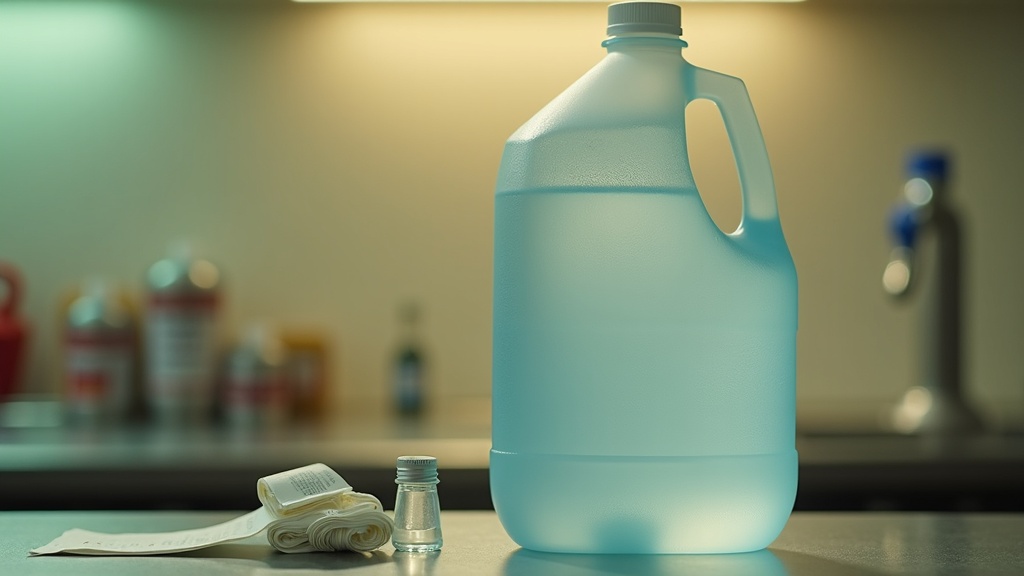
The gallon jug protocol itself is simple. Fill the jug at the first stop, mix in one serving, and make finishing it by end of shift the entire goal. One serving in a gallon tastes weak, which is fine; the sodium dose is unchanged and dilution is not a problem. Do not stack three sticks into the jug to make it taste like the label photo, and top up with plain water after it runs dry.
The numbers side by side
Every figure below comes from the brand's own label or published product page, checked in August 2026. Where a brand does not publish a number, the cell says so rather than guessing.
| Product | Sodium per serving | Potassium | Sugar | Format | Price per serving |
|---|---|---|---|---|---|
| Liquid I.V. Sugar-Free | at least 500 mg (brand-stated) | at least 350 mg (brand-stated) | 0 g (allulose-sweetened) | powder stick (16 oz) | about $1.75 ($27.99 per 16) |
| Nuun Sport | 300 mg | 150 mg | 1 g | effervescent tablet (16 oz) | about $0.75 ($7.49 per 10) |
| LMNT | 1,000 mg | 200 mg | 0 g | powder stick (16-32 oz) | about $1.50 ($45 per 30) |
| Liquid I.V. original | 500 mg | 370 mg | 11 g | powder stick (16 oz) | about $1.56 ($24.99 per 16) |
| Gatorlyte | 490 mg | 350 mg | 12 g | ready-to-drink 20 oz bottle | store pricing varies |
Prices are approximate as of August 2026 and move with retailers, pack sizes, and subscriptions. Liquid I.V. publishes its exact sugar-free electrolyte panel on the label image rather than in page text, so we list the brand's stated minimums.
Top picks for drivers
Liquid I.V. Sugar-Free: best overall for the gallon jug protocol. It hits the driver brief almost exactly: around 500 mg of sodium, zero sugar (sweetened with allulose rather than sugar alcohols that can bother your gut on a long haul), and a strong flavor that survives being diluted into a gallon. That last point is the quiet reason it wins here, because the product's biggest job is getting the whole jug drunk. The catch is price; at about $1.75 a stick, daily use costs real money, which is why the value pick below exists.
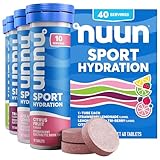
Nuun Sport: best value for every day. At 300 mg of sodium, 1 g of sugar, and about 75 cents a tablet, this is the right dose at the right price for a mostly seated shift, and the tube format is the best cab storage in the category. Tablets fizz, so it drinks like a light soda rather than a sports drink, which some drivers find easier to sip for ten hours. On a genuinely hot physical day it runs light, and that is what the next pick is for.
LMNT: for the drivers who actually sweat. Flatbedders tarping loads in August, movers, hand-unload freight, parcel routes in a heat wave: that work loses sodium at laborer rates, and LMNT's 1,000 mg stick with zero sugar is dosed for exactly that. It is the wrong daily default for a seated driver with normal blood pressure concerns, and the right tool two or three days a week in summer. Our full LMNT review runs its value math against plain salt if the price raises an eyebrow.
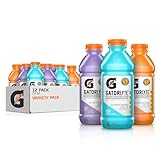
Gatorlyte: the truck stop cooler option. When there is no jug and no planning, Gatorlyte is the best grab in most fuel-stop coolers: 490 mg of sodium and 350 mg of potassium per 20 oz bottle, roughly double the sodium of a standard sports drink. The 12 g of sugar puts it in the situational column for the reasons this whole page is built on. Treat it as the recovery bottle after a hot unload, not the daily habit.
Liquid I.V. original: know what you are buying. The original formula is a competent oral-rehydration-style product, and its 500 mg sodium with 370 mg potassium and 11 g of sugar makes sense for fast catch-up when you are genuinely depleted, such as after a stomach bug or a brutal unload. As an everyday cab drink it is a sugar delivery you do not need, especially when the same brand sells the sugar-free version above. If you keep one around, keep it for bad days.
What to look for when buying
Read the sodium line and the serving size together, because brands dose per 8, 16, or 20 ounces and the numbers are not comparable until you normalize them. Check the sugar line next and be suspicious of anything in double digits. Confirm there is no added caffeine before it goes in the jug, since electrolyte mixes with caffeine exist and stack silently on top of coffee. Then do the 300-day math on price per serving before committing to a subscription. If none of the five above fit, our best electrolyte powder overview covers the wider field with the same label-first method.

As an Amazon Associate, UsefulVitamins.com earns from qualifying purchases at no extra cost to you. We only recommend products supported by published research or third-party testing.
FAQ
Do coffee and energy drinks dehydrate me on the road?
Mostly no, and the research is fairly clear on this. Moderate coffee in habitual drinkers hydrates about as well as water, and pooled studies put caffeine's average diuretic effect at roughly an extra half-cup of urine, mostly at rest rather than during physical activity. The reasons to limit energy drinks are different: sugar load, stimulant stacking on top of coffee, and paying premium prices for something that replaces almost none of what sweat removes.
I take blood pressure or heart medication. Can I use these products?
Not without checking first. Sodium works directly against most blood pressure treatment, diuretics change how your kidneys handle sodium and potassium, and ACE inhibitors, ARBs, and potassium-sparing diuretics can raise blood potassium, which matters with higher-potassium formulas like Gatorlyte or Liquid I.V. Sodium changes can also shift lithium levels. Run your medication list through our drug and supplement interaction checker, then confirm with a pharmacist; this population has enough undiagnosed hypertension that a blood pressure check is worth it even if you take nothing.
Is one stick in a whole gallon too diluted to work?
No. Dilution changes taste, not dose; 500 mg of sodium is 500 mg whether it rides in 16 ounces or 128. Sports products specify small volumes because athletes need fast absorption mid-effort, and a driver sipping across ten hours has no such constraint. Weak flavor that you actually finish beats strong flavor that sits in the cupholder.
How much should I actually be drinking in the cab?
There is no single number, and thirst runs late when you are distracted by traffic, so use the jug as the measuring tool: a gallon through a full shift, more on hot or physical days, and pale urine at the end of the day as the check. If bathroom access is the constraint forcing you to under-drink, front-load fluids early in the shift and taper late rather than staying dry all day. Persistent dark urine, cramping, or headaches despite drinking normally is a reason to see a doctor, not to buy a stronger powder.
Will electrolytes keep me more alert while driving?
Only by fixing dehydration, which does cause fatigue, headaches, and fuzzy concentration. Electrolytes are not stimulants and no drink replaces sleep. If drowsiness at the wheel is a recurring problem, that is a sleep and possibly sleep-apnea conversation with a doctor, and apnea is common enough in this profession that it is worth raising directly.
The bottom line
Driver dehydration is a logistics problem before it is a sweat problem: fluids rationed around parking, a hot cab, and an afternoon energy drink standing in for actual hydration. The fix costs a dollar a day and one habit change. Fill a gallon jug in the morning, mix in one low-sugar serving, and finish it by end of shift. Liquid I.V. Sugar-Free is the best jug companion, Nuun Sport is the budget daily, LMNT covers the days you work like a laborer, and the sugared bottles stay in the situational column because this profession already carries double the diabetes risk. Check with a pharmacist first if you take blood pressure medication, and treat confusion or a pounding heart in the heat as an emergency, not a hydration hiccup.
