
Affiliate disclosure: this article contains affiliate links. As an Amazon Associate, UsefulVitamins.com earns from qualifying purchases at no extra cost to you.
Search for hangover cures and you will find electrolyte brands promising to rescue your morning, usually with a suspiciously athletic-looking person holding a stick pack. The truth is less convenient: alcohol does pull some fluid out of you, but the research says most of a hangover is not a hydration problem at all. This guide separates the share an electrolyte drink can actually fix from the share it cannot touch, then compares real labels for the mornings when a product genuinely earns its place. These picks are what we would hand a family member at brunch after a wedding, along with a glass of water and zero judgment.
Before you decide
Start with the honest gate. If you drank moderately, ate dinner, and had some water along the way, you do not need any product, because your kidneys and your breakfast will settle the ledger on their own. The comparison below is for the occasional heavy night: the wedding, the reunion, the evening that ran three drinks past the plan.
A few safety lines come first. Do not take acetaminophen (Tylenol) for a hangover headache; the NIH's MedlinePlus hangover page specifically warns that acetaminophen after alcohol can stress the liver. If you take blood pressure medication, diuretics, or lithium, or you have kidney or heart disease, check with your pharmacist before using a high-sodium mix, because these products are essentially flavored salt. Our complete guide to electrolytes covers who should and should not supplement in detail. Nothing here is medical advice.
Two hard red flags. If someone cannot be woken, has slow or irregular breathing, seizures, or cold clammy skin after drinking, that is possible alcohol poisoning: call 911, not a hydration brand. And if hangover recovery products are becoming a regular line item in your budget, that is a drinking-pattern signal worth raising with a clinician. No powder in this article is a workaround for either situation.
What a night of drinking actually takes out of you
Alcohol suppresses vasopressin, the hormone that tells your kidneys to hold on to water, so you urinate more than you drink for a stretch of the evening. The effect is real but smaller than folklore says. A controlled study in Alcohol and Alcoholism gave men a liter of 4% beer and found it increased urine output only when they started well hydrated; once the body was already short on fluid, the diuretic action of alcohol was blunted, because dehydration itself drives vasopressin back up.
Strength matters too. A randomized crossover trial in Nutrients found that moderate amounts of wine and spirits produced a small diuretic effect in elderly men lasting only a few hours, while beer was no more diuretic than its alcohol-free counterpart. A heavy night probably leaves you a modest fluid deficit, not a desert, and part of that deficit is simply fluid you would have drunk as water if you had not been holding a glass of something else.
One more detail the marketing skips: vasopressin-suppressed urine is dilute, so the loss is mostly water rather than salt. That means your body wants fluid first and sodium second, which is the opposite of what a 1,000 mg sodium mega-dose assumes. The place where electrolytes climb in importance is vomiting, because stomach losses do take salt and potassium with them, and that is when oral-rehydration logic starts to apply for real.
Why your hangover is mostly not dehydration
Here is the part that separates this page from the brand blogs. A review of hangover pathology in Current Drug Abuse Reviews went looking for what actually tracks with how bad people feel, and dehydration failed the audition: markers of dehydration such as vasopressin, and blood electrolyte levels, were not significantly related to hangover severity. What did show up were immune and inflammatory signals, with blood acetaldehyde (alcohol's toxic first metabolite) correlating in some studies.
Congeners carry real weight too. A review of beverage congeners found that high-congener bourbon produces worse hangover ratings in the few controlled trials to date than essentially congener-free vodka at the same alcohol dose, and the controlled bourbon-versus-vodka trial behind it also showed that alcohol's disruption of sleep correlated with next-day misery. The nausea, the fatigue, the brain fog, and the 4 a.m. wide-awake anxiety are chemistry and lost sleep, and no amount of sodium reverses them.
This is also why the supplement aisle's bolder promises keep failing review. A 2022 systematic review in Addiction examined 21 randomized placebo-controlled hangover trials and rated every efficacy outcome as very low quality evidence, recommending nothing. We took the two most hyped pre-drink products apart in our ZBiotics versus Cheers comparison and reached the same wall: interesting mechanisms, no published human hangover trial. The "liver detox" framing fares no better, as our NAC versus glutathione breakdown explains; your liver clears alcohol on its own schedule, and no capsule audited so far speeds it up meaningfully.
So what is the honest claim for electrolytes? They address the dehydration slice: the dry mouth, the thirst, some of the headache and lightheadedness. That slice is real, it is just not the whole pie, and a product that fixes one slice of the problem should be bought and judged as exactly that.
When water alone is enough
For most rough-ish mornings, it is. If you can face breakfast, water plus food replaces both the fluid and the salt without any product, because a normal meal carries far more sodium than a stick pack. MedlinePlus's version of hangover care is deliberately boring: time, rest, fluids, and salt from things like broth or a sports drink if you want them.
An electrolyte product earns its slot in three situations. You woke genuinely parched with a pounding head and cannot face food yet, so a palatable drink gets fluid and a little sodium in before toast is thinkable. You vomited, which changes the math because stomach losses include salt and potassium. Or you are facing a day where you must function (travel, a shift, a flight) and want the fastest tolerable rehydration. Outside those three, the product is a pleasant flavor rather than a treatment.
One caution runs the other way. Do not chug liters of plain water in an hour to "flush it out"; drinking far beyond your losses without sodium can dilute blood sodium, and hyponatremia is the one genuinely dangerous rehydration mistake. Sip steadily through the morning instead.
How to choose electrolytes for the morning after
Morning-after needs are not marathon needs, so the buying criteria flip. Aim for roughly 300-500 mg of sodium per serving with some glucose alongside it, the oral rehydration solution model, because sugar and salt together move water across the gut faster than either alone. This is one of the few contexts on this site where added sugar is a feature rather than a flaw.
The 1,000 mg zero-sugar mixes built for fasted athletes are a mismatch here: more salt than your dilute-urine losses call for, dropped onto an irritated stomach, with none of the glucose that speeds absorption. We walk through the two most popular formulas' opposite philosophies in our Liquid I.V. versus LMNT head-to-head if you want the full argument.
Beyond the sodium-and-sugar core, pick for tolerability. Gentle flavor matters more than usual because nausea is part of the picture, skip anything with added caffeine (your sleep-deprived heart rate does not need help, and your usual coffee can come later, on its own), and favor single-serve formats you can keep in a drawer for the four mornings a year this actually happens.
The numbers side by side
Label numbers below come from each brand's own published information. Prices are standard one-time prices as of August 2026 and move with subscriptions and sales. Pedialyte is listed per liter bottle because that is how Abbott publishes it and how most people drink it; a 12 oz glass works out to roughly 380 mg sodium, 275 mg potassium, and about 5 g of sugar.
| Product | Sodium | Potassium | Sugar | Price per serving |
|---|---|---|---|---|
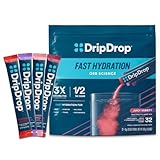
| DripDrop (stick) | 330 mg | 185 mg | 7 g | about $1.12 (32 sticks, $35.99) |
| Pedialyte Classic (1 L bottle) | 1,080 mg per liter | 780 mg per liter | 13 g per liter | varies by retailer |
| Liquid I.V. Hydration Multiplier (stick) | 500 mg | 370 mg | about 11 g | about $1.56 (16 sticks, $24.99) |
| LMNT (stick) | 1,000 mg | 200 mg | 0 g | about $1.50 (30 sticks, $45) |
| Nuun Sport (tablet) | 300 mg | 150 mg | 1 g | about $0.75 (10 tablets, $7.49) |
Top picks for the morning after
DripDrop is our best overall because it was built on the oral rehydration model this situation actually calls for: 330 mg of sodium paired with 7 g of glucose, in a serving sized for a stomach that is negotiating with you. It replaces the fluid-and-salt slice quickly without pretending to treat the rest. We dug into whether it justifies its price against cheaper ORS options in our DripDrop deep dive.
Pedialyte Classic is the traditionalist's pick, and the label backs the folklore up. A liter carries 1,080 mg of sodium and 780 mg of potassium at ORS-style dilution, which suits slow sipping across a whole morning better than any concentrated stick. It is also the easiest option to buy at 8 a.m., since nearly every pharmacy and grocery store stocks it.
Liquid I.V. is the pick if you want the biggest glucose assist and a sweeter drink. Its roughly 11 g of sugar and 500 mg of sodium per stick follow the same sugar-plus-salt absorption logic in a candy-flavored wrapper, which some queasy mornings genuinely prefer. Whether that formula is worth the per-stick price on ordinary days is a separate question we answer in our Liquid I.V. review.
Nuun Sport is the value pick at about $0.75 a serving, and its light fizz and 1 g of sugar make it the gentlest first drink of a delicate morning, with sodium sized to the actual deficit. LMNT is the outlier: a fine product for fasted training, but its 1,000 mg of sodium with zero glucose is built for a different problem, so reserve it for the rare morning after that also includes sweat, sun, or a workout.
What to look for when buying
Read the sodium and sugar lines together and ignore the front of the pack. For this situation you want the middle of the sodium range with some glucose, not the maximum of either, which is roughly the opposite of how these products are ranked for athletes. Anything marketed specifically as a "hangover cure" should trigger reflex skepticism, because the systematic-review record for that claim is uniformly poor and the honest mechanism (fluid plus salt plus sugar) is available from any ORS-style product without the markup.
Check the per-serving price against the frequency of your actual need. A four-mornings-a-year problem does not justify a subscription; a small box of sticks or a tube of tablets in the cupboard covers realistic use for under $15 a year. Spend the difference on dinner before the next party, which will do more for the following morning than any product in this table.


As an Amazon Associate, UsefulVitamins.com earns from qualifying purchases at no extra cost to you. We only recommend products supported by published research or third-party testing.
FAQ
Do electrolytes before bed prevent a hangover?
They will not prevent one, because congeners, acetaldehyde, and disrupted sleep do not care what is in your water glass. A glass of water or an electrolyte drink before bed may soften the morning thirst and dry mouth, which is worth having, and plain water gets you most of that benefit for free. No pre-bed drink has clinical-trial evidence for preventing hangover itself.
Can I take painkillers with an electrolyte drink the morning after?
This is the interaction question that matters most here. Skip acetaminophen entirely after a night of drinking, since MedlinePlus warns the combination is hard on the liver. Ibuprofen and aspirin can bother a stomach that alcohol already irritated, so take them with food if you use them at all. If you are on prescription medication, especially blood pressure drugs, diuretics, or lithium, screen any high-sodium product through our drug and supplement interaction checker and confirm with a pharmacist.
Is Pedialyte actually better than Gatorade for a hangover?
Directionally yes, on label math. ORS-style products like Pedialyte carry several times the sodium of a typical sports drink at similar volumes, with less sugar than a full-sugar sports drink, and the morning-after problem is fluid retention rather than exercise fuel. Either will help the thirst; the ORS bottle just does it with numbers closer to what rehydration research uses.
What about hangover pills, DHM, or probiotic shots?
The evidence base is thin across the board. A 2022 systematic review in Addiction rated every tested hangover intervention as very low quality evidence and recommended none, and the two most popular pre-drink products have no published human hangover trial between them. If you are curious anyway, our ZBiotics versus Cheers comparison linked above walks through what each one plausibly does and does not do.
When is a rough morning actually an emergency?
If someone cannot be woken, is breathing slowly or irregularly, has a seizure, or has cold, clammy, pale skin, treat it as suspected alcohol poisoning and call 911. Repeated vomiting that will not stop, vomiting blood, confusion, or signs of severe dehydration that do not improve with fluids also call for medical care right away.
Does water between drinks really work?
It is the highest-value move in this entire article. Alternating alcohol with water slows your drinking pace, replaces fluid as you go, and shrinks the total alcohol dose, which is the variable every hangover study agrees on. Eating before and while drinking, capping the count, and stopping earlier in the evening do more for tomorrow than anything sold in a stick pack.
The bottom line
An electrolyte drink is a decent tool applied to a fraction of the problem. The dehydration slice of a hangover responds to fluid, modest sodium, and a little glucose; the congener, acetaldehyde, inflammation, and lost-sleep slices respond only to time. DripDrop fits the honest use case best, Pedialyte is the sip-all-morning classic, and Nuun does the job cheapest, while nothing in any of their packets makes heavy drinking cheaper for your body. Buy one box for the cupboard, drink water at the party, and let the math you did before the evening, not the powder after it, decide how tomorrow feels.
