
Water-soluble vitamins are nutrients (vitamin C plus the B vitamins) that dissolve in water, circulate quickly, and generally need regular intake because the body stores very little of most of them. If you have ever wondered why a “mega-dose” supplement does not seem to build up benefits for weeks, this is a big reason. This guide breaks down what water-soluble vitamins do, how to get enough from food, when supplements make sense, and which groups are most likely to fall short.
Affiliate disclosure: this article contains affiliate links. As an Amazon Associate, UsefulVitamins.com earns from qualifying purchases at no extra cost to you.
Summary / Quick Answer
Water-soluble vitamins include vitamin C and eight B vitamins (B1, B2, B3, B5, B6, B7, B9, B12). They dissolve in water and are used in many day-to-day processes, especially converting food into energy.
Here’s the practical takeaway:
- You typically need them daily because most are not stored in large amounts.
- Excess is often excreted in urine, but high-dose supplements can still cause side effects.
- Vitamin C supports collagen production and antioxidant defense.
- B vitamins act like “helpers” (coenzymes) that keep metabolism, nerves, and blood cells working normally.
- B12 is the outlier – it can be stored in the liver, but deficiency can still happen, especially with low animal-food intake or absorption issues.
If you suspect a shortfall, start with food patterns and symptoms, then consider targeted testing and supplementation.
What Are Water-Soluble Vitamins (and Why They Behave Differently)?
Water-soluble vitamins are the “use it and refill it” vitamins. Because they dissolve in water, they move through the bloodstream easily and many are not stored long-term in body tissues. That simple chemistry changes how you should think about intake: consistency matters more than occasional high doses.
According to an overview from the Cleveland Clinic’s nutrition education team, the water-soluble group includes vitamin C plus the B-complex vitamins. Colorado State University Extension also summarizes that B vitamins are widely distributed in foods and commonly function as coenzymes in metabolism, meaning they help enzymes do their jobs during energy production and other reactions.
The 9 water-soluble vitamins at a glance
| Vitamin | Common name | What it’s best known for | Typical “watch-outs” |
|---|---|---|---|
| C | Ascorbic acid | Collagen support, antioxidant role | Smokers need more; high doses can upset GI tract |
| B1 | Thiamine | Carbohydrate metabolism | Higher needs with heavy alcohol use |
| B2 | Riboflavin | Energy pathways, antioxidant enzymes | Low intake with low dairy/fortified foods |
| B3 | Niacin | Energy metabolism, DNA-related processes | High-dose supplements can cause flushing |
| B5 | Pantothenic acid | CoA production (fat metabolism) | Deficiency is uncommon |
| B6 | Pyridoxine | Neurotransmitters, amino acid metabolism | Excess supplemental B6 can cause nerve issues |
| B7 | Biotin | Fat and carb metabolism | Lab test interference at high supplemental doses |
| B9 | Folate | DNA synthesis, cell division | Important preconception and pregnancy |
| B12 | Cobalamin | Nerves, red blood cells | Low intake in vegans; absorption declines with age |
Water-soluble vs fat-soluble: the practical difference
Think of water-soluble vitamins like money in a checking account – it moves in and out quickly. Fat-soluble vitamins (A, D, E, K) are more like a savings account – they can be stored in body fat and the liver.
Actionable takeaways:
- Aim for daily food sources rather than relying on once-a-week “catch up.”
- If you supplement, consider lower doses more consistently unless your clinician recommends otherwise.
- If you’re unsure whether symptoms line up with low intake, the Vitamin Deficiency Quiz can help you organize what to look into next.
What Water-Soluble Vitamins Do in the Body (Energy, Nerves, Skin, Immunity)
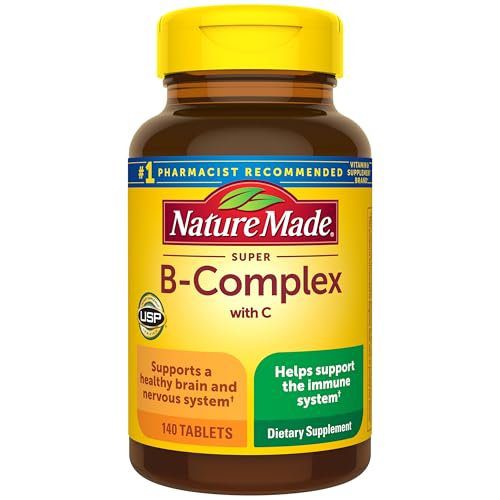
Nature Made Super B Complex with Vitamin C & Folic Acid, B Complex Vitamins for Women and Men, Dietary Supplement for Immune Support, 140 Tablets, 140 Day Supply
Nature Made Super B Complex with Vitamin C & Folic Acid delivers all eight essential B vitamins plus 150 mg Vitamin C in 140 tablets for a 140-day supply at one tablet daily. This fits water-soluble vitamins coverage by providing B vitamins that support energy metabolism from food and nervous system function, with Vitamin C for immune support. It’s gluten free, no color added, no artificial flavors, and USP verified.
Most people hear “B vitamins = energy” and stop there. The more accurate idea is this: B vitamins don’t supply calories, but they help your body access energy from carbs, fats, and protein. Vitamin C plays different roles, including collagen formation and antioxidant defense.
A helpful summary from Colorado State University Extension explains that B-complex vitamins commonly act as coenzymes in metabolic reactions. Educational nutrition texts also describe how these vitamins serve as functional parts of enzymes that convert nutrients into usable energy.
Vitamin C: more than “immune support”
Vitamin C is involved in:
- Collagen synthesis (skin, tendons, cartilage, bone matrix)
- Antioxidant activity (helps neutralize reactive molecules)
- Immune function support (supports several immune cell functions)
- Iron absorption (improves absorption of non-heme iron from plants)
If you want a deeper, evidence-focused breakdown of dosing and food sources, see Vitamin C Science Benefits Dosage.
B vitamins: a team with overlapping jobs
Here’s a simple way to remember the B-complex: they work like a pit crew. One member rarely “wins the race” alone.
B vitamins commonly support:
- Energy metabolism (B1, B2, B3, B5, B6, biotin)
- Nervous system function (B1, B6, B12)
- Red blood cell formation (folate, B12)
- DNA synthesis and repair (folate, B12, niacin)
Quick “what does what” reference
| Vitamin | Key roles (plain language) | Where people often get it |
|---|---|---|
| B1 | Helps break down carbs | Pork, enriched grains |
| B2 | Helps cells produce energy | Dairy, eggs, fortified foods |
| B3 | Helps metabolism and DNA-related processes | Poultry, fish, fortified grains |
| B5 | Helps build fatty-acid-related compounds | Many foods, including mushrooms and eggs |
| B6 | Helps make neurotransmitters | Chickpeas, fish, potatoes |
| Biotin | Helps process fats and carbs | Eggs, nuts, seeds |
| Folate | Helps make DNA during growth | Leafy greens, beans, fortified grains |
| B12 | Helps nerves and blood cells | Meat, fish, dairy; fortified foods |
Actionable takeaways:
- If your diet is low in animal foods, B12 planning is non-negotiable.
- If your diet is low in fruits and vegetables, vitamin C and folate are common gaps.
- For a full overview of how the B group fits together, read Vitamin B Complex Explained.

Best Food Sources (and How to Build a Day That Covers the Basics)
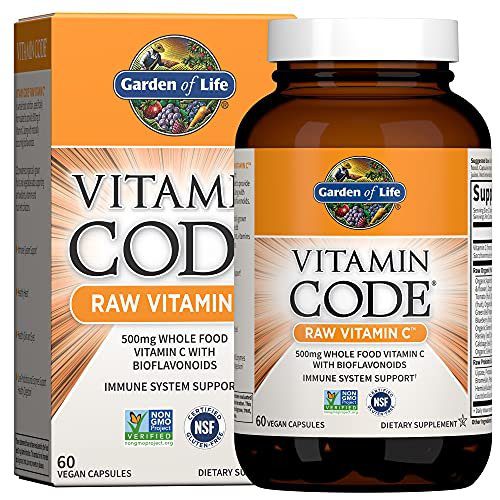
Garden of Life Vitamin Code Raw Vitamin C – 60 Capsules, 500mg Whole Food Vitamin C Capsules + Fruit & Veggie Blend & Probiotics, Supplements for Adults, Vegan, Gluten Free
Garden of Life Vitamin Code Raw Vitamin C provides 500mg of whole food vitamin C in 60 vegan capsules, with a fruit and veggie blend and probiotics. This matches the guide’s focus on natural sources for water-soluble vitamins like C from whole foods. It’s gluten-free and raw, without binders or fillers.
If water-soluble vitamins are used quickly, food patterns matter. The good news is that many people can meet needs with a “normal” diet that includes a mix of produce, protein foods, and fortified grains. The common problem is repetition: eating the same few foods day after day can leave predictable holes.
Vitamin C-rich foods (with realistic portions)
Vitamin C is abundant in produce, but amounts vary a lot. Cleveland Clinic’s overview highlights several high-vitamin-C choices, including bell peppers and citrus.
Use this as a quick shopping guide:
| Food | Typical serving | Approx. vitamin C |
|---|---|---|
| Red bell pepper | 1/2 cup raw | ~95 mg |
| Orange juice | 3/4 cup | ~93 mg |
| Orange | 1 medium | ~70 mg |
| Kiwi | 1 medium | ~64 mg |
| Broccoli | 1/2 cup cooked | ~60 mg |
| Strawberries | 1/2 cup | ~48 mg |
Practical tip: vitamin C can be sensitive to heat and storage. You don’t need to eat everything raw, but mixing raw and cooked produce improves reliability.
Where the B vitamins hide (and why fortification matters)
B vitamins show up in:
- Animal foods: B12, B6, riboflavin, niacin
- Legumes: folate, B1, B6
- Nuts and seeds: thiamine, biotin, niacin
- Leafy greens: folate
- Fortified grains and cereals: thiamine, riboflavin, niacin, folic acid (and sometimes B12)
Fortified foods can be especially helpful for people who eat less meat or dairy. That said, fortification varies by brand, so it’s worth checking the panel. If labels feel like a foreign language, the How to Read Supplement Labels guide also helps you interpret % Daily Value and forms of vitamins.
A simple “one-day” template (mix and match)
- Breakfast: fortified cereal or oats + milk/fortified plant milk + fruit
- Lunch: leafy-green salad with beans or chicken + citrus or berries
- Snack: yogurt or a handful of nuts + kiwi
- Dinner: salmon or tofu + broccoli + brown rice or enriched grains
Actionable takeaways:
- Build meals around at least one produce source (vitamin C, folate) and one protein source (B6, B12, riboflavin).
- Use fortified foods intentionally if you avoid animal products or eat a limited diet.
- If you’re adjusting supplements, timing can affect tolerance. Use the Supplement Timing Optimizer to reduce nausea and improve consistency.
Daily Requirements, Supplements, and Safety: What “More” Can (and Can’t) Do

Solgar Vitamin B6 25 mg, 100 Tablets – Supports Energy Metabolism, Heart Health & Healthy Nervous System – B Complex Supplement – Vegan, Gluten Free, Dairy Free, Kosher – 100 Servings
Vitamin B6 is covered in the water-soluble vitamins guide for its role in energy metabolism and nervous system health, and this Solgar product provides a straightforward 25 mg tablet supplement. It comes in a 100-tablet bottle for 100 servings and fits B complex needs with vegan, gluten-free, dairy-free, and kosher attributes. Supports heart health alongside folic acid and B12 by helping maintain normal homocysteine levels.
Because water-soluble vitamins aren’t stored the same way as fat-soluble vitamins, people often assume supplements are automatically harmless. The reality is more practical: many excess amounts are excreted, but high doses can still cause side effects, interfere with labs, or mask other issues.
Daily needs vary by life stage
Vitamin needs depend on age, sex, pregnancy, lactation, smoking status, medications, and health conditions. For example, the FDA Daily Value for vitamin C for adults and children 4+ is 90 mg/day, which is a useful reference point for label-reading and general planning.
For deeper, nutrient-by-nutrient targets, the most reliable source is the NIH Office of Dietary Supplements fact sheets (select each vitamin for RDAs, ULs, and evidence summaries).
When supplements make sense
Supplements may be appropriate when:
- Your diet is limited (low appetite, restrictive eating, food insecurity)
- You are pregnant or trying to conceive (folate needs rise)
- You are vegan or near-vegan (B12 planning is essential)
- You have absorption risks (some GI conditions, bariatric surgery)
- Bloodwork confirms low levels (especially B12, folate in some cases)
For B12 specifically, forms differ. Educational summaries like the Healthline overview of B12 forms and water-soluble vitamins describe common supplemental forms such as cyanocobalamin and methylcobalamin. Most people can use either, but the “best” choice depends on dose, cost, individual response, and clinician guidance.
Safety “red flags” people miss
Here are a few supplement-related issues that come up often:
- Too much B6 (pyridoxine): Chronic high-dose B6 supplements can cause nerve symptoms in some people. Stay within established upper limits unless supervised.
- Niacin flushing: High-dose niacin can cause flushing and other side effects. Therapeutic doses should be clinician-guided.
- High-dose biotin: Can interfere with certain lab tests (including some thyroid and cardiac markers). Tell your clinician if you take it.
- Vitamin C GI effects: Large doses may cause diarrhea or stomach upset in some people.
Quick supplement decision checklist
| Question | If “yes,” consider… |
|---|---|
| Do you avoid animal foods? | B12 supplement or reliable fortified intake |
| Are you trying to conceive or pregnant? | Folate/folic acid per prenatal guidance |
| Do you have persistent fatigue, tingling, mouth sores, or glossitis? | Talk to a clinician and consider labs before guessing |
| Do supplements upset your stomach? | Smaller dose, take with food, adjust timing |
Actionable takeaways:
- Use supplements to fill a specific gap, not as nutrition insurance at extreme doses.
- If you’re taking multiple products, check for stacking. Multis + energy drinks + “hair/skin” formulas can overlap heavily.
- Use the How to Read Supplement Labels to spot duplicate ingredients and overly large doses.

Taking this with a multivitamin or other products? Our companion app, StackMyMed, adds up your real daily total of each vitamin across everything you take, so overlaps surface before they push you past a safe limit.
Conclusion: The Simple Way to Get Water-Soluble Vitamins Right
Water-soluble vitamins work best when they show up consistently. Vitamin C and the B vitamins support everyday processes like energy metabolism, collagen formation, nerve function, and red blood cell production, but most don’t stick around in large reserves.
The most reliable plan is also the least complicated:
- Eat a mix of produce + protein foods + fortified staples.
- Treat supplements as gap-fillers, not a substitute for diet.
- Pay extra attention to B12 if you eat little or no animal food.
If you want a practical next step, start with the Vitamin Deficiency Quiz to narrow down likely gaps, then use Vitamin B Complex Explained to choose a smarter, more targeted approach.
As an Amazon Associate, I earn from qualifying purchases. Product recommendations are based on real reviews and independent research.
