
Food and supplements can change how your medications work, and medications can change how well you absorb nutrients – that’s the core of nutrient interactions. If you’ve ever wondered whether you should take pills with meals, avoid grapefruit, or separate minerals like iron and calcium, you’re asking the right questions. This guide breaks down the most common interaction types (food-drug, drug-nutrient, and nutrient-nutrient), why they happen, and how to manage them with simple timing and pairing strategies. You’ll also see which combinations deserve a call to your pharmacist.
Affiliate disclosure: this article contains affiliate links. As an Amazon Associate, UsefulVitamins.com earns from qualifying purchases at no extra cost to you.
Summary / Quick Answer
Nutrient interactions are the ways foods, supplements, and medications influence each other’s absorption, metabolism, or excretion. Most problems are preventable with timing, consistency, and a short list of “high-alert” combinations.
Quick rules that cover most situations:
- Separate minerals that compete (often by 2-4 hours): iron, calcium, magnesium, zinc.
- Be consistent with vitamin K intake if you use warfarin (don’t swing from “none” to “a lot”).
- Treat grapefruit as a medication-like ingredient for many drugs (ask your pharmacist).
- If a medicine says “take on an empty stomach,” food usually lowers absorption – timing matters.
- If you take multiple supplements, check for overlaps that push you above safe upper limits.
Fast checklist
| If you take… | Watch for… | Simple move |
|---|---|---|
| Thyroid meds (levothyroxine) | Calcium/iron, some juices | Take alone, wait 4 hours for minerals |
| Antibiotics (some types) | Dairy/mineral supplements | Separate by 2-6 hours (drug-dependent) |
| PPIs (omeprazole class) | Lower B12 and vitamin C status over time | Ask about monitoring, food-first B12 sources |
| High-dose zinc | Copper and iron issues | Avoid long-term high dosing without guidance |
For a personalized scan, use the site’s Drug-Supplement Interaction Checker.
Why nutrient interactions happen (and why they’re easy to miss)
Most people assume interactions only happen between two prescriptions. In real life, the “third ingredient” is often breakfast.
Research over decades shows drug-nutrient interactions are most predictable in higher-risk groups: older adults, people with chronic disease, transplant recipients, cancer patients, individuals with malnutrition or HIV, and anyone on enteral or parenteral feeding. A detailed overview in a drug-nutrient interaction monograph from DSM notes that clinical impact can vary widely, which is why many issues go unnoticed until labs drift or symptoms return.
The 4 main mechanisms (think: doorway, factory, traffic, exit)
Most clinically meaningful nutrient interactions fall into four buckets:
Absorption (the doorway)
Food, fiber, or minerals can bind a drug or nutrient and reduce how much enters the bloodstream. Timing often fixes this.Metabolism (the factory)
Nutrients can change enzyme activity that activates or clears drugs. A review in Frontiers in Pharmacology on food-drug interactions describes how diet and bioactive food compounds can alter drug-metabolizing enzymes and transporters.Transport (the traffic)
Some compounds change “pumps” in the gut wall that move substances in or out. The same Frontiers in Pharmacology review discusses transporters like P-glycoprotein, which can change exposure to certain drugs and supplements.Excretion (the exit)
Drugs can increase urinary losses of nutrients, or nutrients can change drug elimination.
A simple “risk radar” you can use today
Not every interaction matters clinically. The ones that tend to matter share a few traits:
- Narrow therapeutic window drugs (small dose changes matter)
- High-dose supplements (especially single-nutrient megadoses)
- Long-term medication use (slow nutrient depletion)
- Multiple daily pills (timing collisions become likely)
Visual: Interaction risk radar
- High risk: warfarin, thyroid meds, transplant meds, some antiarrhythmics
- Medium risk: PPIs, metformin, diuretics, some antibiotics
- Lower risk: most standard multivitamins at RDA-level doses (still worth checking)
If you’re combining several products, the Complete Supplement Stacking Guide can help you spot redundancies and avoid “accidental high dose” scenarios.
Nutrient interactions with medications: the combinations that matter most
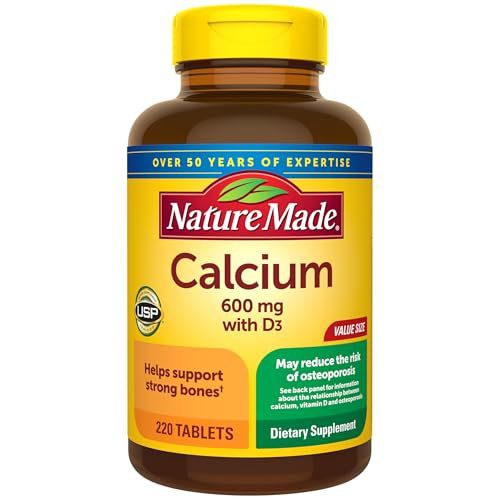
Nature Made Calcium 600 mg with Vitamin D3, Dietary Supplement for Bone Support, 220 Tablets
Nature Made Calcium 600 mg with Vitamin D3 Tablets provides 600 mg calcium and 400 IU vitamin D3 per tablet in a 220-tablet bottle for bone support. Vitamin D3 aids calcium absorption to help maintain strong bones and teeth as part of a balanced diet. USP verified for quality; consult a physician if taking medications due to potential interactions.
Some food-drug and drug-nutrient interactions are famous (grapefruit). Others are quiet but common (minerals blocking absorption). The good news: many are manageable once you know which lever to pull – timing, consistency, or monitoring.
A practical review in Frontiers in Pharmacology emphasizes that the most frequent clinically significant issues involve changes in drug bioavailability. That means the same dose can act weaker (treatment failure) or stronger (side effects).
High-alert examples (with what to do)
Visual: “High-alert” interaction table
| Medication or class | Nutrient/food | What can happen | Practical step |
|---|---|---|---|
| Warfarin | Vitamin K-rich foods | Reduced anticoagulant effect if intake swings | Keep vitamin K intake consistent; don’t yo-yo |
| Levothyroxine | Calcium, iron, high-fiber meals, some juices | Delayed or reduced absorption | Take on empty stomach; separate minerals 4 hours |
| Certain antibiotics (tetracyclines, fluoroquinolones) | Dairy, calcium, magnesium, iron, zinc | Mineral binding lowers absorption | Separate by several hours (follow label) |
| PPIs (long-term) | Vitamin B12 (and possibly vitamin C) | Lower status over time | Discuss monitoring; prioritize food sources |
| Theophylline | Caffeine | Higher side effect risk | Keep caffeine consistent; ask clinician |
Warfarin and vitamin K is the classic example because warfarin works by interfering with vitamin K-dependent clotting factor activation. A nutrition-drug overview in Frontiers in Nutrition explains why sudden increases in vitamin K intake can blunt warfarin’s effect.
Grapefruit is not just “a fruit” for some prescriptions
Grapefruit (and a few relatives like Seville orange, pomelo, and star fruit) can inhibit CYP3A4, a major drug-metabolizing enzyme. When that enzyme is inhibited, drug levels can rise unexpectedly for certain medications. The mechanism and clinical relevance are summarized in the Frontiers in Pharmacology review.
Actionable takeaway: If your prescription label warns about grapefruit, treat it like a real interaction, not a trivia fact. Ask your pharmacist whether “small amounts” are safe for your specific drug.
When food helps instead of hurts
Not all food-drug interactions are negative. Some drugs absorb better with meals, especially if they are fat-soluble or irritating on an empty stomach. The key is to follow the specific instructions for that medication, not a one-size-fits-all rule.
If you’re trying to build a schedule that reduces collisions, the Supplement Timing Optimizer can help you map “empty stomach” vs “with food” items in a realistic day.
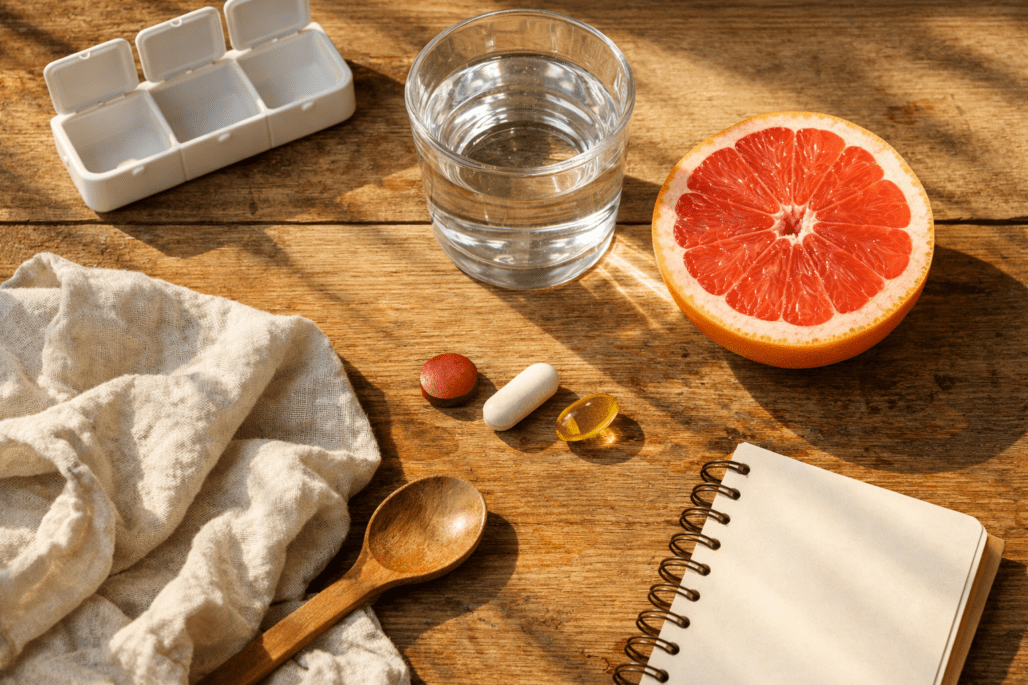
Mineral and vitamin competition: common supplement combinations that backfire
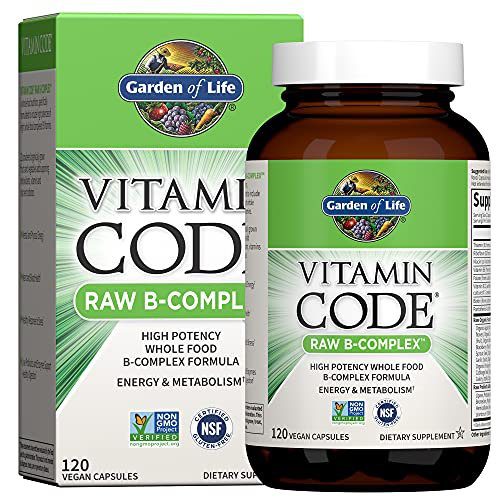
Garden of Life Vitamin B Complex, 120 Vegan Capsules, High Potency Vitamins for Energy & Metabolism with B6, Folate & B12 as Methylcobalamin Plus Probiotics
This Garden of Life Vitamin B Complex provides high potency B vitamins including B6, folate, and B12 as methylcobalamin in 120 vegan capsules, plus probiotics, making it relevant for nutrient interactions that impact energy and metabolism. It aligns with the guide by delivering B vitamins that medications can affect. The whole food base with fruits and vegetables supports absorption in this context.
A lot of “nutrient interactions” happen even without medications. The supplement aisle encourages stacking, but the gut has limited transport capacity. Some nutrients share absorption pathways, and some compete directly.
A consumer-friendly overview from Oklahoma State University Extension highlights a key point: in large amounts, vitamins and minerals can act more like drugs, increasing the chance of interactions and adverse effects.
The big three mineral rivalries
Visual: Mineral competition cheat sheet
| Nutrient | Competes most with | Why it matters | Better approach |
|---|---|---|---|
| Iron | Calcium, zinc | Reduced iron absorption | Take iron away from minerals and coffee/tea |
| Zinc (high dose) | Copper, iron | Copper deficiency risk over time | Use balanced formulas or add copper if prescribed |
| Calcium | Iron, magnesium (sometimes) | Can reduce absorption when taken together | Split doses, especially if using higher amounts |
Practical timing idea (simple, not perfect):
- Morning: iron (if prescribed) with vitamin C-rich food
- Evening: calcium or magnesium with dinner
- Zinc: with food if it upsets your stomach, but avoid pairing with iron
If you’re already taking blood pressure medication and adding minerals, read magnesium and blood pressure medication interactions before increasing magnesium.
Vitamin K and anticoagulants: consistency beats avoidance
People often hear “avoid leafy greens” while on warfarin. That advice can backfire because it lowers diet quality and makes intake inconsistent. What tends to work better is keeping vitamin K intake steady week to week, then letting the clinician adjust the warfarin dose accordingly.
Actionable takeaway: Don’t fear salads. Fear sudden changes.
PPIs and B vitamins: a slow-burn interaction
Long-term acid suppression can reduce absorption of certain nutrients, notably vitamin B12 (and potentially vitamin C status). The DSM monograph on drug-nutrient interactions discusses how chronic therapies can contribute to deficiency risk in susceptible people.
What to do:
- If you’ve used PPIs for months or years, ask whether B12 monitoring makes sense.
- Prioritize B12-rich foods (fish, dairy, eggs, fortified foods) unless you’re vegan or have absorption issues.
- Don’t self-prescribe high-dose supplements without checking your full stack.
For more broad examples across common meds and supplements, see Ultimate Drug Supplement Interactions.
How to manage nutrient interactions in real life (without obsessing)
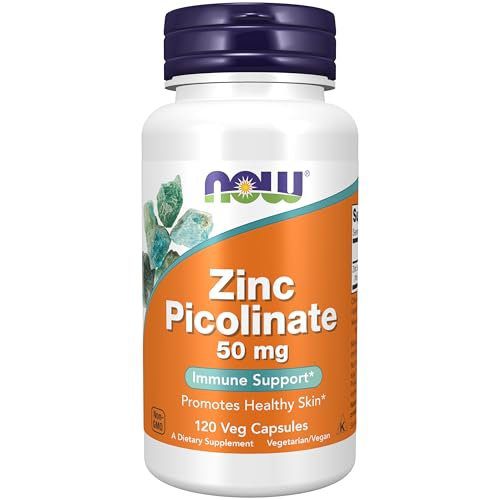
NOW Foods Supplements, Zinc Picolinate 50 mg, Supports Enzyme Functions*, Immune Support*, 120 Veg Capsules (Packaging may vary)
Zinc is mentioned in the article as a mineral that can interact with others, making this NOW Foods Zinc Picolinate 50 mg product a suitable recommendation. It delivers 50 mg zinc picolinate per veg capsule in a 120-capsule bottle, supporting enzyme functions and immune health. Take 1 capsule daily with a meal as directed.
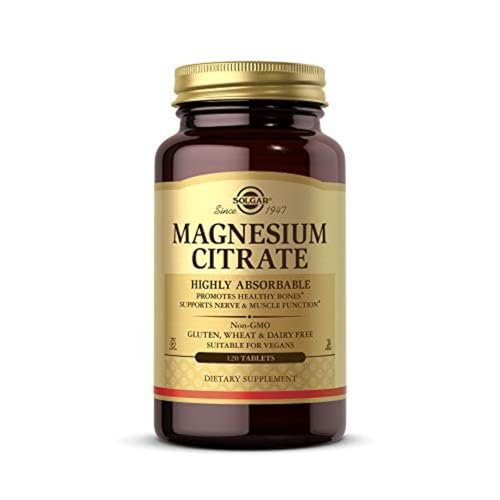
Solgar Magnesium Citrate, 120 Tablets – Promotes Healthy Bones – Supports Nerve & Muscle Function – Non GMO, Vegan, Gluten Free, Dairy Free, Kosher – 60 Servings, Standard Packaging
Solgar Magnesium Citrate, 120 Tablets delivers magnesium citrate in a highly absorbable form across 60 servings of two tablets each, formulated to promote healthy bones, support nerve and muscle function, and suitable for vegan, gluten-free, dairy-free, kosher, and non-GMO diets. This reputable brand’s citrate version aids multiple body systems including heart and energy levels. Consult a healthcare provider before use, as with any supplement.
Most people don’t need a complicated spreadsheet. What they need is a repeatable routine and a short list of “must-separate” items.
The science is clear on one practical point: many absorption issues improve with smart administration timing. The Frontiers in Pharmacology review notes that food can meaningfully change absorption for certain drugs, sometimes lowering exposure and sometimes increasing it.
Step 1: Sort everything into 3 timing buckets
Visual: Timing buckets
Empty stomach items (often better absorbed alone)
Examples: levothyroxine; some osteoporosis meds; some antibiotics (drug-specific)With food items (better tolerated or absorbed with meals)
Examples: fat-soluble vitamins (A, D, E, K) often do better with dietary fat; some meds require foodMust-separate items (avoid taking together)
Examples: iron with calcium/magnesium/zinc; certain antibiotics with dairy/minerals
Actionable takeaway: If you only fix one thing, fix the “must-separate” collisions.
Step 2: Use consistency to reduce surprises
Diet composition can change enzyme activity involved in drug metabolism. For example, dietary patterns can influence cytochrome activity, which is one reason the same dose can feel different after major diet changes. A review in Frontiers in Nutrition discusses how diet and body composition relate to drug biotransformation pathways.
Practical examples of consistency that help:
- Keep caffeine intake steady if you take stimulant-like meds.
- Avoid sudden grapefruit “health kicks” without checking your prescriptions.
- If you start a high-fiber diet, monitor drugs that are sensitive to absorption changes.
Step 3: Know when to ask for help (and what to bring)
Bring this short list to your pharmacist or clinician:
- Your full medication list (including OTC pain relievers)
- Your full supplement list with doses (multivitamins count)
- How you take them (morning vs night, with food vs empty stomach)
- Any symptoms: fatigue, bruising, palpitations, reflux rebound, GI changes
If you want a quick first pass before your appointment, run your list through the Drug-Supplement Interaction Checker.
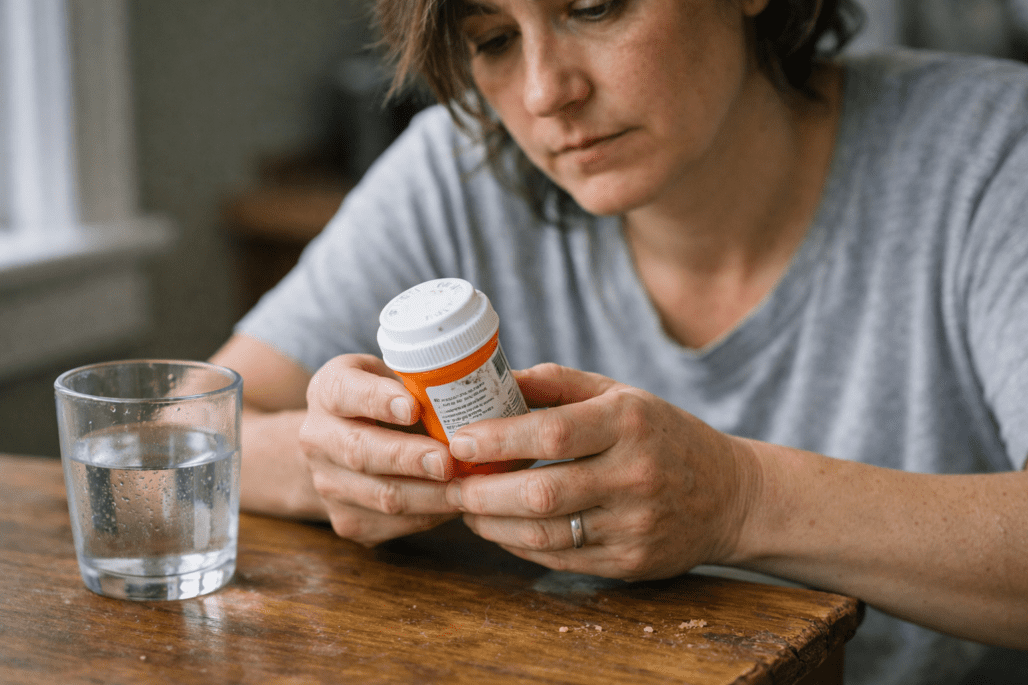
If you take several supplements with prescription medications, StackMyMed (our companion app) scans each label and checks your full stack for conflicts, so a risky combination is easier to catch before you take it. Always confirm anything it flags with your doctor or pharmacist.
Conclusion: the safest approach is simple and consistent
Nutrient interactions can look complicated, but most come down to a few repeatable patterns: competition in absorption, enzyme effects, and a handful of high-alert food-drug pairs like grapefruit and certain prescriptions. The practical win is avoiding “timing collisions,” keeping vitamin K intake steady if you’re on warfarin, and being cautious with high-dose single minerals like zinc or iron.
Next step: build a routine you can follow for weeks, not days. Then sanity-check it with the Supplement Timing Optimizer and scan your stack with the Ultimate Drug Supplement Interactions guide.
As an Amazon Associate, I earn from qualifying purchases. Product recommendations are based on real reviews and independent research.
