
If you’re wondering whether supplement timing really matters, the short answer is yes – it can affect absorption, side effects, and the risk of supplement-drug interactions. The tricky part is that “best time to take supplements” depends on what you take, what you eat, and what medications you’re on. This guide breaks down a simple, science-informed way to build a schedule you can actually follow, including spacing rules (like iron vs calcium), meal-based strategies for fat-soluble nutrients, and a safety checklist for anyone juggling prescriptions.
Affiliate disclosure: this article contains affiliate links. As an Amazon Associate, UsefulVitamins.com earns from qualifying purchases at no extra cost to you.
Summary / Quick Answer: How to get supplement timing right
The best supplement timing is the schedule you can follow consistently while avoiding known absorption conflicts and medication interactions.
Use these quick rules as a starting point:
- Take fat-soluble supplements with a meal that contains fat (examples: vitamins D3 and K2, fish oil, resveratrol).
- Take magnesium in the evening if it supports sleep or relaxation (many people tolerate it best then).
- Separate “competing” minerals by at least 2 hours (common pairs: iron vs calcium, iron vs magnesium, calcium vs zinc).
- Be extra cautious if you take 5+ medications – polypharmacy increases interaction risk.
- Tie doses to habits (breakfast, brushing teeth, dinner) and use reminders or a pill organizer.
A simple baseline schedule is: morning meal for fat-solubles and a multivitamin, afternoon for “spaced” minerals if needed, evening for magnesium or sleep supports.
Why supplement timing matters more than most people think
Most people don’t fail with supplements because they picked the “wrong” product. They fail because the routine is confusing, inconsistent, or accidentally creates conflicts.
That’s especially true in households where supplements sit next to prescription bottles. In the U.S., polypharmacy is common – about 15% of adults take five or more medications, and that number rises to roughly 42% in adults 65 and older, increasing the odds of interactions and scheduling mistakes according to a report summarized by WorldHealth.net on U.S. polypharmacy trends. When you add vitamins, minerals, herbals, and OTC meds, “just take it daily” stops being practical advice.
What timing changes in the real world
Here’s what timing can influence:
- Absorption: Some nutrients need fat, stomach acid, or specific transporters.
- Tolerance: Iron can cause nausea; magnesium can loosen stools; fish oil can repeat.
- Competition: Minerals can compete for absorption (think of them as trying to use the same doorway).
- Medication interactions: Some supplements change how drugs are absorbed or metabolized.
Visual: Timing factors that most often cause problems
| Issue | What it looks like | Common culprits | Simple fix |
|---|---|---|---|
| Fat-dependent absorption | “My vitamin D isn’t budging” | D3, K2, omega-3s, resveratrol | Take with a meal containing fat |
| Mineral competition | Low ferritin despite iron | Iron + calcium/magnesium/zinc | Separate by 2+ hours |
| GI side effects | Nausea, reflux, loose stools | Iron, magnesium, fish oil | Take with food or change timing/form |
| Complex routines | Missed doses, double-dosing | Multiple meds + supplements | Link to habits + use reminders |
Actionable takeaway: before you buy anything new, write down everything you already take (prescriptions, OTCs, supplements) and decide what must be separated by time. If you want a structured way to do that, use the Supplement Timing Optimizer as a planning tool.
Supplement timing for absorption: meals, fats, and spacing rules
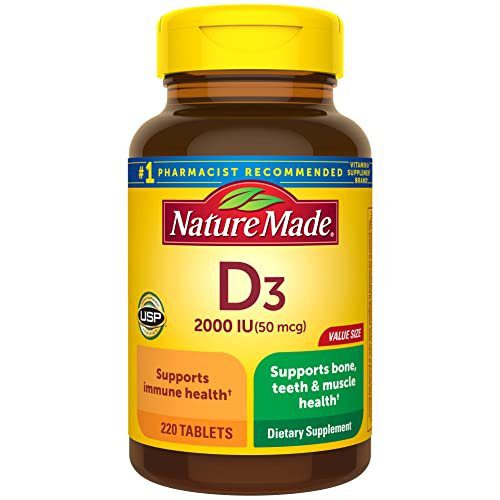
Nature Made Vitamin D3 2000 IU (50 mcg), Vitamin D Supplement for Bone, Teeth, Muscle and Immune Health Support, 220 Tablets, 220 Day Supply
This Nature Made Vitamin D3 2000 IU (50 mcg) tablet is a fat-soluble vitamin supplement that should be taken with a meal containing fat, aligning with the article’s advice on supplement timing. It provides 220 tablets for a 220-day supply at one tablet daily with water and a meal, supporting bone, teeth, muscle, and immune health.
Absorption is where most timing advice actually has evidence behind it. It’s less about “morning vs night” and more about whether the supplement is taken with food, with fat, or away from competing nutrients.
A helpful example: many adults use supplements to fill gaps. NHANES-based summaries suggest fewer than half of U.S. adults meet magnesium Estimated Average Requirements from diet, and omega-3 intake (EPA + DHA) is often far below common targets, according to a 2026 routine-building overview from MegaFood’s supplement routine guide. If you’re supplementing because your diet comes up short, timing becomes the lever that helps you actually absorb what you pay for.
1) Fat-soluble supplements: take with fat, not just “with food”
Fat-soluble compounds absorb better when bile release is stimulated by dietary fat. Practical options include eggs, yogurt, olive oil, nuts, or salmon.
Common examples:
- Vitamin D3 (often paired with K2)
- Omega-3 fish oil
- Resveratrol (and similar polyphenols)
- Some people also time NMN with a morning routine, often alongside food
A supplement protocol breakdown from BodySpec’s 2026 overview of David Sinclair’s routine highlights this “with fat” approach for compounds like resveratrol, while also emphasizing that personalized protocols are not a substitute for medical oversight.
2) Minerals: the 2-hour spacing rule solves many issues
Minerals can compete for absorption, especially at higher supplemental doses. The cleanest strategy is to separate the biggest “competitors” by at least 2 hours.
Common spacing pairs:
- Iron away from calcium and magnesium
- Calcium away from iron and sometimes zinc
- Thyroid medication away from iron and calcium (timing matters a lot here)
If you take thyroid meds, don’t guess. Use this specific guide: Iron Thyroid Medication Timing.
3) With meals vs empty stomach: default to “with meals” unless directed
Many supplements are easier on the stomach with food, and meal-based timing improves consistency.
Better with meals for many people:
- Multivitamins
- Zinc (often nauseating on an empty stomach)
- Fish oil
- Vitamin D
Often better on an empty stomach (but individual tolerance varies):
- Some probiotics
- Some amino acids
If you’re combining probiotics with antibiotics, timing is not optional. Follow a spacing plan like the one in Probiotics Antibiotic Timing.
Visual: A simple “absorption-first” timing template
| Time window | What to place here | Why |
|---|---|---|
| Breakfast (with fat) | D3/K2, omega-3, resveratrol, multivitamin | Fat improves absorption; habit-based |
| Midday | Iron (if needed) | Easier to separate from other minerals |
| Dinner | Calcium (if used), some meds | Reduces conflicts with iron |
| Evening | Magnesium, melatonin (if used) | Often best tolerated; sleep support |
Actionable takeaway: if you change only one thing, take fat-soluble supplements with a fat-containing meal and separate iron from calcium and magnesium.
Medication interactions and supplement timing: a safety-first checklist

Garden of Life Once Daily Dr. Formulated Probiotics for Women 50 Billion CFU 16 Probiotic Strains with Organic Prebiotics for Digestive, Vaginal & Immune Health, Dairy Free, Shelf Stable 30 Capsules
Garden of Life Once Daily Dr. Formulated Probiotics for Women delivers 50 billion CFU from 16 strains plus organic prebiotics in 30 shelf-stable vegetarian capsules, targeted at digestive, vaginal, and immune health. Take one capsule daily with or without food for consistent use, as there’s no strict timing rule—pair it with meals if that helps you remember in your supplement routine.
The biggest risk with supplement timing isn’t that you “waste” a capsule. It’s that you accidentally change how a medication works.
Pharmacists see this often: people add magnesium for sleep, turmeric for pain, or berberine for blood sugar – without realizing their prescription list already has narrow timing requirements. A practical medication routine guide from Chesapeake Rx’s pharmacist-led tips emphasizes reviewing every prescription, OTC, and supplement together to reduce confusion and prevent avoidable interactions.
What to do before adjusting your schedule
If you take prescription meds (especially blood thinners, diabetes drugs, thyroid meds, or immunosuppressants), use this checklist:
- Make a single list of everything you take (include dose and time).
- Flag “high-risk” categories: anticoagulants, blood pressure meds, diabetes meds, thyroid meds, seizure meds.
- Ask a pharmacist to review the whole list, not just one product.
- Avoid stacking “similar effects” without supervision (example: multiple blood-sugar-lowering supplements plus medication).
- Plan lab follow-ups when appropriate (common examples: vitamin D, B12, ferritin, A1c).
For a deeper walkthrough of common conflicts, keep this reference handy: Ultimate Drug Supplement Interactions.
A note on “longevity stacks” and advanced protocols
You may see public figures share detailed routines that include supplements plus prescriptions. Those examples can be educational, but they can also create false confidence.
For instance, the BodySpec protocol overview describes timing choices like morning NMN and resveratrol, and evening metformin in some contexts, while also noting that combinations can require monitoring (example: methylation support like TMG is sometimes discussed alongside NMN). The key point is not to copy a stack – it’s to understand that timing decisions can change risk when drugs are involved.
Visual: Interaction risk signals that should slow you down
| If this is true… | Timing becomes more important because… | Next step |
|---|---|---|
| You take 5+ medications | Interaction risk rises with complexity | Pharmacist review + simplify schedule |
| You take thyroid meds | Absorption is sensitive to minerals | Separate iron/calcium by hours |
| You use diabetes meds | Additive effects may cause lows | Monitor glucose, discuss with clinician |
| You have kidney or liver disease | Clearance and electrolyte balance change | Medical supervision before supplementing |
Actionable takeaway: treat supplement timing as part of your medication safety plan, not just a wellness habit.

Building a routine that sticks: a step-by-step timing plan (with examples)
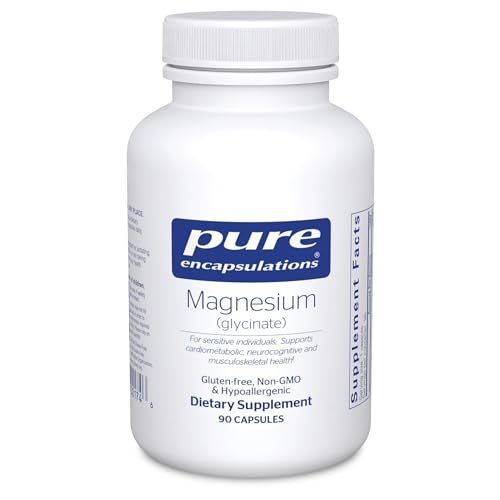
Pure Encapsulations Magnesium (Glycinate) – Supplement to Support Stress Relief, Sleep, Heart Health, Nerves, Muscles, and Metabolism* – with Magnesium Glycinate – 90 Capsules
Pure Encapsulations Magnesium (Glycinate) comes as 90 capsules of magnesium glycinate, a form that’s highly absorbable and gentle on the stomach. It’s relevant for evening use to support relaxation and sleep, as noted in the medication and supplement timing guide. Take 1 capsule (120 mg) with food or 30-60 minutes before bed.
A perfect schedule that you can’t follow is worse than a simple schedule you follow 90% of the time. The goal is to reduce decision fatigue.
One reason routines are getting more attention is cost pressure and self-management. Medicare’s standard drug benefit design changes in 2026 include an out-of-pocket cap, described in the official Medicare and You handbook. As patients try to manage prescriptions and supplements together, organization matters.
Step 1: Start with baseline tests (when appropriate)
Not everyone needs labs, but testing can prevent blind dosing. Consider baseline labs if you:
- have fatigue, anemia symptoms, or restrictive diets (check ferritin, B12)
- supplement vitamin D regularly (check 25(OH)D after a few months)
- take long-term medications that affect nutrients (ask your clinician what applies)
Many clinicians recheck key markers after 8-12 weeks when adjusting doses, a practical monitoring cadence echoed in a supplement routine ruleset from Precimax’s 2026 supplement guide.
Step 2: Build “anchors” (morning and evening)
Anchors are habits you already do. Examples:
- Morning: coffee, breakfast, brushing teeth
- Evening: dinner, setting out clothes, charging phone
Attach supplements to anchors:
- Morning meal: multivitamin, vitamin D, omega-3
- Evening: magnesium or other sleep supports if appropriate
If collagen is part of your plan, timing depends on your goal (skin vs training vs gut comfort). See Best Time To Take Collagen for a targeted breakdown.
Step 3: Add “spaced” items only if needed
Only add a midday dose if you truly need spacing (iron is the most common reason). Otherwise, keep it simple.
A practical layering approach:
- Week 1-2: morning basics (D, omega-3, multi if used)
- Week 3-4: add goal-specific supplement (magnesium at night, creatine anytime, etc.)
- Week 5+: add “spaced” mineral (iron) only if labs or clinician guidance supports it
Visual: Example schedules (simple vs complex)
| Schedule type | Morning | Midday | Evening |
|---|---|---|---|
| Simple (most people) | D3 + omega-3 with breakfast | Optional | Magnesium after dinner |
| Iron-focused | D3 + omega-3 with breakfast | Iron (away from calcium/magnesium) | Magnesium (separate from iron) |
| Multi-med routine | Supplements that don’t conflict | Only if required | Meds timed to dinner/bed |
Actionable takeaway: aim for two daily dosing moments (morning and evening). Add a third only when spacing rules force it.
Common supplement timing mistakes (and what to do instead)
Most timing mistakes are predictable. They happen when people copy someone else’s routine, assume “natural means safe,” or stack too many things at once.
Mistake 1: Taking fat-solubles without fat
If you take D3, K2, or fish oil with black coffee and a rice cake, don’t be surprised if results disappoint.
Do instead:
- Take them with a meal that includes fat (even 10-15 g helps many people).
- If mornings are low-fat, move them to lunch or dinner.
Mistake 2: Combining iron with calcium or magnesium
This is one of the most common “why isn’t my iron working?” scenarios.
Do instead:
- Take iron at a separate time window.
- Pair iron with vitamin C-containing food if tolerated.
- Use the detailed spacing guidance in Iron Thyroid Medication Timing if thyroid meds are involved.
Mistake 3: Assuming supplements can replace food or medications
Supplements can help fill gaps, but they don’t replace dietary patterns or prescribed treatment plans. This is where timing can create a false sense of control: a perfect schedule won’t compensate for the wrong intervention.
Do instead:
- Treat supplements as add-ons to a food-first plan.
- Review your full list annually with a pharmacist, as suggested in Chesapeake Rx’s medication routine tips.
Mistake 4: Expecting instant results
Some effects are quick (GI changes, sleep changes), but lab markers often move slower. Many practical protocols suggest rechecking key labs after 8-12 weeks, similar to the tracking approach discussed in Precimax’s supplement rules guide.
Do instead:
- Track 1-2 outcomes at a time (sleep quality, energy, GI tolerance).
- Reassess every 6-8 weeks, and adjust one variable at a time.
Visual: “If-then” fixes for common timing problems
| Problem | Likely cause | Fix |
|---|---|---|
| Fish oil repeats | Taken without enough food | Take with a full meal |
| Iron makes you nauseated | Empty stomach dosing | Take with a small snack, still spaced from calcium |
| Magnesium causes loose stools | Dose too high or wrong form | Reduce dose, split, or change form with clinician input |
| Missed doses | Too many time windows | Collapse to morning + evening anchors |
Actionable takeaway: when something isn’t working, don’t add more. First, change timing, spacing, or consistency.

Juggling supplements alongside medications? Our companion app, StackMyMed, flags potential interactions across your whole stack with source-backed warnings and spaces doses that should not overlap — a prompt to confirm with your pharmacist, not a replacement for one.
Conclusion
Good supplement timing is mostly about three things: taking fat-solubles with fat, separating competing minerals by a couple of hours, and treating supplements as part of your medication safety plan. That matters even more if you’re managing multiple prescriptions, where a simple scheduling mistake can create real problems.
Next step: map your current routine in one list, then run it through the Supplement Timing Optimizer to spot conflicts. If you want to go deeper on specific scenarios, the most common sticking points are covered in Ultimate Drug Supplement Interactions and Probiotics Antibiotic Timing.
Recommended Products
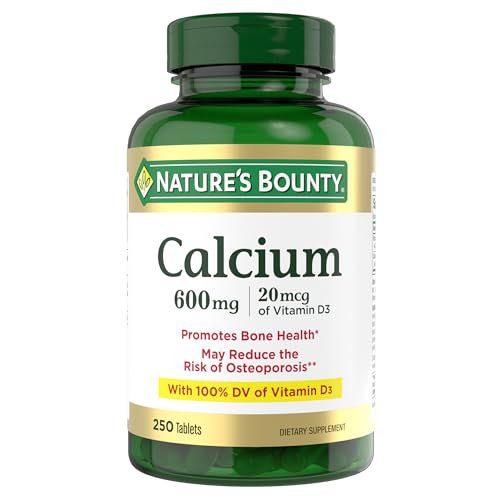
Nature’s Bounty Calcium Carbonate & Vitamin D, Supports Immune Health & Bone Health, 600mg Calcium & 800IU Vitamin D3, 250 Tablets
This Nature’s Bounty Calcium Carbonate & Vitamin D supplement is relevant to the article’s discussion on medication and supplement timing, particularly spacing calcium from other minerals it can block like iron or magnesium. Each tablet delivers 600mg calcium and 800IU vitamin D3 in a 250-tablet bottle, supporting bone and immune health as claimed. Take with consideration for meal timing to optimize absorption without interference.
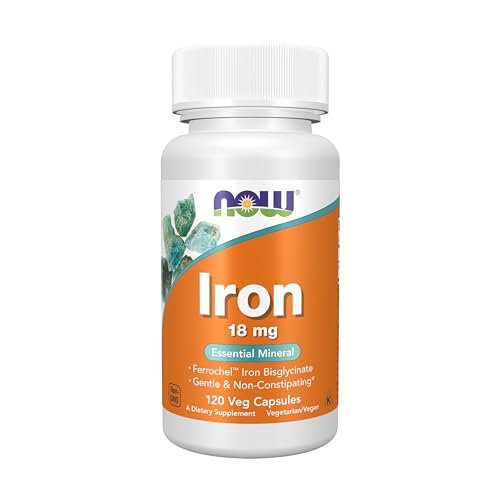
NOW Foods Supplements, Iron 18 mg, Non-Constipating*, Essential Mineral, 120 Veg Capsules
NOW Foods Iron 18 mg uses Ferrochel Iron Bisglycinate in 120 veg capsules, a form described by the manufacturer as gentle and non-constipating for better absorption than typical iron supplements. User reviews on sites like iHerb and Walmart note it helps with tiredness and anemia without digestive upset, though no Amazon product page or ASIN appears in search results, limiting full recommendation data. Lacks third-party testing confirmation or verified pricing in available sources.
As an Amazon Associate, I earn from qualifying purchases. Product recommendations are based on real reviews and independent research.
