
Creatine is one of the few sports supplements with decades of consistent results – but picking from the best creatine monohydrate supplements can still feel messy. Powders, capsules, “advanced” blends, third-party seals, micronized labels, and wildly different prices all compete for your attention. This article breaks down what actually matters for strength and muscle gain, how to spot quality (without overpaying), and which product types fit different goals. You will also get practical dosing, safety notes, and simple shortcuts for choosing a reliable tub you will actually use.
Summary / Quick Answer: Best Creatine Monohydrate Supplements
The best creatine monohydrate supplements are plain creatine monohydrate (ideally micronized), dosed at 3-5 g daily, with clear labeling and preferably third-party testing.
Quick picks by “best for”
- Best overall value (powder): Micronized creatine monohydrate with a low cost per 3-5 g serving and minimal ingredients
- Best for tested sport (athletes): Creatine with Informed Sport or NSF Certified for Sport testing
- Best for convenience: Capsules or tablets if you will not consistently mix powders
- Best for people who want a blend: Creatine + add-ons (like HMB or peptides) only if the full doses are disclosed
Fast buying checklist
- 1 ingredient: “creatine monohydrate”
- 3-5 g per serving (or easy to measure)
- Batch testing or reputable certification
- No “proprietary blend” dosing
What to Look for in the Best Creatine Monohydrate Supplements (Quality Checklist)
Most people do not need a “fancy” creatine. They need a consistent daily dose from a clean product that mixes well and fits their routine. Research has repeatedly found creatine monohydrate supports strength and lean mass when paired with resistance training, which is a big reason it remains the default choice in evidence-based sports nutrition. For a research overview and practical context, see the International Society of Sports Nutrition position stand on creatine supplementation.
Here is what separates a solid pick from a frustrating one.
The 5-point quality checklist (use this in 30 seconds)
- Form: “Creatine monohydrate” on the label
- Dose: 3-5 g per serving (or a scoop size you can measure accurately)
- Purity: Prefer third-party testing (Informed Sport, NSF Certified for Sport) or transparent COAs
- Mixability: “Micronized” often dissolves better, especially in cold water
- Additives: Unflavored and minimal extras reduce GI surprises and simplify stacking
Why third-party testing matters (especially for athletes)
If you compete in tested sport, contamination risk matters more than flavor. Certifications such as Informed Sport or NSF Certified for Sport indicate screening for banned substances and common contaminants. This is why some premium products cost more – you are paying for testing and traceability, not better “absorption.”
Visual: quick label scan (save this)
Green flags
- Creatine monohydrate only
- Clear serving size and grams per scoop
- Batch testing or sport certification
- Simple instructions: 3-5 g daily
Yellow flags
- “Proprietary matrix” without grams listed
- Huge serving sizes with lots of fillers
- Claims of “no loading needed” as a selling point
Red flags
- No ingredient amounts
- Unverified “clinical strength” claims with no data
- Mega-doses that do not match common evidence-based protocols
Actionable takeaway: If you want the simplest “set and forget” option, choose a plain micronized creatine monohydrate powder from a brand that shows testing and provides a true 3-5 g serving.
Best Creatine Monohydrate Supplements by Use Case (Value, Tested Sport, Convenience, Blends)
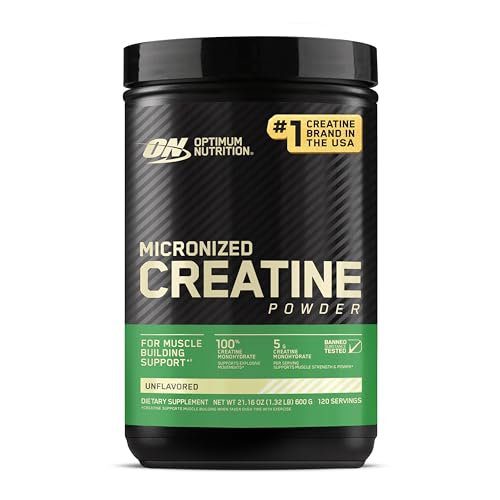
Optimum Nutrition Micronized Creatine Monohydrate Powder, Unflavored, 120 Servings, 600 Grams (Packaging May Vary)
Optimum Nutrition Micronized Creatine Monohydrate Powder is an unflavored option with 120 servings in a 600-gram container, delivering 5 grams of creatine monohydrate per serving. This micronized powder aligns with recommendations for a straightforward, pure creatine supplement suitable for muscle growth support. It mixes into shakes without changing flavor, though some note incomplete dissolving.
Most “best of” lists fail because they assume everyone wants the same thing. In reality, your best choice depends on one constraint: budget, sport testing, convenience, or interest in add-ons. Below is a practical way to match a product type to your situation, using real market examples from established reviews and brand information such as BBC Good Food’s creatine supplement roundup and Men’s Health testing and editor picks. (Those sources focus on consumer selection rather than replacing clinical research.)
Visual: “Which type should I buy?” table
| Your priority | Best format | What to buy | What to avoid |
|---|---|---|---|
| Lowest cost per dose | Powder | Unflavored micronized creatine monohydrate | Small tubs with high price per serving |
| Tested sport | Powder or capsules | Informed Sport or NSF Certified for Sport creatine | Uncertified products if you are drug-tested |
| Convenience | Capsules/tablets | Pre-measured creatine monohydrate | Under-dosed capsules (too many pills for 3-5 g) |
| Extra ingredients | Blend | Creatine + disclosed doses of add-ons | Proprietary blends or vague “pump” mixes |
Examples of strong category fits (from the draft market scan)
- Value-focused powders: Products positioned as low cost per serving (for example, WeightWorld’s micronized powder highlighted in the BBC Good Food roundup) can be a smart choice if the label is simple and dosing is clear.
- Third-party tested options: Brands like Onnit and Elite All Blacks are often discussed for Informed Sport testing in consumer reviews, which can matter most for competitive athletes.
- Budget beginner picks: Entry-level options like GNC’s basic creatine monohydrate are frequently listed as “best value” style choices in brand education content such as the GNC creatine guide.
- Blends and specialty formulas: Some products combine creatine with HMB or peptides. These may be reasonable if you understand what each ingredient does and the doses are fully stated. If not, plain creatine is the safer bet.
Actionable takeaway: Decide your “non-negotiable” first. If you are drug-tested, buy certified. If you are cost-sensitive, buy powder. If you are inconsistent, buy capsules.
How to Take Creatine Monohydrate for Muscle and Strength (Dose, Loading, Timing)
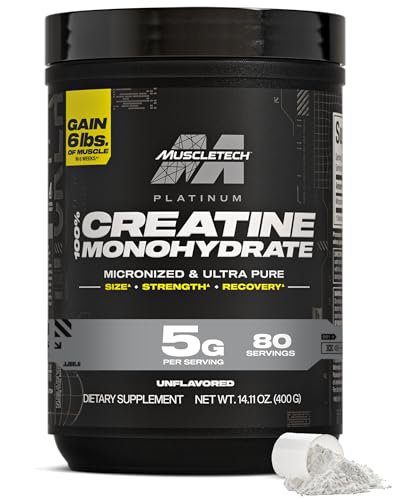
MuscleTech Creatine Monohydrate Powder, Platinum Pure – Unflavored Micronized Creatine for Men & Women – Workout Supplements for Performance, Muscle Recovery & Builder-(80 Servings) Packaging May Vary
MuscleTech Platinum Pure Creatine Monohydrate Powder is a straightforward micronized creatine delivering 5g per serving in an unflavored form, suitable for men and women supporting workout performance, muscle recovery, and building. It provides 80 servings with no fillers or additives, mixing well for daily use. This is a dependable mainstream option that sticks to the basics without extras.
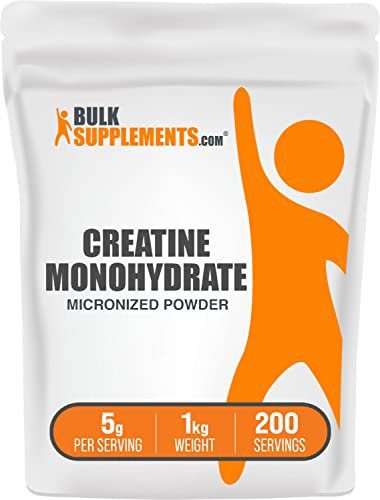
BulkSupplements.com Creatine Monohydrate Powder – Micronized Creatine Powder, Unflavored – Pure & Gluten Free, 5g (5000mg) per Servings, 1kg (2.2 lbs) (Pack of 1)
This is a no-frills micronized creatine monohydrate powder from BulkSupplements, delivering 5g per serving (two teaspoons) in a 1kg unflavored pouch that’s pure and gluten free. It fits the criteria for straightforward muscle growth support with no additives or fillers. Micronized particles mix better than standard creatine, though some note a slight aftertaste or stirring needed.
The biggest mistake with creatine is not the brand – it is inconsistency. Creatine works by saturating muscle stores over time. That is why the simplest plan often beats the “perfect” plan you cannot stick to.
A widely used evidence-based approach is:
- 3-5 g daily (most people)
- Take it every day, not only training days
- Pair it with a progressive lifting plan and adequate protein
This aligns with guidance summarized in the ISSN position stand on creatine, which notes creatine monohydrate is effective for increasing intramuscular creatine stores and supporting performance in high-intensity exercise.
Loading phase: necessary or optional?
Loading is a shortcut, not a requirement.
Two common protocols
- No loading: 3-5 g daily
- Simpler
- Saturation typically occurs over several weeks
- Loading: ~20 g/day split into 4 doses for 5-7 days, then 3-5 g/day
- Faster saturation
- More likely to cause GI upset for some people
If you have a sensitive stomach, skip loading and just take the daily dose.
Timing: before or after workout?
Timing matters less than consistency. Still, many people find it easiest to attach creatine to an existing habit, like a post-workout shake or breakfast. If you want a structured approach, use the site’s supplement timing optimizer to anchor creatine to a routine you already follow.
Visual: simple “set it and forget it” plan
Beginner plan (most people)
- Dose: 3-5 g creatine monohydrate daily
- When: same time daily (with any meal or shake)
- Fluids: drink normally, aim for pale-yellow urine most days
- Track: body weight weekly, gym performance, and tolerance
Actionable takeaway: Pick a daily trigger (coffee, breakfast, post-workout). If you miss the trigger, take it later that day. Consistency beats timing.
Safety, Side Effects, and Who Should Be Cautious
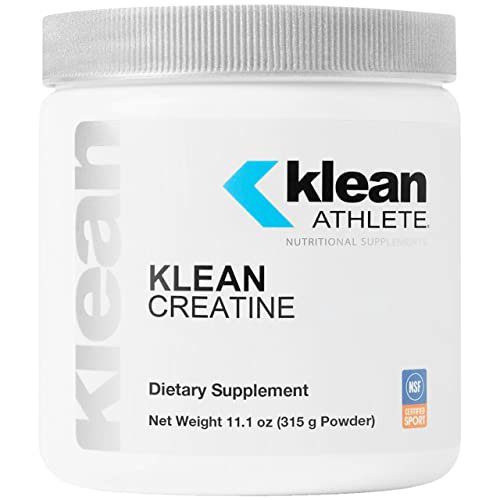
Klean Athlete Klean Creatine – Supports Muscle Strength, Performance & Recovery from Strenuous Exercise* – NSF Certified for Sport – 11.1 Ounces – Unflavored
Klean Creatine is a straightforward creatine monohydrate powder with 5 grams per scoop, NSF Certified for Sport to verify purity and the absence of banned substances. It’s formulated to support muscle strength and performance during high-intensity exercise, with no added ingredients beyond creatine monohydrate itself.
Creatine monohydrate is one of the most studied performance supplements, and research in healthy adults generally supports its safety when used at standard doses. Still, “safe for most” is not the same as “safe for everyone,” and smart use means knowing what is normal versus what is a red flag.
Common side effects (and what to do)
1) Scale weight gain Many people gain 1-3 lb (0.5-1.5 kg) early on. This is often water stored in muscle, not fat. If your sport is weight-class based, plan for this.
2) GI upset More likely with loading or large single doses. Fix it by:
- Taking smaller doses (3-5 g)
- Splitting doses if needed
- Mixing thoroughly and drinking it right away
3) Cramps and dehydration concerns Older myths suggested creatine causes cramps or dehydration. Broader reviews in athletic populations have not consistently supported that claim when hydration is adequate. A practical approach is to keep fluid intake steady and avoid aggressive loading if you are cramp-prone.
Who should talk to a clinician first?
- People with kidney disease or a history of kidney issues
- Those taking medications that affect kidney function
- Anyone who is pregnant or breastfeeding (limited performance-supplement data)
- Teens: creatine is used in some youth athlete contexts, but it should be supervised
For supplement safety basics, the NIH Office of Dietary Supplements guidance on dietary supplements is a good reference point for evaluating claims and risks.
Visual: “Normal vs stop and reassess” checklist
Usually normal
- Mild water-weight increase
- Slight stomach discomfort that improves with smaller doses
Stop and reassess
- Persistent GI pain or diarrhea
- Swelling, unusual fatigue, or changes in urination
- Any symptom that feels new, severe, or escalating
Actionable takeaway: Most people do best with 3-5 g daily, no loading, and steady hydration. If you have kidney concerns, get personalized medical advice before starting.

Powder vs Capsules vs Tablets (and When Blends Make Sense)
Choosing a format is less about physiology and more about friction. The best supplement is the one you actually take, consistently, for months. Creatine monohydrate works when muscle stores stay topped up, so format should match your lifestyle.
Powder: best for cost and flexible dosing
Powder is usually the cheapest per gram and easiest to adjust. Micronized powders tend to mix better, especially in cold liquids.
Best for
- People who already use protein shakes
- Anyone who wants the lowest cost per serving
- Those who want to fine-tune dose (3 g vs 5 g)
Quick tip: If your scoop is 5 g but you want 3 g, use a small kitchen scale for a week. After that, you will eyeball it accurately.
Capsules/tablets: best for travel and routine
Capsules remove mixing friction, but check the math. Some products require 6-10 capsules to reach an evidence-based daily dose.
Best for
- Frequent travelers
- People who dislike gritty textures
- Anyone who wants pre-measured consistency
Blends: only worth it when dosing is transparent
Some formulas add ingredients like HMB, electrolytes, collagen, vitamin C, or peptides. These can be reasonable goals, but they also raise two issues:
- You may pay more for ingredients you do not need.
- You may get under-dosed “fairy dust” amounts.
If you want to combine supplements intentionally, it is often cleaner to buy plain creatine and follow a structured plan like this supplement stacking guide. That way, you control doses and can troubleshoot what helps.
Visual: format decision tree
- Want lowest cost? -> Powder
- Hate mixing or travel often? -> Capsules/tablets
- Compete in tested sport? -> Choose certified, any format
- Want electrolytes too? -> Consider a separate electrolyte product, or a transparent blend
Actionable takeaway: Powder wins for value and simplicity. Capsules win for compliance. Blends only win when they disclose full doses and match a specific need.
Taking this alongside other products? StackMyMed (our companion app) logs your full stack, finds the optimal timing for each dose, and flags interactions, so you are not tracking it all by hand.
Conclusion: A Simple Way to Choose and Use Creatine
The best creatine choice is usually the least complicated one: a plain, well-labeled creatine monohydrate product you will take daily. Look for 3-5 g per serving, minimal additives, and third-party testing if you compete in tested sport. After that, results come from consistency, progressive training, adequate protein, and enough total calories to support your goal.
For next steps, pair creatine with a smart overall plan using the guide to best supplements to build muscle and explore evidence-based options in athletic performance supplements.
As an Amazon Associate, I earn from qualifying purchases. Product recommendations are based on real reviews and independent research.
