
Zinc is one of those nutrients you rarely think about until something feels “off” – frequent colds, slow healing, changes in taste, or stubborn skin issues. If you’re searching for the best zinc supplements, you likely want a product that absorbs well, feels gentle on your stomach, and fits your goal (immune support, athletic recovery, or filling a dietary gap). This article breaks down which forms tend to work best, what doses make sense, how to spot quality, and when zinc can backfire – so you can choose confidently and safely.
Summary / Quick Answer
The best zinc supplements are usually chelated forms (like zinc picolinate or zinc bisglycinate) from brands that provide strong quality controls and appropriate dosing.
Quick picks by need (most people):
- Best absorbed, simple formula: zinc picolinate (often 15-30 mg)
- Gentle on the stomach: zinc bisglycinate/glycinate (often 15-25 mg)
- If you supplement long-term: consider zinc with copper (often 1-2 mg copper)
- Best budget option: zinc gluconate (solid, but typically less absorbable than chelates)
Fast safety rule: Aim for 15-30 mg elemental zinc/day with food. Avoid going above the adult upper limit of 40 mg/day long-term unless a clinician directs it. For colds, higher short-term dosing is sometimes used, but it should be brief and targeted.
What Zinc Does in the Body (and Who’s Most Likely to Need a Supplement)
Zinc is a trace mineral, but it has a big job list. It’s involved in hundreds of enzyme reactions tied to immune signaling, DNA and protein production, taste and smell, and tissue repair. When intake or absorption runs low, the symptoms can look vague at first – which is why zinc deficiency is often missed.
For context, the recommended dietary allowance (RDA) for adults is 11 mg/day for men and 8 mg/day for women, according to the NIH Office of Dietary Supplements zinc fact sheet. Needs rise during pregnancy and breastfeeding, and can increase with higher losses (like heavy sweating).
A common question is: “Is zinc deficiency actually common?” Globally, it can be. Dietary patterns high in phytates (found in many grains and legumes) can reduce zinc absorption, and research frequently identifies zinc inadequacy as a public health issue in certain regions and age groups. Older adults, people with GI conditions that impair absorption, and those eating mostly plant-based diets may be at higher risk.
Signs you may want to discuss zinc with a clinician
Think of these as “check engine lights,” not a diagnosis:
- Frequent infections or slow recovery from colds
- Poor wound healing
- Reduced taste or smell
- Hair shedding beyond your normal baseline
- Persistent diarrhea or digestive issues
- Dietary patterns low in zinc-rich foods (seafood, red meat, poultry)
Visual: High-risk groups and why zinc can run low
| Group | Why risk is higher | Practical next step |
|---|---|---|
| Vegetarians/vegans | Phytates can reduce absorption | Choose chelated zinc; consider food prep (soaking/fermenting) |
| Older adults | Lower intake + absorption changes | Review diet + meds; consider testing |
| GI disorders | Malabsorption risk | Clinician-guided dosing |
| Athletes/heavy sweaters | Losses through sweat | Moderate daily zinc, avoid megadoses |
If your main goal is immune resilience during colder months, pair this with your broader routine – sleep, protein, vitamin D, and hygiene still matter. Useful read: Winter Immune Support: Vitamins & Tips to Stay Healthy.
Best Zinc Supplements: Which Forms Absorb Best (and Which to Skip)
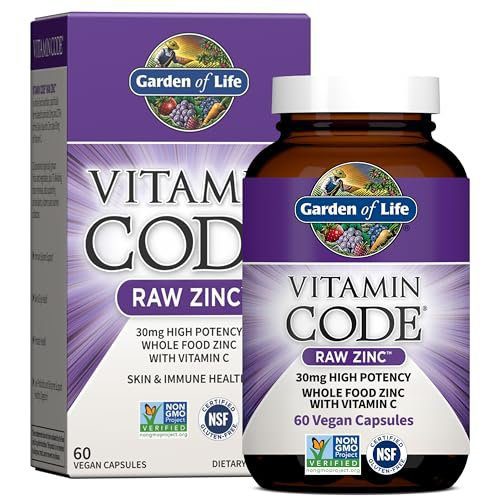
Garden of Life Zinc Supplements 30mg High Potency Raw Zinc and Vitamin C Multimineral Supplement, Vitamin Code Vitamins Trace Minerals & Probiotics for Skin Health & Immune Support, 60 Vegan Capsules
Garden of Life Vitamin Code Raw Zinc delivers 30mg of whole food zinc with 60mg vitamin C in 60 vegan capsules, including live probiotics, enzymes, and 23 organically grown fruits and vegetables for immune and skin support. It avoids high heat processing, synthetic binders, fillers, or artificial additives. This fits the focus on well-absorbed zinc supplements with added trace minerals.
If you’ve ever stood in front of a supplement shelf, you’ve seen it: picolinate, gluconate, citrate, sulfate, oxide, glycinate. They all “contain zinc,” but they don’t behave the same in the gut.
The key idea is elemental zinc vs the compound it’s attached to. Labels might list “zinc (as zinc picolinate) 15 mg.” That 15 mg is the elemental zinc you’re actually getting. The “as picolinate” part influences absorption and tolerability.
In practice, chelated forms (zinc bound to an amino acid or organic acid) tend to be preferred because they’re often better tolerated and may be better absorbed than some inorganic forms. Many evidence-based supplement guides and clinician-facing summaries commonly rate zinc picolinate and zinc bisglycinate/glycinate as strong options for day-to-day use.
The main zinc forms, simplified
| Zinc form | What it’s best for | Common downside |
|---|---|---|
| Zinc picolinate | Strong all-around choice | Can still cause nausea on an empty stomach |
| Zinc bisglycinate / glycinate | Gentle on digestion | Not every brand discloses testing |
| Zinc gluconate | Budget-friendly, common | Often lower absorption than chelates |
| Zinc citrate | Middle-ground option | Can upset some stomachs |
| Zinc sulfate | Often used in liquids/clinical settings | More GI side effects in some people |
| Zinc oxide | Cheap, common in multis | Typically poorer absorption |
How to choose based on your goal
- Daily maintenance (most adults): 15-25 mg chelated zinc
- Sensitive stomach: bisglycinate/glycinate with food
- Athletes: a moderate daily dose, quality-tested, avoid stacking multiple zinc products
- Short-term immune support: consider lozenges or short-term higher dosing, but keep it brief and avoid long-term high intake
Quality matters as much as form. Look for brands that use third-party testing and provide clear labeling. If you want a quick checklist for evaluating supplement labels and certifications, see Supplement Quality Indicators: How to Choose Safe Products.
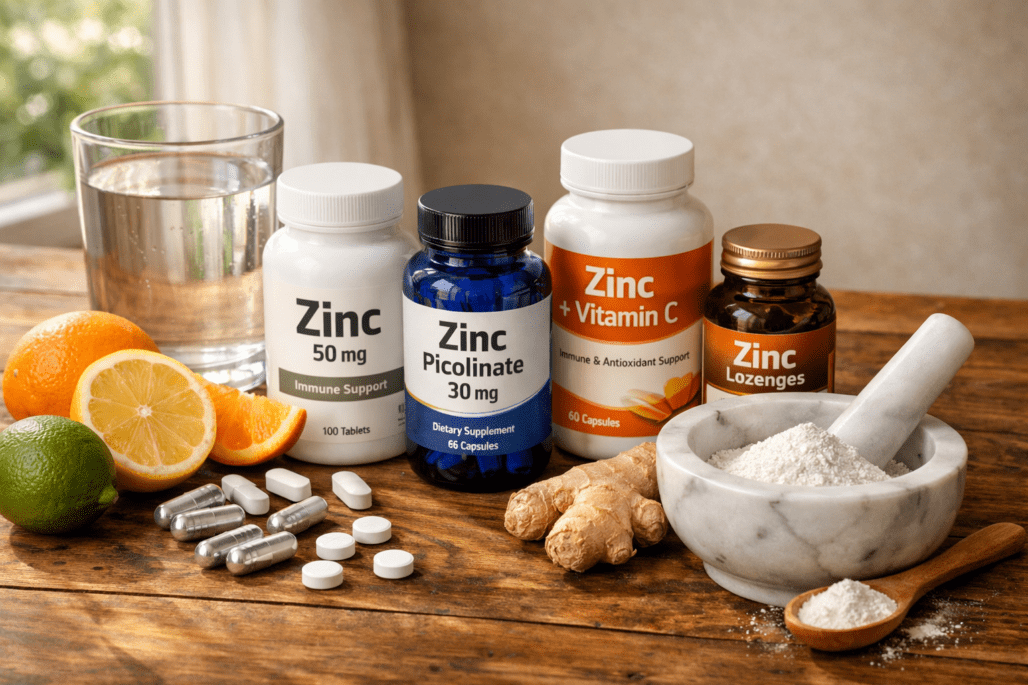
Top Zinc Picks by Category (What to Look For in Real Products)
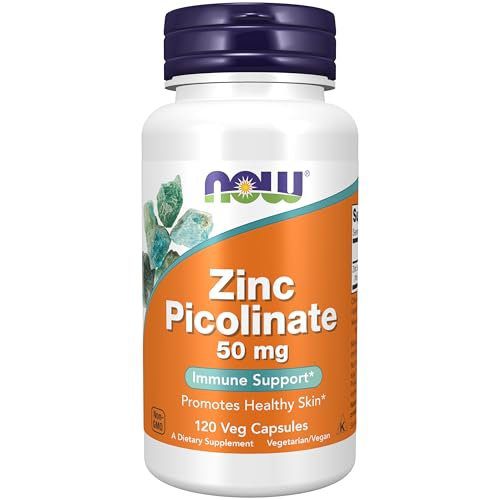
NOW Foods Supplements, Zinc Picolinate 50 mg, Supports Enzyme Functions*, Immune Support*, 120 Veg Capsules (Packaging may vary)
Zinc picolinate is one of the best-absorbed forms of zinc, and this NOW Foods version delivers 50 mg per capsule in 120 veg capsules for immune support and enzyme functions. It’s positioned as a top pick for those needing a reliable, high-potency option with clean ingredients. Take one daily with a meal, but not for long-term daily use.
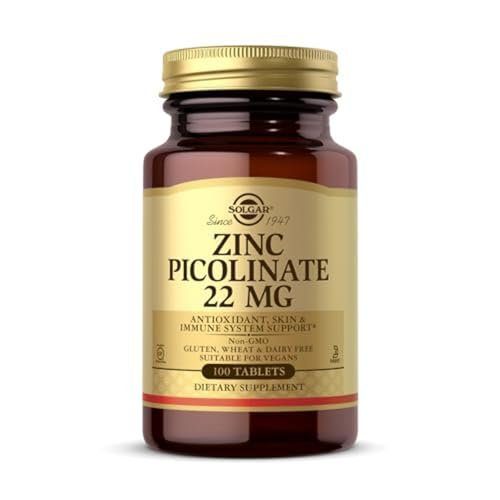
Solgar Zinc Picolinate 22 mg, 100 Tablets – Promotes Healthy Skin – Supports Immune System, Normal Taste & Vision – Antioxidant – Non-GMO, Vegan, Gluten Free, Kosher – 100 Servings
Solgar Zinc Picolinate 22 mg comes as 100 tablets, one per serving for immune support, skin health, taste, vision, and antioxidant effects. It’s Non-GMO, vegan, gluten-free, and kosher, with zinc picolinate for better absorption than many forms. User reviews note small easy-to-swallow tablets but some report heartburn.
Most readers don’t want a chemistry lesson. They want to know what to buy – and how to avoid wasting money. Instead of chasing a “perfect” product, focus on a few decision points:
- Form (chelated vs oxide)
- Dose of elemental zinc (usually 15-30 mg)
- Quality controls (third-party testing, clean label)
- Fit (athlete testing, vegan preferences, added copper)
Below is a practical comparison based on common shopping categories and what matters in each.
Visual: Quick comparison of common “best-of” categories
| Category | What to prioritize | A smart default |
|---|---|---|
| Best overall | Chelated form + strong testing | Zinc picolinate, 15-30 mg |
| Best absorbable | Bisglycinate/glycinate | 15-25 mg with food |
| Best with copper | Zinc + 1-2 mg copper | Helpful for long-term use |
| Best budget | Transparent label, no megadose | Zinc gluconate 15-25 mg |
| Best for athletes | Certified for sport | NSF-style third-party screening |
| Best vegan | Vegan capsule + clear sourcing | Chelated zinc, minimal additives |
| Best liquid | Accurate dosing + stability | Zinc sulfate/citrate liquid, careful measuring |
Brand and certification notes (without the hype)
Some brands are well-known for tighter manufacturing standards or sport-focused testing. For competitive athletes, look for products screened for banned substances (often labeled as “certified for sport”). For everyone else, the practical win is consistency: a reputable manufacturer, clear elemental zinc amount, and no unnecessary megadosing.
If you’re building a broader routine (for example, zinc plus vitamin D, magnesium, omega-3s), it’s worth checking your total daily intake across products. Many people accidentally “double up” with a multivitamin plus an immune formula. Helpful tool: Complete Supplement Stacking Guide: Combine Vitamins Safely.
Zinc Dosage, Timing, and Safety (So You Don’t Overdo It)
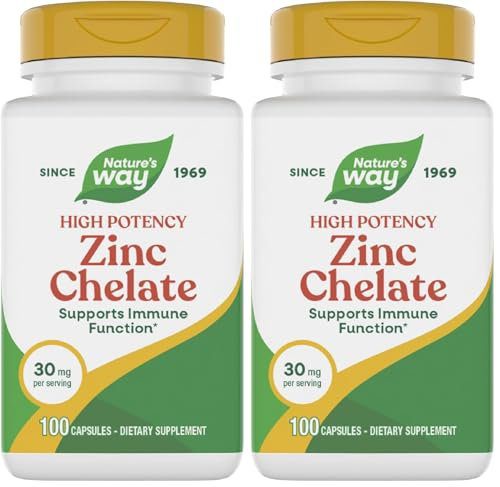
Nature’s Way Zinc Chelate, Supports Immune Function*, 30 mg per Serving, 100 Capsules (Packaging May Vary) (Pack of 2)
Nature’s Way Zinc Chelate 30 mg delivers chelated zinc in a highly absorbable form to support immune function, with 100 capsules per bottle in a pack of 2. Users note its gentleness on the stomach and effectiveness for daily immune and overall health needs compared to other zinc forms. The gluten-free formula stands out for clean supplementation without artificial additives.
Zinc works in a “Goldilocks zone.” Too little can impair immune function and wound healing. Too much for too long can create new problems, especially by interfering with copper status.
For adults, the tolerable upper intake level (UL) is 40 mg/day from all sources, according to the NIH Office of Dietary Supplements zinc guidance. That UL is designed to reduce the risk of adverse effects like nausea and copper deficiency.
Practical dosing guide (elemental zinc)
| Goal | Typical daily dose | Duration |
|---|---|---|
| Fill a dietary gap | 10-15 mg | Ongoing, reassess |
| Immune maintenance | 15-25 mg | Ongoing, reassess |
| Higher-need periods (diet low, heavy sweating) | 20-30 mg | Short-to-medium term |
| Cold support (lozenges) | Follow label; often frequent dosing | Start early, keep short |
Cold lozenges are a special case. Some research suggests zinc lozenges may shorten the duration of common cold symptoms when started early, but results depend heavily on formulation and dosing schedule. If you go this route, keep it short-term and stop if you get nausea or a metallic taste that becomes unpleasant. For a broader immune plan, revisit Winter Immune Support: Vitamins & Tips to Stay Healthy.
Timing and absorption: what actually matters
Zinc can make some people nauseated, especially on an empty stomach. A few timing rules reduce headaches:
- Take zinc with food if you’ve ever felt queasy from it.
- Separate from iron and calcium by about 2 hours when possible, since they can compete for absorption.
- If you take thyroid meds or certain prescriptions, spacing may matter even more.
To map this into your day, use Supplement Timing Optimizer: When to Take Your Vitamins.
The copper issue (the most overlooked zinc side effect)
Long-term high zinc intake can reduce copper absorption. Over time, that may contribute to anemia or neurologic symptoms in severe cases. If you routinely take 25-30 mg daily for months, it’s reasonable to discuss whether you also need 1-2 mg copper, especially if your diet is low in copper-rich foods (shellfish, nuts, seeds, cocoa).
Visual: Red flags you’re taking too much
- You’re taking 40+ mg/day for weeks or months
- You’re stacking zinc from multiple products (multivitamin + immune blend + ZMA)
- You notice persistent nausea, stomach pain, or appetite changes
- You develop unexplained fatigue that doesn’t match your routine
If you’re unsure, ask for labs and guidance rather than guessing. Serum zinc is not a perfect marker, but it can be useful in context.
Interactions, Myths, and Smart Food-First Options
Zinc is popular, which means misinformation travels fast. The goal is to keep what works and drop what doesn’t.
Myth 1: “More zinc always means better immunity”
More is not always better. Very high zinc intake for long periods can backfire by affecting copper status and potentially altering immune balance. Think of zinc like salt – essential, but not something you want to keep increasing.
Myth 2: “All forms of zinc are basically the same”
They’re not. Some forms are more likely to cause stomach upset, and some are generally less absorbable. That’s why many clinicians prefer chelated forms for everyday use.
Myth 3: “Zinc cures viruses”
Zinc is not a cure. The best evidence supports zinc as a tool that may reduce the duration of common cold symptoms in some cases, especially when started early and taken in an effective lozenge form. It’s better framed as support, not prevention or treatment of serious viral illness.
Drug and supplement interactions to take seriously
Zinc can bind to certain medications in the gut and reduce absorption. Common examples include:
- Quinolone and tetracycline antibiotics
- Penicillamine (used for rheumatoid arthritis and Wilson disease)
If you take prescription medications, it’s smart to check interactions before starting zinc. Use Drug-Supplement Interaction Checker: Safe Health Combinations as a starting point, then confirm with your pharmacist or clinician.
Food-first zinc (often the easiest fix)
Supplements are helpful for gaps, but food can move the needle quickly, especially if your intake is low.
High-zinc foods:
- Oysters and other shellfish
- Beef and lamb
- Poultry
- Dairy
- Legumes, nuts, seeds (absorption improves with soaking, sprouting, fermenting)
Visual: Food vs supplement decision tree
- Eat zinc-rich foods most days?
- Yes: consider a low-dose supplement only if needed
- No: improve food intake first, then reassess
- Plant-forward diet with lots of grains/legumes?
- Consider chelated zinc + food prep methods
- History of nausea with supplements?
- Use glycinate/bisglycinate and take with meals
For a deeper look at choosing safe products and avoiding label traps, revisit Supplement Quality Indicators: How to Choose Safe Products.
If you take more than one mineral or supplement, StackMyMed (our companion app) tracks your true daily totals and schedules each dose around its food and spacing rules.
Conclusion
The best zinc supplements are the ones that match your goal, use a well-absorbed form (often picolinate or bisglycinate), and keep dosing in a safe range. For most adults, 15-30 mg elemental zinc with food is a practical starting point, while avoiding 40+ mg/day long-term helps prevent copper-related problems.
If you want the simplest next step, check your current stack for hidden zinc, choose one quality-tested product, and set a reminder to reassess in 8-12 weeks.
For related guidance, see Supplement Timing Optimizer: When to Take Your Vitamins and Complete Supplement Stacking Guide: Combine Vitamins Safely.
As an Amazon Associate, I earn from qualifying purchases. Product recommendations are based on real reviews and independent research.
