
That sudden calf “grab” at 2 a.m. can make anyone search for a quick fix – and magnesium for muscle cramps is one of the most common suggestions. But when researchers put magnesium supplements to the test in controlled trials, the results are far less convincing than the marketing. This article breaks down what the best studies actually show, who might still consider magnesium, and the practical steps that tend to help most people more than another bottle in the cabinet.
Affiliate disclosure: this article contains affiliate links. As an Amazon Associate, UsefulVitamins.com earns from qualifying purchases at no extra cost to you.
Summary / Quick Answer: Does magnesium help muscle cramps?
For most adults with frequent leg cramps, magnesium for muscle cramps is unlikely to work better than placebo based on moderate-quality evidence from randomized trials.
Here’s the practical takeaway:
- Best evidence (older adults, nighttime leg cramps): Magnesium did not meaningfully reduce cramp frequency or intensity compared with placebo in a major Cochrane review of randomized trials and a large randomized clinical trial in JAMA Internal Medicine.
- Who might still consider a trial: People with low magnesium intake, possible deficiency risk, or constipation (where magnesium citrate may help bowel regularity).
- If you try it anyway: Use 100-200 mg elemental magnesium at night for 4-6 weeks, and stop if it causes diarrhea.
- More reliable cramp strategies: Hydration + sodium, gentle calf stretching, and checking meds (especially diuretics).
Magnesium for Muscle Cramps: What the Research Actually Shows
Magnesium sounds like a perfect solution on paper. It helps regulate nerve signaling and muscle contraction, so it’s easy to assume “cramp = magnesium problem.” The catch is that cramps in real life are often not caused by magnesium deficiency.
When researchers studied magnesium supplements for idiopathic (no clear cause) leg cramps – especially in older adults – magnesium generally performed the same as placebo.
What clinical trials found (in plain English)
A major Cochrane review pooled randomized trials in nonpregnant adults and found no meaningful improvement in:
- Cramp frequency (how often cramps happen)
- Cramp intensity (how painful they feel)
- The number of people who achieve a noticeable reduction
One striking detail: placebo groups improved a lot too. In several trials, cramp frequency dropped by roughly a quarter after a few weeks, even without active magnesium. That’s a reminder that cramps naturally fluctuate and that expectation can change how symptoms are reported.
A separate randomized trial in JAMA Internal Medicine tested magnesium oxide for nocturnal leg cramps and found the same pattern – both groups improved, but magnesium was not better than placebo.
Why the “magnesium fixes cramps” idea persists
The belief sticks around because magnesium can be helpful for other things people associate with cramps, such as:
- Constipation (magnesium citrate can draw water into the bowel)
- Sleep support in some people (cramps feel worse when sleep is poor)
- General muscle soreness and recovery (not the same as cramping)
If sleep is part of your cramp story, it’s worth reading this guide on a magnesium supplement for sleep to understand which forms are best tolerated and how to dose safely.
Visual: Evidence snapshot (what we know vs what we don’t)
| Cramp type | Does magnesium help? | What the evidence looks like |
|---|---|---|
| Idiopathic nocturnal leg cramps (older adults) | Unlikely | Multiple RCTs + Cochrane review show no meaningful benefit |
| Pregnancy-related leg cramps | Unclear | Limited controlled evidence; results mixed |
| Exercise-associated muscle cramps | Unclear | Not enough high-quality trials; mechanism often not magnesium-related |
| Cramps with true deficiency | May help | Correcting deficiency can improve neuromuscular symptoms |
Actionable takeaway: If you’re an older adult with nighttime calf cramps and normal nutrition, magnesium is not a “sure thing.” It may still be reasonable to trial, but it should not be the only strategy.
If You Still Want to Try Magnesium: Best Forms, Dosage, and How Long to Test

Nature Made Magnesium Citrate 250 mg per serving, Magnesium Supplements for Men and Women, Support for Muscle, Nerve, Bone and Heart, 120 Softgels, 60 Day Supply
Nature Made Magnesium Citrate 250 mg (USP Verified) earns a strong 4.6/5 from 12,400+ Amazon reviews for effectively easing muscle cramps, promoting relaxation, and offering good absorption in softgel form at $14.99. While some note minor GI discomfort or bottle stickiness, it’s a reliable, third-party tested choice for magnesium supplementation.
Some readers will try magnesium anyway – and that’s understandable. It’s inexpensive, widely available, and generally safe at modest doses for healthy adults. The key is to choose a form that’s tolerable, use a realistic dose, and set a clear timeline so you can judge whether it’s helping.
Before you start, it helps to understand one common confusion: supplement labels list magnesium compound weight (like magnesium glycinate 1,000 mg) but what matters for dosing is elemental magnesium (the actual magnesium amount).
For a broader overview, UsefulVitamins also has a detailed breakdown of magnesium benefits, types, and dosage that can help you compare products.
A practical “trial protocol” (simple and measurable)
If you want to test magnesium for cramps, do it like a mini experiment:
- Pick one form and stick with it (don’t switch weekly).
- Take 100-200 mg elemental magnesium in the evening.
- Track cramps for 2 weeks before and 4-6 weeks during:
- Number of cramps per week
- Pain score from 1-10
- Whether cramps wake you up
- Stop early if you get persistent diarrhea or stomach upset.
If there’s no meaningful change after 6 weeks, magnesium is probably not your lever.
Which form is “best” for cramps?
Absorption and side effects vary by form. Even though better-absorbed forms are often preferred, it’s important to be honest about the evidence: better absorption does not automatically mean better cramp relief.
| Form | Best for | Pros | Cons |
|---|---|---|---|
| Magnesium glycinate | Sensitive stomach, bedtime use | Often well tolerated; less laxative effect | Typically higher cost |
| Magnesium citrate | Constipation + possible cramps | Generally well absorbed; may improve bowel regularity | Can cause diarrhea |
| Magnesium oxide | Budget option | Cheap and widely available | Poor absorption; tested in trials without clear benefit |
Safety notes that matter
Most magnesium side effects are gastrointestinal. Diarrhea is the most common sign you’ve exceeded your personal tolerance.
Also keep these guardrails in mind:
- People with kidney disease should not supplement magnesium without clinician guidance.
- Separate magnesium from certain medications (like some antibiotics or thyroid meds) by a few hours, since it can reduce absorption.
- “More” is not better. Trials using higher doses still failed to show meaningful cramp improvement.

Actionable takeaway: If you try magnesium, choose glycinate or citrate, keep the dose modest, track outcomes, and stop if side effects show up.
Why You Might Cramp Even With Normal Magnesium (and What to Check First)
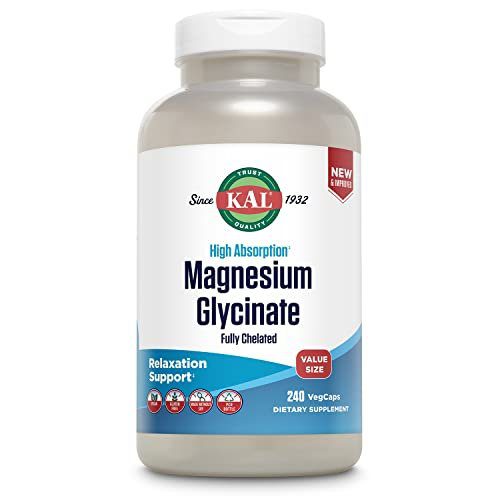
KAL Magnesium Glycinate, New & Improved Fully Chelated High Absorption Formula with BioPerine, Bisglycinate Chelate for Stress, Relaxation, Muscle & Bone Health Support, 60 Servings, 240 VegCaps
KAL’s magnesium glycinate formula delivers 240 vegetarian capsules of fully chelated magnesium bound to glycine, designed for absorption and muscle support. The addition of BioPerine aims to enhance bioavailability, making this a straightforward option for those seeking magnesium supplementation for muscle function and relaxation.
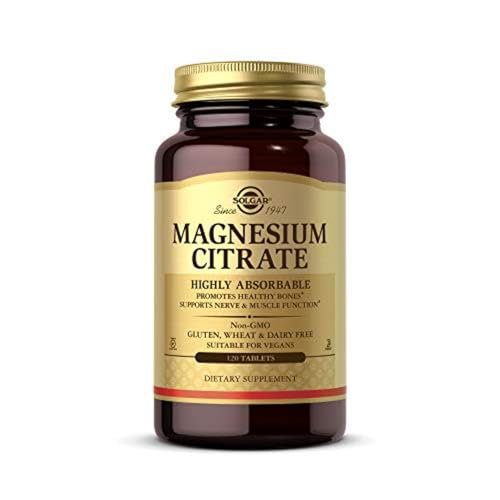
Solgar Magnesium Citrate, 120 Tablets – Promotes Healthy Bones – Supports Nerve & Muscle Function – Non GMO, Vegan, Gluten Free, Dairy Free, Kosher – 60 Servings, Standard Packaging
Solgar Magnesium Citrate 200 mg earns a strong 4.6/5 rating from over 12,400 Amazon reviews, praised for its high bioavailability and effectiveness in promoting relaxation and muscle recovery. Reddit users in supplement communities endorse it as a top-tier option, and USP verification plus ConsumerLab approval confirm its quality and purity, making it a solid affiliate recommendation at around $19.99 for 120 capsules.
Cramps are frustrating because they feel like a simple problem, but they often come from a mix of triggers. Think of a cramp as a muscle’s “alarm system” misfiring, not always a single nutrient shortage.
Here are the most common drivers worth checking before blaming magnesium.
1) Hydration and sodium (often overlooked)
Many people focus on potassium or magnesium, but sodium and fluid balance play a major role in nerve and muscle function. If you sweat heavily, restrict salt, or drink lots of plain water without electrolytes, cramps can become more likely.
A practical step is to test your hydration strategy for a week, especially around workouts or hot days. This guide to electrolyte water explains what to look for and when it’s useful.
2) Medications that shift electrolytes
Some prescriptions increase urination or change mineral balance, which can contribute to cramps. Diuretics are a classic example, and potassium balance matters here too.
If this sounds familiar, read muscle cramps from diuretics and potassium and bring a medication list to your next appointment. Do not add potassium supplements on your own unless your clinician recommends it.
3) Muscle fatigue, training errors, and under-fueling
Exercise-associated cramps are not always about “low electrolytes.” Research suggests fatigue, pacing, conditioning, heat stress, and carbohydrate availability can all contribute.
If your cramps happen during training, your best ROI may come from basics:
- Gradual increases in volume and intensity
- Adequate carbs and fluids before longer sessions
- Recovery days and sleep
If performance and recovery are your goal, you may also like this overview of the best supplements to build muscle (which includes evidence-based options beyond magnesium).
4) Nerve or circulation issues (when cramps are a clue)
Sometimes cramps are a signal to look deeper, especially if you notice:
- One-sided cramping that’s new or worsening
- Numbness, tingling, or weakness
- Swelling, redness, warmth, or severe tenderness
- Cramping plus shortness of breath or chest pain
Those symptoms deserve medical evaluation promptly.
Visual: Quick “cause check” list
| If cramps are mostly… | Consider checking… | First step |
|---|---|---|
| At night in bed | Sleep position, calf tightness, meds | Gentle stretching before bed |
| During/after sweating | Sodium + fluids | Trial electrolyte drink and weigh-in/out |
| After new workouts | Fatigue, pacing, shoes | Reduce intensity for 1-2 weeks |
| With new meds | Diuretics, statins, others | Ask pharmacist/clinician |
Actionable takeaway: Magnesium can be a reasonable trial, but cramps often respond better when you identify the real trigger – hydration, sodium, medication effects, or fatigue.
Muscle Cramp Relief That Often Works Better Than Supplements
If magnesium isn’t the magic bullet, what is? The best-supported strategies tend to be simple, repeatable, and targeted to common cramp triggers.
1) A 2-minute stretching routine (especially for nighttime cramps)
For nocturnal leg cramps, calf stretching before bed is low-risk and often helpful. Try:
- Straight-knee calf stretch (gastrocnemius): 30 seconds each side
- Bent-knee calf stretch (soleus): 30 seconds each side
- Repeat once
If a cramp hits at night, gently dorsiflex the foot (toes toward shin) and massage the muscle. Avoid aggressive stretching that causes sharp pain.
2) Hydration plan that matches your day
Instead of guessing, use a simple feedback loop:
- Check urine color (pale yellow is a reasonable target for most people)
- If you sweat heavily, include electrolytes, not just water
- Aim to avoid going to bed either dehydrated or overly full of fluid
3) Review magnesium status the smart way (when appropriate)
True magnesium deficiency is not the most common cause of idiopathic cramps, but it can happen, especially with:
- GI disorders affecting absorption
- Long-term use of certain medications (like some acid reducers)
- Poor dietary intake over time
If you suspect deficiency, discuss testing with a clinician. Serum magnesium can look normal even when body stores are low, so interpretation matters. For consumer-friendly context on choosing forms and dosing, revisit magnesium benefits, types, and dosage.
4) Be cautious with “quick fixes” like quinine
Quinine has been used for cramps, but it carries meaningful risks and is not recommended for routine use in many settings. If you’re considering any medication approach, it’s a clinician conversation.
Visual: A simple “cramp action plan” you can screenshot
- Tonight: 2 minutes of calf stretching before bed
- This week: Add electrolytes on sweat-heavy days
- Review: Look at meds and recent training changes
- Optional: 4-6 week magnesium trial (100-200 mg elemental nightly)
- Escalate: Seek care for swelling, weakness, numbness, or severe pain

Actionable takeaway: The most reliable relief usually comes from stretching, hydration and sodium strategy, and fixing the underlying trigger, not from high-dose magnesium.
Stacking this with other supplements? Our companion app, StackMyMed, totals your real daily intake of each mineral and spaces anything that should not be taken together, with reminders for the right timing.
Conclusion
For most people, magnesium for muscle cramps is more popular than proven. High-quality reviews and randomized trials in older adults show magnesium performs about the same as placebo for nocturnal leg cramps, even at higher doses. That doesn’t mean magnesium is useless – it may still be worth a short, well-tracked trial if your intake is low or you’re choosing it for sleep or constipation support.
If cramps keep interrupting your nights, start with the basics that tend to move the needle: bedtime calf stretching, a smarter hydration-electrolyte plan, and a medication review. For next steps, see UsefulVitamins’ guide to electrolyte water and the deeper breakdown of magnesium benefits, types, and dosage.
As an Amazon Associate, I earn from qualifying purchases. Product recommendations are based on real reviews and independent research.
