

Affiliate disclosure: this article contains affiliate links. As an Amazon Associate, UsefulVitamins.com earns from qualifying purchases at no extra cost to you.
If you're searching for a complete guide to collagen supplements, you've probably noticed the category is a mess: bone broth, hydrolyzed peptides, 40 mg "joint" capsules promising what 15 g powders also promise, and marketing that treats all of it as interchangeable.
Quick Answer: what to actually do about collagen
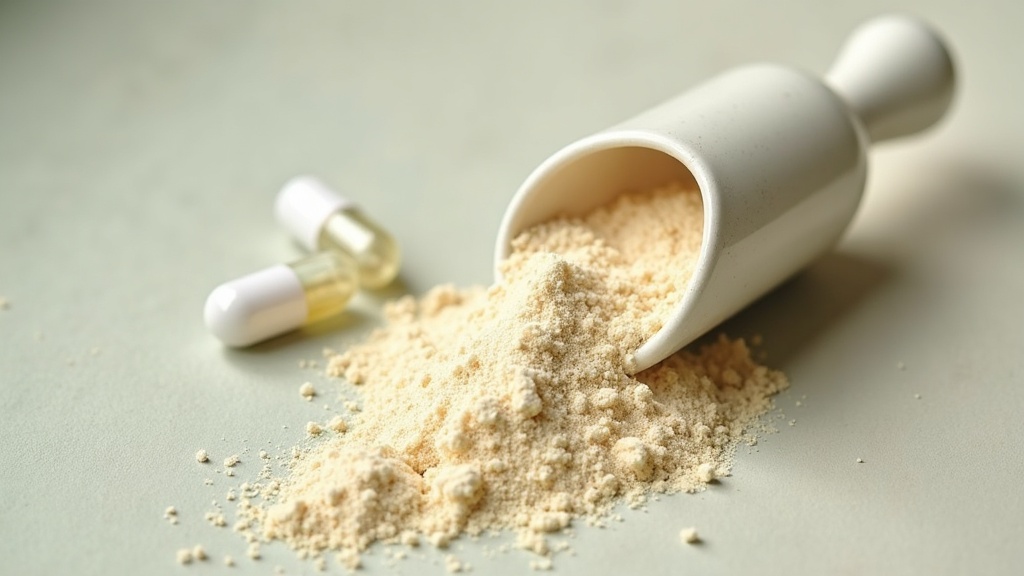
The honest bottom line: if your goal is skin elasticity or general connective-tissue support, 5 to 15 g/day of hydrolyzed collagen peptides has the most replicated evidence; if your goal is knee osteoarthritis symptom relief, 40 mg/day of undenatured type II collagen (UC-II) is the form the trials actually used.
- Best for general skin and nail support: 2.5 to 10 g/day hydrolyzed collagen peptides, ideally with vitamin C, for at least 8 weeks before judging
- Best for knee osteoarthritis adjunct (after rheumatology workup): 40 mg/day UC-II, single capsule, taken consistently for 3 to 6 months
- Best for tendon-repair athletes: 15 g hydrolyzed collagen plus 50 mg vitamin C, 30 to 60 minutes before targeted loading (Shaw 2017 protocol)
- Not ideal for: people on warfarin who pick high-vitamin-K marine variants without checking, gout patients eyeing fish-skin collagens, or anyone hoping a powder will rebuild a torn meniscus
- Before buying: third-party testing for heavy metals (especially marine), allergen check (bovine, fish, eggshell membrane), and an honest read of whether your "joint" problem is actually osteoarthritis or something that needs a doctor first
What Collagen Actually Is
Collagen is the most abundant structural protein in the human body, roughly 30% of total protein and the bulk of the matrix holding skin, tendons, ligaments, cartilage, bone, blood vessels, and the gut lining together. At least 28 subtypes exist, but five matter in supplement terms:
- Type I is the workhorse of skin, tendon, bone, and dermis. Most hydrolyzed bovine and marine collagens deliver it.
- Type II dominates articular cartilage. The undenatured form (UC-II) is the version studied for osteoarthritis.
- Type III runs alongside type I in skin and vasculature.
- Type V seeds the assembly of type I fibrils.
- Type X appears in growth-plate and articular cartilage during ossification.
The molecule is a triple helix of polypeptide chains rich in glycine, proline, and a vitamin C-dependent amino acid called hydroxyproline. Your body cannot make hydroxyproline without vitamin C as a cofactor, which is why scurvy presents as connective-tissue failure and why most collagen protocols pair the peptides with vitamin C.
When you swallow collagen, your gut does not absorb it as collagen. Pepsin and pancreatic enzymes break it down to dipeptides, tripeptides, and free amino acids, the same way they break down any protein. That digestion step is the source of the most important debate in this category.
Why It Matters Skeptically: amino acid pool vs targeted delivery

Here is the question that decides whether collagen is worth your money or whether you should eat more chicken: does swallowed collagen do anything that whey, eggs, or sardines wouldn't?
The skeptical position is straightforward. Collagen breaks down to amino acids, those amino acids enter the systemic pool, and your fibroblasts and chondrocytes pull glycine, proline, and other building blocks from that pool whether the source was bone broth or chicken breast. By this logic, collagen is a moderately expensive, incomplete protein (low in tryptophan).
The targeted-delivery position counters with two mechanistic claims. First, small di- and tripeptides (notably proline-hydroxyproline and hydroxyproline-glycine) appear to survive digestion intact, show up in plasma after oral dosing, and may act as signaling molecules at fibroblasts and chondrocytes. Second, those peptides may upregulate collagen synthesis in dermis and cartilage matrix rather than just feeding amino-acid demand. The pharmacokinetic studies showing detectable Pro-Hyp in plasma are real. The leap from "detectable in plasma" to "drives a clinically meaningful matrix response in your face or knee" is where the evidence thins, but it isn't zero.
The honest read is that both pathways probably operate. Most swallowed collagen feeds the amino-acid pool, and a small fraction of specific bioactive peptides may have a signaling effect at the tissue level. Whether that signaling effect explains the trial outcomes or whether the trials mostly capture a protein-quantity effect plus placebo is still being argued. The evidence is hedged. A supplement that works partly via amino-acid provision and partly via low-amplitude signaling will not produce a fast, dramatic result. It produces a modest, slow signal over 8 to 24 weeks. That matches the trial data.
Food Sources + AI: where collagen comes from before it's a powder
There is no formal Adequate Intake (AI) or RDA for collagen, because collagen is not an essential nutrient. The relevant question is whether your overall amino-acid intake (particularly glycine, proline, and the vitamin C that supports hydroxylation) is sufficient. For most adults on mixed-protein diets, it is. On low-protein or restricted-calorie diets, glycine and proline supply can run lean.
Traditional collagen sources:
- Slow-simmered bone broth from beef knuckle, oxtail, chicken feet, or fish frames. A 24-hour low simmer extracts gelatin (partially hydrolyzed collagen). Roughly 5 to 10 g of collagen-derived protein per cup, though variability is high.
- Slow-cooked tough cuts with intact connective tissue: oxtail, shank, short ribs, pork trotters.
- Fish skin and frames simmered for stock.
- Chicken on the bone with skin.
Traditional naturopathic and ancestral framing leans on bone broth at gram-scale daily intake (a cup or two), which overlaps with RCT-tested powder doses. Broth's advantage is the whole-food matrix. Its disadvantage is dose unpredictability and time cost. RCT-tested 5 to 15 g hydrolyzed peptides is a standardized, measured intervention. These are not the same intervention, and that distinction matters when you compare effect sizes.
Vegetarians cannot get collagen from plants. They can support endogenous synthesis with adequate protein, vitamin C, copper, zinc, and glycine-conscious selection, but they cannot supplement collagen itself without animal or marine sources.
Who Could Benefit
A few populations show a real, if modest, signal in the trial literature:
- Postmenopausal women with declining skin elasticity. Proksch 2014 used 2.5 g/day of a specific hydrolyzed peptide blend (Verisol) in women 35 to 55 and measured improvements in skin elasticity and reduced eye-wrinkle volume over 8 weeks.
- Adults with knee osteoarthritis after a proper diagnostic workup. Lugo 2016 compared 40 mg/day UC-II against glucosamine + chondroitin in 191 adults with knee OA and reported greater symptom reduction with UC-II.
- Athletes with activity-related joint pain or tendon stress. Clark 2008 showed reduced joint pain over 24 weeks of hydrolyzed collagen, and Shaw 2017 showed vitamin C-enriched gelatin before targeted loading transiently raised collagen-synthesis markers.
- Wound healing and post-surgical recovery. Smaller trials in pressure ulcers and post-surgical wound healing show faster healing, though the evidence is thinner and confounded by underlying nutritional status.
People with frank cartilage loss on imaging, advanced OA, autoimmune joint disease, or tendon ruptures are not collagen-powder cases. They are rheumatology, orthopedics, or physical-therapy cases. Supplementation is at most an adjunct after the right diagnostic workup.
Forms and Trial Evidence
This is where the category fragments and the marketing gets unhelpful. Here are the forms that actually show up in clinical trials, what they are, and what they're for.
Hydrolyzed collagen peptides (5 to 15 g range)
Enzymatically broken down to short peptides (1 to 5 kDa) that dissolve in cold water and are tasteless. The most-studied form for skin and general connective-tissue support. Branded preparations include Verisol (Gelita, used in Proksch at 2.5 g/day), Peptan (Rousselot), and Fortigel (joint-targeted variant). Trial doses cluster between 2.5 and 15 g/day, skin trials at the lower end, joint and tendon trials at the higher end.
Undenatured type II collagen (UC-II, 40 mg)
Structurally different. UC-II is type II collagen processed to preserve the native triple-helical structure (not hydrolyzed). The proposed mechanism is oral tolerance: repeated small exposures to intact type II collagen at the gut-associated lymphoid tissue downregulate an autoimmune-style response against the body's own cartilage type II collagen, reducing joint inflammation. Dose is 40 mg/day, single capsule. UC-II is not interchangeable with hydrolyzed peptides, and a high hydrolyzed dose will not substitute for it.
Marine vs bovine vs porcine
- Bovine (cowhide, bone) is predominantly type I and III, the most common and cheapest per gram, and the right pick for general use unless you have a beef allergy.
- Marine (fish skin, scales) is predominantly type I with smaller peptide fragments that may absorb slightly faster. Heavy-metal exposure (mercury, cadmium, arsenic) makes third-party testing non-negotiable. Marine carries a fish allergen and a purine load worth considering if you have gout.
- Porcine is type I and III, pharmacokinetically similar to bovine.
- Chicken sternal cartilage is the typical source of type II collagen for UC-II.
- Eggshell membrane is a separate joint-support category (type I, V, X plus hyaluronic acid) with its own small trial base; treat it as adjacent, not a substitute.
Dosing Protocols
Match the dose to the goal and the form.
- General skin, nail, and connective-tissue support: 5 to 10 g/day hydrolyzed peptides, mixed into coffee, smoothies, or water. Pair with 50 to 200 mg vitamin C for cofactor support. Give it 8 to 12 weeks before you decide it isn't working.
- Postmenopausal skin protocol (Proksch-style): 2.5 g/day of a Verisol-style hydrolyzed blend, 8 weeks minimum.
- Knee osteoarthritis adjunct: 40 mg/day UC-II, single capsule, ideally on an empty stomach (for oral tolerance signaling), 3 to 6 months before judging. This is after a rheumatology workup, not before.
- Tendon-loading athlete protocol (Shaw 2017): 15 g hydrolyzed collagen plus 50 mg vitamin C dissolved in fluid, consumed 30 to 60 minutes before a targeted loading session (controlled stress on the tendon being trained). Repeat 2 to 3 sessions per week.
- Bone broth equivalent: 1 to 2 cups/day of properly simmered broth gets you into the lower end of the skin-protocol dose range, with the caveat that actual collagen content varies widely. Useful, not standardized.
A practical analogy: think of collagen dosing like seasoning a long-cooked stew, not like taking aspirin for a headache. The result builds slowly with consistent intake. There is no acute effect to chase.
Actionable takeaway: decide whether your goal is skin (low-dose hydrolyzed, 8 to 12 weeks), joints (UC-II 40 mg if OA, or higher-dose hydrolyzed if non-OA connective-tissue stress), or tendon repair (Shaw protocol with vitamin C and timed loading). Then buy one product that matches and run it for the trial duration before changing anything.
Side Effects + Interactions
Collagen is one of the better-tolerated supplement categories. Most adverse effects in the trial literature are mild: bloating, fullness, occasional reflux, rare allergic reactions to the source protein. No documented serious adverse events at typical doses in healthy adults.
Interactions worth respecting:
- Marine collagen and warfarin: marine products occasionally include vitamin K co-ingredients, and fish-derived material can carry trace vitamin K that may theoretically affect anticoagulation. On warfarin or a similar anticoagulant, check the label, talk to your prescribing clinician, and consider a bovine alternative. Use Drugs.com's interaction checker and your INR monitor as the source of truth.
- Fish allergy: marine collagen is a fish-protein product. Do not take it.
- Bovine allergy: rare but real, and includes alpha-gal syndrome (tick-induced red-meat allergy) where a bovine product can trigger delayed reactions.
- Eggshell membrane allergens: egg-allergic people should avoid eggshell-membrane joint products.
- Gout and purine load: fish-skin and bone-derived collagens carry a purine load. Choose lower-purine sources or stick to UC-II for joint indications.
- Heavy metals in marine collagen: mercury, cadmium, lead, and arsenic concentrate in fish-derived materials. Third-party testing is mandatory: look for NSF Certified for Sport, USP Verified, ConsumerLab Approved, or IFOS marks. ConsumerLab collagen reports regularly find contamination in non-certified brands. Not optional.
Pregnancy and lactation data on collagen supplementation specifically are limited; if pregnant or nursing, consult your OBGYN before starting any supplement, including collagen.
What the Evidence Honestly Shows
This is the section where the marketing gets cut down to size. Here is what the trials actually demonstrate, with effect sizes.
The Proksch 2014 skin-elasticity trial (Proksch et al., n=114) randomized women aged 35 to 55 to 2.5 g/day hydrolyzed collagen peptides or placebo for 8 weeks. The collagen group showed a statistically significant improvement in skin elasticity by cutometer, largest in the older subgroup. A companion trial (Proksch et al.) measured eye-wrinkle volume and reported a reduction. Modest, measurable, replicated. Not wrinkle reversal. Visible-appearance effect was small.
The Lugo 2016 UC-II trial (Lugo et al., n=191) compared 40 mg/day UC-II to 1500 mg glucosamine + 1200 mg chondroitin in adults with knee OA over 180 days. UC-II produced greater WOMAC improvements. A real positive signal, but glucosamine + chondroitin is itself a modest-effect comparator, so "better than glucosamine" is not the same as "knee transplant in a capsule."
The Clark 2008 athlete-joint trial (Clark et al., n=147) gave 10 g/day hydrolyzed collagen to college athletes with activity-related joint pain over 24 weeks. Pain scores improved more than placebo. Effect modest, population selected (young, otherwise healthy), generalization limited.
The Shaw 2017 tendon-synthesis work (Shaw et al.) used 15 g vitamin C-enriched gelatin 60 minutes before a single jumping-exercise protocol, with serum collagen-synthesis markers as the endpoint. Markers rose. This is a short-term biomarker study, not a clinical-outcome trial. It supports the timing logic but does not by itself prove tendon repair.
What this evidence base supports, honestly: modest signal in skin elasticity, modest signal in OA symptom relief at the UC-II dose, modest signal in athlete joint pain, and a plausible mechanistic case for timed tendon protocols. The mechanism is partly hand-wavy: amino-acid-pool contribution is certain, bioactive-peptide signaling is plausible but not fully proven, and tissue-targeted effects are inferred more than demonstrated. None of this rises to "rebuilds joints" or "cures wrinkles." If a brand says otherwise, that's marketing. For a deeper dive into how the skin results change once industry-funded trials are separated from independent ones, see do collagen supplements actually work.
For nail-quality context, see best supplements for nail health, which sets collagen against biotin, silicon, and the iron-deficiency workup. For joint-pain context, best supplements for arthritis covers UC-II alongside curcumin, omega-3, and the standard-of-care framing.
FAQ
Is bone broth as good as collagen powder?
For the lower-dose skin protocol, possibly yes if you drink 1 to 2 cups daily of properly extracted broth. Broth has a whole-food matrix with extra minerals; the downside is dose unpredictability. For UC-II specifically, broth does not substitute, because UC-II requires intact undenatured type II collagen at a precise 40 mg dose.
How long until I see results?
Trial protocols ran 8 to 24 weeks. Skin signals appear earliest (8 to 12 weeks), joint signals later (3 to 6 months for UC-II). Less than 8 weeks is not actually running the experiment.
Does collagen interact with my blood thinner?
The main concern is marine products that include or carry vitamin K. Talk to your prescribing clinician and consider bovine alternatives if you're on warfarin. Always check the label and monitor your INR.
Vegan collagen, is that a thing?
Not biochemically. "Vegan collagen builder" products contain amino acids and cofactors (vitamin C, copper, zinc, sometimes silica) that support your body's own synthesis but contain no collagen. With enough protein and vitamin C, the marginal benefit over a good diet is small.
Will collagen help my hair grow?
Evidence here is thinner than skin or joint evidence. Hair growth depends on follicle health, iron, ferritin, thyroid function, scalp microbiome, and androgen signaling. A workup for ferritin and TSH is more useful than a powder if your hair is shedding.
Conclusion: the bottom line on collagen
Collagen sits in an unusual spot in the supplement category. The mechanism is partly proven and partly hand-wavy, the trial signal is modest but replicated, and the form matters more than most marketing admits: 5 to 15 g of hydrolyzed peptides for skin and general connective-tissue support, 40 mg of undenatured type II for knee osteoarthritis as an adjunct after a proper rheumatology workup, and a vitamin C cofactor in either case. It is not a wrinkle cure, it is not joint replacement in a capsule, and it does not substitute for the standard of care in any condition where guideline-grade treatment exists. For a methodology overview, see how we review supplements.
Next steps:
- Decide your goal (skin, OA, tendon, general) and pick the matching form and dose; run it for the full trial duration before judging
- If your "joint pain" hasn't been characterized by a clinician, get that workup first and treat any supplement as adjunct
- For more on the editorial standards behind these recommendations, see the author page for Jonathan Reynolds
Reviewed by Jonathan Reynolds, ND, focused on botanical and naturopathic protocols.
This article is for informational purposes and not medical advice. Collagen supplements can interact with medications and health conditions. Consult a licensed physician before starting any supplement, particularly if you are pregnant, nursing, taking prescription medications (especially anticoagulants), or managing a chronic condition such as gout, allergies to fish or beef, or diagnosed osteoarthritis or other joint disease.
Recommended Products

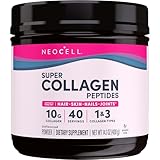

As an Amazon Associate, UsefulVitamins.com earns from qualifying purchases at no extra cost to you. We only recommend products supported by published research or third-party testing.
