
Affiliate disclosure: this article contains affiliate links. As an Amazon Associate, UsefulVitamins.com earns from qualifying purchases at no extra cost to you.
If you're searching for a complete guide to omega-3 because you keep seeing fish oil bottles next to multivitamins and want to know whether you actually need one, the short answer is: for most people, two servings of fatty fish a week covers the requirement, and a supplement earns its place only when your diet doesn't..
Summary: the quick answer on omega-3

The honest answer: most adults who eat fish twice a week don't need a supplement. The ones who do should buy a tested, low-oxidation triglyceride-form product at 500 mg combined EPA+DHA per day, with higher therapeutic doses reserved for specific cardiovascular or mood indications under clinical care.
- Best for: non-fish-eaters, vegans (algae oil), people with elevated triglycerides under physician care, adjunct support for major depressive disorder, pregnancy when fish intake is low
- Not ideal for: people already eating two-plus servings of fatty fish weekly, anyone on warfarin or dual antiplatelet therapy without physician sign-off, anyone hoping a supplement will replace cardiac medication
- What to look at before buying: form (re-esterified triglyceride preferred over ethyl ester), EPA+DHA per softgel (not "total fish oil"), third-party oxidation testing (IFOS, USP, ConsumerLab), and ask your doctor about a blood test for omega-3 index if you're considering high-dose use
- Decision shortcut: if you eat salmon, sardines, or mackerel twice a week, skip the bottle and put the money toward better fish. If you don't, a 500 mg EPA+DHA daily softgel from a tested brand is the entry point.
What omega-3 fatty acids actually are
Omega-3 fatty acids are a family of polyunsaturated fats your body cannot synthesize. There are three that matter for human nutrition: alpha-linolenic acid (ALA), eicosapentaenoic acid (EPA), and docosahexaenoic acid (DHA). They are structurally distinct, biologically distinct, and not interchangeable in any practical sense.
ALA is the plant-based omega-3. You get it from flaxseed, chia seed, walnuts, hemp seed, and to a smaller degree from leafy greens. It is essential, meaning your body has no way to make it from scratch. EPA and DHA are the marine omega-3s, found in fatty fish and the algae the fish eat. EPA is primarily a signaling molecule, generating the resolvins and protectins that wind down inflammation. DHA is structural, making up roughly 30% of the lipid in the gray matter of your brain and a substantial fraction of retinal phospholipids.
The conversion math is the part that surprises most people. Your body can convert ALA into EPA, and EPA into DHA, but the conversion rate is low. The NIH Office of Dietary Supplements omega-3 fact sheet summarizes the literature: in adults, about 5 to 8% of ALA converts to EPA, and less than 4% reaches DHA. Women of reproductive age convert at the higher end of those ranges, likely because of estrogen's effect on desaturase activity. Men and post-menopausal women sit closer to the floor.
Here's the practical implication. If your only omega-3 source is a tablespoon of ground flaxseed (about 2.4 g of ALA), you may functionally be getting around 120 to 190 mg of EPA equivalent. That is not nothing, but it is well below what marine omega-3 trials use. Plant-only eaters who want a DHA-relevant dose generally need an algae-derived supplement rather than flax.
Actionable takeaway: Treat ALA, EPA, and DHA as three separate nutrients. Counting flaxseed toward your "omega-3 intake" without distinguishing the family member is the most common diet-log error in this category.
Why they matter
Three reasons most clinicians track omega-3 intake: cardiovascular outcomes, brain and mood function, and inflammatory tone.
Cardiovascular. The American Heart Association recommends roughly 1 g of combined EPA+DHA per day for people with existing coronary heart disease, achieved through fatty fish where possible. For triglyceride-lowering, the dose required is much higher, in the 2 to 4 g range, under medical supervision. The 2019 REDUCE-IT trial (Bhatt et al., NEJM, n=8,179) tested 4 g/day of icosapent ethyl (a purified EPA-only prescription product, sold as Vascepa) in statin-treated patients with elevated triglycerides and either cardiovascular disease or diabetes plus risk factors. The trial reported a 25% relative reduction in the primary cardiovascular composite endpoint over a median 4.9 years. That is a real and replicated effect, but it applies to a specific high-risk population, at a prescription EPA dose, not to a healthy adult taking a 500 mg over-the-counter softgel.
Brain and mood. DHA is the dominant omega-3 in brain tissue, and EPA is the family member most consistently linked to mood. A 2016 meta-analysis (Mocking et al., Translational Psychiatry) of 13 RCTs in major depressive disorder found that EPA-dominant formulations (with EPA at least 60% of total EPA+DHA) showed benefit as an adjunct to antidepressant therapy. DHA-only formulations did not. The effect was modest, not curative, and only in the EPA-heavy preparations. This is a real signal, but it positions omega-3 as adjunctive support, not as a replacement for evidence-based treatment.
Inflammation. EPA and DHA are precursors to resolvins, protectins, and maresins, the specialized pro-resolving mediators that turn off acute inflammation. This is a mechanism-level reason omega-3 keeps showing up in adjunct trials for rheumatoid arthritis, inflammatory bowel disease, and post-exercise recovery. The size of the clinical effect varies, but the underlying biochemistry is well-characterized.
The real question isn't whether omega-3 has any effect on these systems, it's whether the supplemental dose moves the needle when you already eat a reasonable diet. The 2019 VITAL trial (Manson et al., NEJM, n=25,871) tested 1 g/day of EPA+DHA in generally healthy US adults over a median 5.3 years. It did not find a significant reduction in major cardiovascular events or invasive cancer, and all-cause mortality was unchanged. A 2018 Cochrane review (Abdelhamid et al.) of 79 trials reached the same conclusion: omega-3 supplementation has little or no effect on all-cause mortality. The benefit, where it exists, is concentrated in higher-risk populations at higher doses.
Food sources and adequacy
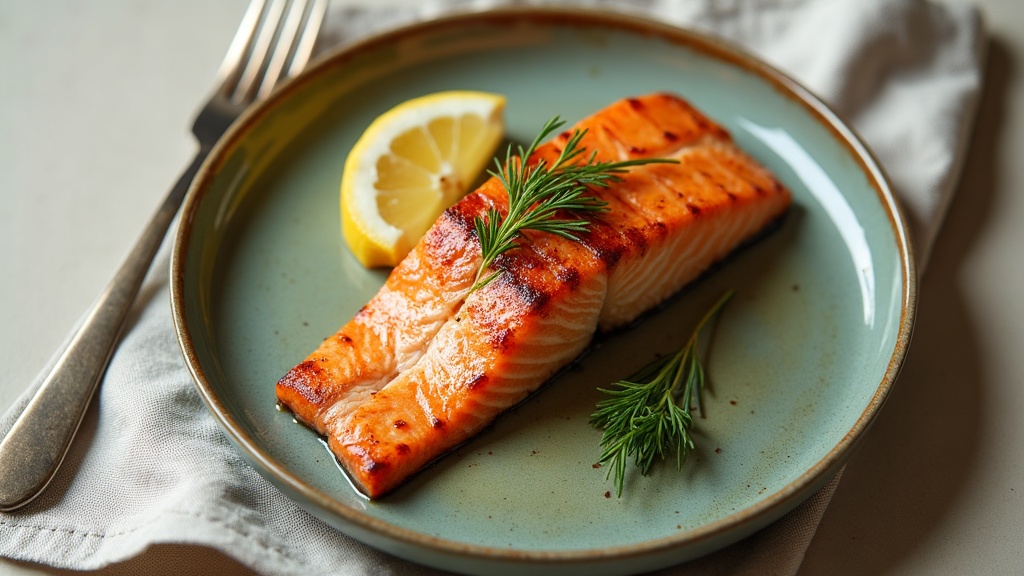
Fatty fish is the densest dietary source of EPA and DHA, and the AHA's two-servings-per-week recommendation (about 3.5 ounces cooked per serving) is the anchor most dietitians use.
Approximate EPA+DHA content per 3-ounce cooked serving:
| Food | EPA+DHA per 3 oz cooked |
|---|---|
| Wild Atlantic salmon | ~1,200 to 1,500 mg |
| Farmed Atlantic salmon | ~1,800 to 2,200 mg |
| Sardines (canned, in oil, drained) | ~1,000 to 1,300 mg |
| Atlantic mackerel | ~1,000 mg |
| Anchovies (canned, in oil) | ~900 mg |
| Rainbow trout (farmed) | ~800 to 1,000 mg |
| Albacore tuna (canned) | ~700 mg |
| Light tuna (canned) | ~200 to 300 mg |
| Cod, tilapia, sole | ~100 to 250 mg |
Two servings of salmon or sardines per week works out to roughly 300 to 600 mg of EPA+DHA per day averaged across the week. That comfortably exceeds AHA's general-population recommendation without any supplement.
ALA-rich plant foods (per tablespoon ground):
- Flaxseed: about 2.4 g ALA
- Chia seed: about 2.5 g ALA
- Walnuts (1 oz, about 14 halves): about 2.6 g ALA
- Hemp seed (3 tbsp): about 3.0 g ALA
If your dietary intake of fatty fish is already at or above two servings a week, more isn't better. The supplement that helps is the one that closes a real gap. If you eat fish once a month, the gap is large. If you eat sardines on toast twice a week, the gap is small to zero.
Actionable takeaway: Do a one-week food log. Add up your fatty fish servings. If you hit two or more 3-ounce portions of salmon, sardines, mackerel, or anchovies, you do not need a daily fish oil softgel for general health. Spend the money on the fish.
Who needs to supplement
A supplement earns its place when the diet doesn't, or when a specific clinical situation raises the threshold. The reasonable candidates:
- Non-fish-eaters. If you genuinely never eat fish (taste, ethics, allergy, access), a 250 to 500 mg EPA+DHA daily supplement closes the gap.
- Vegans and most vegetarians. Plant ALA does not reliably convert to enough DHA. Algae oil is the direct vegan source of EPA and DHA, derived from the same microalgae the fish eat. Typical algae softgels deliver 200 to 500 mg combined EPA+DHA, often DHA-dominant.
- Pregnancy and lactation when fish intake is low. DHA accrues rapidly in the third-trimester fetal brain. Most prenatal vitamins include 200 to 300 mg DHA for this reason. If you eat fatty fish twice a week and your prenatal includes DHA, you are covered. If neither, a separate algae or fish-derived DHA supplement is reasonable. Consult your OBGYN before adding standalone high-dose fish oil during pregnancy.
- Elevated triglycerides under physician care. This is where therapeutic dosing applies, in the 2 to 4 g/day range, often with prescription EPA-only or EPA+DHA preparations. Not a self-prescribe situation.
- Major depressive disorder as adjunct. EPA-dominant formulations at 1 to 2 g/day have a modest signal in RCTs as an add-on to standard antidepressant therapy. Discuss with the prescribing clinician.
- Rheumatoid arthritis as adjunct. Fish oil at roughly 2 to 3 g/day of EPA+DHA has been used in trials to reduce morning stiffness and NSAID requirements. Discuss with your rheumatologist before changing your regimen, and see our roundup of the best supplements for arthritis for the broader picture.
Blood work changes the question. The omega-3 index, a measure of EPA+DHA as a percentage of red-blood-cell membrane fatty acids, is the most validated status marker. An index above 8% is associated with the lowest cardiovascular risk in epidemiological data; under 4% is the high-risk zone. Most US adults sit between 4 and 6%. Ask your doctor about an omega-3 index test before assuming you're low.
Forms and bioavailability
Not all fish oil softgels are the same molecule. There are four common forms, and the absorption math actually matters:
- Natural triglyceride (TG). The form in fish meat itself. EPA and DHA esterified to a glycerol backbone. Generally the best-absorbed form in head-to-head studies, especially when taken with a meal that contains fat.
- Re-esterified triglyceride (rTG). Fish oil that was concentrated as ethyl esters, then re-converted to the triglyceride form. Comparable bioavailability to natural TG and is the typical form in premium products labeled "high-concentrate triglyceride."
- Ethyl ester (EE). EPA and DHA bonded to ethanol rather than glycerol. The form used in most generic high-strength fish oil and in the prescription product Lovaza. Less efficiently absorbed than TG forms unless taken with a substantial fat-containing meal. Comparative absorption studies typically show TG forms are about 50 to 70% better absorbed than EE when taken with a low-fat meal; the gap closes with a high-fat meal.
- Phospholipid (krill oil). EPA and DHA bound to phospholipids rather than triglycerides. Absorption appears comparable to TG fish oil on a per-mg basis. The catch is that krill softgels typically deliver lower EPA+DHA per capsule (100 to 200 mg), so you need more capsules to hit a target dose, and the cost per mg is meaningfully higher.
A label that lists "1,000 mg fish oil" without breaking out EPA and DHA is telling you almost nothing useful. Read the supplement facts panel for the actual mg of EPA and DHA per serving. A 1,000 mg fish oil softgel typically contains around 180 mg EPA and 120 mg DHA, so 300 mg of what you actually want.
EPA-dominant vs DHA-dominant vs balanced: for mood adjunct, the trial evidence favors EPA-dominant (EPA ≥ 60% of EPA+DHA). For pregnancy and infant brain development, DHA-dominant or DHA-only is what most prenatal products use. For general cardiovascular and inflammatory support, a roughly balanced ratio is fine.
Actionable takeaway: When comparing two products, divide cost by combined EPA+DHA per serving, not by softgel count or "total fish oil" mg. The cheaper bottle is often the more expensive one per mg of active fatty acid.
Dosing protocols
What the literature supports, organized by intent:
- Maintenance / general health: 250 to 500 mg combined EPA+DHA per day. This is the AHA general-population territory, and what the VITAL trial dose (1 g/day) sits near the top of.
- AHA cardiovascular adjunct (existing CHD): about 1 g/day combined EPA+DHA, preferably from two servings of fatty fish per week, supplements as a backstop.
- Mood disorder adjunct (under clinician care): 1 to 2 g/day, EPA-dominant formulations (EPA ≥ 60% of EPA+DHA).
- Inflammatory adjunct (rheumatoid arthritis, IBD): roughly 2 to 3 g/day EPA+DHA, under specialist guidance, with monitoring of bleeding risk if on other anti-inflammatory drugs.
- Triglyceride lowering / REDUCE-IT-style use: 4 g/day of EPA, typically as prescription icosapent ethyl (Vascepa) in qualifying patients. This is a prescription product for a reason. Self-stacking four high-strength generic fish oil softgels is not the same intervention as the trial protocol.
There's a difference between the dose that fixes a deficiency and the dose that just stacks up oxidized fish oil in your medicine cabinet. For most people without a specific clinical indication, 500 mg/day from a tested product is the ceiling worth paying for.
Take fish oil with a meal that contains fat. Bioavailability of all four forms improves when bile flow is active. Splitting a 1,000 mg dose into two 500 mg servings (breakfast and dinner) tends to reduce fishy reflux for people prone to it.
Side effects and interactions
The common side effects of fish oil are gastrointestinal: fishy burps, reflux, mild loose stools at higher doses. The triglyceride form usually produces fewer fishy burps than ethyl esters, partly because of how the molecule unpacks during digestion. Refrigerating softgels and taking them mid-meal also helps. If a product makes you burp something that smells distinctly rancid (paint-thinner, cat-food sourness), throw the bottle out. That is oxidation, not just "fish."
Bleeding risk is the interaction that matters. High-dose omega-3 has a mild antiplatelet effect. For most people taking 500 mg to 1 g a day, this is clinically irrelevant. For people on anticoagulants or antiplatelet drugs, it can compound.
- Warfarin (Coumadin): combining warfarin with high-dose fish oil can increase the risk of bleeding. The NIH Office of Dietary Supplements omega-3 fact sheet lists this interaction, and the Drugs.com fish oil + warfarin interaction monograph classifies it as a moderate interaction warranting monitoring. If you take warfarin and want to add fish oil at any dose above what you'd get from food, talk to the clinician managing your INR before starting.
- Aspirin, clopidogrel, ticagrelor, prasugrel (antiplatelets): the additive effect on bleeding time is documented. Discuss with your cardiologist before stacking omega-3 above 1 g/day.
- DOACs (apixaban, rivaroxaban, dabigatran, edoxaban): less data than warfarin, but the same theoretical concern at higher doses.
Pre-surgical guidance varies. Many surgeons ask patients to stop fish oil 7 days before elective procedures. Follow the instruction your surgical team gives you; it overrides general advice.
Atrial fibrillation signal at high doses. Several trials of 4 g/day omega-3 (including REDUCE-IT and STRENGTH) reported a small increase in incident atrial fibrillation, more pronounced at 4 g than at 1 g. This is a real signal that deserves a conversation with your cardiologist before starting therapeutic-dose fish oil, especially if you have AF risk factors.
Quality and testing
Fish oil is one of the most rancidity-prone supplement categories on the market. Polyunsaturated fats oxidize on contact with air, light, and heat, and an oxidized softgel delivers degradation products instead of intact EPA and DHA. The brands worth paying for invest in oxidation testing and protective packaging.
Third-party programs to look for on the label:
- IFOS (International Fish Oil Standards) 5-star. The IFOS program tests for purity (mercury, PCBs, dioxins), label accuracy (actual EPA and DHA vs claimed), and oxidation (peroxide and anisidine values). The 5-star rating requires passing all categories at the strictest thresholds.
- USP Verified. Confirms ingredient identity, potency, and the absence of harmful levels of contaminants.
- NSF Certified or NSF Certified for Sport. Similar identity and contaminant verification, with the Sport tier also screening for banned substances.
- ConsumerLab Approved. Independent testing program that publishes brand-level reports including oxidation panels; their fish oil reports have repeatedly flagged off-the-shelf brands with elevated oxidation markers.
A simple at-home rancidity test for a bottle you've already bought: bite a softgel open and smell it. Fresh fish oil smells faintly of the sea, not aggressively fishy. If it smells like old paint, cat food, or sharp solvent, the oil is oxidized. Throw the bottle out, regardless of expiration date. Heat exposure in shipping, warehousing, or your kitchen cabinet can degrade oil long before the printed date.
Practical buying rules:
- Buy from brands that publish a Certificate of Analysis (COA) including peroxide value, anisidine value, and TOTOX (total oxidation) score. TOTOX under 19 is the GOED voluntary standard; under 10 is excellent.
- Prefer dark glass or opaque containers over clear plastic.
- Store in the refrigerator after opening if the manufacturer permits, and finish the bottle within 90 days of opening.
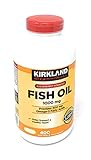
- Skip "fish oil" capsules sold in clear plastic jugs at warehouse-club prices unless they carry IFOS, USP, or NSF certification. Some do; many don't.
For brand-specific picks that meet these criteria, see our roundup of the best omega-3 supplements, and our how we review supplements methodology page for the full testing rubric.
Taking this alongside other products? StackMyMed (our companion app) logs your full stack, finds the optimal timing for each dose, and flags interactions, so you are not tracking it all by hand.
FAQ and conclusion
Is plant-based ALA enough on its own? For general health if you eat varied plant foods, probably yes. For pregnancy or any condition where DHA matters specifically, no. Add an algae-derived DHA supplement rather than relying on ALA conversion.
Is krill oil better than fish oil? On a per-mg-absorbed basis, comparable. On a cost-per-mg-of-EPA+DHA basis, usually worse. Krill is a reasonable choice if fishy reflux is a deal-breaker with regular fish oil, and you accept the higher price.
Can I just eat sardines? Yes, and that's the most cost-effective option in this entire category. Two cans of sardines a week (about 1,000 to 1,300 mg EPA+DHA per can) covers AHA's general-population recommendation with room to spare.
Does cod liver oil count? It contains EPA and DHA plus vitamin A and vitamin D. The vitamin A content is the catch: at therapeutic fish-oil doses, you can overshoot the vitamin A upper limit. Treat cod liver oil as a vitamin A and D supplement that happens to contain omega-3, not as a high-dose omega-3 product.
Are higher doses always better? No. Above 1 g/day, bleeding risk rises modestly and atrial fibrillation signal appears in trials. The dose that helps is condition-specific and best matched to the trial population. More is not better in this category.
Conclusion: the bottom line on omega-3
For most adults, the cheapest and best-evidenced omega-3 intervention is two servings of fatty fish per week. A daily supplement at 250 to 500 mg combined EPA+DHA earns its place when fish intake is low, in pregnancy when DHA needs rise, or as an adjunct in specific clinical situations under physician care. The big 2019 trials told a consistent story: VITAL found no general-population benefit at 1 g/day, while REDUCE-IT showed a real cardiovascular benefit at a 4 g/day prescription EPA dose in high-risk statin-treated patients. The supplement that helps is the one that closes a real gap, in the right form, at a dose matched to the indication.
Next steps:
- Tally your weekly fatty fish servings. If two or more, you likely don't need a daily fish oil softgel.
- If you supplement, buy a TG or rTG form with IFOS, USP, or NSF certification, and check EPA+DHA per softgel rather than total fish oil mg. Our best omega-3 supplements roundup tracks current picks against this rubric.
- If you take warfarin or any antiplatelet, do not start high-dose fish oil without your prescriber's sign-off.
- Curious how we vet brands and trials? See how we review supplements and the author page for Sarah Thompson.
This article is for informational purposes and not medical advice. Omega-3 supplementation can interact with anticoagulant and antiplatelet medications and may not be appropriate during pregnancy or before surgery without medical guidance. Consult a licensed physician before starting any supplement, particularly if you are pregnant, nursing, taking prescription medications, or managing a chronic condition.
Reviewed by Sarah Thompson, Registered Dietitian, focused on vitamin and mineral nutrition.
Recommended Products


As an Amazon Associate, UsefulVitamins.com earns from qualifying purchases at no extra cost to you. We only recommend products supported by published research or third-party testing.
