
Emily Collins, Nutrition Researcher (Supplements & Superfoods)

Emily Collins, as a nutrition researcher, is responsible for providing in-depth insights and analysis on supplements and superfoods. Her articles on UsefulVitamins.com delve into the benefits, potential drawbacks, and evidence-based recommendations for various supplements and superfoods. Emily's expertise in nutrition research ensures that readers receive accurate and reliable information to make informed choices about incorporating these products into their health routines.

Pramlintide (Symlin) Explained: The Amylin Analog Used Alongside Insulin

If you take mealtime insulin and still struggle with blood sugar spikes after meals, you may have been told there is nothing else left to try. Is that actually true? And if another FDA-approved injectable exists for exactly that situation, why has almost no one heard of it? Pramlintide — sold as Symlin — has […]

Pramlintide (Symlin) Explained: The Amylin Analog Used Alongside Insulin Read More »
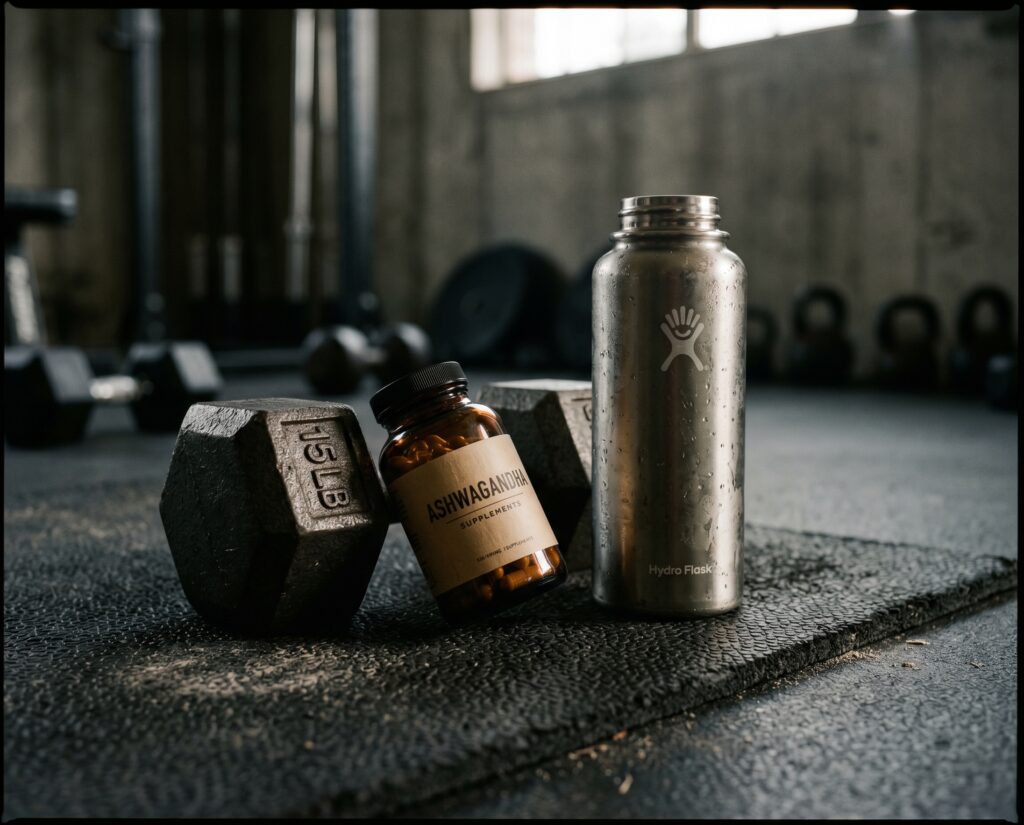
Ashwagandha and Testosterone: What the Wankhede 2015 RCT Actually Showed

If you're searching for whether ashwagandha genuinely raises testosterone, the short answer is: it can modestly, but mainly in men who are already training hard or running below their natural baseline — the effect in men with fully normal testosterone is small enough that you might not notice it. This article breaks down the specific

Ashwagandha and Testosterone: What the Wankhede 2015 RCT Actually Showed Read More »

KSM-66 vs Sensoril: The Two Ashwagandha Extracts and When Each One Wins

If you're comparing KSM-66 and Sensoril to figure out which ashwagandha extract is actually worth buying, the short answer is: both have legitimate human trial data, but they target slightly different outcomes and dose ranges. KSM-66 has a larger volume of RCT evidence, particularly for stress and cortisol. Sensoril uses a combined root-and-leaf extract with

KSM-66 vs Sensoril: The Two Ashwagandha Extracts and When Each One Wins Read More »

Exenatide (Byetta, Bydureon) Explained: The First GLP-1 and Why It Came From a Lizard

If you have heard that Ozempic owes its existence to a lizard, the honest answer is yes — but the full story runs through a Bronx veterans' hospital, three decades of skepticism, and a regulatory landscape that looked very different before anyone had heard of semaglutide. Exenatide was the first GLP-1 receptor agonist to reach

Exenatide (Byetta, Bydureon) Explained: The First GLP-1 and Why It Came From a Lizard Read More »

Dulaglutide (Trulicity) Explained: A Weekly GLP-1 With a Cardiovascular Outcomes Story

If you are reading about Trulicity because someone in your life takes it for weight loss, the first thing worth knowing is that dulaglutide does not have an FDA-approved weight-management indication. It never has. The confusion is understandable — Trulicity belongs to the same GLP-1 receptor agonist drug class as Ozempic and Wegovy, and the

Dulaglutide (Trulicity) Explained: A Weekly GLP-1 With a Cardiovascular Outcomes Story Read More »

Lion’s Mane for Focus: What the Mori 2009 RCT Showed and What It Didn’t

If you're searching for whether lion's mane mushroom improves focus, the honest answer is: it may support cognitive function in older adults with mild cognitive decline, but the evidence for healthy adults trying to sharpen a workday is nearly absent. The single most-cited human RCT tested lion's mane in Japanese adults aged 50-80 with mild

Lion’s Mane for Focus: What the Mori 2009 RCT Showed and What It Didn’t Read More »

Liraglutide (Saxenda, Victoza) Explained: The Daily GLP-1 That Started the Class

If you have heard about Ozempic or Wegovy in the past few years, you may not realize those drugs belong to a class that has been in clinical use since 2010, built on a molecule called liraglutide. The natural question is whether the original version is still relevant now that once-weekly alternatives dominate the headlines.

Liraglutide (Saxenda, Victoza) Explained: The Daily GLP-1 That Started the Class Read More »

Abaloparatide (Tymlos) Explained: The Second FDA-Approved Bone-Builder

Osteoporosis drugs have a reputation problem. Most people picture them as bone-preserving at best — slowing breakdown, not adding new tissue. That impression is accurate for bisphosphonates, which is exactly why a second FDA-approved anabolic peptide often surprises people. If your doctor mentioned abaloparatide, your first questions are probably: Is this just another version of

Abaloparatide (Tymlos) Explained: The Second FDA-Approved Bone-Builder Read More »

Calcitonin (Salmon) Explained: An Older Bone Peptide With a Narrowed Indication

Salmon calcitonin has been around long enough that most physicians learned about it before newer bone drugs existed. It was FDA-approved decades ago, once used widely for osteoporosis, and still carries approved indications today. But it also carries something else: a 2014 regulatory narrowing driven by a cancer risk signal and, separately, a long-running question

Calcitonin (Salmon) Explained: An Older Bone Peptide With a Narrowed Indication Read More »

Ashwagandha vs Rhodiola for Stress: Which Adaptogen Wins (and When to Stack Them)

If you're weighing ashwagandha vs rhodiola for stress, you're asking a genuinely good question, because the honest answer is: they work through different mechanisms, at different times of day, and for somewhat different stress profiles — neither one is simply better. This article breaks down the RCT evidence for each, where each adaptogen has a

Ashwagandha vs Rhodiola for Stress: Which Adaptogen Wins (and When to Stack Them) Read More »

Scroll to Top