Emily Collins, Nutrition Researcher (Supplements & Superfoods)

Emily Collins, as a nutrition researcher, is responsible for providing in-depth insights and analysis on supplements and superfoods. Her articles on UsefulVitamins.com delve into the benefits, potential drawbacks, and evidence-based recommendations for various supplements and superfoods. Emily's expertise in nutrition research ensures that readers receive accurate and reliable information to make informed choices about incorporating these products into their health routines.

Rhodiola for Energy: How the Adaptogen Performs Against Caffeine and B-Vitamins

If you're asking whether rhodiola is a good choice for energy, the honest answer is: it can be, but only for a specific kind of fatigue — the stress-driven, HPA-axis-mediated kind, not the kind you fix with a stronger coffee. This article breaks down what the clinical evidence actually shows for rhodiola and energy, how […]

Rhodiola for Energy: How the Adaptogen Performs Against Caffeine and B-Vitamins Read More »
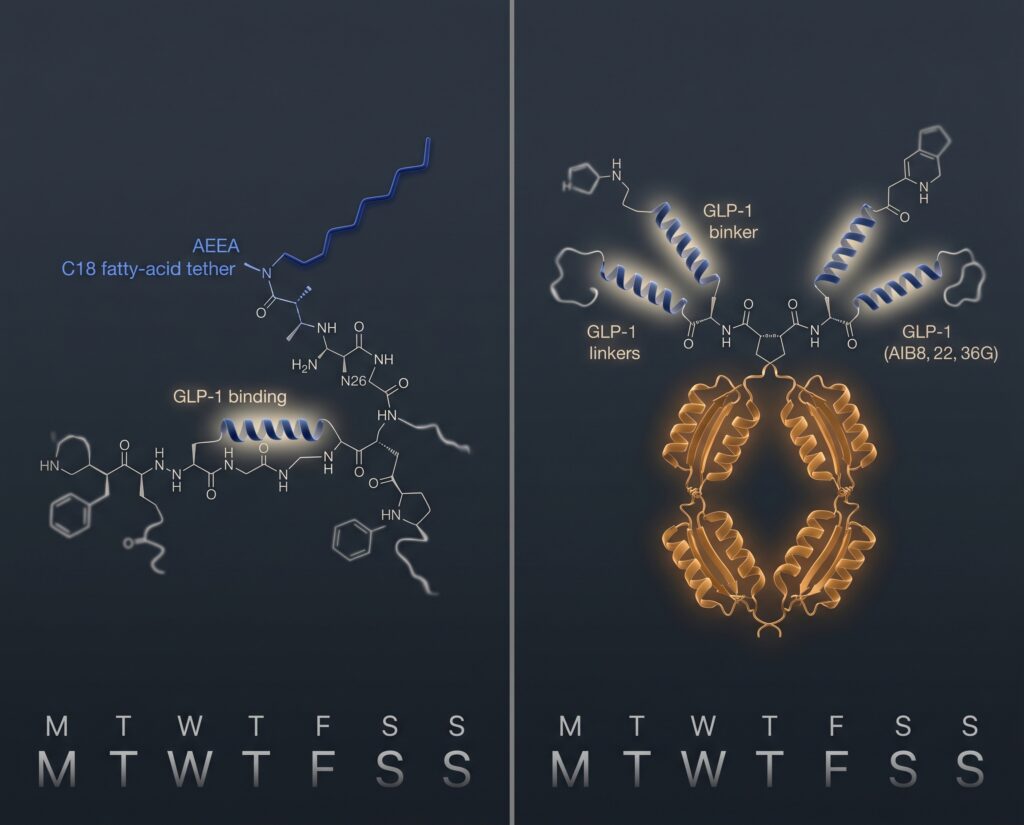
Ozempic vs. Trulicity: Comparing Two Weekly GLP-1 Peptides

Both drugs are weekly GLP-1 injections, both treat type 2 diabetes, and both land in the same pharmacy aisle. So when a patient asks "what is actually different between Ozempic and Trulicity?", the honest answer is: more than the brand names suggest, and the trial data makes those differences measurable. That said, the comparison only

Ozempic vs. Trulicity: Comparing Two Weekly GLP-1 Peptides Read More »

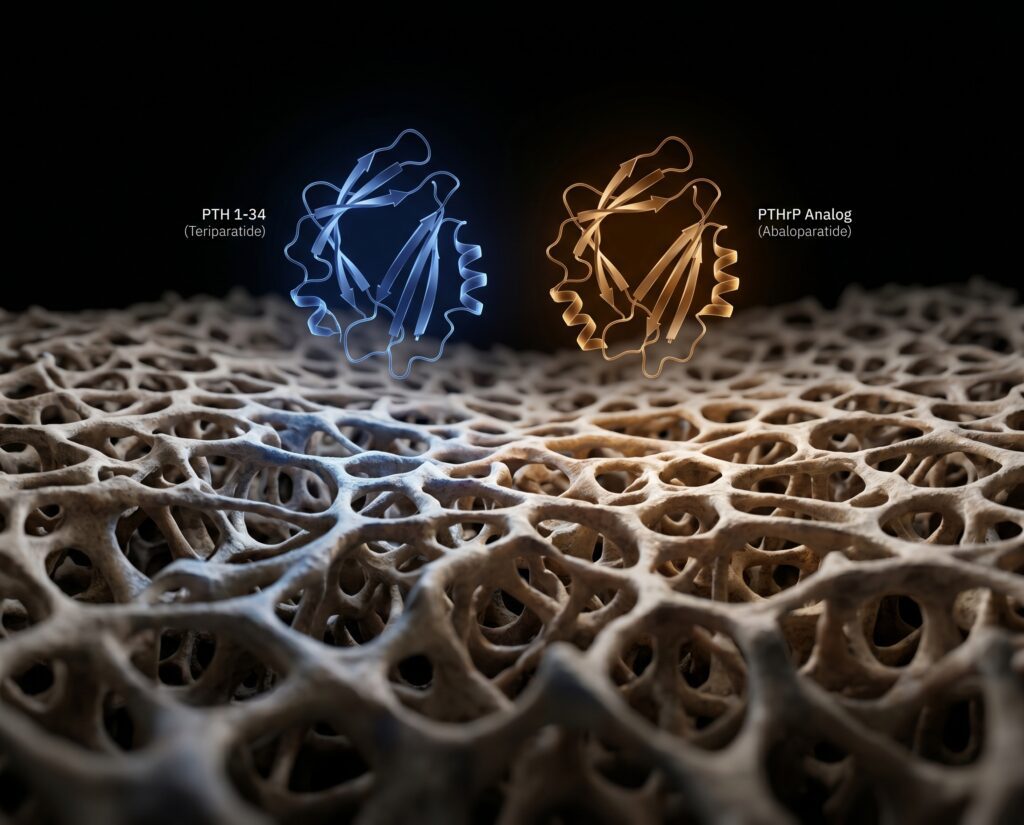
Teriparatide vs. Abaloparatide: Comparing the Two FDA-Approved Bone-Building Peptides

If your doctor has raised the subject of bone-building injections for osteoporosis, you have likely encountered two names: teriparatide (Forteo) and abaloparatide (Tymlos). Both require a daily subcutaneous shot, both are capped at 24 months of lifetime use, and both target the parathyroid hormone receptor. So which one is better — and does the difference

Teriparatide vs. Abaloparatide: Comparing the Two FDA-Approved Bone-Building Peptides Read More »

Lion’s Mane Fruiting Body vs Mycelium: Why the Label Matters More Than You Think

If you're comparing lion's mane fruiting body vs mycelium, the short answer is: the distinction matters enormously for supplement quality, and most products on store shelves fail the quality test. This article breaks down how the two forms differ biologically, which was used in the major human RCTs, and how to distinguish a legitimate extract

Lion’s Mane Fruiting Body vs Mycelium: Why the Label Matters More Than You Think Read More »

Lion’s Mane Side Effects: A Practical 2026 Safety Guide for Hericium erinaceus

If you're asking whether lion's mane (Hericium erinaceus) is safe to take, the honest answer is: for most healthy adults, yes — but the side-effect profile is not zero, and a few specific groups face real risks. This guide covers what the clinical trials actually reported as adverse events (mostly mild GI symptoms), the case

Lion’s Mane Side Effects: A Practical 2026 Safety Guide for Hericium erinaceus Read More »

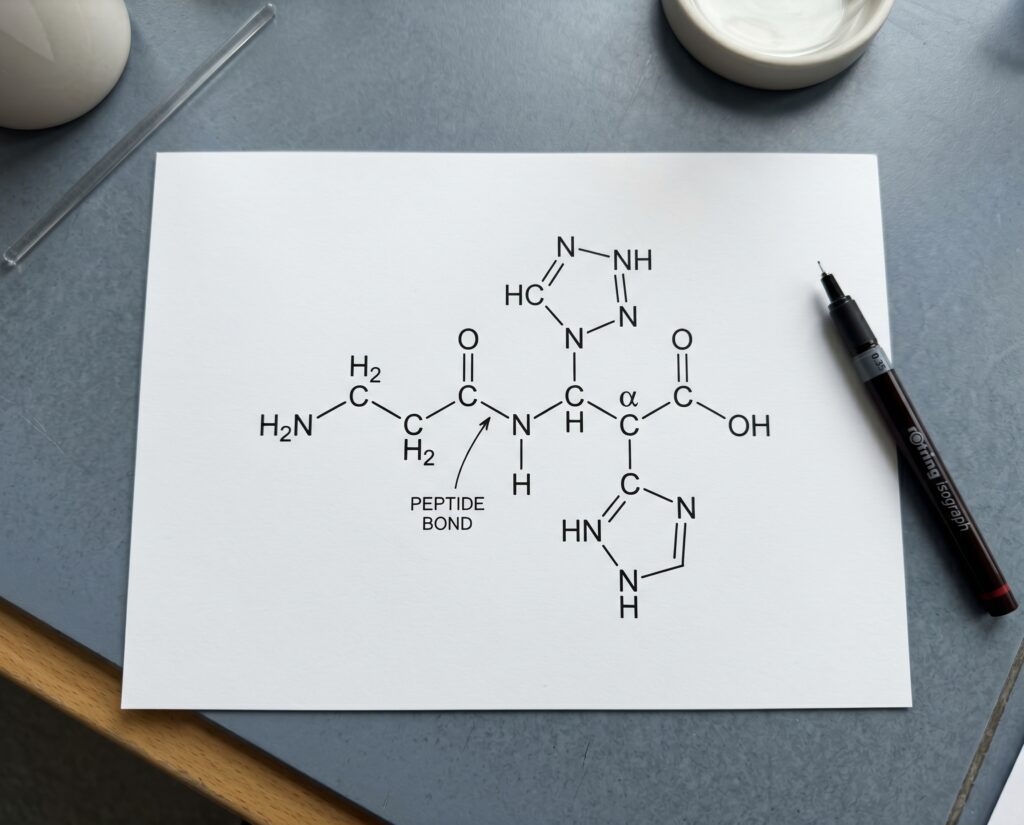
Carnosine Explained: The Beta-Alanyl-Histidine Dipeptide Sold as a Supplement

You have seen carnosine on supplement shelves, anti-aging skincare labels, and sports nutrition forums. The pitch is appealing: a naturally occurring dipeptide that buffers muscle acid during exercise, scavenges damaging glycation products, and slows cellular aging. But if you have ever swallowed a carnosine capsule and wondered whether any of it actually reached your muscles

Carnosine Explained: The Beta-Alanyl-Histidine Dipeptide Sold as a Supplement Read More »

SS-31 (Elamipretide) Explained: A Mitochondrial Peptide in Late-Stage Trials

You may have encountered SS-31 in a longevity blog, a biohacking forum, or — if you searched long enough — listed in the catalog of a grey-market peptide vendor. The pitch is usually some version of: "mitochondrial optimizer, clinically tested, fights aging at the cellular level." The reasonable question is whether any of that reflects

SS-31 (Elamipretide) Explained: A Mitochondrial Peptide in Late-Stage Trials Read More »

Lion’s Mane for Anxiety: The Nagano 2010 Menopause Trial and Where the Evidence Sits

If you've been searching "lion's mane for anxiety," the short answer is: one small human RCT suggests it may help in menopausal women, but the evidence base is too thin to generalize. This article breaks down exactly what that trial found, what the proposed biological mechanism looks like, and how lion's mane compares to other

Lion’s Mane for Anxiety: The Nagano 2010 Menopause Trial and Where the Evidence Sits Read More »

Ashwagandha Side Effects: The Complete 2026 Reference for Withania somnifera

If you're searching "ashwagandha side effects," you already suspect the botanical wellness narrative may be leaving something out. The honest answer is: ashwagandha is generally well-tolerated at clinical doses, but it carries a documented risk profile that most supplement marketing ignores — including thyroid disruption, liver injury case reports, autoimmune flare potential, and meaningful drug

Ashwagandha Side Effects: The Complete 2026 Reference for Withania somnifera Read More »

Sermorelin Explained: A GHRH Analog That Was FDA-Approved, Then Wasn’t

Sermorelin is a strange case. It was once FDA-approved — sold as Geref, studied in multicenter pediatric trials, used in endocrine clinics for more than a decade. The manufacturer voluntarily pulled it from the market in 2008 for commercial reasons, not safety concerns. And now it lives almost entirely as a compounded peptide marketed by

Sermorelin Explained: A GHRH Analog That Was FDA-Approved, Then Wasn’t Read More »

Scroll to Top