
If you're searching for the best protein powder while on Wegovy or Zepbound, the honest answer is: most will work, but most are also over-engineered for your actual situation. GLP-1 medications suppress appetite sharply, so the protein powder that fits your life is the one you'll actually drink when eating 1,200-1,500 calories feels like enough. This article breaks down whey isolate vs plant-based vs collagen, names a top pick for each scenario, and flags the products worth skipping. You'll also get the dosing math for preserving muscle during GLP-1-assisted weight loss, notes on GI tolerability (because some powders hit differently when your gastric emptying is slowed), and a value comparison between the premium options and cheaper generics that deliver the same protein per gram.
Affiliate disclosure: this article contains affiliate links. As an Amazon Associate, UsefulVitamins.com earns from qualifying purchases at no extra cost to you.
TL;DR
Top Pick: Transparent Labs Whey Protein Isolate earns the nod for most GLP-1 users. Third-party tested, 28 g protein per scoop, no fillers, and one of the cleaner labels in the category. If you're vegan, KOS Plant Protein or Garden of Life Sport are the better fit. If GI tolerance is your constraint, Vital Proteins Collagen Peptides stacked with a small whey dose covers the gap. Budget-conscious buyers should look at Optimum Nutrition Gold Standard Whey at roughly half the price per serving.
Table of Contents
- Who this is for / who should skip it
- How we picked
- Comparison table
- Top Pick: Transparent Labs Whey Protein Isolate
- Premium choice: Naked Whey Grass-Fed
- Budget pick: Optimum Nutrition Gold Standard Whey
- Best for plant-based / vegan: KOS Plant Protein
- Best for vegan + third-party verified: Garden of Life Sport Organic Plant Protein
- Best collagen-blended option: Ritual Essential Protein + Vital Proteins Collagen Stack
- Skip these
- How to use: dosing for GLP-1 users
- Side effects and interactions
- What the research shows
- FAQ
Who it's for / who should skip it {#who-its-for}
Strong fit:
- Adults on semaglutide (Wegovy, Ozempic used off-label for weight loss) or tirzepatide (Zepbound, Mounjaro off-label) who are eating noticeably less than before and concerned about losing muscle alongside fat.
- People who are physically active, 35+, and want to hit 100-130 g protein per day without eating five full meals.
- Anyone who has trouble tolerating high-fiber plant foods in the first 8-12 weeks of GLP-1 therapy when GI side effects are most pronounced. A well-chosen protein powder is easier on the stomach than a large chicken breast. If eating fewer high-fiber foods starts to back things up, our guide to choosing a fiber supplement while on a GLP-1 covers gentle ways to close that gap.
- Vegetarians and vegans who need a complete amino-acid source without meat.
Skip protein powder supplementation if:
- You're already eating 1.0 g/kg body weight in protein from whole foods consistently. Adding a powder on top adds calories you may not need.
- You have kidney disease. Higher protein intake requires a clinician's sign-off first; protein powder makes it easy to overshoot.
- Your GLP-1 side effects are severe enough that you can't tolerate any supplemental drinks. In that phase, a real food-first approach with your prescribing physician matters more than optimization.
- You're looking for a collagen product to replace a complete protein source. Collagen is not a substitute for a full essential amino acid profile; more on that in the collagen section below.
For a broader picture of why muscle loss is the under-discussed risk of rapid GLP-1-assisted weight loss, see supplements for GLP-1 muscle loss.
How we picked {#how-we-picked}
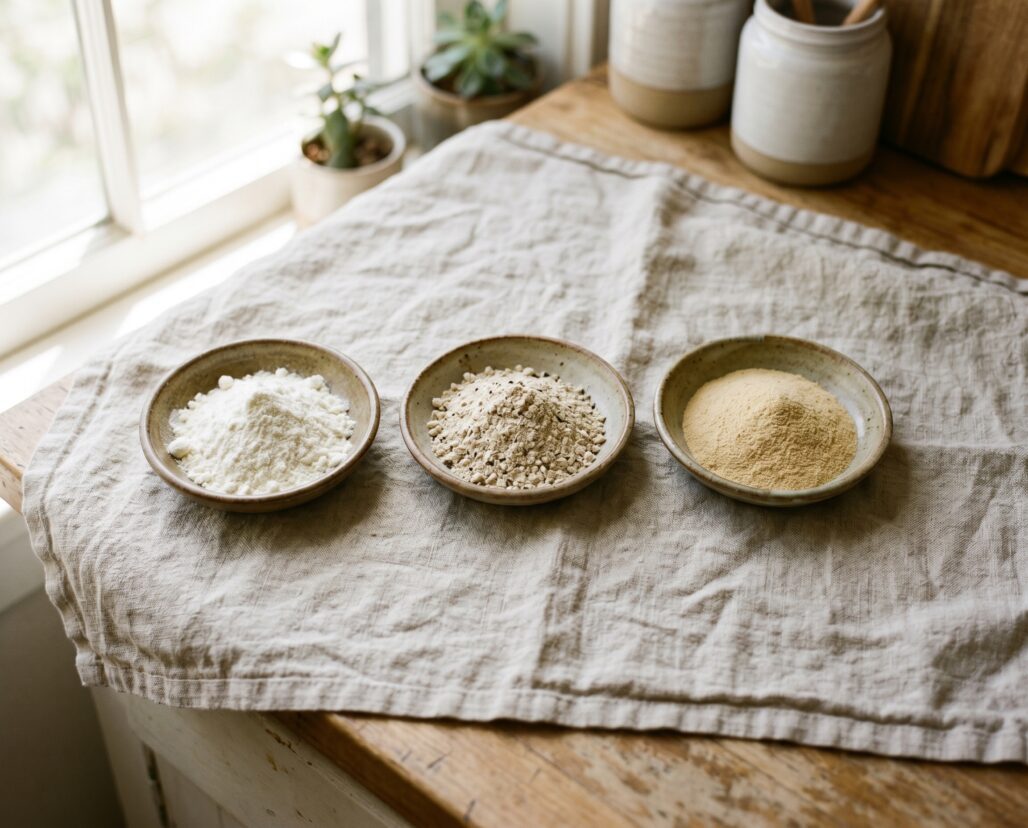
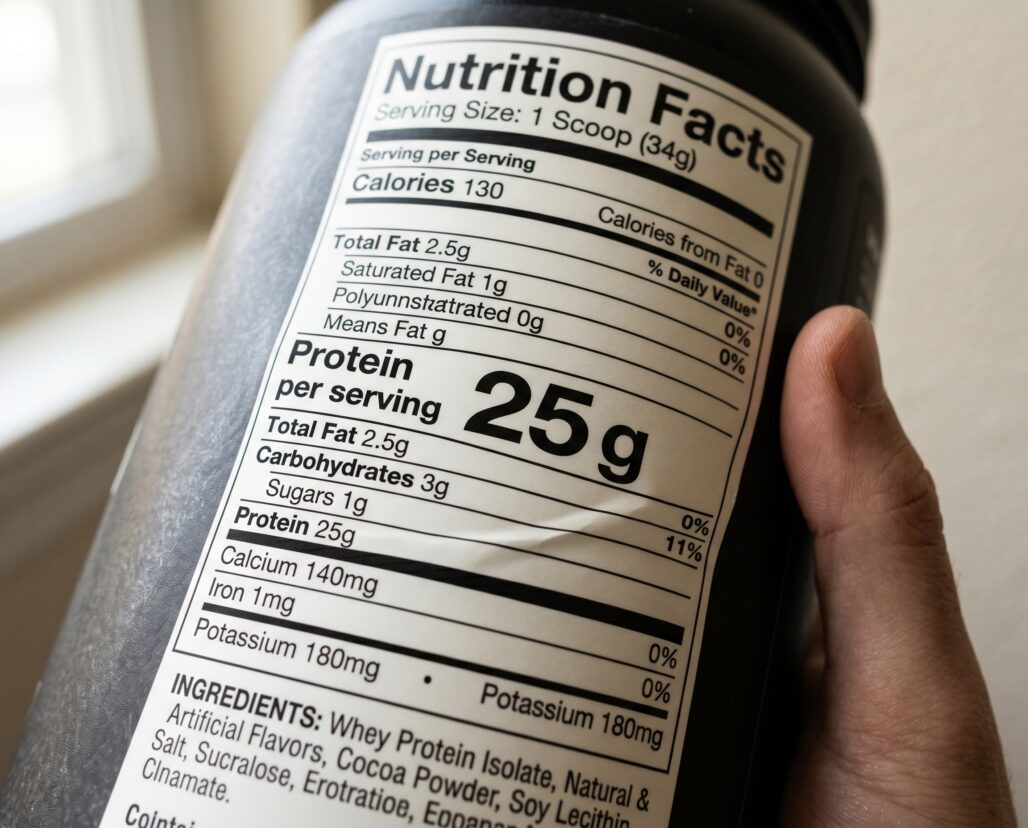
We filtered the top-selling protein powders across Amazon and specialty retail for: independently third-party tested (NSF Certified for Sport, Informed Sport, or ConsumerLab verified), protein per serving above 20 g for whey/plant options, cost per gram of protein below $0.10 for budget picks and below $0.15 for premium options, and ingredients lists short enough to read in under 30 seconds. We excluded proprietary blends that obscure individual ingredient doses and products relying solely on brand reputation rather than current testing records. Where form matters (isolate vs concentrate, pea vs rice blend), we noted the difference explicitly so you're not guessing at the label.
Comparison table {#comparison-table}
| Brand | Form | Protein per serving | Cost/serving (approx.) | Third-party verified | Best for |
|---|---|---|---|---|---|
| Transparent Labs Whey | Whey isolate | 28 g | $1.99 | Yes (Informed Choice) | Most GLP-1 users; clean label |
| Naked Whey Grass-Fed | Whey concentrate | 25 g | $1.75 | Yes (Informed Sport) | Minimalist buyers |
| Optimum Nutrition Gold Standard | Whey blend (isolate + concentrate) | 24 g | $0.90 | Yes (Informed Sport) | Budget-conscious |
| KOS Plant Protein | Pea + flax + quinoa + pumpkin seed blend | 20 g | $1.40 | Yes (third-party tested) | Vegan; mild GI tolerance |
| Garden of Life Sport Organic | Pea + sprouted grain blend | 30 g | $1.80 | Yes (NSF Certified for Sport) | Vegan + athletes |
| Ritual Essential Protein | Pea isolate | 20 g | $2.00 | Yes (Informed Sport) | Vegan; subscription buyers |
| Vital Proteins Collagen Peptides | Collagen peptides (bovine) | 18 g collagen peptides (NOT complete protein) | $1.20 | No standard sports cert | Stacking with whey; joint support |
Cost per serving is approximate and varies by retailer and bundle size as of Q2 2026.
Top Pick: Transparent Labs Whey Protein Isolate {#top-pick}
Form: whey protein isolate (cold-processed, cross-flow microfiltration)
Protein per serving: 28 g
Best for: most GLP-1 users wanting clean, high-protein per scoop
Why we picked it: Transparent Labs earns its name. The label shows exact ingredient amounts, no proprietary blend, and every batch is Informed Choice certified, meaning a third party checks for banned substances and label accuracy. At 28 g of isolate per scoop, it delivers the highest protein density of any option we reviewed, which matters when you're eating less overall and need each calorie to count.
The trade-off: At roughly $1.99 per serving, it costs more than twice what Optimum Nutrition charges. You're paying for isolate purity (lower lactose, lower fat) and the testing overhead, not a fundamentally different effect on muscle protein synthesis. If your GI system handles concentrate fine, the premium is real but not essential.
Skip if: You have no history of lactose sensitivity and don't care about third-party certification for specific sports compliance. Optimum Nutrition Gold Standard delivers nearly identical protein outcomes at half the cost.
Actionable takeaway: The right call for GLP-1 users who want a low-lactose option that won't aggravate GI side effects and are willing to pay for audited quality.
Premium choice: Naked Whey Grass-Fed {#premium-choice}
Form: whey protein concentrate (grass-fed, cold-processed)
Protein per serving: 25 g
Best for: buyers who want minimal processing and the shortest ingredient list available
Why we picked it: Naked Whey's ingredient list is literally one item: whey protein concentrate from grass-fed cows. No lecithin, no gums, no natural flavors. For GLP-1 users already managing a list of side effects, removing variables from their supplement stack is appealing. Informed Sport certified.
The trade-off: Concentrate means more lactose than an isolate. If you are already experiencing nausea or slower gastric emptying on your GLP-1, the extra lactose may compound GI discomfort. The unflavored version mixes best but is not pleasant on its own, so budget for a smoothie or strong coffee base.
Skip if: You have any degree of lactose intolerance. An isolate is the cleaner choice. Also skip if you need flavored convenience, the unflavored-only format is genuinely harder to use daily.
Actionable takeaway: Naked Whey at $1.75 per serving vs Transparent Labs at $1.99 per serving is not a meaningful premium difference. The real choice is isolate (lower lactose) vs concentrate (shorter processing). Pick based on GI history.
Budget pick: Optimum Nutrition Gold Standard Whey {#budget-pick}
Form: whey isolate + concentrate blend (isolate as primary ingredient)
Protein per serving: 24 g
Best for: cost-conscious buyers; first-time protein supplement users
Why we picked it: Optimum Nutrition Gold Standard has been Informed Sport certified for years, has a substantial third-party testing track record, and at roughly $0.90 per serving it is half to a third the price of premium options. The isolate-first blending keeps lactose lower than a pure concentrate.
The value comparison in plain numbers: Transparent Labs Whey Isolate at $1.99/serving vs Optimum Nutrition Gold Standard at $0.90/serving. On a 30-serving tub, that is $32.70 more for Transparent Labs. What does that premium buy? Slightly higher protein per scoop (28 g vs 24 g), an exclusively isolate formula rather than a blend, and a more scrutinized batch process. If budget is tight, the muscle-preserving outcome on a GLP-1 protocol is not meaningfully different between these two. You're paying for the brand assurance and purity level, not a different metabolic effect.
Skip if: You want the absolute cleanest label. Gold Standard includes soy lecithin and artificial sweeteners; that matters to some buyers and not at all to others.
Actionable takeaway: If you're starting a protein powder habit on a GLP-1 protocol and aren't sure you'll stick with it, start here. Lower cost, credible testing, and widely available.
Best for plant-based / vegan: KOS Plant Protein {#best-plant-based}
Form: pea protein + flaxseed + quinoa + pumpkin seed + chia blend
Protein per serving: 20 g
Best for: vegans; people with dairy intolerance; mild GI needs
Why we picked it: KOS uses a five-ingredient plant blend that, unlike pure pea protein, comes closer to a complete amino acid profile. The combination of pea (leucine-rich) with pumpkin seed and quinoa (methionine and cysteine sources) fills the gaps that a single plant source leaves open. Third-party tested. The flavor profile is also one of the better-tasting plant powders, which matters when appetite suppression is already working against consistent intake.
The trade-off: 20 g per serving is lower than whey options. On a reduced-calorie GLP-1 diet, you may need two scoops to hit your daily protein target, which doubles the cost and calorie load from this source. Budget accordingly.
Skip if: You need 25+ g per serving in a single scoop, or you have a pea protein sensitivity (some people report bloating specifically from pea isolate; the multi-source blend here may reduce that risk but doesn't eliminate it entirely).
Actionable takeaway: Solid plant-based entry for GLP-1 users who are avoiding dairy. Pair with a leucine-rich food at lunch to support muscle protein synthesis if staying at 20 g per serving.
Best for vegan + third-party verified: Garden of Life Sport Organic Plant Protein {#garden-of-life}
Form: organic pea protein + sprouted navy bean + lentil + garbanzo bean + cranberry protein
Protein per serving: 30 g
Best for: vegan athletes; high-protein-per-scoop priority; NSF Certified buyers
Why we picked it: 30 g of plant protein per serving is rare. NSF Certified for Sport is the most rigorous third-party certification available in the U.S. market. For competitive athletes on GLP-1 therapy who need to verify that what's in the tub matches the label and contains no banned substances, this is the pick. The sprouted-grain base is also better tolerated by some people with sensitive digestion than a single pea isolate.
The trade-off: At $1.80/serving it is not cheap. The texture is thicker than most whey powders, which takes some getting used to. The ingredient list is longer than KOS but each ingredient is functional and disclosed fully.
Skip if: You don't need NSF certification and want a simpler ingredient list. KOS is a cleaner, lower-cost choice for non-athlete vegan users.
Actionable takeaway: The default pick for any vegan GLP-1 user who is also an athlete, in a tested sport, or simply wants the highest plant-protein-per-scoop available.
Best collagen-blended option: Ritual Essential Protein + Vital Proteins Collagen Stack {#best-collagen}
Form (Ritual): pea protein isolate, 20 g per serving
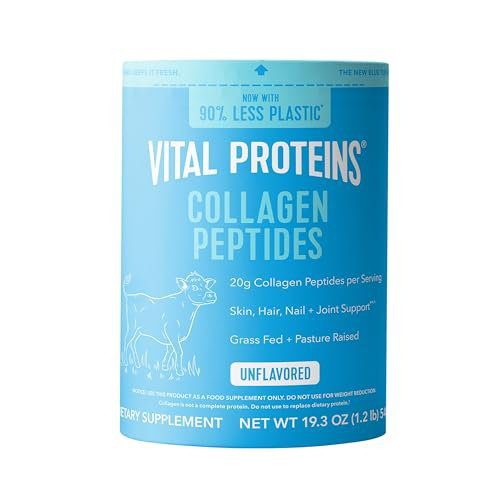
Form (Vital Proteins): bovine collagen peptides, 18 g collagen peptides per serving
A word on collagen before the pick: Collagen is not a replacement for a complete protein source. It is low in tryptophan and lacks a full essential amino acid (EAA) profile. Think of it like a kitchen knife set where you have every specialty knife but no chef's knife: useful for specific jobs, not for everything. For GLP-1 users focused on muscle retention, collagen alone will not cover your protein needs. The value of collagen peptides on a GLP-1 protocol is additive: supporting connective tissue (tendons, ligaments, skin elasticity) during rapid weight loss, stacked with a complete protein source.
Why we picked Ritual Essential Protein for the primary layer: Ritual is Informed Sport certified, uses a pea isolate base (complete EAA profile when combined with their rice protein addition), and discloses every ingredient with sourcing. The monthly subscription pricing brings cost per serving to roughly $2.00, which is higher than average, but the testing record and transparent sourcing earn it.
Why we picked Vital Proteins Collagen Peptides for the collagen layer: Vital Proteins is the most widely available collagen peptide product in the U.S., dissolves cleanly in hot or cold liquids, and at $1.20/serving is reasonably priced for the category. It does not carry an NSF or Informed Sport certification. If sports certification matters to you, consider a NSF-certified collagen alternative.
Skip the collagen stack if: You're watching total calorie intake closely. Two scoops (complete protein + collagen) adds 38 g combined "protein" but only 20 g of complete protein with a full EAA profile. The collagen grams are real but not equivalent to whey or pea on a per-gram basis for muscle protein synthesis.
Actionable takeaway: Stack Ritual or another certified pea/whey protein as your base, and add Vital Proteins Collagen Peptides separately if joint and connective tissue support during weight loss is a specific goal. Do not count collagen grams toward your muscle-preservation protein target.
Brands and products to skip {#skip-these}
Skip: any protein powder listing a "proprietary blend" with no per-ingredient disclosure
If the label lists a "protein matrix" or "amino acid complex" without telling you exactly how many grams of whey isolate vs concentrate vs casein are in each serving, you cannot evaluate what you are buying. Some proprietary blends use a small amount of an expensive form to justify a premium price, then fill the rest with cheaper forms. '#1 best-seller on Amazon' should never be the only reason to buy a supplement. Proprietary blend masking is common in value-positioned tubs with aggressive marketing. Require full ingredient-level disclosure before purchasing.
Skip: collagen-only "protein powders" marketed as complete meal replacements
Several brands market high-collagen tubs as meal-replacement protein shakes for weight loss audiences, including GLP-1 users. The problem: collagen has a poor score on the PDCAAS (Protein Digestibility Corrected Amino Acid Score) scale because it is deficient in tryptophan. Using collagen as your sole protein source during a caloric deficit on GLP-1 therapy puts you at real risk of lean-mass loss. The label will show 18-20 g "protein" per serving, but that number is not equivalent to 18-20 g of whey or soy in terms of muscle protein synthesis support. If you've seen a collagen shake advertised heavily alongside GLP-1 content on social media, that's marketing budget, not a muscle-preservation strategy.
How to use: dosing for GLP-1 users {#how-to-use}
Daily protein target during GLP-1-assisted weight loss
The evidence-based target for preserving lean mass during a caloric deficit is 0.8-1.2 g of protein per kilogram of body weight per day, with most researchers and dietitians working with GLP-1 patients citing the higher end of that range (1.0-1.2 g/kg) as the practical goal when total calorie intake is restricted.
For a 90 kg (200 lb) person eating 1,400 calories per day on a GLP-1 protocol, that means targeting 90-108 g of protein. If whole-food intake covers 60-70 g (two eggs, a chicken breast, Greek yogurt), a single 28-30 g protein shake fills the gap without adding excessive calories.
A 2019 meta-analysis (Conlin et al., Nutrients) examining protein intake during energy restriction found that higher protein intakes were consistently associated with better preservation of lean body mass, with no meaningful additional benefit above ~1.6 g/kg for most non-competitive-athlete populations.
Timing
Protein timing on GLP-1 therapy requires a practical adjustment. Because semaglutide and tirzepatide slow gastric emptying, a large protein shake immediately after a meal may compound fullness to the point of discomfort. Two approaches that tend to work better:
- Shake as a morning meal replacement, when appetite suppression is often strongest and eating solid food feels least appealing. A 250-300 calorie shake with 25-30 g protein keeps you fueled without fighting a full stomach.
- Split your daily target across two smaller shakes (15 g each) rather than one large serving, if GI side effects are pronounced.
Avoid taking protein shakes within two hours of your GLP-1 injection site if you are using a subcutaneous pen; this is not a pharmacological interaction but a comfort consideration.
Stacking with creatine
The combination of adequate protein intake and creatine monohydrate (3-5 g/day) has a reasonable evidence base for muscle preservation during weight loss. For GLP-1 users specifically, a 2019 systematic review (Krzysztofik et al., Journal of Human Kinetics) found creatine supplementation supported lean mass and strength outcomes during resistance training. If you're not resistance training at all, creatine provides less benefit. But if you are doing any form of strength work alongside your GLP-1 protocol, creatine + adequate protein is the most evidence-supported combination available without a prescription.
Mix creatine monohydrate directly into your protein shake. It dissolves in liquid with no flavor impact.
Side effects and interactions {#side-effects}
GI tolerability on GLP-1 medications
GLP-1 receptor agonists slow gastric emptying. This changes how supplemental protein feels. The most common complaint: drinking a protein shake feels overly filling, nauseating, or causes reflux. Three practical adjustments:
- Switch to isolate from concentrate. Whey isolate has most of the lactose removed (typically under 1 g per serving vs 3-5 g for concentrate). For many users this reduces bloat and gas.
- Use smaller serving sizes more frequently instead of one large shake. Half a scoop twice a day is functionally identical to one full scoop and easier on a slowed GI tract.
- Avoid shakes within 30-60 minutes of lying down. GLP-1-induced slowed gastric emptying makes post-meal reflux more common.
Lactose sensitivity and whey
Even whey isolate is not entirely lactose-free, though it is very low. If you have diagnosed lactose intolerance or find that whey isolate still causes symptoms, a plant-based option (pea protein, rice protein blend) eliminates the variable. Plant proteins do not slow digestion in the way dairy-based options might for sensitive individuals.
Drug interactions
Protein powder itself has no known pharmacokinetic interactions with semaglutide or tirzepatide. The interaction to watch is protein intake and metformin: high-protein diets can modestly increase homocysteine over time, and metformin depletes B12 through a separate mechanism. If you are on both GLP-1 therapy and metformin, discuss B12 monitoring with your prescribing physician. This is a nutrition-management note, not a contraindication to using protein powder.
For a broader overview of how GLP-1 medications work and what to monitor, see the complete guide to semaglutide.
What the research shows {#research}
The case for protein supplementation during caloric-deficit weight loss is not complicated by controversy. Protein's role in preserving lean mass during energy restriction is one of the better-replicated findings in sports nutrition and clinical dietetics.
A 2019 study by Conlin et al. (Nutrients, n=48) comparing moderate-protein (1.0 g/kg) vs high-protein (2.3 g/kg) diets during a supervised caloric deficit found that the higher-protein group preserved significantly more lean mass despite equivalent calorie restriction. The muscle-sparing effect was present even without resistance training, though resistance training amplified it.
A 2019 systematic review by Krzysztofik et al. (Journal of Human Kinetics) across 22 RCTs confirmed that protein supplementation during resistance training consistently supported lean mass, with no single form (whey vs casein vs plant) showing a clinically meaningful advantage when total protein was matched. The form question is about tolerability and bioavailability, not a fundamentally different muscle outcome.
The practical implication for GLP-1 users: GLP-1 medications create the caloric deficit automatically. Your job is to make sure the calories you do eat are disproportionately protein, so the weight you lose comes from fat, not from muscle. Protein powder is a calorie-efficient tool for that goal, not a magic addition to your protocol.
For background on why muscle loss specifically is a risk with GLP-1 therapy, and which other supplements support lean mass, see supplements for GLP-1 muscle loss.
For a comparison of whey isolate options specifically, see best whey protein isolate for GLP-1 users.
FAQ {#faq}
How much protein do I need per day on Wegovy or Zepbound?
Target 0.8-1.2 g of protein per kilogram of body weight daily during active weight loss. For a 90 kg person, that is roughly 90-108 g per day. Most people eating 1,200-1,600 calories on a GLP-1 protocol fall short of this without intentional effort. A 25-30 g protein shake once per day closes most gaps.
When is the best time to take protein powder on GLP-1 therapy?
Morning works best for most users because appetite suppression is often strongest then and a liquid meal is easier to tolerate. Avoid large shakes within 60-90 minutes of bedtime if GI symptoms are active, since slowed gastric emptying increases reflux risk at night.
Can I take protein powder with creatine while on a GLP-1 medication?
Yes. There is no known interaction between creatine monohydrate and semaglutide or tirzepatide. Mix creatine directly into your protein shake for convenience. The combination of adequate protein plus 3-5 g/day of creatine monohydrate is the most evidence-supported supplement pairing for lean mass preservation during GLP-1-assisted weight loss.
How long before I notice effects on muscle preservation?
Muscle loss prevention is not something you feel; it shows up in DEXA scan or bioimpedance data over 3-6 months. If you are resistance training alongside your GLP-1 protocol and meeting protein targets, you should notice maintained or improved strength even as the scale drops. If strength is falling alongside weight, protein intake or training volume likely needs adjustment.
Is a budget whey like Optimum Nutrition just as good as a premium isolate?
For most GLP-1 users, yes. The muscle protein synthesis signal from 24 g of whey in Optimum Nutrition Gold Standard is not meaningfully different from 28 g of isolate in Transparent Labs. More forms and more testing levels is not always more outcome. The premium buys you lactose reduction (isolate vs blend), a stricter testing protocol, and a cleaner label. Those factors matter to some users and are irrelevant to others.
What's the difference between whey isolate and whey concentrate for GLP-1 users?
Concentrate is less processed and retains more lactose (3-5 g per serving). Isolate is further filtered, lower in lactose (under 1 g), and slightly higher in protein per gram of powder. For GLP-1 users with existing GI sensitivity, isolate is the gentler choice. For users with no lactose issues, concentrate is fine and typically cheaper.
Can I use collagen protein as my main protein source on GLP-1 therapy?
No. Collagen peptides are not a complete protein source. They lack tryptophan and score poorly on standard amino acid completeness metrics. Use collagen as an add-on for connective tissue and skin support, not as your primary muscle-preservation protein. Any complete whey or pea protein should handle the base protein target.
Is plant protein as effective as whey for muscle preservation?
When total protein intake is matched, current evidence shows no clinically meaningful difference between whey and plant protein blends for lean mass outcomes. The 2019 Krzysztofik et al. systematic review found form mattered less than total dose. A 20-30 g plant protein serving that you can tolerate and drink consistently beats a 28 g whey serving you avoid because of GI symptoms.
As an Amazon Associate, I earn from qualifying purchases. Product recommendations are based on real reviews and independent research.
Related reading:
- Supplements for GLP-1 muscle loss: what the evidence actually supports
- Best whey protein isolate for GLP-1 users
- Best plant-based protein for Wegovy users
- Complete guide to semaglutide: dosing, side effects, and what to expect
Conclusion: the bottom line on protein powder for GLP-1 users
Protein powder is one of the more useful tools available during GLP-1-assisted weight loss, but the product category is also full of over-engineered options that charge a premium for marketing rather than outcomes. For most readers, Transparent Labs Whey Isolate is the clean, tested default. If budget matters, Optimum Nutrition Gold Standard delivers comparable protein outcomes at half the price. If you're vegan, Garden of Life Sport or KOS are both defensible choices. And if you're stacking with collagen, use Vital Proteins as an add-on, not a replacement.
Next steps:
- Calculate your protein target (0.8-1.2 g per kg body weight per day) and compare it to what you're getting from food alone
- If you're gap-filling with a shake, start with the budget pick to confirm you tolerate the format before committing to a premium tub
- If GI side effects are an issue, switch to isolate and reduce serving size before giving up on the category
- Review supplements for GLP-1 muscle loss for the broader picture of what supports lean mass during GLP-1 therapy
This article is for informational purposes and not medical advice. Protein supplements and the dietary strategies discussed here may interact with individual health conditions or medications. Consult a licensed physician or registered dietitian before making significant changes to your diet or supplement regimen, particularly if you are pregnant, nursing, taking prescription medications including GLP-1 receptor agonists, or managing a chronic condition such as kidney disease.
As an Amazon Associate, I earn from qualifying purchases. Product recommendations are based on real reviews and independent research.
