
Affiliate disclosure: this article contains affiliate links. As an Amazon Associate, UsefulVitamins.com earns from qualifying purchases at no extra cost to you.
If you're searching for the best supplements for acne, you've probably already tried a face wash that promised a clear complexion in seven days and ended up irritated instead.
Quick Answer: which supplements actually help acne?
For most people with mild to moderate inflammatory acne, a short course of zinc (around 30 mg/day of elemental zinc), 1 to 2 g/day of EPA/DHA, and correcting vitamin D if your blood level is low cover the bulk of the supportable evidence. Hormonal acne in women is its own story, and spearmint tea plus N-acetylcysteine are reasonable adjuncts there.
- Best for: adults and older teens with comedonal or mild-to-moderate inflammatory acne who are already using or planning to start a topical retinoid, and women with hormonal/PCOS-linked acne who want a nutrition layer on top of dermatologic care.
- Not ideal for: nodulocystic acne (the kind that scars and lives deep), acne that has not responded to a 12-week topical regimen, or anyone considering isotretinoin. Those scenarios belong with a board-certified dermatologist.
- What to do FIRST: see a dermatologist or your primary care clinician, ask whether a topical retinoid (adapalene, tretinoin) plus benzoyl peroxide is appropriate, and ask about a blood panel if your acne is jawline-distributed in a regular menstrual-cycle pattern.
What acne actually is, briefly
Acne vulgaris is a follicular-unit disease driven by four interacting mechanisms: excess sebum production from sebaceous glands, abnormal shedding of cells inside the pore (follicular hyperkeratinization), proliferation of Cutibacterium acnes bacteria in the trapped sebum, and the resulting inflammatory cascade. Those mechanisms produce three different lesion patterns clinicians group as comedonal (blackheads and whiteheads), inflammatory papulopustular (the classic red bumps and pustules), and nodulocystic (deep, painful, scarring lesions). In women, an additional pattern matters: a jawline and chin distribution that worsens around the menstrual cycle is often hormonally driven and frequently overlaps with polycystic ovary syndrome (PCOS).
Standard of care has structure. The American Academy of Dermatology Guidelines of Care for the Management of Acne Vulgaris put topical retinoids (adapalene, tretinoin, tazarotene) as first-line for most cases, usually combined with benzoyl peroxide, and a topical antibiotic only when used with benzoyl peroxide or a retinoid to prevent resistance. Oral antibiotics (typically doxycycline) are used short-term for moderate inflammatory acne. Spironolactone is a common option for adult women with hormonal patterns. Combined oral contraceptives carry FDA approval for certain acne presentations. Isotretinoin (the drug commonly called Accutane) is reserved for severe nodulocystic acne, severe scarring potential, or treatment-resistant cases. Supplements live inside that framework, not next to it.
The supplements with the strongest evidence
Zinc
Zinc has the most consistent literature of any single supplement for acne, and the mechanism is plausible: zinc modulates innate immunity, reduces C. acnes growth in vitro, and has a mild anti-inflammatory effect on the sebaceous unit. The NIH ODS RDA for adults is 8 mg/day for women and 11 mg/day for men. The average US diet covers roughly the full RDA for most adults, so a baseline diet is usually not the gap. The acne trials use a therapeutic dose, not an RDA-matching dose.
A 2020 systematic review and meta-analysis (Yee et al., PMID 32860489) pooled multiple RCTs and found that oral zinc reduced inflammatory lesion counts modestly compared with placebo, with effect sizes smaller than oral antibiotics but greater than placebo. Trial doses ranged widely from 30 mg/day to 200 mg/day of elemental zinc, with higher doses driving more nausea and GI upset. The tolerable upper intake from the NIH ODS is 40 mg/day for adults; doses above that are therapeutic, short-term, and worth discussing with a clinician.
Food sources cover this requirement for most people who eat broadly: oysters are by far the densest source (a single oyster has roughly a full daily RDA), with red meat, pumpkin seeds, lentils, and cashews farther down the list. Supplements earn their place when acne is active and a short course makes sense.
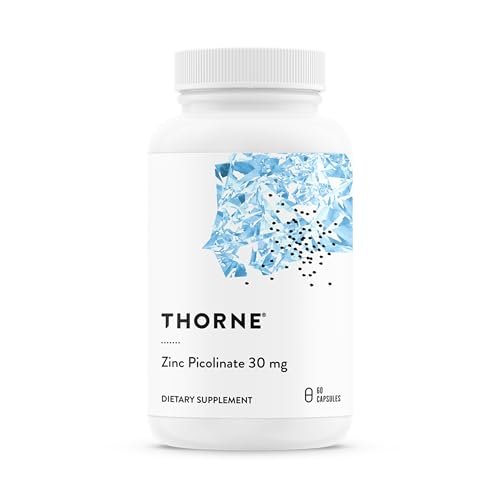
- Dose used in trials: 30 mg/day of elemental zinc is the most reasonable starting point; trials of 50 to 100 mg/day produce stronger signal at the cost of GI tolerance, and a short 8 to 12 week course is typical
- Form to look for: zinc bisglycinate, zinc picolinate, or zinc gluconate; avoid zinc oxide (poorly absorbed) and avoid taking on an empty stomach
- Skip if: you are on long-term zinc above 40 mg/day without lab monitoring (it can drive copper deficiency over time), or if you experience persistent nausea on a single dose
Actionable takeaway: don't run a 100 mg/day zinc course indefinitely. Use a defined 8 to 12 week trial at 30 to 50 mg/day, with food, and reassess. If your acne hasn't moved by week 12 on top of a topical regimen, zinc is unlikely to be the lever.
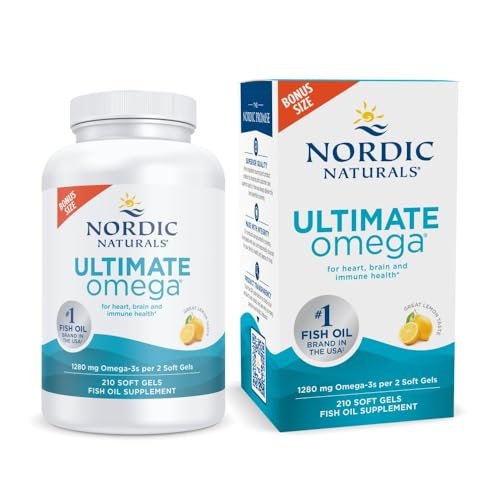
Omega-3 EPA/DHA
Omega-3 fatty acids matter for acne because inflammatory papulopustular lesions are an inflammatory disease, and EPA/DHA dampen pro-inflammatory eicosanoid pathways. The average US intake of combined EPA plus DHA is roughly 100 to 150 mg/day, well under the 250 to 500 mg/day floor that nutrition bodies use as a general adequacy target.
A 2014 RCT (Khayef et al., PMID 24474059) in young adults with mild-to-moderate acne tested 3 g/day of fish oil providing roughly 930 mg EPA and 720 mg DHA against placebo for 10 weeks. Inflammatory lesion counts dropped in the omega-3 arm. The sample was small, the effect was moderate, and replication is limited. Read it as a positive signal that supports the underlying anti-inflammatory mechanism, not as proof omega-3 is acne-targeting.
- Dose used in trials: 1,000 to 2,000 mg/day combined EPA+DHA from fish oil, EPA-dominant if inflammation is the main target
- Form to look for: triglyceride-form fish oil with USP Verified or IFOS certification; see our best omega-3 supplements for product-level form notes
- Skip if: you are on therapeutic anticoagulation; talk to your prescriber first
Actionable takeaway: if you eat fatty fish (salmon, sardines, mackerel) two times a week, you're probably already at the lower end of the trial range without a supplement. If you don't, a 1,000 to 2,000 mg/day combined EPA+DHA fish oil is the simplest way to close the gap.
Vitamin D
Vitamin D status sits on the edge of the acne literature. Several observational studies have found that adults with active acne are more likely to have a 25-hydroxyvitamin D level under 30 ng/mL, and a few small RCTs have shown a modest benefit from correcting deficiency. A 2020 review (Lim et al., PMID 33165009) summarized the data as suggestive but not yet practice-changing. The NIH ODS RDA for adults is 600 to 800 IU/day with a tolerable upper intake of 4,000 IU. The relevant question is whether you're actually low.
Blood work changes the question. Without it you're guessing which supplement to add. Ask your doctor about a 25-hydroxyvitamin D blood test before settling on a dose: under 20 ng/mL is deficient, 20 to 30 ng/mL is insufficient, and 30 to 50 ng/mL is generally considered adequate.
- Dose used in trials: 1,000 to 2,000 IU/day to correct insufficiency, with higher short-term doses sometimes used under clinician supervision for documented deficiency
- Form to look for: D3 (cholecalciferol), taken with a meal containing some fat
- Skip if: your 25(OH)D is already in the 40 to 60 ng/mL range; more isn't better
Supplements with moderate evidence (consider with caveats)
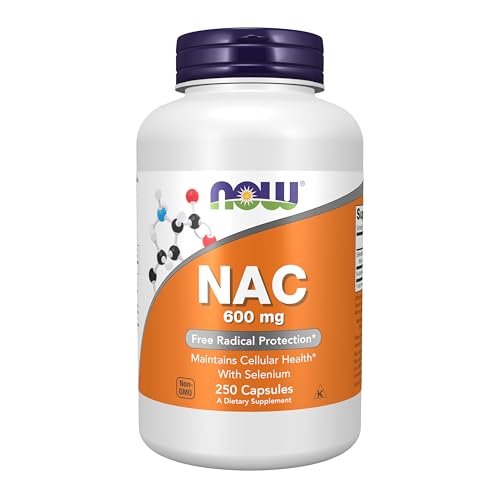
N-acetylcysteine (NAC)
N-acetylcysteine is a glutathione precursor with both antioxidant and mild anti-androgen activity. The strongest acne-relevant data come from PCOS trials where NAC at 600 to 1,800 mg/day improved insulin sensitivity and androgen markers (review, PMID 25245189), with downstream improvements in skin observed in some studies. Direct head-to-head acne trials are smaller. Worth considering if hormonal acne overlaps with PCOS, with caveats: GI side effects (mostly mild) and the need to give the protocol 3 months to register on the skin.
Spearmint tea
Spearmint has anti-androgenic activity in women with hyperandrogenism. A small randomized trial (Grant et al., PMID 25245150) showed that two cups of spearmint tea daily for 30 days reduced free testosterone in women with PCOS and improved subjective hirsutism scores. Acne was a secondary endpoint with a positive signal but a small sample. Mixed evidence overall, but the mechanism is real, and the intervention is cheap and low-risk for non-pregnant adults. Worth a 3-month trial if your acne is hormonally patterned. Skip if pregnant.
Probiotics
The gut-skin axis is a real area of emerging research, and a handful of small RCTs of Lactobacillus and Bifidobacterium strains have shown modest improvements in inflammatory acne, often as adjuncts to topical therapy. The trials use different strains, doses, and durations, so a confident recommendation is premature. If your gut history (antibiotics, irritable bowel) suggests dysbiosis, a 12-week trial is reasonable; if it doesn't, the evidence isn't strong enough to justify the cost.
Popular but evidence-thin
Vitamin A (oral, high-dose)
Oral vitamin A is widely recommended for acne in social media and supplement-brand marketing because of its kinship with isotretinoin. The actual evidence is thin: isotretinoin (13-cis-retinoic acid) is a prescription drug operating at therapeutic doses far above any safe over-the-counter vitamin A regimen. High-dose oral vitamin A from supplements carries real risk of hepatotoxicity and, in women of reproductive age, teratogenicity. Do not substitute over-the-counter vitamin A for prescription retinoid therapy. If your dermatologist is discussing isotretinoin, that's a separate, supervised conversation.
Saw palmetto
Saw palmetto is marketed as a botanical anti-androgen and shows up in acne stacks aimed at women. The acne-specific evidence is weak. Most clinical data on saw palmetto come from benign prostatic hyperplasia trials in men, not from acne. There is no acne RCT of meaningful size that would justify a confident recommendation. If you want to try it, a 3-month adjunct trial alongside dermatologic care is reasonable, but expect a small effect, if any.
Inositol
Inositol (typically myo-inositol with or without D-chiro-inositol) has reasonable PCOS data for ovulation and insulin sensitivity, and acne improvements are sometimes reported as a downstream effect. As a stand-alone acne intervention, the direct evidence is thin. Reasonable to consider if you already have a PCOS diagnosis with insulin resistance, less so for non-PCOS adult acne.
What to look for when buying
A supplement brand can look impressive on a label and still miss the basics. For zinc and omega-3 in particular:
- Form first: zinc bisglycinate, picolinate, or gluconate, not oxide; triglyceride-form fish oil, not ethyl ester at high doses
- Third-party testing: look for USP Verified, NSF Certified for Sport, or ConsumerLab approved seals
- Per-ingredient mg: avoid "proprietary blends" that won't tell you the actual elemental zinc dose
- Dosing strategy: zinc with food to avoid nausea; omega-3 with a meal containing fat for absorption; vitamin D with the largest meal of the day
- Watch the multivitamin overlap: many multis already contain 8 to 15 mg of zinc; check the label before stacking a 50 mg zinc on top
When supplements are not enough
Supplements are an adjunct, not a treatment for moderate-to-severe acne or for scarring disease. Talk to a dermatologist or your primary care clinician today if any of these apply:
- Acne that has not improved after 12 weeks of a consistent topical regimen (retinoid plus benzoyl peroxide, used nightly)
- Nodulocystic lesions (deep, painful, larger than 5 mm) or active scarring
- Acne plus signs of androgen excess (hirsutism, irregular cycles, sudden weight changes) that may indicate PCOS or another endocrine issue
- Acne that is causing significant emotional distress, social withdrawal, or persistent low mood
- A skin reaction to a supplement that looks like a sudden monomorphic eruption of small papules and pustules across the face, chest, or upper back, especially if you have been taking a high-dose B-complex
Mental-health symptoms tied to skin disease are common and deserve real care; if depression or suicidal thoughts come up, call or text the 988 Suicide and Crisis Lifeline in the US, or contact your local crisis line. This is non-negotiable.
FAQ
Will avoiding chocolate or greasy food clear my acne?
Probably not. Chocolate avoidance is one of the oldest food myths in dermatology. The diet signal that does show up in the AAD literature is around high-glycemic-index diets and, less consistently, dairy. Both are food-as-trigger discussions, not single-food cures. The diet move that has the most consistent acne signal is moderating high-glycemic-load foods, not banning chocolate.
Can a vitamin B12 or B-complex supplement make my acne worse?
Yes, this is a real and documented phenomenon. A 2022 case series and review (PMID 34971471) summarizes that high-dose vitamin B12 (often above 1,000 mcg) and high-dose B6 can trigger an acneiform eruption, sometimes called "B12-induced acne." If your acne started or worsened within weeks of beginning a high-dose B-complex, energy stack, or injectable B12, talk to your clinician before adding any other supplement. High-dose B-complex is a trigger, not a fix.
Is collagen good for acne?
There is no direct acne signal in the collagen literature. Collagen is studied for skin elasticity and hydration, not acne lesions. If you're already taking it for another reason, fine; it isn't an acne supplement.
Does zinc replace a topical retinoid?
No. Topical retinoids are first-line in AAD guidelines for most acne presentations. Zinc has a modest adjunct effect; it does not match a retinoid's effect size, and it does not address the comedonal mechanism a retinoid targets directly.
Should I get blood work before supplementing?
For zinc, usually not required for a short trial. For vitamin D, yes, a 25-hydroxyvitamin D level changes the dose. For hormonal acne in women, a full hormone panel (total and free testosterone, DHEAS, SHBG, prolactin, plus glucose and insulin if PCOS is suspected) is worth requesting before you start stacking supplements.
Conclusion: the bottom line on best supplements for acne
For most people with mild-to-moderate acne, supplements close a small but real gap. The combination with the most credible evidence is a short course of zinc at 30 to 50 mg/day, 1 to 2 g/day of EPA/DHA, and correcting vitamin D if your blood level says you should. Hormonal acne in women has its own short list: spearmint tea, N-acetylcysteine, and a conversation about whether spironolactone or a combined oral contraceptive is the right prescription tool. None of this replaces a topical retinoid, benzoyl peroxide, or the dermatologic care that severe or scarring acne requires.
Next steps:
- Book a dermatology or primary care visit, and ask whether a topical retinoid plus benzoyl peroxide is appropriate for your acne type and severity.
- If you're starting supplements, run a defined 8 to 12 week zinc trial at 30 to 50 mg/day with food, and only stack a multivitamin or B-complex if you've checked for overlap and high-dose B12.
- Read how we review supplements for the framework behind these picks, see Sarah Thompson's author page for related nutrition coverage, and check the best supplements for nail health guide if your skin and nails are both struggling, since the underlying nutrient gaps often overlap.
Reviewed by Sarah Thompson, Registered Dietitian, focused on vitamin and mineral nutrition.
This article is for informational purposes and not medical advice. Supplements can interact with medications and skin conditions. Consult a board-certified dermatologist or licensed clinician before starting any supplement, particularly if you are pregnant, nursing, taking prescription acne medications such as isotretinoin or oral antibiotics, or managing a chronic condition. If you are in mental-health crisis, call or text 988 in the US, or contact your local crisis line.
Top picks on Amazon
As an Amazon Associate, I earn from qualifying purchases. Product recommendations are based on real reviews and independent research.
