

Affiliate disclosure: this article contains affiliate links. As an Amazon Associate, UsefulVitamins.com earns from qualifying purchases at no extra cost to you.
If you are searching for the best supplements for longevity, you have probably read enough of Lifespan and Outlive and seen enough biotech-funded "anti-aging stack" pitches to know the candidate list (EPA, vitamin D, creatine, magnesium, NAD+ precursors, urolithin A, spermidine, glycine, NAC, taurine, fisetin) and want to know which actually have human-trial signal.
Quick Answer: which longevity supplements have the strongest evidence in 2026?
The 2 to 3 we would actually start with:
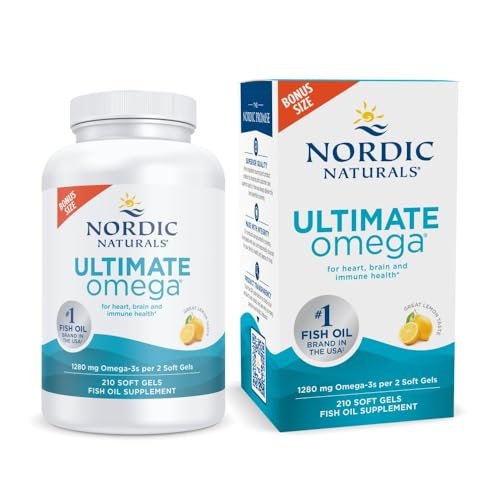
- EPA-dominant omega-3 fish oil, roughly 2 g of EPA plus DHA per day with EPA at least 60% of the total. This is the single most replicated cardiovascular-mortality signal in the longevity stack, and atherosclerotic cardiovascular disease is still the number-one killer in the populations buying longevity supplements.
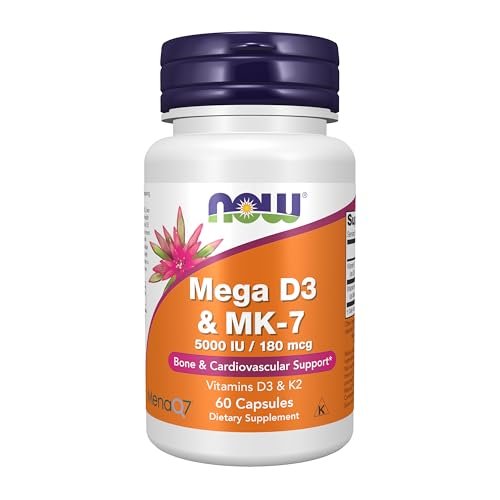
- Vitamin D3, dose titrated to a serum 25-hydroxyvitamin D level in the 40 to 60 ng/mL range, typically 2,000 to 5,000 IU/day. The all-cause mortality meta-analytic signal is real, and the benefit concentrates in people who start deficient.
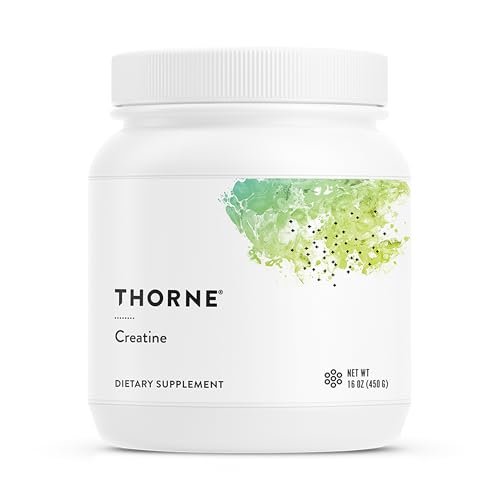
- Creatine monohydrate, 3 to 5 g per day. Sarcopenia and mitochondrial dysfunction are two of the twelve hallmarks of aging, and creatine has the cleanest human evidence for muscle preservation paired with resistance training, with emerging brain-energetics data.
Who should not start with these: anyone on warfarin or other anticoagulants needs to clear high-dose fish oil with the prescriber. Anyone with stage 3 or worse chronic kidney disease should not start creatine or magnesium without nephrology input. And nobody should swap a statin, an antihypertensive, or a cancer-screening visit for any of the supplements below.
What to do FIRST: the USPSTF clinical preventive services list is the unsexy foundation. Get blood pressure controlled, get the recommended cancer screenings on schedule, get an ApoB or full lipid panel, get fasting insulin and HbA1c. Strength train at least twice a week. Sleep seven hours. Keep social ties intact. Supplements are the margin, not the main act.
What we mean by "longevity" in 2026, in one paragraph
When this article says "longevity," it does not mean lifespan extension. It means healthspan, the years you spend functional and disease-free, framed against the hallmarks of aging (Lopez-Otin et al. 2023, now twelve: genomic instability, telomere attrition, epigenetic alterations, loss of proteostasis, disabled macroautophagy, deregulated nutrient sensing, mitochondrial dysfunction, cellular senescence, stem cell exhaustion, altered intercellular communication, chronic inflammation, dysbiosis). A supplement earns a place on this list when at least one human RCT shows it moves a healthspan-relevant biomarker mapping onto one of those hallmarks. Mouse data are noted where relevant but do not promote a compound into the strong tier on their own. The conventional first line for healthspan is preventive cardiology under the 2018 AHA/ACC cholesterol guideline, USPSTF-recommended cancer screening, blood pressure control, resistance training, and sleep. Supplements are adjunctive.
Strongest evidence: the cardiometabolic and musculoskeletal core

EPA/DHA omega-3 fish oil
Why it helps. EPA and DHA are long-chain omega-3 fatty acids that incorporate into platelet, endothelial, and neuronal membranes. They lower fasting triglycerides through reduced hepatic VLDL secretion, shift eicosanoid signaling toward less-inflammatory mediators, and at very high doses reduce major adverse cardiovascular events in secondary prevention. Mechanistically this maps onto altered intercellular communication and chronic inflammation, two of the twelve hallmarks.
What the trials show. The REDUCE-IT trial (Bhatt et al. 2019, n=8,179) used 4 g/day icosapent ethyl in statin-treated patients with elevated triglycerides and hit a 25% relative risk reduction in the composite primary endpoint. The VITAL trial (Manson et al. 2019, n=25,871) tested 1 g/day marine omega-3 in primary prevention and missed its primary composite endpoint but showed a 28% reduction in myocardial infarction, with the largest effect in adults with low fish intake.
Dose used in trials. 1 to 2 g/day combined EPA plus DHA for primary prevention, escalating to 4 g/day icosapent ethyl in secondary prevention.
Form to look for. EPA-dominant fish oil in triglyceride or re-esterified triglyceride form, third-party tested for oxidation. The ConsumerLab fish oil review has flagged products exceeding oxidation limits in recent rounds.
Dose-in-trial vs dose-people-buy. A standard 1,000 mg fish oil softgel typically contains only 180 mg EPA and 120 mg DHA. To match the 2 g/day target a reader would need roughly seven of those softgels. Most "fish oil did nothing" complaints trace to underdosing, not to fish oil failing.
Skip if you are on an anticoagulant without prescriber clearance, or if you have a fish allergy.
Actionable takeaway: count combined EPA plus DHA milligrams on the back of the label, not "fish oil" milligrams. Match the trial dose or do not expect the trial outcome.
Vitamin D3
Why it helps. Vitamin D modulates calcium absorption, bone remodeling, and immune signaling. The all-cause mortality association in observational data is one of the larger signals in the nutritional epidemiology literature, although trials targeting populations that started replete have been mixed. Mechanism maps onto altered intercellular communication and immune-aging components of the hallmarks framework.
What the trials show. VITAL (same trial above) tested 2,000 IU/day vitamin D3 against placebo and missed its overall primary endpoints for cancer and cardiovascular events, with signals in pre-specified subgroups. Multiple meta-analyses of vitamin D supplementation report a modest reduction in all-cause mortality, concentrated in people with baseline 25-OH-D below 30 ng/mL. The honest read: vitamin D3 corrects deficiency reliably and the benefit accrues mostly to deficient people.
Dose used in trials. 2,000 to 5,000 IU/day, titrated to a serum 25-OH-D level in the 40 to 60 ng/mL range per the NIH ODS vitamin D fact sheet.
Form to look for. Vitamin D3 (cholecalciferol), ideally co-formulated with vitamin K2 (MK-7) when calcium intake is high. Test serum 25-OH-D at baseline and again at three to six months. The dose-response is highly individual.
Skip if your baseline 25-OH-D is already in the upper-normal range. Supplementing past that does not add benefit in current trials and can edge into hypercalcemic risk at very high doses.
Creatine monohydrate
Why it helps. Creatine raises intramuscular phosphocreatine stores, the rate-limiting substrate for ATP regeneration during short, high-intensity work. In aging muscle it reliably preserves lean mass and strength paired with resistance training, which addresses sarcopenia (stem cell exhaustion in the muscle compartment combined with mitochondrial dysfunction). The brain side is newer: creatine raises brain phosphocreatine on 31P-MRS imaging and buffers cognitive performance under sleep deprivation in small trials.
What the trials show. The ISSN 2022 position stand (Forbes et al.) summarized over 500 studies and concluded creatine is "the most effective ergogenic supplement available," with consistent effects on muscle mass, strength, and recovery, and emerging effects on cognition in older adults and vegetarians.
Dose used in trials. 3 to 5 g/day of creatine monohydrate. Loading at 20 g/day for five days is not necessary outside competitive athletics.
Form to look for. Plain creatine monohydrate, micronized or not, third-party tested. Branded forms (HCl, ethyl ester, buffered) do not outperform monohydrate in head-to-head trials and cost more. More features are not always more useful.
Skip if you have stage 3 or worse CKD without nephrologist clearance.
Magnesium
Why it helps. Magnesium is a cofactor in over 300 enzymatic reactions, including ATP binding, neuromuscular transmission, and glucose handling. Most US adults under-consume relative to RDA per the NIH ODS magnesium fact sheet. Low intake associates with insulin resistance, higher blood pressure, and worse sleep architecture, which touches deregulated nutrient sensing and altered intercellular communication.
What the trials show. A 2016 meta-analysis (Veronese et al.) of 40 prospective studies linked higher dietary magnesium with a 10% lower risk of coronary heart disease, 12% lower risk of stroke, and 26% lower risk of type 2 diabetes per 100 mg/day increment. Smaller RCTs of magnesium supplementation show modest reductions in systolic blood pressure (about 2 mmHg) and improvements in fasting glucose in insulin-resistant adults.
Dose used in trials. 300 to 500 mg/day of elemental magnesium.
Form to look for. Magnesium glycinate, malate, citrate, or threonate. Oxide is poorly absorbed.
Skip if you have stage 3 or worse CKD, or are on potassium-sparing diuretics or digoxin without clearance.
Moderate evidence: mitochondrial and proteostasis adjuncts
Urolithin A (Mitopure)
Worth considering if mitochondrial function is the lane you care about, with caveats. Urolithin A is a gut-microbial metabolite of ellagitannins (in pomegranate, walnuts, raspberries) and only about 40% of people produce useful levels on their own. It activates mitophagy, the cellular cleanup of damaged mitochondria, which maps onto the disabled macroautophagy and mitochondrial dysfunction hallmarks. The pivotal Andreux et al. 2019 trial in Nature Metabolism (n=60, older sedentary adults, 4 weeks) showed dose-dependent increases in mitochondrial gene expression in skeletal muscle. A larger 2022 trial (Liu et al., n=66, 4 months at 1,000 mg/day) showed improved muscle endurance in middle-aged adults. Mechanism is the cleanest on this list; trials are small but converging.
Dose-in-trial vs dose-people-buy. Trials use 500 to 1,000 mg/day Mitopure (branded, standardized). Most pomegranate extracts on Amazon contain ellagitannins, not urolithin A, and rely on the consumer's own gut bacteria for conversion. For producers it works; for non-producers (about 60% of adults) it does not.
Glycine plus NAC (GlyNAC)
Glycine and N-acetylcysteine are precursors to glutathione, the cell's main intracellular antioxidant. A 2021 trial (Kumar et al., n=24 older adults, 24 weeks of GlyNAC at roughly 100 mg/kg/day of each) showed improvements in markers of oxidative stress, mitochondrial function, inflammation, insulin resistance, and even gait speed and grip strength. Tiny trial. Striking effect sizes. Larger replications are running. Mechanism is solid on proteostasis and chronic inflammation hallmarks. Treat as a moderate-evidence candidate that may move up if the larger trials confirm.
Taurine
Taurine got broad attention from the Singh et al. 2023 Science paper showing taurine supplementation extended healthspan and lifespan in mice and improved aging-related measures in monkeys, with a cross-species observation that blood taurine declines with age in humans. The honest framing matters here: this was a mouse and monkey study with human observational data, not a human RCT. The real question is not whether taurine looks promising; it is whether you should change a daily habit on rodent data and monkey biomarkers. A defensible answer: 1 to 3 g/day is broadly safe and reasonably cheap, and the human RCTs that will settle this are years out. If you take it, treat it as an experiment rather than a settled intervention.
Popular but evidence-thin: NAD+ precursors, senolytics, spermidine
NAD+ precursors (NR and NMN). Nicotinamide riboside and nicotinamide mononucleotide reliably raise blood NAD+ in human trials, but have mostly null results on the downstream clinical endpoints they were sold to improve (insulin sensitivity, blood pressure, physical function). A supplement can look impressive on a mechanism diagram and still miss the clinical endpoint. NAD+ precursors clear safety bars up to 1,000 mg/day; they have not cleared efficacy bars on healthspan-relevant outcomes. Most "NMN works" claims extrapolate from mouse data or from raising a blood NAD+ number without showing functional benefit.
Senolytics (fisetin, quercetin, dasatinib). Senescent cells accumulate with age and contribute to chronic inflammation. The senolytic concept is to selectively kill them. Animal data are striking: a 2018 mouse paper (Yousefzadeh et al.) showed fisetin extended healthspan and reduced senescent cell burden. Human trials are limited and use intermittent dosing schedules that have not been standardized. Routine consumer dosing of fisetin at 100 mg/day from a capsule is not a tested intervention.
Spermidine. A polyamine that induces autophagy, mapping onto the disabled macroautophagy hallmark. Most evidence is from animal models and observational human data linking dietary spermidine (wheat germ, aged cheese) to lower all-cause mortality. Supplemental wheat germ extract trials show small memory effects in older adults. Mechanistically promising, human data thin.
Prescription drugs you will see mentioned, briefly
Two compounds dominate longevity discussions and belong here only with strong caveats.
Rapamycin is an FDA-approved mTOR inhibitor used in transplant immunosuppression. Off-label low-dose intermittent rapamycin for healthspan is being studied in the PEARL trial and others, but it is a prescription drug with real side-effect potential, not a supplement. Discuss with a physician; do not self-prescribe.
Metformin is an FDA-approved oral hypoglycemic for type 2 diabetes. The TAME trial is testing it for healthspan endpoints in non-diabetic adults. Off-label use is contested, with one signal that it may blunt resistance-training adaptations. Prescription decision, not a supplement decision.
What to look for when buying
- Form matters more than brand. EPA percentage, not "fish oil" milligrams. Magnesium glycinate or malate, not oxide. Cholecalciferol, not ergocalciferol. Creatine monohydrate, not exotic salts. Mitopure-branded urolithin A if you are buying the molecule, not generic pomegranate extract.
- Third-party verification. USP Verified, NSF Certified for Sport, ConsumerLab Approved, or a brand-published Certificate of Analysis batch report.
- Dose to the trial. Most disappointing supplement experiences trace to underdosing.
- Track the labs. If a supplement is meant to move ApoB, 25-OH-D, fasting glucose, or hsCRP, retest at 8 to 12 weeks. If the marker has not moved, the intervention has not worked for you regardless of how it worked in trials.
Actionable takeaway: if you cannot point to the biomarker a supplement is meant to move, you do not have a reason to take it. Pick three or four supplements with the strongest evidence for your goals, hit trial doses, and retest in 12 weeks.
When supplements are not enough
The unsexy lifestyle interventions outperform the entire supplement stack on healthspan endpoints, and that pattern is unlikely to change. Resistance training twice a week protects against sarcopenia at an effect size no supplement matches. Zone 2 cardio and VO2max training protect cardiovascular and metabolic health. Seven hours of sleep protects cognition, glucose handling, and immune function. Social connection associates with mortality reduction at effect sizes comparable to smoking cessation. If your blood pressure is uncontrolled, your ApoB is above 100 mg/dL, your HbA1c is above 6.0%, or you are skipping USPSTF-recommended cancer screening, the conversation belongs with a clinician, not a supplement stack.
FAQ
Do any supplements extend lifespan in humans? No supplement has shown lifespan extension in a human RCT. Some move healthspan-relevant biomarkers (mitochondrial respiration, muscle endurance, glutathione status, blood lipids); a smaller subset move hard clinical endpoints (cardiovascular events, fractures). Lifespan trials require multi-decade follow-up no one has run.
Is NAD+ injection or IV worth it? Oral NR and NMN reliably raise blood NAD+ but downstream functional benefits are not consistent. Injection and IV are even less studied. Mechanism is interesting; human clinical data are not there yet.
What about resveratrol? The original sirtuin-activator story has not held up in human RCTs on the clinical endpoints originally proposed. Mechanism remains a research target; the consumer supplement story has not.
Does the multivitamin help longevity? The COSMOS-Mind substudy showed small but statistically significant cognition benefits from a daily multivitamin in older adults over 3 years. A daily multi is cheap, low-risk, and worth including for older adults who do not eat a varied diet.
Should I take rapamycin? That is a prescription decision, not a supplement decision. Discuss with a physician familiar with the off-label literature.
Conclusion: the bottom line on best supplements for longevity in 2026
The honest summary is shorter than the longevity-influencer stack. EPA-dominant fish oil at trial dose, vitamin D3 titrated to a target serum level, creatine monohydrate at 3 to 5 g/day, and magnesium in a chelated form are the four supplements with the strongest human-trial backing for cardiometabolic and musculoskeletal endpoints that map onto the hallmarks of aging framework. Urolithin A and GlyNAC sit at moderate evidence and may move up as larger trials read out. Taurine, NAD+ precursors, senolytics, and spermidine are mechanistically interesting and mostly rodent or small-pilot evidence, treated as experiments rather than settled interventions. Rapamycin and metformin are prescription drugs and outside this article. The unifying theme: longevity supplements are the margin on top of cardiovascular risk control, cancer screening, resistance training, sleep, and social connection. The supplements will not save you from skipping the foundation.
Next steps:
- Get the unsexy basics first. Blood pressure, lipid panel with ApoB, fasting insulin, HbA1c, 25-OH-D, USPSTF-recommended cancer screenings on schedule.
- For the podcast-driven side of this conversation, compare with our best supplements Peter Attia recommends roundup and our deep dive on the best urolithin A supplements for the mitochondrial lane.
- For our standards on how supplements get evaluated and which sources we trust, see our supplement review methodology and the Maria Rodriguez author page.
This article is for informational purposes and not medical advice. Supplements can interact with medications and health conditions. Consult a licensed physician before starting any supplement, particularly if you are pregnant, nursing, taking prescription medications, or managing a chronic condition.
Reviewed by Maria Rodriguez, MS Nutrition Science, focused on cognitive and mood biochemistry.
Top picks on Amazon
As an Amazon Associate, I earn from qualifying purchases. Product recommendations are based on real reviews and independent research.
