
Affiliate disclosure: this article contains affiliate links. As an Amazon Associate, UsefulVitamins.com earns from qualifying purchases at no extra cost to you.
If you have searched for the best supplements Joe Rogan takes, you have probably already heard the long list across two decades of JRE: Alpha Brain, Onnit's Total Human pack, AG1, vitamin D3 at 5,000 IU, fish oil, NAD+ infusions, BPC-157, TRT, mushroom coffee, cordyceps.
Quick Answer: which Rogan supplements actually have evidence?
The 2 to 3 we would actually start with:
- EPA-dominant fish oil, roughly 1,000 mg EPA/day. The most-replicated food-derived supplement in cardiovascular and mood research, and the one piece of the Rogan stack where dosing matters more than branding.
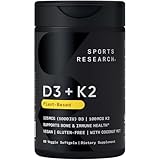
- Vitamin D3, 1,000 to 4,000 IU/day, dosed to a tested serum target. Rogan's "5,000 IU" framing works for many adults with low baseline 25-OH D, but the honest answer is to test first.
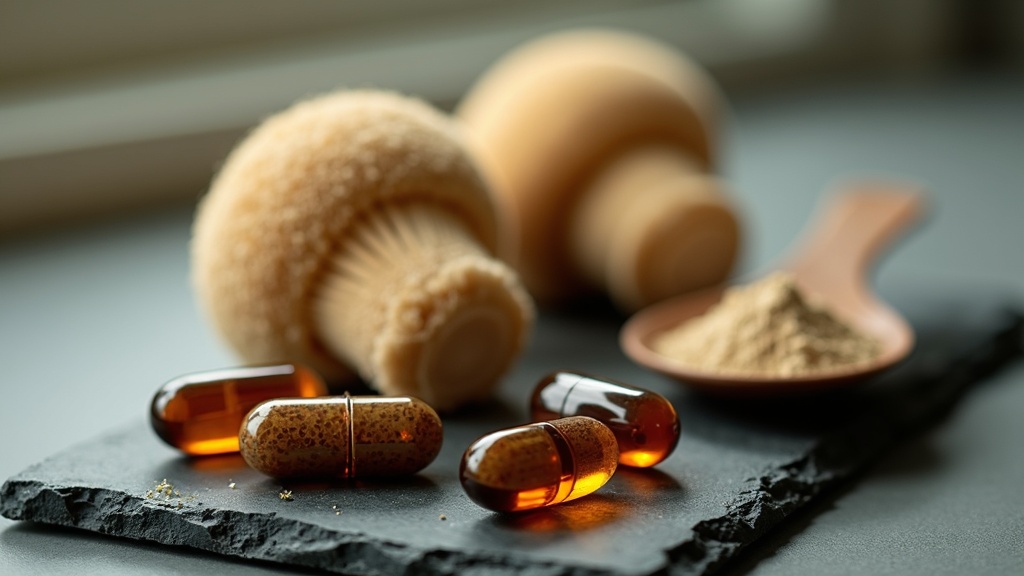
- Lion's mane (Hericium erinaceus), 1 to 3 g/day of fruiting-body extract. Small but reasonably consistent human trial signal for mood and mild cognitive complaints; the most defensible nootropic on the entire Rogan list.
Who should not start with these: anyone on warfarin or another anticoagulant needs prescriber clearance for high-dose fish oil. Anyone already on prescription cognitive or mood medication should add supplements one at a time, not as a Total Human pack, because you cannot attribute effect to any single intervention. Men considering TRT should see an endocrinologist, not a podcast clip; that is a prescription category, not a supplement aisle.
What to do FIRST: if your problem is energy, mood, or focus, a 25-hydroxyvitamin D test, a thyroid panel, and an iron panel will tell you more than guessing at huperzine A. Sleep environment and a consistent wake time outperform any nootropic. Supplements come after the boring work.
Where this stack actually comes from
Joe Rogan co-founded Onnit in 2010, which became one of the most recognized US supplement brands of the 2010s on the back of Alpha Brain. Onnit was acquired by Unilever in 2021, and the formulations he discusses (Alpha Brain, Shroom Tech, New Mood, Total Human packs) are still on the market under that brand. The commercial relationship is relevant context, not a disqualifier. Brand-specific recommendations from Rogan should be read as founder-disclosure, not independent third-party evidence that Onnit is the best brand for any compound.
What the podcast does well is name compounds with a plausible mechanism and at least one published trial. What it does less well is signal which trials are large and replicated versus which are small pilots from interested parties. Several items on Rogan's broader regimen (TRT, NAD+ IV infusions, BPC-157 peptide injections) are not supplements at all in the food-derived sense. They are prescription, infusion, or research-chemical categories that belong with a clinician, and they are flagged that way below. For a different cognitive-stack comparison, see our Andrew Huberman supplement stack.
Strong evidence: the parts of the stack with real human RCT support

EPA-dominant fish oil
Why it helps. Long-chain omega-3s, especially EPA, are incorporated into neuronal and cardiac cell membranes, modulate inflammatory eicosanoid signaling, and influence BDNF expression in animal models.
What the trials show. A 2019 meta-analysis of omega-3 in depression found a modest but reliable effect for EPA-dominant formulations of at least 60% EPA, dosed at 1 g or more per day. The cardiovascular REDUCE-IT trial used 4 g/day of prescription-grade icosapent ethyl and reduced major adverse cardiovascular events in high-risk adults.
Dose used in trials. 1,000 to 2,000 mg of EPA per day for mood and cognition; up to 4 g/day combined EPA+DHA for cardiovascular endpoints under clinician supervision.
Form to look for. Triglyceride or re-esterified triglyceride form, EPA at least 60% of total EPA+DHA, third-party tested. The ConsumerLab fish oil review flags rancidity and label-claim accuracy as the main consumer issues. Nordic Naturals, Carlson, and Wiley's Finest have repeatedly passed independent assays.
Skip if you are on warfarin or another anticoagulant without prescriber clearance.
Actionable takeaway: A generic 1,000 mg fish oil softgel contains roughly 180 mg EPA. To match the trial dose you need five to six softgels per day, or a concentrated formula that lists 500 to 1,000 mg EPA per softgel.
Vitamin D3
Why it helps. Vitamin D is a secosteroid hormone with receptors in nearly every tissue, including immune cells, neurons, and osteoblasts. Low 25-hydroxyvitamin D is associated with worse outcomes across mood, immune, and musculoskeletal endpoints.
What the trials show. The large VITAL trial (n=25,871) did not find that 2,000 IU/day reduced cancer or cardiovascular events in unselected adults. The trials that do show benefit tend to enroll vitamin D-low participants and supplement to a target serum level. The NIH ODS fact sheet on vitamin D lays out the deficiency-correction case: if your 25-OH D is under 30 ng/mL, supplementation is reasonable; at 40 to 60 ng/mL, more is unlikely to help.
Dose used in trials. 1,000 to 4,000 IU/day depending on baseline status. Rogan's casual "5,000 IU" is fine for adults with documented low baseline, but it is not a one-size answer.
Form to look for. D3 (cholecalciferol), ideally in an oil base for absorption.
Skip if your serum 25-OH D is already well above 30 ng/mL and you have no risk factors for low vitamin D.
Actionable takeaway: Get a serum 25-OH D test once before settling on a dose. Supplement to a target of roughly 40 to 60 ng/mL, not to infinity.
Lion's mane (Hericium erinaceus)
Why it helps. Lion's mane contains hericenones and erinacines, compounds that increase nerve growth factor (NGF) and BDNF expression in animal models. In neurons that translates into modest signals on synaptic plasticity, the mechanistic case for both mood and cognitive endpoints in humans.
What the trials show. Two reasonably designed Japanese RCTs anchor the human base. The Mori et al. 2009 trial enrolled 30 older adults with mild cognitive impairment and used 3 g/day of fruiting body for 16 weeks; the supplemented group improved on cognitive function scores compared to placebo, with the effect fading after washout. The Saitsu et al. 2019 trial used a similar dose in healthy stressed adults and reported lower subjective depression and anxiety scores at 12 weeks. The trials are small (n under 80) and from one region, but the signal is consistent.
Dose used in trials. 1 to 3 g/day of fruiting-body extract for 8 to 16 weeks. Mycelium-on-grain products are weaker; the trials used fruiting body.
Form to look for. Standardized fruiting-body extract with beta-glucan content disclosed on the label. Real Mushrooms, Host Defense, and Nootropics Depot are commonly cited as fruiting-body-dominant. Skip vague "mushroom complex" blends.
Skip if you are on immunosuppressants without prescriber clearance, or you are pregnant or nursing.
Actionable takeaway: Lion's mane is the single most defensible nootropic on the Rogan list, and it does not need to come from Onnit to work.
Moderate evidence: the parts with reasonable mechanism but smaller human trials
Alpha Brain (the Onnit-funded cognitive blend)
Alpha Brain is the flagship Onnit product and the supplement most associated with the Rogan name. The formula combines bacopa monnieri, huperzine A, alpha-GPC, L-theanine, cat's claw, and several other ingredients in a proprietary blend. Two trials anchor the human evidence: a 2014 pilot and a 2016 RCT by Solomon and colleagues. Both reported modest improvements in verbal recall and executive function tasks compared to placebo at 6 to 12 weeks.
The funding caveat is non-trivial. Both trials were funded and authored in part by Onnit, with no independent replication. That does not invalidate the data, but it is the level of evidence at which a research-trained reader hedges harder. The individual ingredient case is also uneven. Bacopa at 300 mg/day has a reasonable RCT base for memory and a 2014 systematic review supporting modest cognitive effects, but most trials used isolated bacopa, not a multi-ingredient blend. Huperzine A has Chinese trial data in Alzheimer's at 200 to 400 mcg/day; the Alpha Brain huperzine A dose is sub-therapeutic relative to those trials. Skip if you are on a cholinesterase-inhibitor prescription (huperzine A duplicates the mechanism) or on SSRIs.
Bacopa monnieri (as a standalone)
Buying isolated bacopa instead of Alpha Brain is the cheaper and more evidence-aligned move if cognitive support is the goal. The Stough et al. 2008 trial used 300 mg/day of standardized extract over 12 weeks in older adults and showed improvements on visual processing and verbal learning tasks. Trial dose: 300 mg/day of an extract standardized to 50% bacosides. Effects take 8 to 12 weeks, not days. Skip if you are on thyroid medication; bacopa modestly affects thyroid hormone in animal models, with thin human data.
AG1 (Athletic Greens)
AG1 combines 75 ingredients including vitamins, minerals, adaptogens, prebiotics, and probiotics. The human RCT evidence for AG1 as a specific product is limited to a small sponsor-funded trial and a few biomarker studies. It functions as a comprehensive multivitamin with adaptogen seasoning, and at roughly $80 to $100/month it is the most expensive multivitamin on most stacks. A standard third-party-tested multivitamin plus a probiotic gets you most of the same biochemistry at a fraction of the cost.
Popular but evidence-thin
NAD+ infusions and oral NAD+ precursors
Rogan has discussed NAD+ IV infusions on the podcast in the context of cellular energy and longevity. This is not a supplement category in the food-derived sense and does not belong in a supplement roundup. NAD+ IV is an off-label clinical procedure performed under medical supervision; oral NAD+ precursors (NR, NMN) are a separate supplement category with biomarker-level evidence but limited clinical-outcome data.
BPC-157 and other peptides
BPC-157 is a research-only peptide marketed in the grey-market wellness space for joint and gut recovery. It is not an FDA-approved supplement, there are no human RCTs, and the entire evidence base is rat and rabbit data. We do not give dosing for it here. For the canonical UV breakdown on peptides as a category, see our peptides cluster.
TRT (testosterone replacement therapy)
Rogan has been publicly open about being on TRT and has framed it as one of the most impactful interventions he has tried. TRT is a prescription endocrinology treatment, not a supplement. Dosing requires baseline labs, ongoing hematocrit and estradiol monitoring, and clinician supervision. We do not discuss TRT doses. Men with symptoms of low testosterone (low libido, fatigue, mood changes, muscle loss) deserve a proper endocrinology workup, not a podcast clip.
Mushroom coffee, cordyceps, and Shroom Tech blends
Onnit's Shroom Tech line pairs lion's mane (covered above) with cordyceps. Cordyceps has small human trials in exercise performance with modest VO2 max effects at 1 to 3 g/day of CS-4 strain. Mushroom coffee tastes fine and contains less caffeine than regular coffee. The cognitive case for the lion's mane component is real; the rest of the blend is mild and marketing-heavy.
What to look for when buying
| Question | What to check |
|---|---|
| Does the label show milligrams of the specific active, not just the herb name? | EPA mg, elemental D3 IU, bacosides %, lion's mane fruiting-body extract dose |
| Third-party tested? | ConsumerLab approved, USP Verified, NSF Certified for Sport, Informed Sport |
| Form (for the specific compound)? | EPA-dominant TG-form fish oil, D3 in oil base, fruiting-body lion's mane (not mycelium-on-grain), bacosides-standardized bacopa |
| Is there a proprietary blend hiding the dose? | Alpha Brain's "Onnit Proprietary Blend" is the obvious flag; per-ingredient mg is not disclosed |
| Is the brand recommendation independent of a commercial partnership? | Rogan's Onnit founder relationship is disclosed but not independent verification |
For our framework on how we vet brands, see how we review supplements.
When supplements are not enough
Stop building a stack and book a clinician evaluation if:
- Cognitive symptoms (new memory loss, word-finding trouble, confusion) appeared abruptly in adulthood; that is a neurology referral, not an Alpha Brain question
- Mood is low for two or more weeks with loss of interest, sleep change, or any thoughts of self-harm (in the US, call or text 988 for the Suicide and Crisis Lifeline)
- Energy problems appeared suddenly; rule out thyroid, sleep apnea, anemia, and depression before guessing at adaptogens
- Testosterone-related symptoms (low libido, fatigue, mood) are persistent; an endocrinology workup precedes any TRT or Tongkat Ali conversation
- You are pregnant, nursing, or planning to be; the safety profile of most of this stack in pregnancy is either uncertain or contraindicated
The real question is not "what is on the podcast," it is "what does my data say I am actually missing."
FAQ
Does Joe Rogan actually take Alpha Brain every day?
He has described Alpha Brain as a long-running part of his stack across multiple JRE episodes, with the caveat that he cycles cognitive supplements. The two sponsor-funded trials are the only human RCT data on the formula. Outside that funding context, the case rests mostly on bacopa, which has stronger evidence as a standalone.
Is Onnit still a credible brand after the Unilever acquisition?
Onnit was acquired by Unilever in 2021. Formulations have not meaningfully changed; the brand is still in the supplement aisle. Whether their products are the best in their category is a different question and is rarely yes; Thorne, Pure Encapsulations, Nordic Naturals, Real Mushrooms, and Nootropics Depot regularly match or beat Onnit on third-party testing at lower cost.
What about BPC-157, NAD+ infusions, and TRT?
None of those are food-derived supplements. BPC-157 is a research-only peptide with no human RCT base; NAD+ IV is a clinical procedure with biomarker-level evidence; TRT is a prescription endocrinology treatment requiring labs and monitoring. They belong with a clinician, not a supplement-aisle roundup.
How long before lion's mane or bacopa start to work?
Lion's mane: 8 to 16 weeks at 1 to 3 g/day. Bacopa: 8 to 12 weeks at 300 mg/day. Effects are modest at best and fade after stopping. Anyone claiming a same-day effect from either is describing placebo or caffeine.
Are mushroom coffees worth it?
They are pleasant, they contain less caffeine than regular coffee, and the lion's mane component has a real if modest evidence base. The cordyceps and chaga components are mild. Pricing varies; you can build the same biochemistry with a separate lion's mane extract and regular coffee.
Conclusion: the bottom line on best supplements Joe Rogan takes
The honest summary: EPA-dominant fish oil, vitamin D3 dosed to a tested serum target, and lion's mane fruiting-body extract are the three parts of the Rogan stack with the strongest human RCT support. Alpha Brain has two small sponsor-funded RCTs and is the part of the stack where the funding bias matters most. Bacopa monnieri as a standalone is the cheaper, evidence-aligned alternative if you want a cognitive supplement. AG1 is a comprehensive but expensive multivitamin. BPC-157, NAD+ infusions, and TRT are not supplements in the food-derived sense and belong with a clinician.
Next steps:
- If you take nothing else from the list, start with an EPA-dominant fish oil at roughly 1,000 mg EPA/day and a vitamin D3 dose anchored to a serum 25-OH D test
- If the goal is cognitive support, isolated bacopa at 300 mg/day or lion's mane fruiting-body extract at 1 to 3 g/day is more evidence-aligned than Alpha Brain
- For a deeper read on the most-cited nootropic on Rogan's list, see our Alpha Brain review, and the related Andrew Huberman supplement stack for a different cognitive-stack comparison; our author page collects the cognitive and mood coverage
Reviewed by Maria Rodriguez, MS Nutrition Science, focused on cognitive and mood biochemistry.
This article is for informational purposes and not medical advice. Supplements can interact with prescription medications including anticoagulants, SSRIs, cholinesterase inhibitors, and thyroid medications, and dosing recommendations are not one-size-fits-all. Consult a licensed physician before starting any supplement protocol, particularly during pregnancy or nursing, alongside prescription medications, or if you have a chronic health condition.
Recommended Products


As an Amazon Associate, UsefulVitamins.com earns from qualifying purchases at no extra cost to you. We only recommend products supported by published research or third-party testing.
