

Affiliate disclosure: this article contains affiliate links. As an Amazon Associate, UsefulVitamins.com earns from qualifying purchases at no extra cost to you.
If you searched for calcium bioavailability, you are probably staring at two bottles and wondering why one says 1,250 mg of calcium carbonate and another says 500 mg of calcium citrate, and which one ends up in your bones.
Before you decide
Who should NOT pick calcium by feel: anyone with chronic kidney disease, kidney stones, primary hyperparathyroidism, sarcoidosis, or on lithium, thiazide diuretics, or digoxin. Total intake from supplements above 1,500 mg per day showed a small cardiovascular signal in the Bolland et al. 2010 meta-analysis, which is still debated but is a reason to favor dietary calcium and to avoid chasing high supplemental doses.
Do this first before buying anything: ask your doctor for a serum 25-hydroxy vitamin D, a serum calcium with albumin correction, and, if you are over 50 or have risk factors, a DXA bone density scan. Without those numbers you are guessing whether you need calcium and how much.
What bioavailability means for calcium
Calcium crosses the gut through two parallel routes. The active transcellular route uses calbindin, the calcium-sensing receptor (CaSR), and the vitamin-D-regulated channel TRPV6 on the brush border. It dominates at low to moderate luminal calcium concentrations and is tightly vitamin D dependent. The passive paracellular route runs between enterocytes and is concentration-driven, kicking in at higher loads. Both are running during a meal, but the active route saturates fast. That saturation is why fractional absorption drops sharply when single doses go above about 500 to 600 mg elemental calcium, and it is the single most important practical fact for how to dose calcium supplements.
Gastric acid matters because it solubilizes calcium salts before they reach the small intestine. Calcium carbonate needs acid to ionize. Calcium citrate is already partly solubilized and uses less of that step. That is why long-term PPI users, people with achlorhydria, and the elderly typically absorb citrate better than carbonate in the fasted state.
The proxy metrics used in trials matter. Acute serum or urinary calcium tells you what crossed the gut but not what ended up in bone. Stable-isotope studies using 44Ca or 46Ca and tracer recovery are the gold standard for fractional absorption. Bone mineral density on DXA at 1 to 3 years is the practical real-world outcome, and fracture incidence is the only endpoint that matters to a patient.
The forms compared

Calcium carbonate
Calcium carbonate is the reference form. It is what most of the published RCTs use, it is cheap, and at 1,250 mg of the salt it delivers about 500 mg of elemental calcium (40 percent elemental). Absorption with a meal lands around 22 to 39 percent in stable-isotope studies. The catch is the meal requirement. In the fasted state, or on long-term PPI therapy, absorption drops because gastric acid is the rate-limiting step. Common side effects are constipation, gas, and belching. Examples include the Caltrate carbonate-plus-D line and the generic 600 mg calcium carbonate tablets stocked at every US pharmacy, often for less than $0.05 per dose.
Calcium citrate
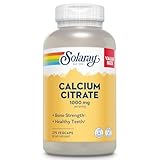
Calcium citrate is the second most common form and the most studied alternative to carbonate. It is only about 21 percent elemental calcium by weight, so a 500 mg elemental dose needs a larger tablet or a split into two tablets. The advantage is that absorption is comparable to carbonate in the fed state and clearly better in the fasted state and in low-acid conditions, per the Heaney et al. 1999 trial. It is the right form for long-term PPI or H2-blocker users, for patients with achlorhydria, for elderly adults with reduced gastric acid output, and for anyone post-Roux-en-Y or sleeve gastrectomy. Examples include the Citracal line and Solgar calcium citrate, typically $0.10 to $0.20 per dose.
Calcium hydroxyapatite (MCHA, microcrystalline)
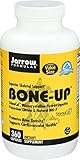
Microcrystalline calcium hydroxyapatite is sourced from cow bone (Bone-Up by Jarrow is a common example) or, in the AlgaeCal Plus formulation, from a fossilized marine algae source. The marketing claim is that delivering calcium in the same crystalline matrix as bone gives a bone-routing advantage. The actual comparative human evidence is mixed. Some small trials show comparable bone mineral density outcomes to carbonate. None consistently shows a meaningful superiority once vitamin D, magnesium, and protein status are controlled. Fractional absorption sits in the 20 to 25 percent range. Cost is high, often $0.50 to $1.00 per daily dose.
Calcium lactate
Calcium lactate is a gentler organic salt at about 13 percent elemental calcium. Fractional absorption per mg elemental is comparable to carbonate in healthy adults. The downside is pill burden. Hitting a 500 mg elemental dose from calcium lactate alone takes several large tablets. It is reasonable for patients who tolerate it better than other forms and shows up in some chewable and effervescent products, but it is not a first-line choice for the standard 1,000 to 1,200 mg per day adult target.
Calcium gluconate, coral, and algae-sourced
Calcium gluconate is only about 9 percent elemental, which makes it impractical as an oral supplement. It is mostly used intravenously. Coral calcium is chemically calcium carbonate from coral skeleton, marketed as a premium product with miracle claims the FTC has taken enforcement action on. There is no evidence it absorbs differently from standard carbonate. Algae-sourced calcium (the AlgaeCal line is the most prominent example) is plant-sourced hydroxyapatite with trace minerals. The comparative human evidence does not show a meaningful advantage over a well-dosed carbonate or citrate plus vitamin D and K2 stack, at several times the cost.
| Form | Elemental Ca | Relative absorption (fed) | Typical dose | Cost per dose | Notes |
|---|---|---|---|---|---|
| Calcium carbonate | 40% | 1.0x (reference) | 500 mg elemental | ~$0.02 to $0.05 | Cheapest, needs meal and acid |
| Calcium citrate | 21% | ~1.0x fed, higher fasted | 500 mg elemental | ~$0.10 to $0.20 | Best for PPI, elderly, post-bariatric |
| Hydroxyapatite (MCHA) | ~24% | ~1.0x | 500 mg elemental | ~$0.50 to $1.00 | Mixed bone outcome evidence |
| Calcium lactate | 13% | ~1.0 to 1.1x | 500 mg elemental | ~$0.10 to $0.20 | High pill burden |
| Calcium gluconate | 9% | n/a orally | clinical use | clinical billing | IV form |
| Coral calcium | 40% | same as carbonate | 500 mg elemental | ~$0.20 to $0.40 | Marketing premium, no advantage |
The RCT evidence per form
Direct head-to-head bioavailability trials are smaller than the marketing implies, and the largest fracture and bone-density trials use carbonate or citrate as the active arm.
The carbonate vs citrate question rests on the Heaney et al. 1999 trial in postmenopausal women. In the fasted state, calcium citrate produced about 22 to 27 percent higher peak serum calcium and higher fractional absorption than calcium carbonate. With a meal the gap narrowed substantially. The clinical translation is simple. If you will reliably take calcium with a meal, both forms perform similarly. If meals will be skipped, or if gastric acid is suppressed by a PPI or by age, citrate is the safer choice.
The bone density and fracture endpoint evidence rests on much larger trials. The Tang et al. 2007 Lancet meta-analysis of 29 RCTs in over 60,000 adults reported a 12 percent reduction in fractures and a 24 percent reduction in bone loss at compliance. The benefit was strongest with combined calcium and vitamin D, in adults 50 and over, and at total elemental calcium intakes of 1,200 mg per day from diet plus supplement. The Reid et al. 2014 BMJ meta-analysis revisited the bone density question and concluded that calcium supplements produce small bone density gains of about 1 to 2 percent, below the magnitude that typically translates into large fracture reductions in the general population. The honest reading is that diet-plus-supplement total in the 1,000 to 1,200 mg per day range matters more than which form delivered the supplement portion.
The cardiovascular signal everyone now has to address comes from the Bolland et al. 2010 BMJ meta-analysis of calcium supplements without coadministered vitamin D, which reported about a 30 percent relative increase in myocardial infarction in supplemented groups. The result has been debated, is partially attenuated when vitamin D is coadministered, and is not seen consistently when calcium is consumed from food. The USPSTF 2018 statement declined to recommend routine calcium and vitamin D for primary fracture prevention in community-dwelling adults without osteoporosis. The pragmatic takeaway is to keep supplemental calcium under 1,000 mg per day in most adults and to favor food sources for the rest of the daily target.
For hydroxyapatite, algae-sourced, and coral calcium, the comparative human evidence is thinner. Most absorption claims come from sponsor-funded or single-site trials. None has produced a fracture-endpoint advantage over the carbonate or citrate plus vitamin D and K2 stacks used in the large meta-analyses.
Actionable takeaway: for most adults at risk of low intake, the cleanest evidence-based playbook is 1,000 to 1,200 mg of total elemental calcium per day from diet first, supplemented as needed with 500 mg of calcium carbonate at a meal (or calcium citrate if you cannot guarantee a meal or are on a PPI), paired with 800 to 2,000 IU vitamin D3 and around 100 mcg vitamin K2 MK-7. Retest 25-hydroxy vitamin D at 8 to 12 weeks.
Cost-vs-bioavailability decision matrix
A 500 mg elemental dose of calcium carbonate at $0.04 works out to about $0.00027 per absorbed milligram at 30 percent absorption in the fed state. A 500 mg elemental dose of calcium citrate at $0.15 works out to about $0.001 per absorbed milligram at the same fed absorption. Carbonate wins on per-absorbed-mg math by roughly 3 to 4x in the fed state. Citrate closes that gap, and often beats it, in fasted or low-acid conditions where carbonate absorption falls off.
When does the premium form pay off? PPI users, elderly adults with reduced acid output, post-bariatric-surgery patients, and people who skip meals at supplement time. In those groups the carbonate cost advantage evaporates because the absorbed fraction is lower than the label math assumes. Hydroxyapatite, algae, and coral are premium without a settled absorption advantage.
When is the cheap form fine? Healthy adults with normal gastric acid who will reliably take calcium with breakfast and dinner, splitting doses to stay under the 500 to 600 mg per-dose ceiling, and who can hit 1,000 to 1,200 mg per day total from a diet-plus-supplement combination.
When is no supplement the right answer? Adults whose diet already provides 1,000 to 1,200 mg per day. The average US adult diet covers about 750 to 900 mg per day per the NIH ODS Calcium fact sheet, so a 250 to 400 mg supplemental dose closes the typical gap. Stacking 1,000 mg supplemental calcium on top of a 1,000 mg dietary intake overshoots the target, raises urinary calcium, and crosses into the dose range where the cardiovascular signal becomes a fair concern.
How to choose the right form for your goal
If you are a healthy adult under 50 with a typical dairy or fortified plant-milk diet
You probably need less supplemental calcium than the marketing suggests. Aim for the 1,000 mg per day adult RDA from diet first. A single 500 mg elemental carbonate tablet at breakfast or dinner is enough if your diet runs around 500 to 750 mg per day. Pair with 800 to 2,000 IU vitamin D3 based on your serum 25-hydroxy D level.
If you are a postmenopausal woman or a man over 65 focused on bone
Total target is 1,200 mg of elemental calcium per day from diet plus supplement, per the NIH ODS Calcium fact sheet. For most readers that means a single 500 mg elemental calcium supplement (carbonate with a meal, or citrate if any low-acid risk factor applies) plus a vitamin D3 dose of 800 to 2,000 IU. If you have been diagnosed with osteoporosis or osteopenia, calcium is an adjunct to clinician-set therapy, not a replacement. See our review of supplements that may support osteoporosis prevention for the broader stack.
If you are on a PPI, H2 blocker, or have known low stomach acid
Calcium citrate, with or without food. The carbonate-meal trick does not fully rescue absorption when gastric acid is chronically suppressed. Split into 2 doses of 500 mg elemental each if total target is 1,000 mg per day.
If you have had Roux-en-Y or sleeve gastrectomy
Calcium citrate, 1,200 to 1,500 mg elemental per day in split doses. This is the standard bariatric-surgery follow-up recommendation and should be set and monitored by your bariatric team. Do not self-manage post-bariatric calcium without follow-up labs.
If you are pregnant or breastfeeding
Total calcium target is about 1,000 mg per day per the NIH ODS Calcium fact sheet, usually covered by diet plus a prenatal. Higher doses for specific obstetric indications, such as preeclampsia prophylaxis in low-intake populations, are an OBGYN-set parameter. Consult your OBGYN before adding calcium beyond the prenatal.
If you are vegan or lactose intolerant
You can hit the daily target without dairy. A cup of calcium-fortified plant milk delivers about 300 to 450 mg, a cup of cooked collard greens about 250 mg, a cup of cooked kale about 100 mg, a half cup of firm tofu set with calcium sulfate about 250 to 400 mg, and a 3-ounce serving of bone-in canned sardines about 325 mg per the USDA FoodData Central database. Reach for calcium citrate if a supplement is still needed, because there is no meal-acid story to count on if you skip breakfast or avoid fortified cereals.
FAQ
Is coral calcium worth the premium? No. It is chemically calcium carbonate with marketing on top. The FTC has taken enforcement action against several coral calcium health claims. Pay carbonate prices for a carbonate-equivalent product.
Can I take 1,000 mg of elemental calcium in one tablet? You can, but you will not absorb most of it. Active calcium transport saturates around 500 to 600 mg per single dose. Split into two doses for any total above that.
Does calcium really need a meal? Calcium carbonate does. Calcium citrate does not. If your routine cannot guarantee a meal at supplement time, choose citrate.
Does calcium interact with my medications? Yes, several. Per the NIH ODS Calcium fact sheet and the Drugs.com calcium interactions monograph, oral calcium binds in the gut with levothyroxine (separate by at least 4 hours), bisphosphonates (separate per label, typically taken first thing on an empty stomach), tetracyclines and fluoroquinolones (separate by 2 to 4 hours), and iron supplements (separate by an hour). Calcium can add to thiazide diuretics to raise serum calcium and to digoxin to raise risk of cardiac arrhythmia. Long-term PPI use lowers carbonate absorption by raising gastric pH. Review your full med list with your pharmacist or prescriber.
Should I stop because of the cardiovascular signal in the news? Not without talking to your physician. The Bolland et al. 2010 meta-analysis signal is most consistent at supplemental calcium doses above 1,000 to 1,500 mg per day without vitamin D, and it has not been seen consistently from dietary calcium. The pragmatic move is to favor food-first and to keep supplemental calcium at the gap-closing dose, not the megadose.
Conclusion: the bottom line on calcium bioavailability
For most adults, calcium carbonate at 500 mg of elemental calcium taken with a meal is the cheapest absorbable choice and the one used in the largest published trials. Calcium citrate, at the same 500 mg elemental dose, is the right pick if you are over 65, on a PPI, post-bariatric, or unable to commit to a meal at supplement time. The premium forms (hydroxyapatite, algae-sourced, coral) do not have a settled bioavailability or fracture-endpoint advantage that justifies the price. Across forms, the practical drivers that actually move bone outcomes are total daily intake near 1,000 to 1,200 mg, adequate vitamin D, adequate protein, and resistance exercise.
Before any of this, ask your doctor about a blood test for 25-hydroxy vitamin D, a serum calcium with albumin correction, and, if you are over 50 or have other risk factors, a DXA bone density scan. The average US adult diet already covers about 750 to 900 mg per day per the NIH ODS Calcium fact sheet, so for most readers a single 500 mg elemental dose closes the real gap, and stacking 1,000 mg on top of an already adequate diet trades a tiny bone density gain for a fair cardiovascular and kidney-stone concern.
Next steps
- Read how we review supplements to see what testing standards we use to vet brands.
- Read our review of best supplements for osteoporosis prevention for the broader stack on bone, including vitamin D, K2, magnesium, and protein.
- See more from Sarah Thompson, RD for the rest of the vitamin and mineral coverage.
This article is for informational purposes and not medical advice. Calcium supplements can interact with prescription medications including levothyroxine, bisphosphonates, tetracyclines, fluoroquinolones, iron, thiazide diuretics, and digoxin, and absorption of calcium carbonate is reduced by long-term PPI use. Consult a licensed physician before starting any supplement, particularly if you are pregnant, nursing, taking prescription medications, have kidney disease or a history of kidney stones, or are managing a chronic condition.
Reviewed by Sarah Thompson, Registered Dietitian, focused on vitamin and mineral nutrition.
Recommended Products

As an Amazon Associate, UsefulVitamins.com earns from qualifying purchases at no extra cost to you. We only recommend products supported by published research or third-party testing.
